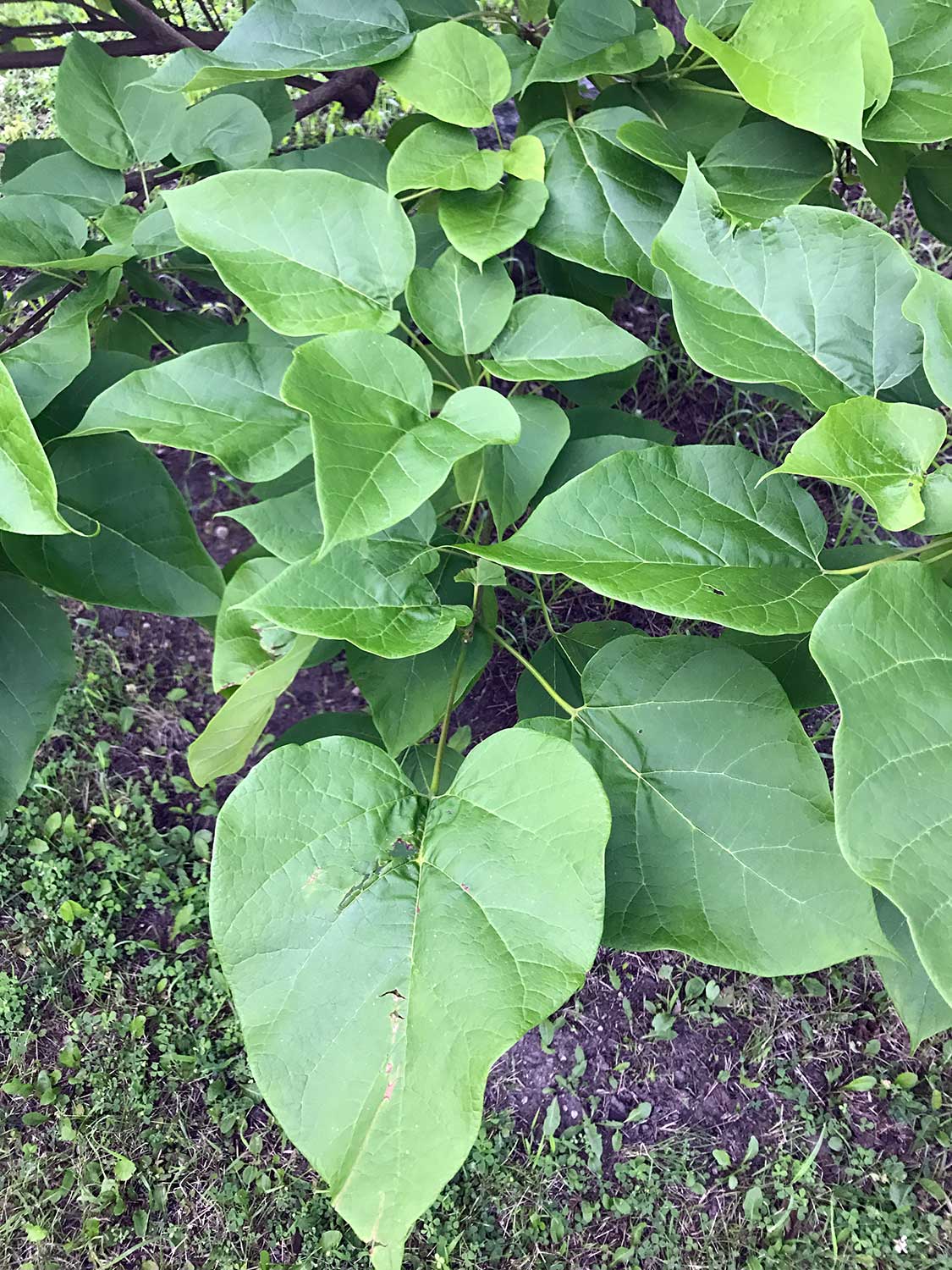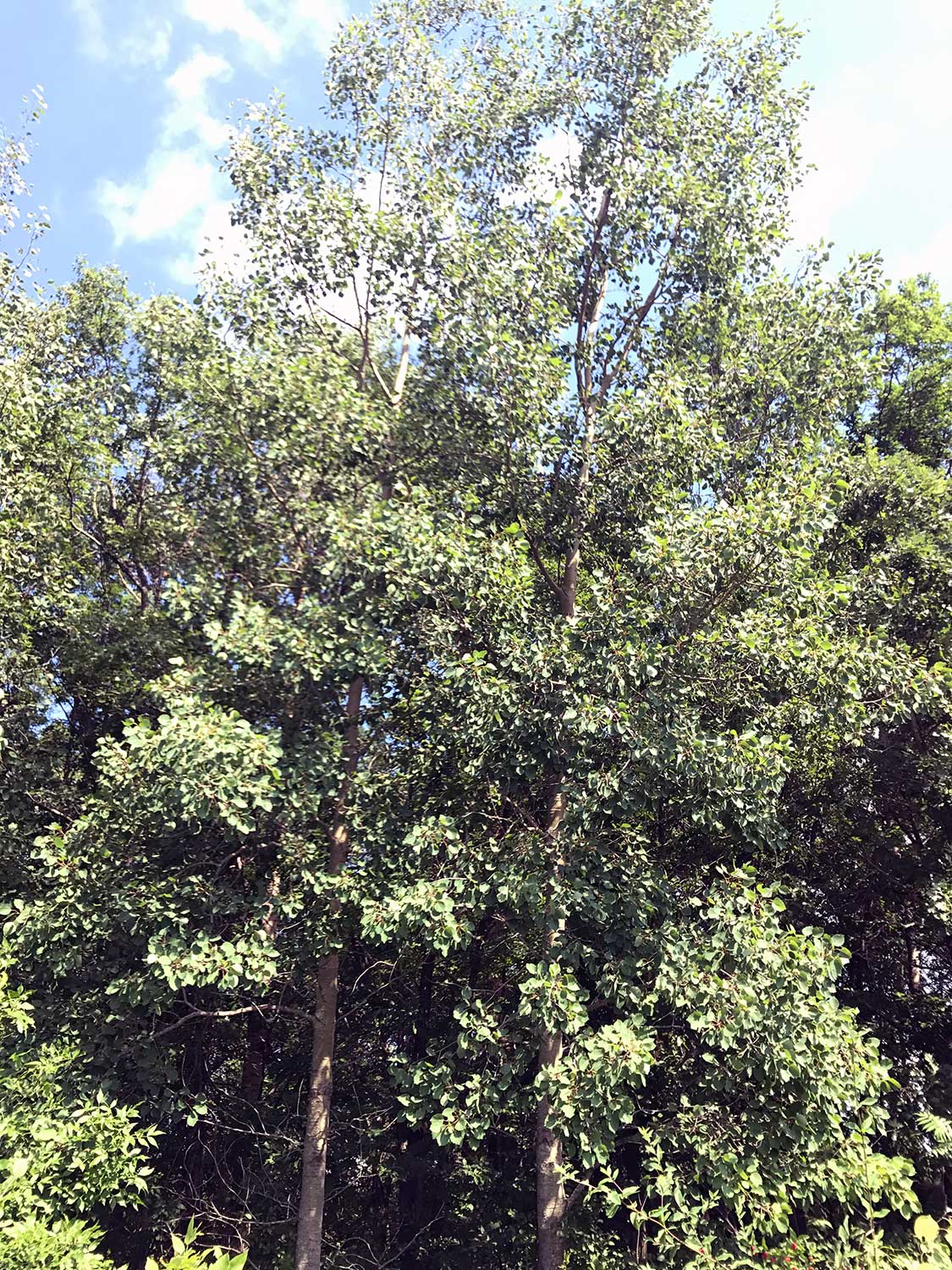
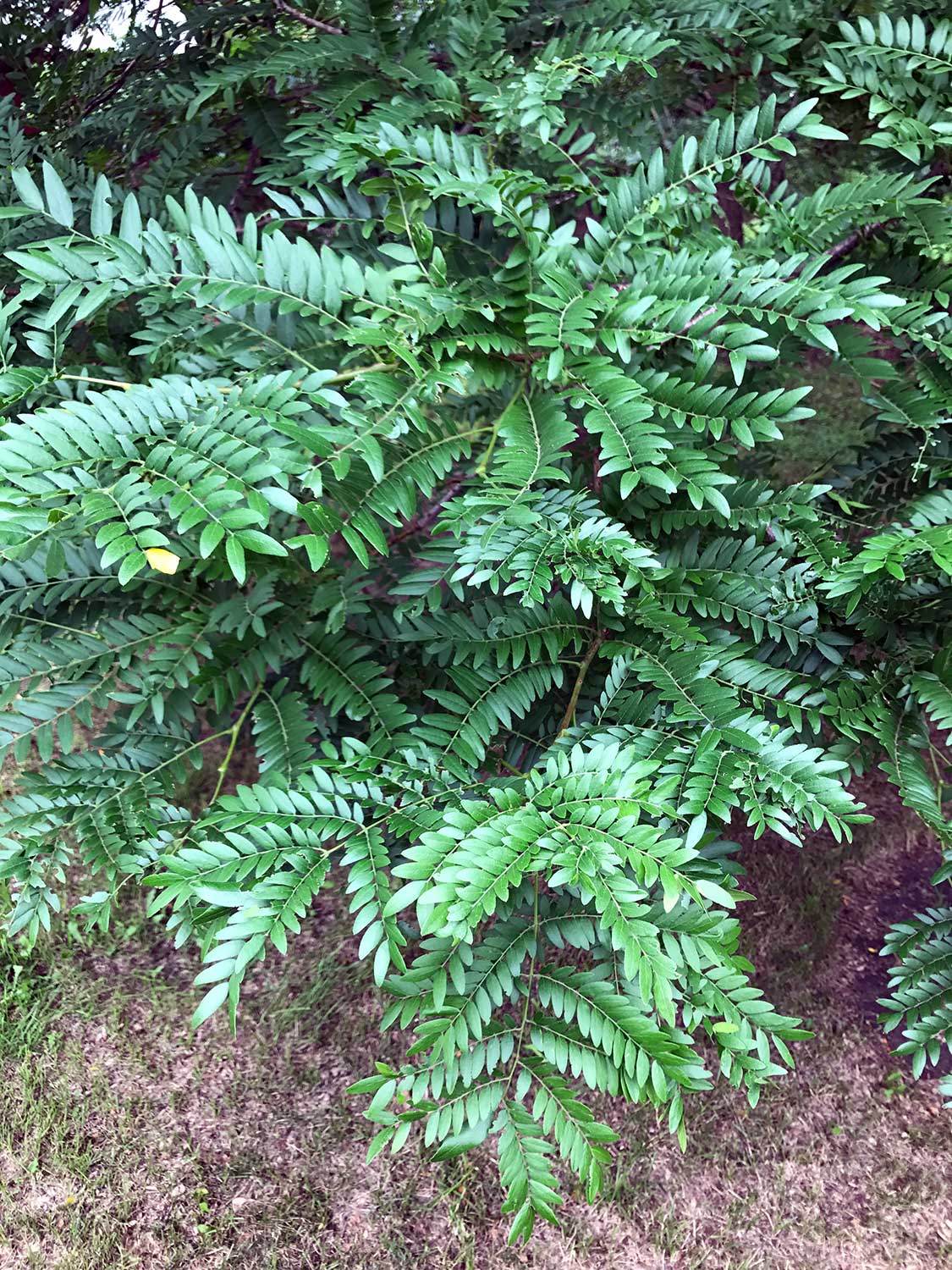
Skyline Honeylocust – Gleditsia triacanthos f. inermis

Native To State: NO
Naturally Occurring: NO

Description

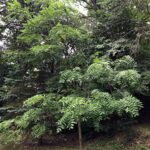
Gleditsia triacanthos f. inermis (Thornless Honeylocust) is a deciduous tree belonging to the Fabaceae family. Here are some key identification characteristics:

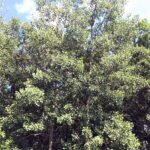
Size and Shape: Thornless honeylocust is a medium to large-sized tree, typically reaching heights of 40 to 70 feet (12 to 21 meters). It has an open, spreading canopy with delicate, feathery foliage.

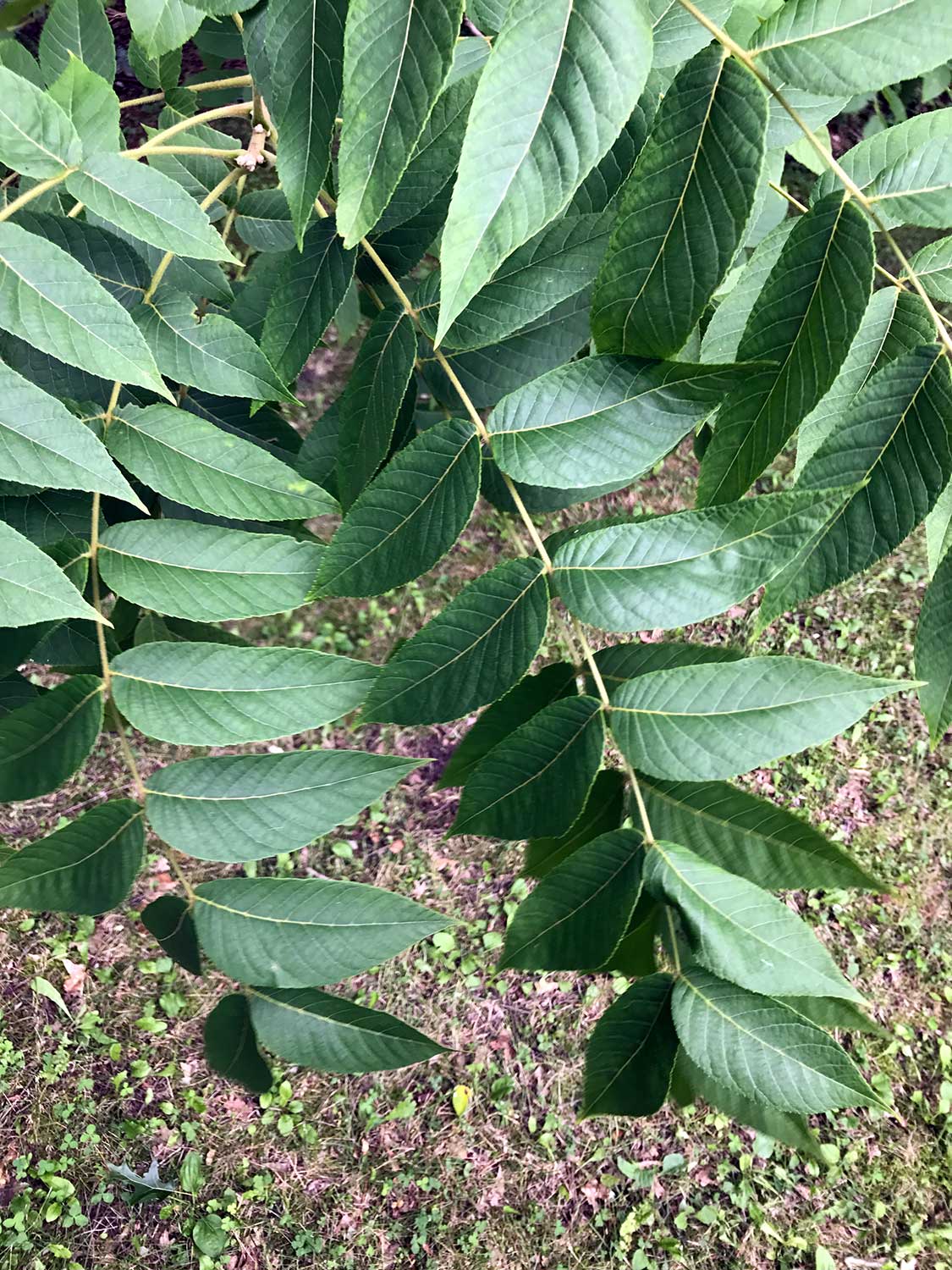
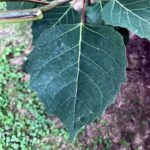
Leaves: The leaves of Gleditsia triacanthos f. inermis are pinnately compound and alternate along the branches. Each leaflet is small and elongated, giving the foliage a fern-like appearance. The leaves are bright green during the growing season and turn golden-yellow in the fall.

Thorns: Unlike the typical species (Gleditsia triacanthos), this variety is “inermis,” which means it is thornless. As such, you won’t find the long, sharp thorns that are characteristic of the species.

Bark: The bark of young thornless honeylocust trees is relatively smooth and grayish-brown, gradually becoming rougher with age and developing ridges and furrows.

Flowers: The tree produces small, inconspicuous greenish-yellow flowers in the spring. The flowers are typically not showy but are important for pollination.

Fruit: Thornless honeylocust bears long, flat, and twisted seed pods (legumes) that are 6 to 18 inches (15 to 45 centimeters) in length. The pods mature in late summer to early fall and turn brown. They persist on the tree throughout the winter.

Habitat: This variety is often planted as an ornamental tree in urban and residential areas due to its attractive appearance and thornless nature. It can tolerate a wide range of soil conditions and is relatively drought-tolerant once established.

Cultivation: Thornless honeylocust is widely planted for its aesthetic value, providing filtered shade in landscapes and streetscapes.

Other Species: It’s essential to differentiate this thornless variety (f. inermis) from the typical species (Gleditsia triacanthos) that does have thorns.

Thornless honeylocust is favored for urban landscapes and other settings where thorns might pose a concern. Its delicate foliage and absence of thorns make it an appealing choice for those seeking a low-maintenance and visually pleasing tree.

Occurrence
One large specimen planted near barn in 2008.
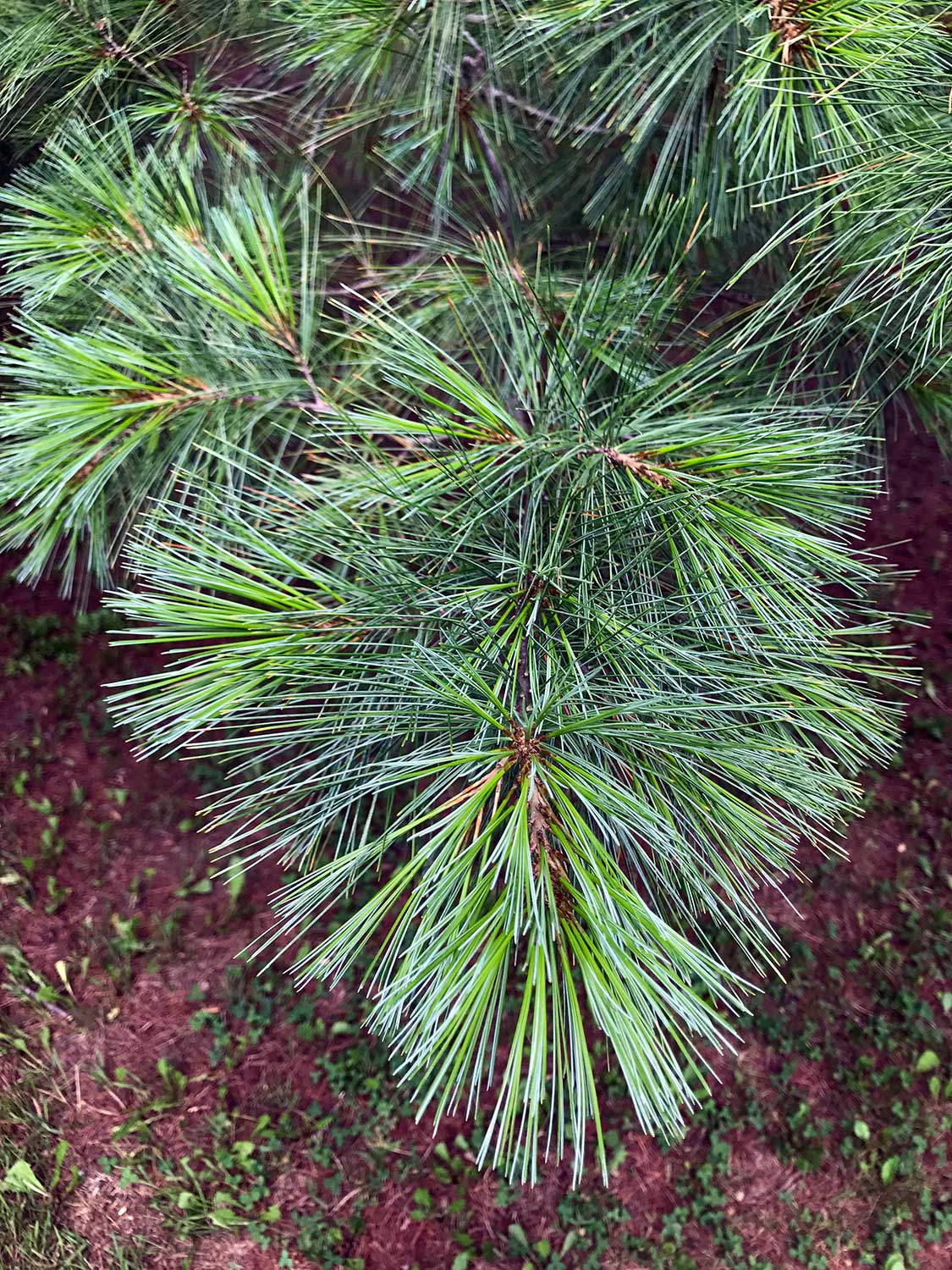
Eastern White Pine – Pinus strobus

Native To State: YES
Naturally Occurring: NO

Description

Pinus strobus (Eastern White Pine) is a large evergreen coniferous tree belonging to the Pinaceae family. Here are some key identification characteristics:

Size and Shape: Eastern white pine is a majestic tree that can reach heights of 80 to 150 feet (24 to 45 meters) or more. It has a tall, straight trunk and a broad, irregular crown with horizontally spreading branches.

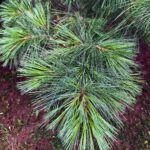
Needles: The needles of Pinus strobus are soft, flexible, and occur in bundles of five. Each needle is slender, measuring about 2.5 to 5 inches (6 to 13 centimeters) long, and has a bluish-green to dark green color.

Cones: The tree produces elongated cones that are around 4 to 8 inches (10 to 20 centimeters) long. The cones have a cylindrical shape and are often slightly curved. When young, they are green, maturing to light brown when ripe.

Bark: The bark of young Eastern white pine trees is smooth and greenish-gray, gradually developing into a darker, reddish-brown or grayish-brown color with broad, flat-topped ridges as the tree ages.

Branches and Twigs: The branches are relatively slender, while the twigs are hairless and usually have a reddish-brown hue.

Habitat: Eastern white pine is native to eastern North America and can be found in a wide range of habitats, including mixed forests, upland areas, and well-drained soils. It prefers slightly acidic soils.

Cultivation: Eastern white pine is highly valued for its ornamental beauty and is planted in parks and large landscapes for its attractive form and soft, graceful appearance.

Other Species: Eastern white pine can be distinguished by its bundles of five needles, soft texture, and distinctive cones.

Eastern white pine has historical significance in North America, having played a vital role in early colonization and the timber industry. Today, it remains a treasured tree for its ecological value and aesthetic appeal.

Occurrence
Many planted in a 3 acre area in 1987 and 1988, but none survived. Some large specimens did survive in the farm yard. One planted in the north west corner is now a large tree. Several trees in have been planted around the property in the past decade and are still small and susceptible to deer predation.

Red Pine – Pinus resinosa

Native To State: YES
Naturally Occurring: NO

Description

Pinus resinosa (Red Pine) is a tall evergreen coniferous tree belonging to the Pinaceae family. Here are some key identification characteristics:

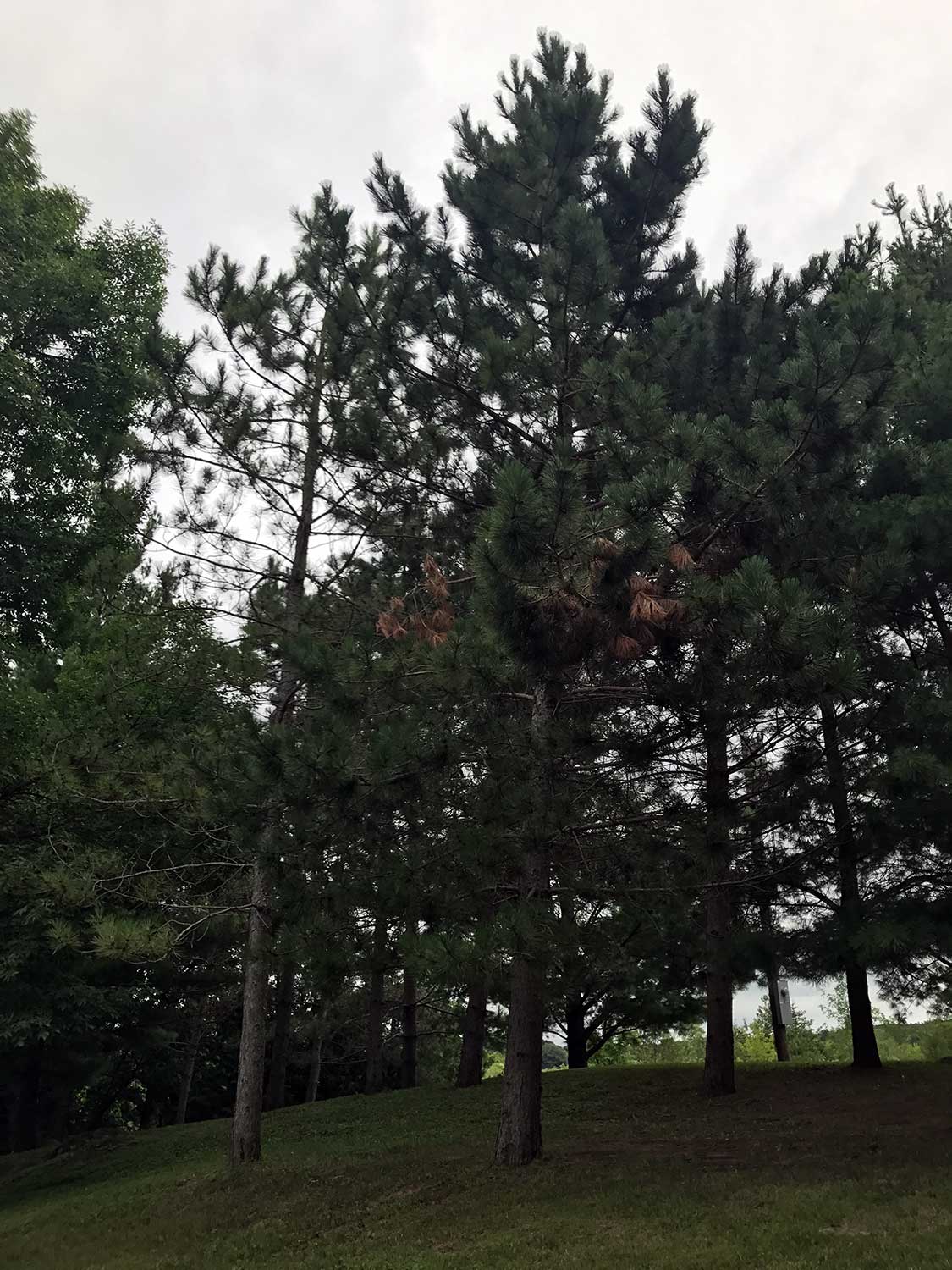
Size and Shape: Red pine is a large tree that typically reaches heights of 66 to 115 feet (20 to 35 meters). It has a straight, tall trunk with a relatively uniform crown and branches that spread horizontally.

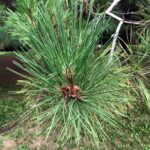
Needles: The needles of Pinus resinosa are needle-like and occur in bundles of two. Each needle is about 4 to 6 inches (10 to 15 centimeters) long, and they have a reddish-brown to dark green color.

Cones: The tree produces large and distinctive cones that measure around 2.5 to 4 inches (6 to 10 centimeters) long. The cones have a conical shape and are reddish-brown when mature. The scales of the cones are tipped with small, curved prickles.

Bark: The bark of young red pine trees is smooth and grayish, often becoming reddish-brown and developing thick, scaly plates as the tree matures.

Branches and Twigs: The branches of red pine are relatively stout, and the twigs are often covered with a thin, white, waxy coating.

Habitat: Red pine is native to North America and can be found in various habitats, including sandy soils and rocky areas. It is often associated with mixed forests and grows well in cooler climates.

Cultivation: Due to its rapid growth and straight trunk, red pine has been widely planted for reforestation and timber production. It is an important commercial timber species.

Other Species: Red pine is relatively easy to identify due to its long needles in bundles of two and unique reddish-brown cones.

Red pine is valued for its timber, which is used in construction, furniture making, and various other applications. It is also planted in reforestation efforts to restore forests and provide valuable wood resources.

Occurrence
Many planted in a 3 acre area in 1987 and 1988. Trees at that time were also planted in the north west corner of the property and in the yard and in some places in the former pasture.

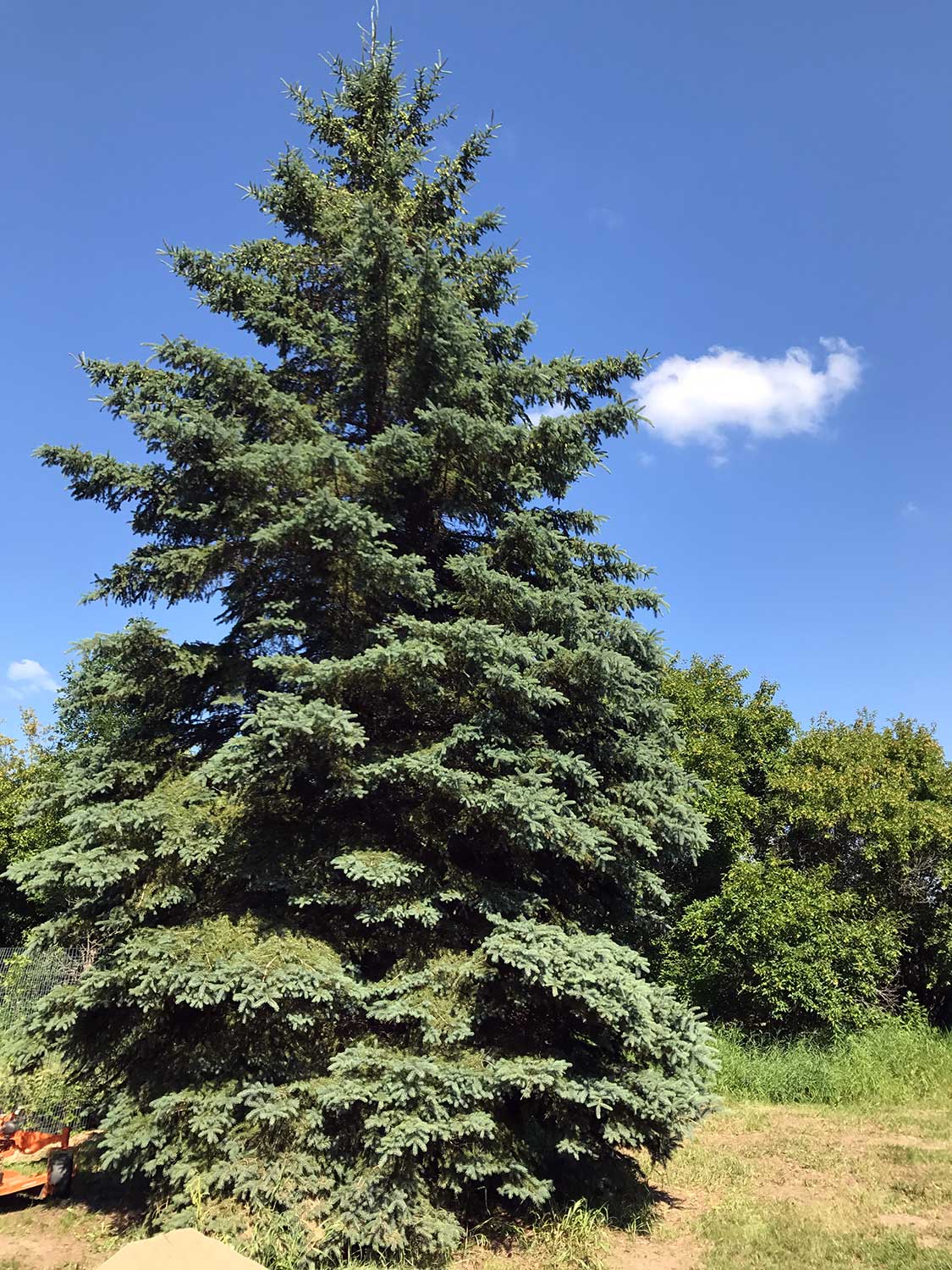
Blue Spruce – Picea pungens

Native To State: NO
Naturally Occurring: NO

Description

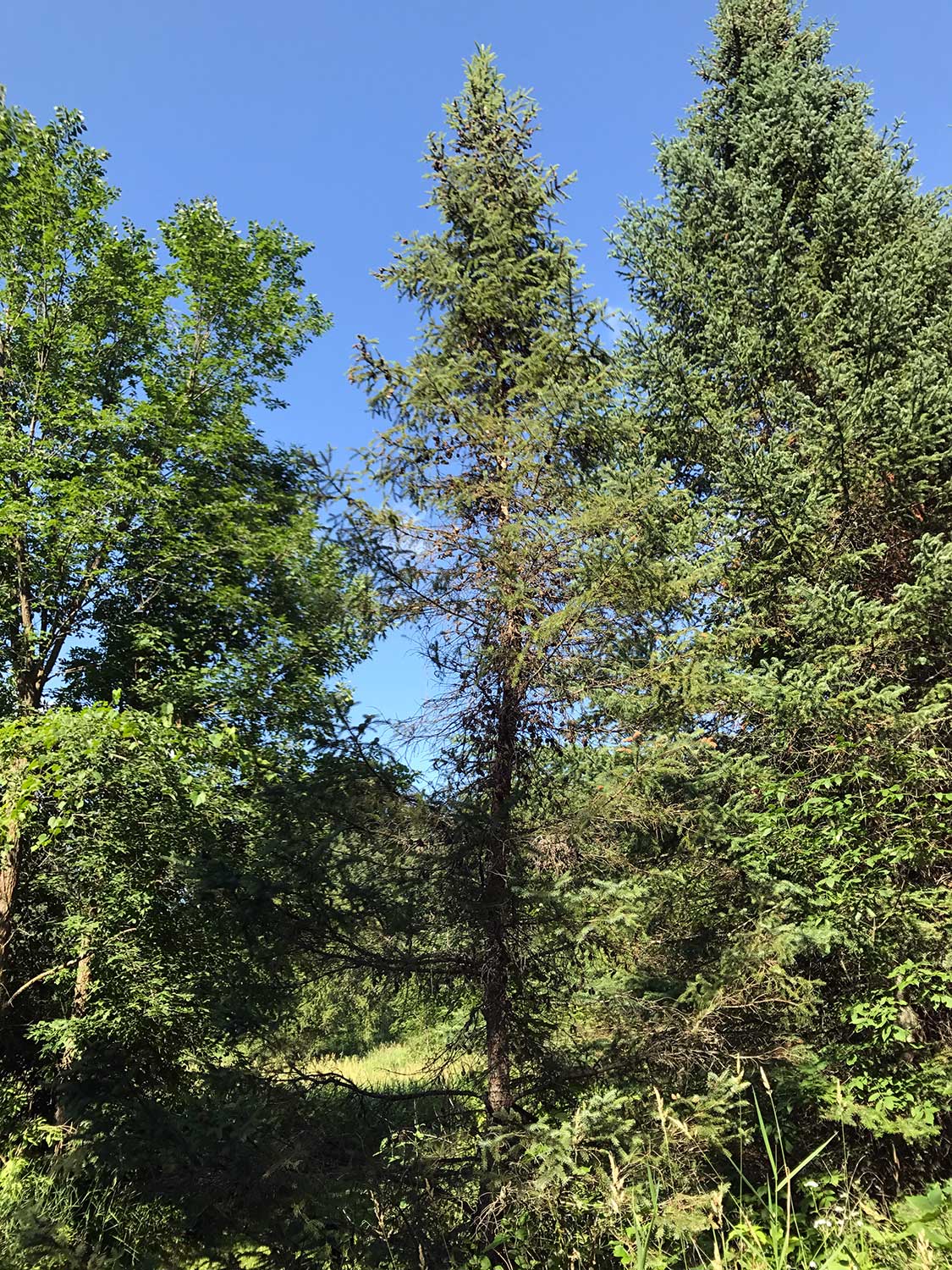
Picea pungens (Colorado blue spruce) is a tall evergreen coniferous tree belonging to the Pinaceae family. Here are some key identification characteristics:

Size and Shape: Colorado blue spruce is a large tree that can reach heights of 50 to 100 feet (15 to 30 meters). It has a distinct conical shape with dense, horizontally spreading branches.

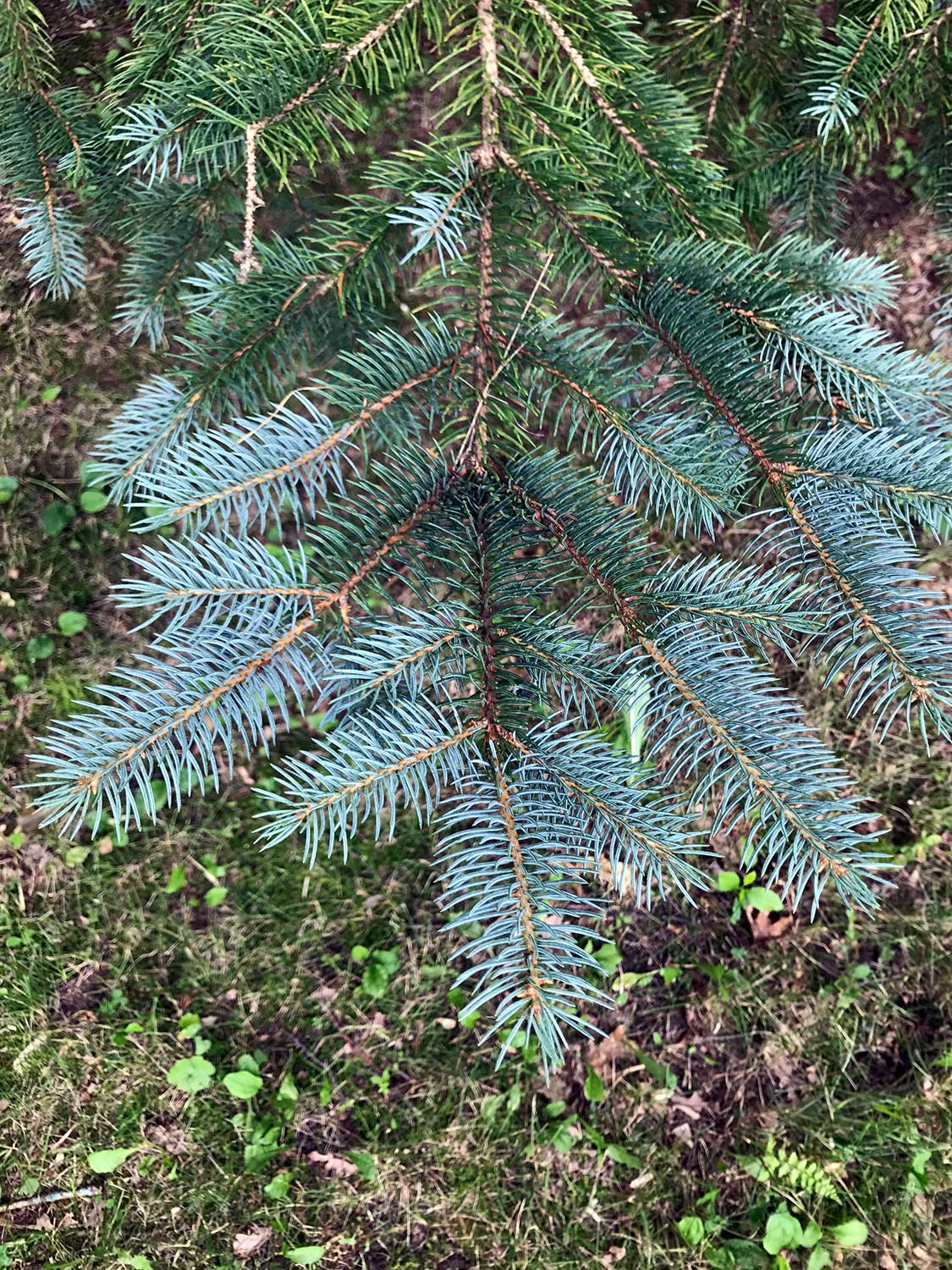
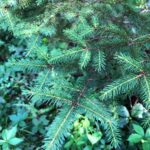
Needles: The needles of Picea pungens are stiff, sharp, and needle-like. They are arranged spirally on the branches and have a vibrant blue to silvery-blue color, which gives the tree its name.

Cones: The tree produces cylindrical cones that hang downward from the branches. The cones are relatively large, measuring about 2 to 4 inches (5 to 10 centimeters) long. When young, they have a purple hue, but as they mature, they turn brown.

Bark: The bark of young Colorado blue spruce trees is typically smooth, gray, and dotted with resin blisters. As the tree matures, the bark becomes rougher, developing fissures and turning grayish-brown.

Branches and Twigs: The branches are sturdy and slightly pendulous, while the twigs are hairless and have a reddish-brown to gray color.

Habitat: Colorado blue spruce is native to the western United States, primarily found in the Rocky Mountains and surrounding areas. It thrives in well-drained soils and is often seen in mountainous regions.

Cultivation: Due to its striking blue color and attractive shape, Colorado blue spruce is a popular ornamental tree in landscaping and is cultivated in various regions worldwide.

Other Species: While Colorado blue spruce is one of the most well-known and widely planted spruce species, it is essential to distinguish it from other spruces based on its unique blue-colored needles.

Colorado blue spruce is highly valued for its ornamental beauty and is frequently used as a focal point in landscapes, parks, and gardens. Its striking blue hue and graceful form make it a favorite choice for many gardeners and homeowners.

Occurrence
Some trees in yard and pasture planted in the 1980’s and 1990’s.

Butternut – Juglans cinerea

Native To State: YES
Naturally Occurring: NO

Description
Smaller than black walnut, seldom more than 30′ to 50′ with a diameter of up to 24″, although in the forest it can attain a height of 80′ with a diameter of 36″; trunk usually divided and forked or crooked; top develops into open, broad crown; may be distinguished from black walnut by velvet collars just above scars left by last year’s leaves.

Occurance
One specimen planted in farm yard in late 1980’s. Several seedlings scheduled to be planted out in 2019.

Black Spruce – Picea mariana

Native To State: YES
Naturally Occurring: NO

Description
Small tree; straight trunk up to 12″ in diameter with somewhat drooping branches; mature tree usually reaches a height of 20′ to 30′, although under favorable conditions, it can attain a height of 70′ to 80′; often associated with tamarack, balsam fir, and white cedar. In cold swamps the growth is practically stagnant and trees 2″ in diameter have been found to be 127 years old.

Occurrence
Several specimens planted around the main marsh in the late 1980’s and early 1990’s.

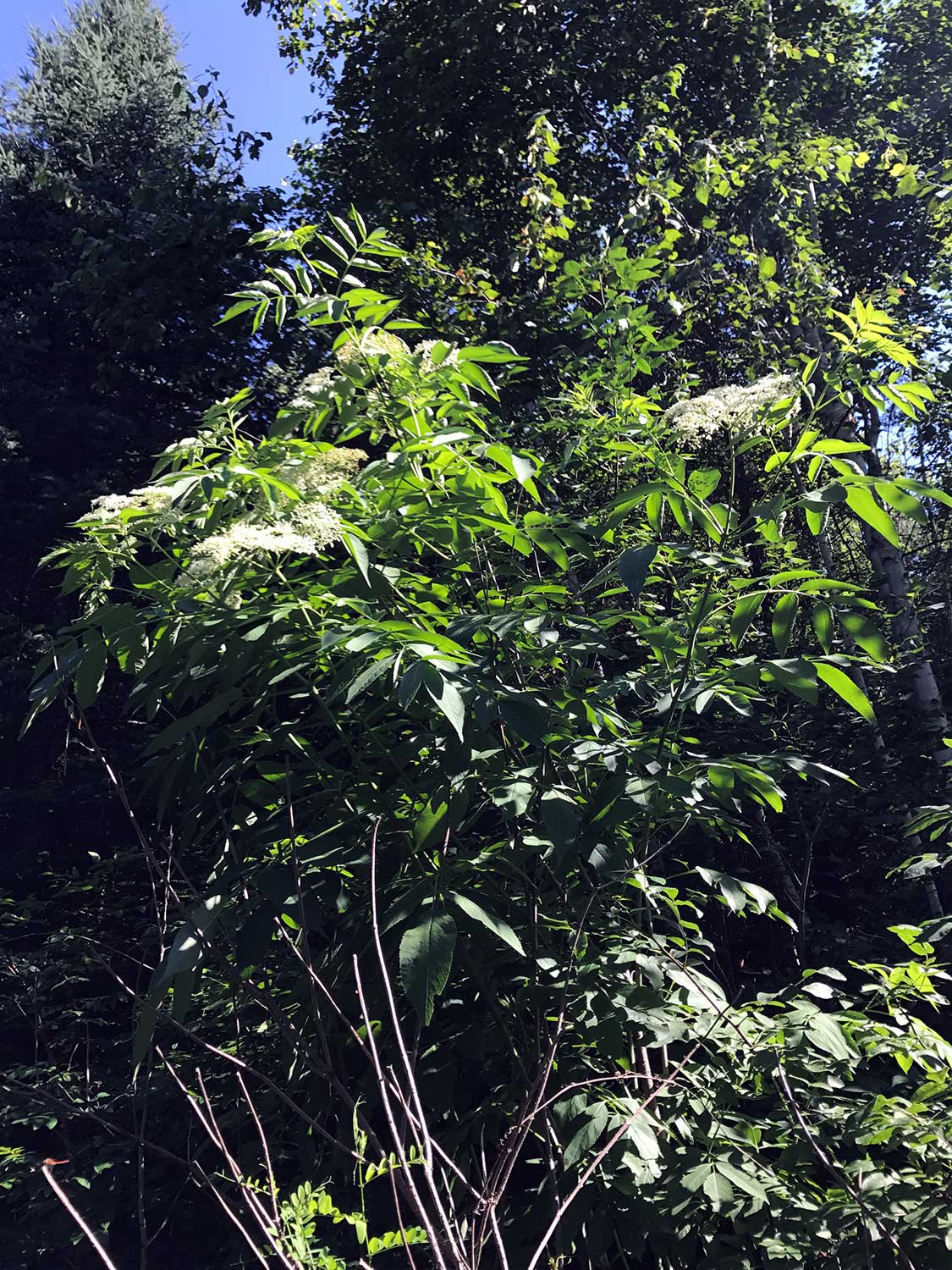
Black Elderberry – Sambucus nigra

Native To State: YES
Naturally Occurring: NO

Description

Sambucus nigra, or elderberry, is a deciduous shrub or small tree belonging to the Adoxaceae family. Here are some key identification characteristics:

Size and Growth: Elderberry typically grows as a multi-stemmed shrub, reaching heights of 6 to 12 feet (1.8 to 3.6 meters). Occasionally, it can grow as a small tree up to 20 feet (6 meters) tall.

Leaves: The leaves are compound, opposite, and pinnately divided into 5 to 9 leaflets. Each leaflet is ovate and sharply serrated along the edges. The leaf color is dark green.

Flowers: Elderberry produces large, flat-topped clusters of creamy white to ivory flowers. These fragrant flowers have five petals and bloom in late spring to early summer.

Fruit: The fruit of Sambucus nigra is a small, dark purple to black berry, commonly known as elderberries. The berries are clustered in drooping bunches and are edible when fully ripe. They are commonly used to make jams, syrups, and other culinary delights.

Bark: Young stems have a smooth and greenish-brown bark, while older branches develop rough and grayish bark with corky ridges.

Habitat: Elderberry is native to Europe and North America and can be found in a variety of habitats, including woodlands, hedgerows, and stream banks. It often thrives in moist and fertile soils.

Distribution: The species has a broad distribution range, occurring across various regions of Europe and North America.

Other Species: There are other species of elderberry, but Sambucus nigra is one of the most commonly recognized and cultivated for its culinary and medicinal uses.

Elderberry has a long history of traditional uses, with both its flowers and berries having culinary and medicinal applications. However, it’s essential to note that not all parts of the elderberry plant are edible, and some parts can be toxic. Therefore, it’s crucial to be certain about its identification and proper use before consuming or using elderberry for any purpose. If in doubt, consult an expert or reliable field guide for confirmation.

Occurrence
One established specimen along the main trail south of the marsh planted in 2013.

White Spruce – Picea glauca

Native To State: YES
Naturally Occurring: NO

Description

Size and Shape: White spruce is a medium to large-sized tree, typically reaching heights of 40 to 80 feet (12 to 24 meters) or more. It has a conical or pyramidal shape with dense, ascending branches.

Needles: The needles of Picea glauca are needle-like and evergreen. They are arranged spirally on the branches and are usually bluish-green or grayish-green in color. Each needle is about 0.5 to 0.75 inches (1.3 to 1.9 cm) long and has four sides, which helps differentiate it from other similar species.

Cones: The tree produces small, cylindrical cones that hang downward from the branches. The cones are typically 1.5 to 2.5 inches (3.8 to 6.4 cm) long and initially have a green or purplish color, which matures to light brown when ripe. The scales of the cones are flexible.

Bark: The bark of young white spruce trees is smooth and grayish-green, while in older trees, it becomes rough, thick, and scaly, ranging from gray to reddish-brown.

Branches and Twigs: The branches are slender, often slightly pendulous, and have a reddish-brown to grayish color. The twigs are slender, hairless, and have a slightly resinous aroma when crushed.

Habitat: Picea glauca is native to North America and can be found in various habitats, including boreal forests, subalpine zones, and wetlands. It is adaptable to different soil types, including well-drained and acidic soils.

Distribution: The species has a wide distribution range, covering northern parts of North America, including Canada and Alaska, and extending into the northeastern United States.

Similar Species: Picea glauca may be confused with other spruce species, particularly with Picea mariana (black spruce) and Picea engelmannii (Engelmann spruce). Paying attention to needle length, cone characteristics, and habitat can help differentiate between these species.

Occurrence
The oldest and largest tree died in 2015. Many others planted in 1987/1988 are good sized trees today – primarily found around the main pine grove.

Northern Catalpa – Catalpa speciosa

Native To State: NO
Naturally Occurring: NO

Description

Appearance: Catalpa speciosa is a deciduous tree known for its large, heart-shaped leaves and showy, trumpet-shaped white flowers.

Leaves: The leaves are large, heart-shaped, and typically clustered at the branch tips.

Flowers: It produces showy, white, trumpet-shaped flowers.

Fruit: The tree bears long, slender pods containing seeds.

Habitat: It is commonly found in a variety of habitats, including woodlands and urban areas.

Distribution: Northern catalpa is native to North America.

Occurrence
One specimen planted along farm yard driveway.

Sawtooth Aspen – Populus grandidentata

Native To State: YES
Naturally Occurring: YES

Description

Appearance: Populus grandidentata is a deciduous tree known for its rounded leaves with big teeth along the margins.

Leaves: The leaves are rounded and have large teeth along the margins.

Bark: The bark is smooth and grayish-green, with white markings.

Habitat: It is commonly found in mixed woodlands and on hillsides.

Distribution: Bigtooth aspen is native to North America.

Occurrence
One large tree in farm yard. A population of Sawtooth Aspen occur on the western side of the large brush island.