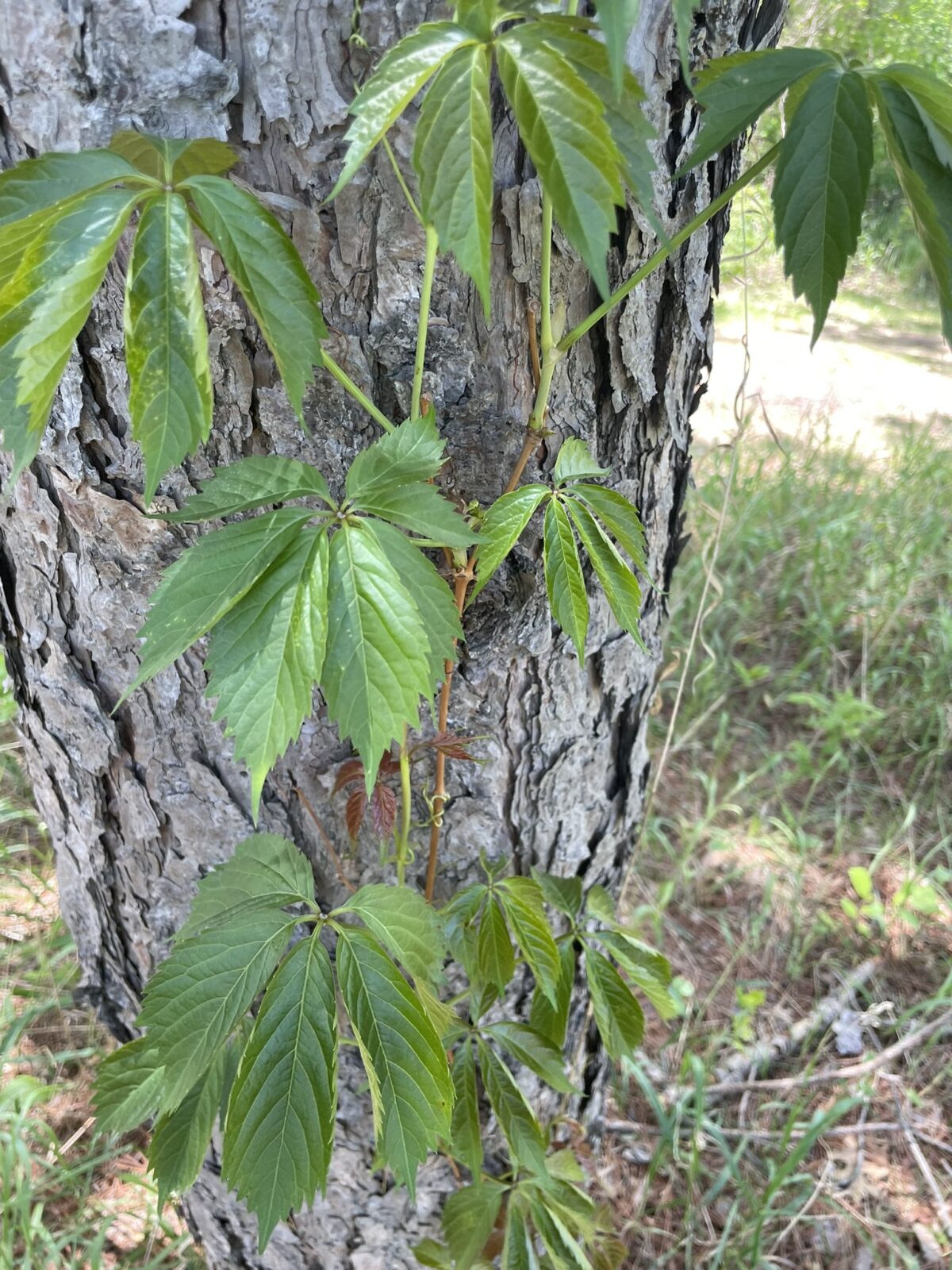
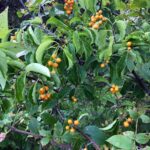
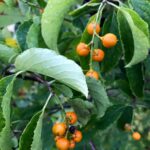
Woodbine (Parthenocissus inserta)

Native To State: YES
Naturally Occurring: YES

Description

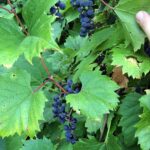
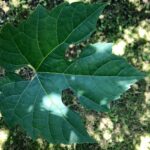
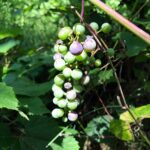
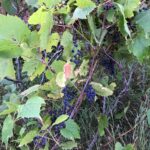
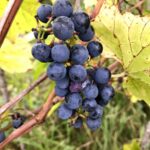
Appearance: Sprawling vine which climes up into trees or runs along the ground. Can be invasive and make traversing an area difficult. The blue berries resemble grapes, but are inedible. The berries are not in clusters like grapes but are found individually at the end of a bright red branching stem.

Distribution: Native to North America.

Occurrence
Widespread throughout the property

Canada Moonseed – Menispermum canadense

Native To State: YES
Naturally Occurring: NO

Description

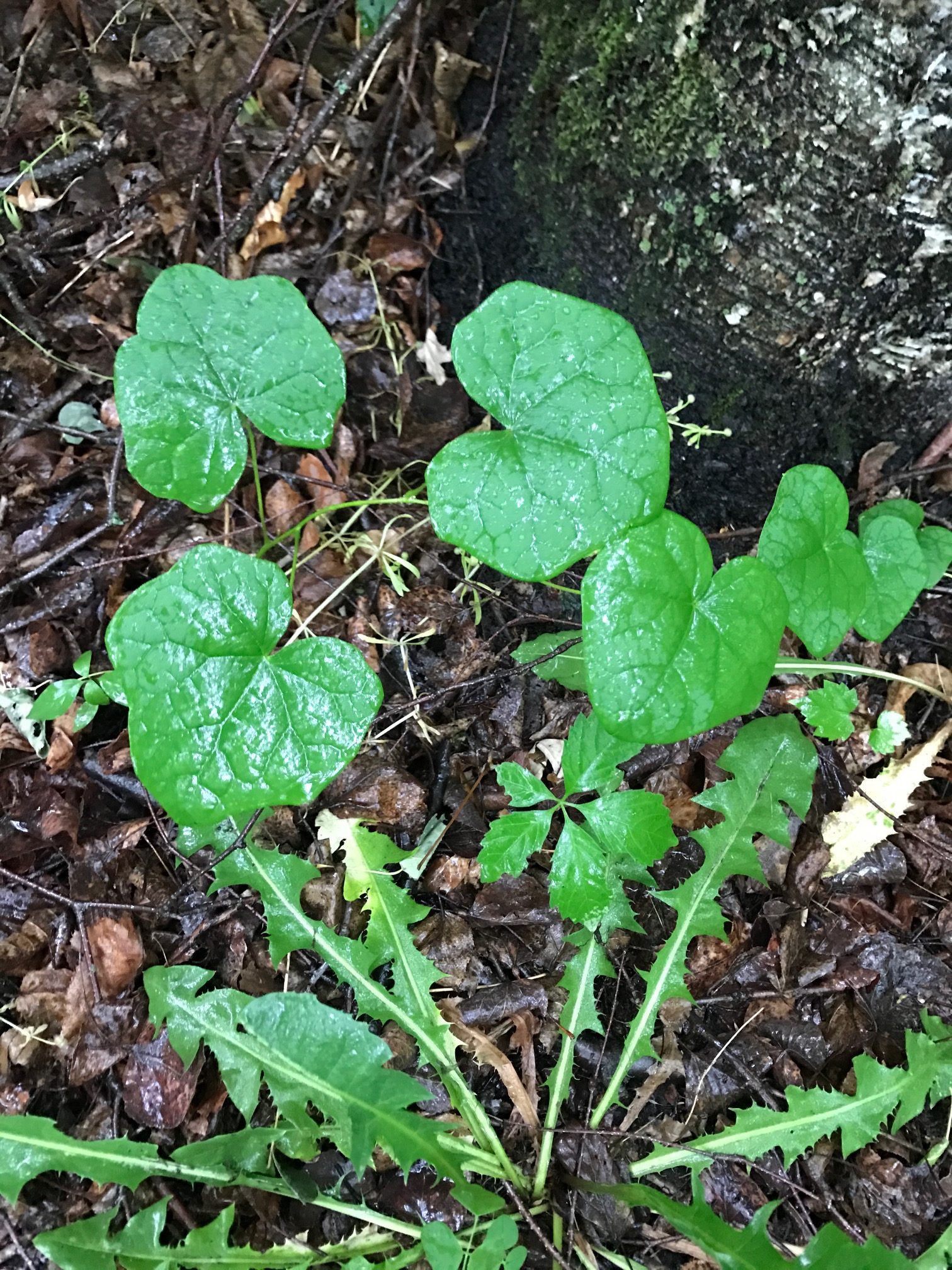
Appearance: Menispermum canadense is a woody vine known for its palmately lobed leaves and small, greenish-yellow flowers.

Leaves: The leaves are alternate, palmately lobed, and resemble the shape of a moon.

Flowers: The plant produces small, greenish-yellow, inconspicuous flowers.

Habitat: It is commonly found in woodlands, thickets, and along stream banks.

Distribution: Canadian moonseed is native to North America.

Occurrence
Planted in fern area and large brush island

Wild Cucumber – Echinocystis lobata

Native To State: YES
Naturally Occurring: YES

Description

Appearance: Wild cucumber is a vigorous annual vine that can climb and sprawl over nearby vegetation.

Leaves: The leaves of Echinocystis lobata are alternate, palmately lobed with five shallow lobes, and roughly triangular in shape.

Flowers: The plant produces small, greenish-white flowers in clusters, which are not as showy as those of some other cucurbit species.

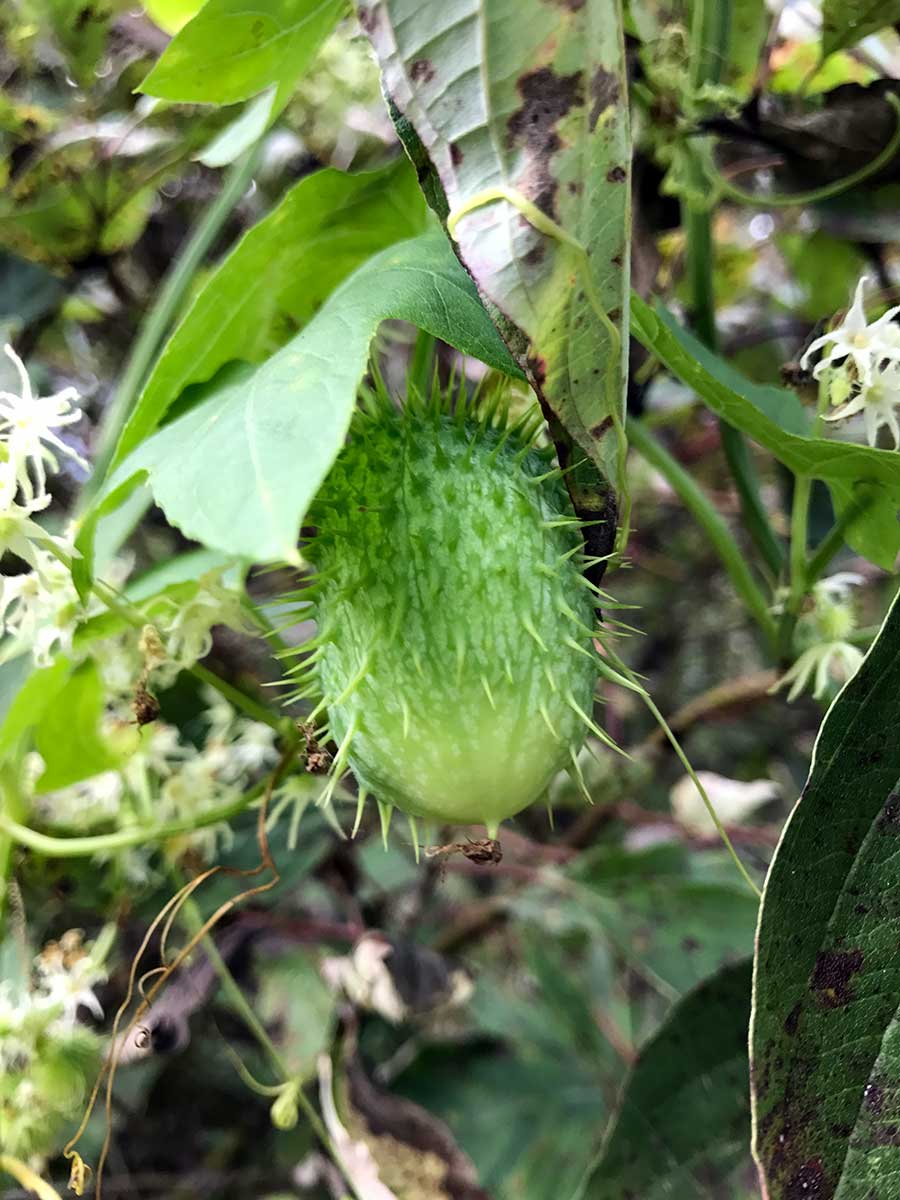
Fruits: After flowering, wild cucumber forms large, spiny, and balloon-like fruits that give rise to its common name “wild cucumber.”

Habitat: This species is native to various regions of North America and can be found in a variety of habitats, including woodlands, thickets, and along stream banks.

Distribution: Wild cucumber is found in regions ranging from eastern Canada to the central and eastern parts of the United States.

Conservation: Echinocystis lobata is not considered a threatened species, and its rapid growth contributes to its ecological role in covering open areas and providing shelter for wildlife.

Other Species: Echinocystis lobata is part of the Echinocystis genus, which includes other cucumber species with diverse characteristics.

Wild cucumber is appreciated for its rapid and exuberant growth, making it a captivating sight as it climbs and spreads across its surroundings. While not commonly cultivated in gardens, it is a valuable native plant in natural

Occurrence
Found sporadically throughout the property
Common Hops – Humulus lupulus

Native To State: YES
Naturally Occurring: YES

Description

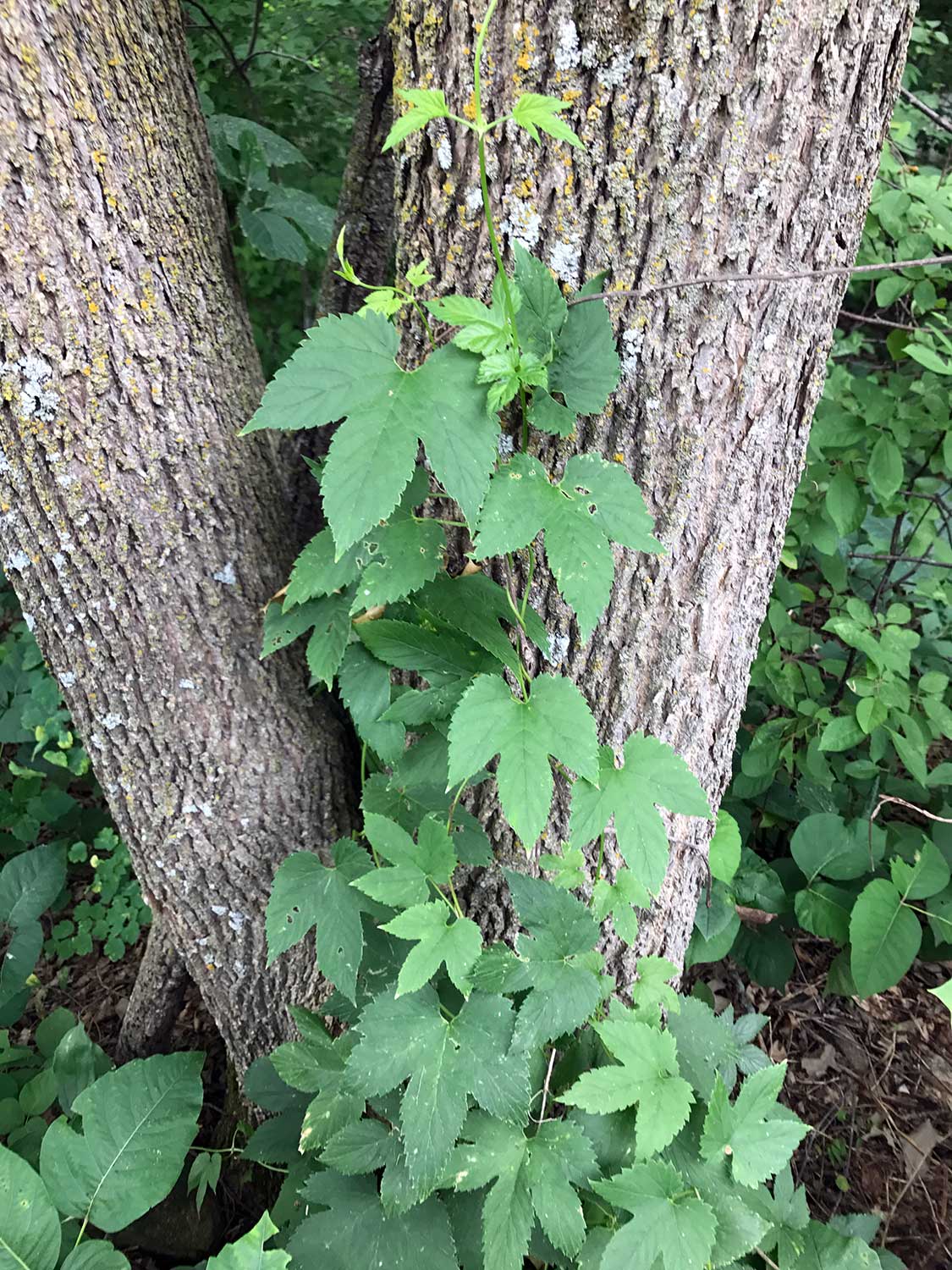
Appearance: Humulus lupulus is a vigorous, climbing herbaceous plant known for its lobed leaves and cone-like structures.

Leaves: The leaves are palmately lobed and serrated along the margins.

Flowers: The plant produces small, greenish-yellow flowers that are inconspicuous. However, it is best known for the cone-like structures that develop later, which are used in brewing.

Habitat: It is often cultivated for use in brewing beer and can also be found growing wild in moist areas along streams and rivers.

Distribution: Common hop is native to Europe and Asia but is now cultivated in various regions worldwide.

Occurrence
Found sporadically throughout the property
Wild Honeysuckle – Lonicera dioica

Native To State: YES
Naturally Occurring: YES

Description

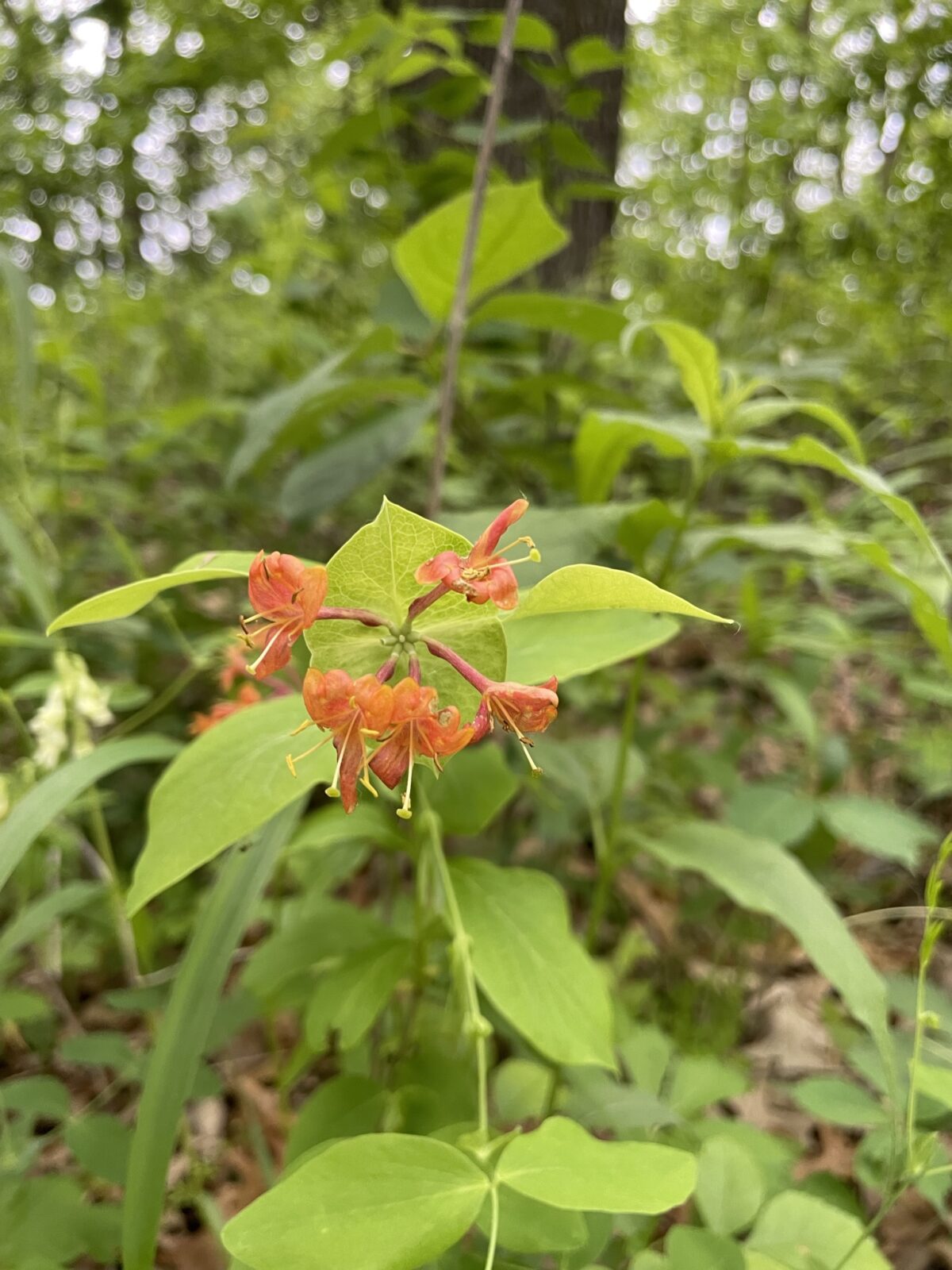
Appearance: Lonicera dioica is a deciduous vine known for its paired, tubular flowers and opposite leaves.

Leaves: The leaves are opposite, elliptical, and smooth-edged.

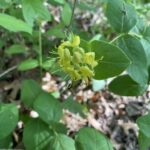
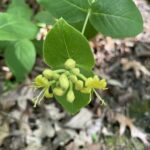
Flowers: The plant produces paired, tubular flowers with yellow to orange-red coloration.

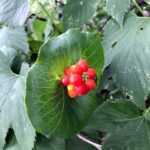
Fruit: It bears small, red berries.

Habitat: It is commonly found in woodlands, thickets, and along streams.

Distribution: Limber honeysuckle is native to North America.

Occurrence
Found in various places on the property

Riverbank Grape – Vitis riparia

Native To State: YES
Naturally Occurring: YES

Description

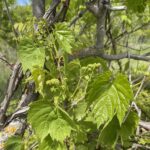
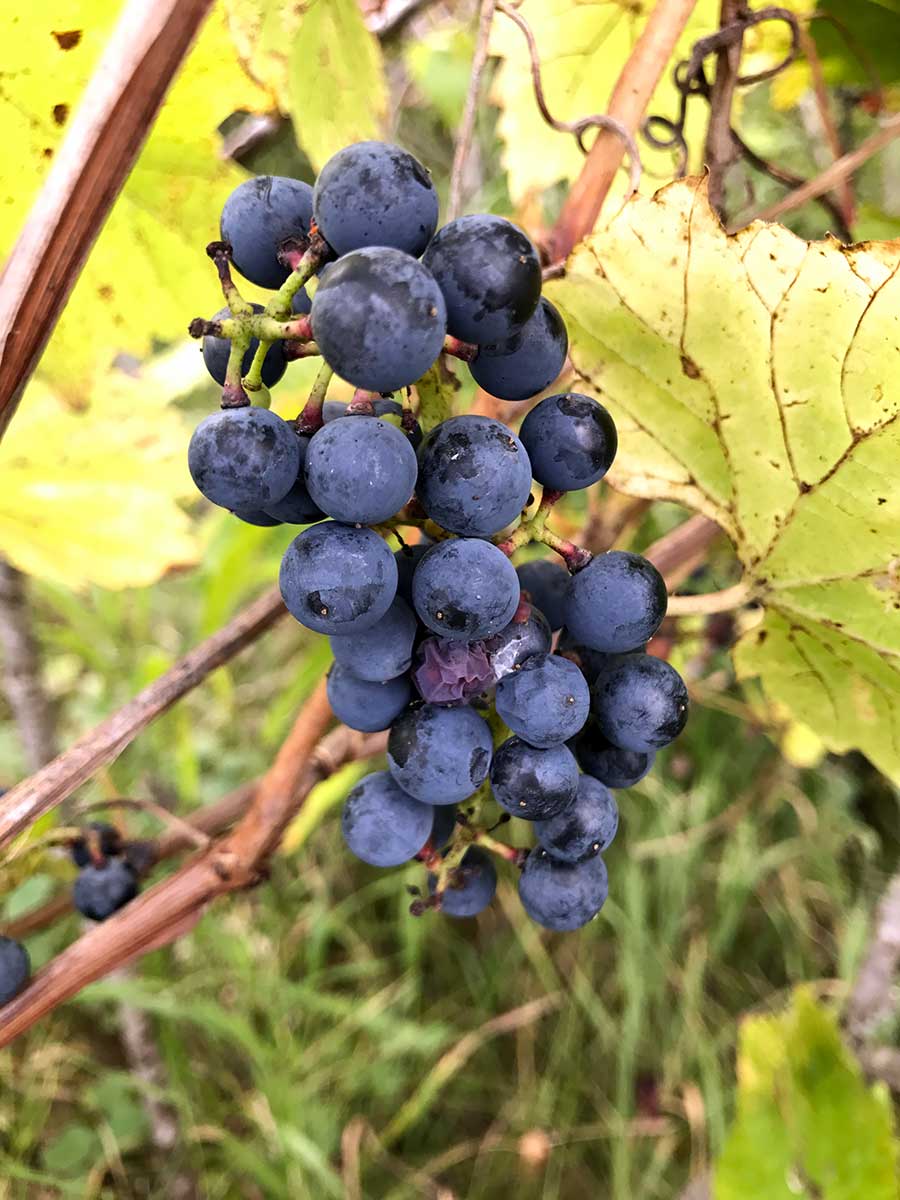
Appearance: Vitis riparia is a woody vine known for its compound leaves and clusters of small, greenish flowers that develop into grapes.

Leaves: The leaves are compound with toothed leaflets.

Flowers: The plant produces small, greenish flowers in clusters.

Fruits: It forms clusters of grapes that are green when young and turn purple when ripe.

Habitat: It is commonly found in woodlands and along riverbanks.

Distribution: Wild grape is native to North America.

Occurrence
Found throughout the property
American Bittersweet – Celastrus scandens

Native To State: YES
Naturally Occurring: YES

Description

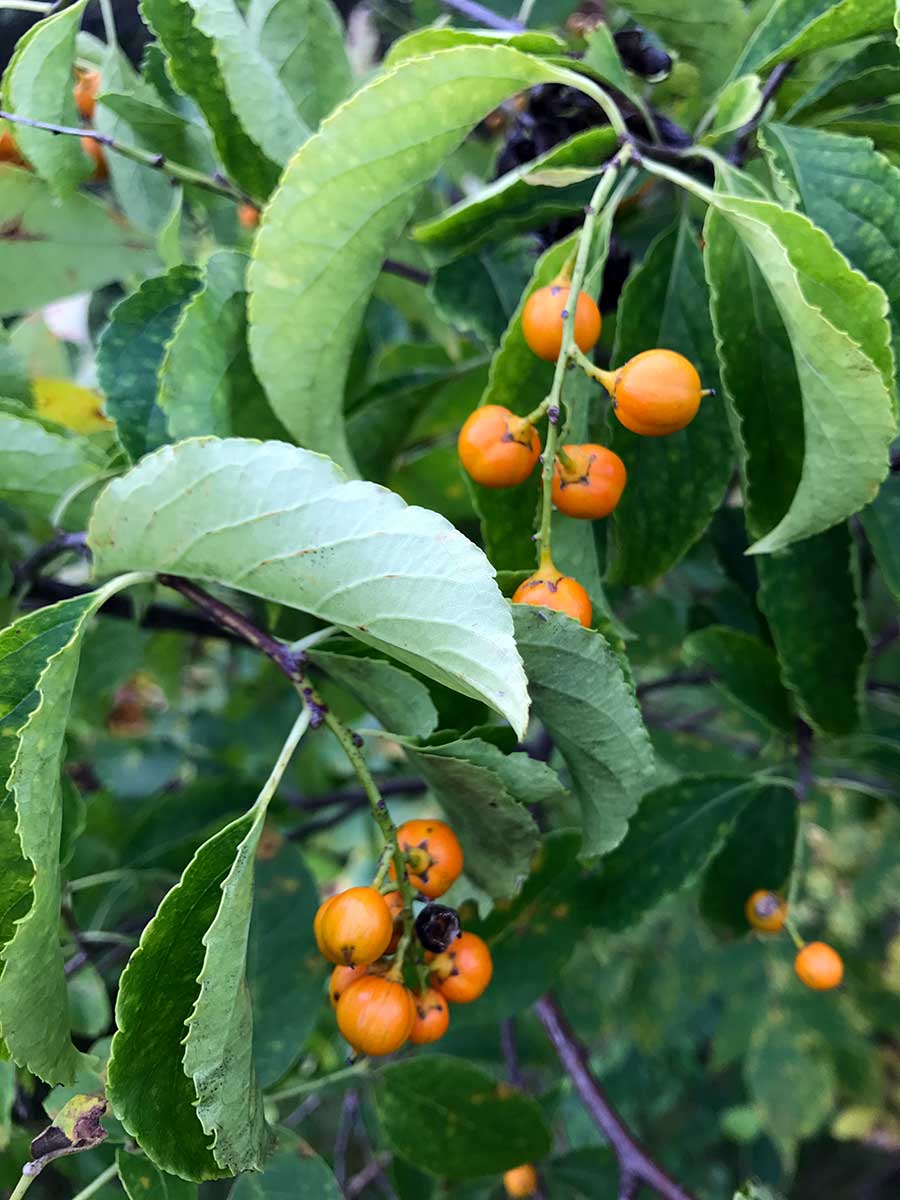
Appearance: Celastrus scandens is a woody vine known for its compound leaves and bright orange fruits.

Leaves: The leaves are compound with toothed leaflets.

Fruits: It produces bright orange capsules that split open to reveal red seeds.

Habitat: It is commonly found in woodlands and along edges of forests.

Distribution: American bittersweet is native to North America.

Occurrence
Found throughout the property