
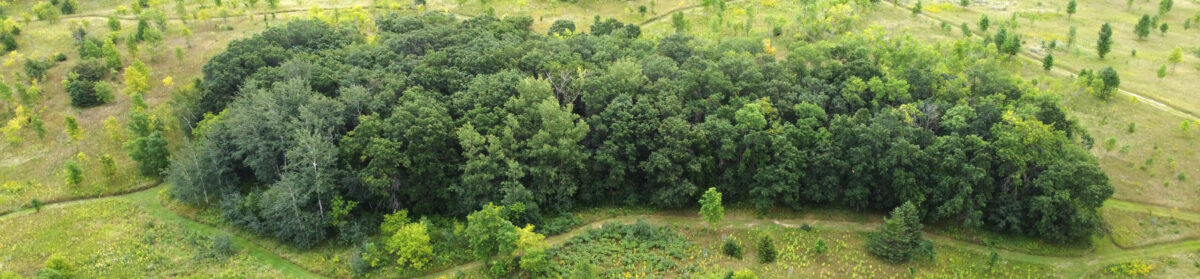
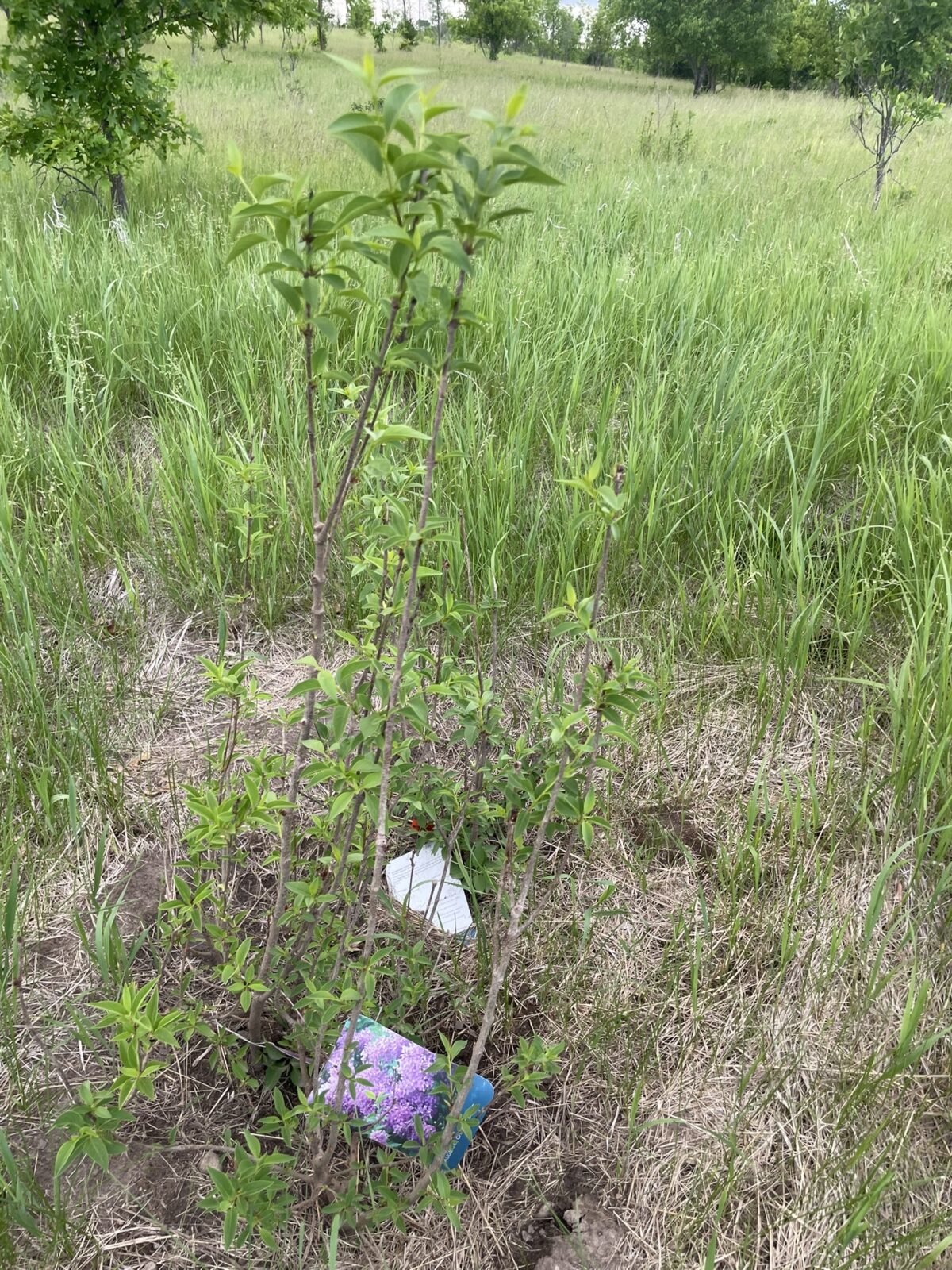
A variety of Chinese lilac having the same characteristics of Chinese lilac except for the flower color. The blossoms are lilac-red, darker than the species, giving the plant a richer more attractive flower.
Author: admin
Albert F. Holden Lilac (Syringa vulgaris ‘Albert F. Holden’)
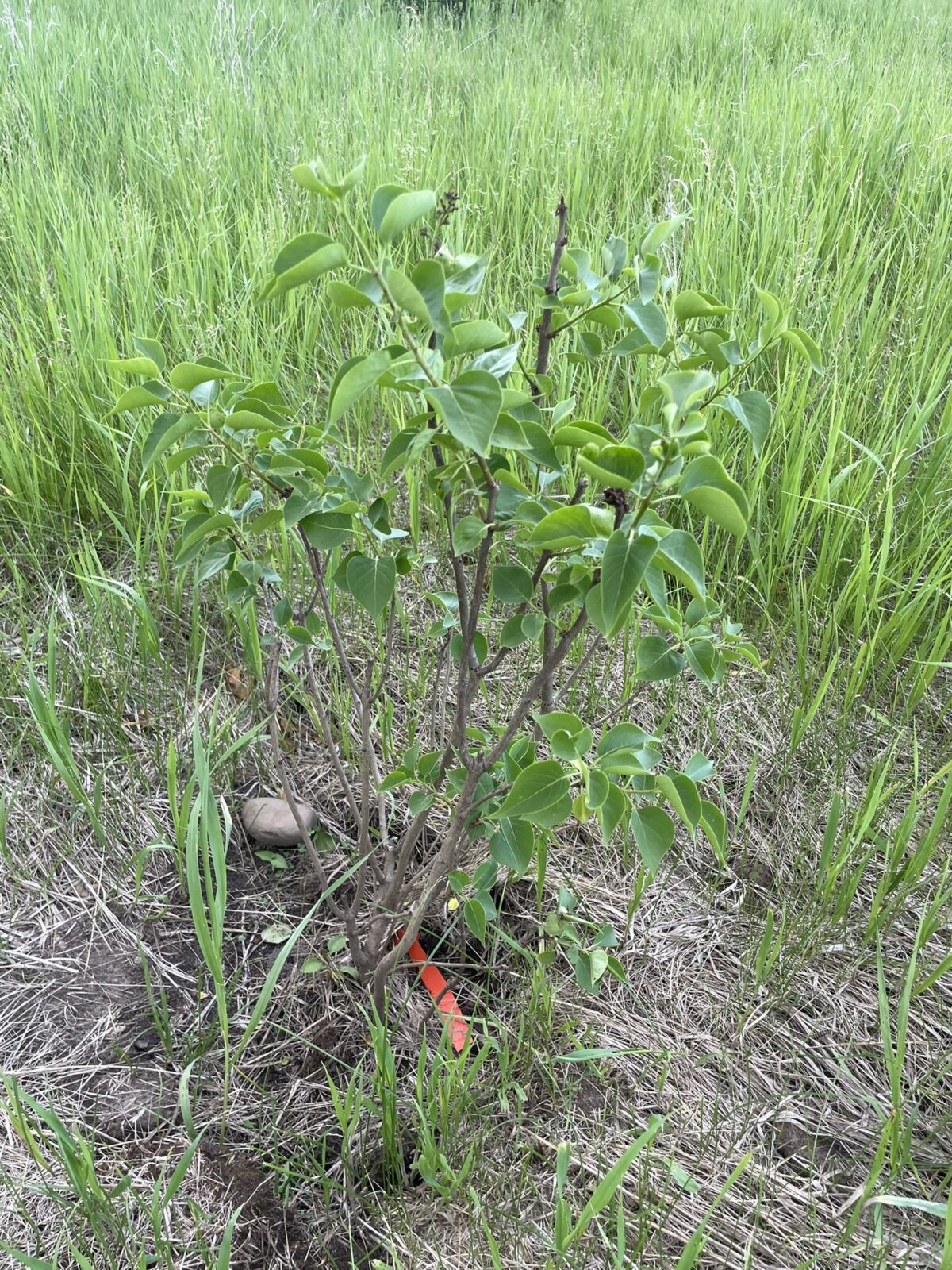
The deep violet blooms of this Father Fiala introduction possess a silvery blush on the reverse of the petals, thus giving it a bicolor effect. The loosely open flower panicles are large with a nice fragrance. This lilac is resistant to powdery mildew and rarely to never fed on by Japanese beetles.
Miss Canada Lilac (Syringa ‘Miss Canada’)
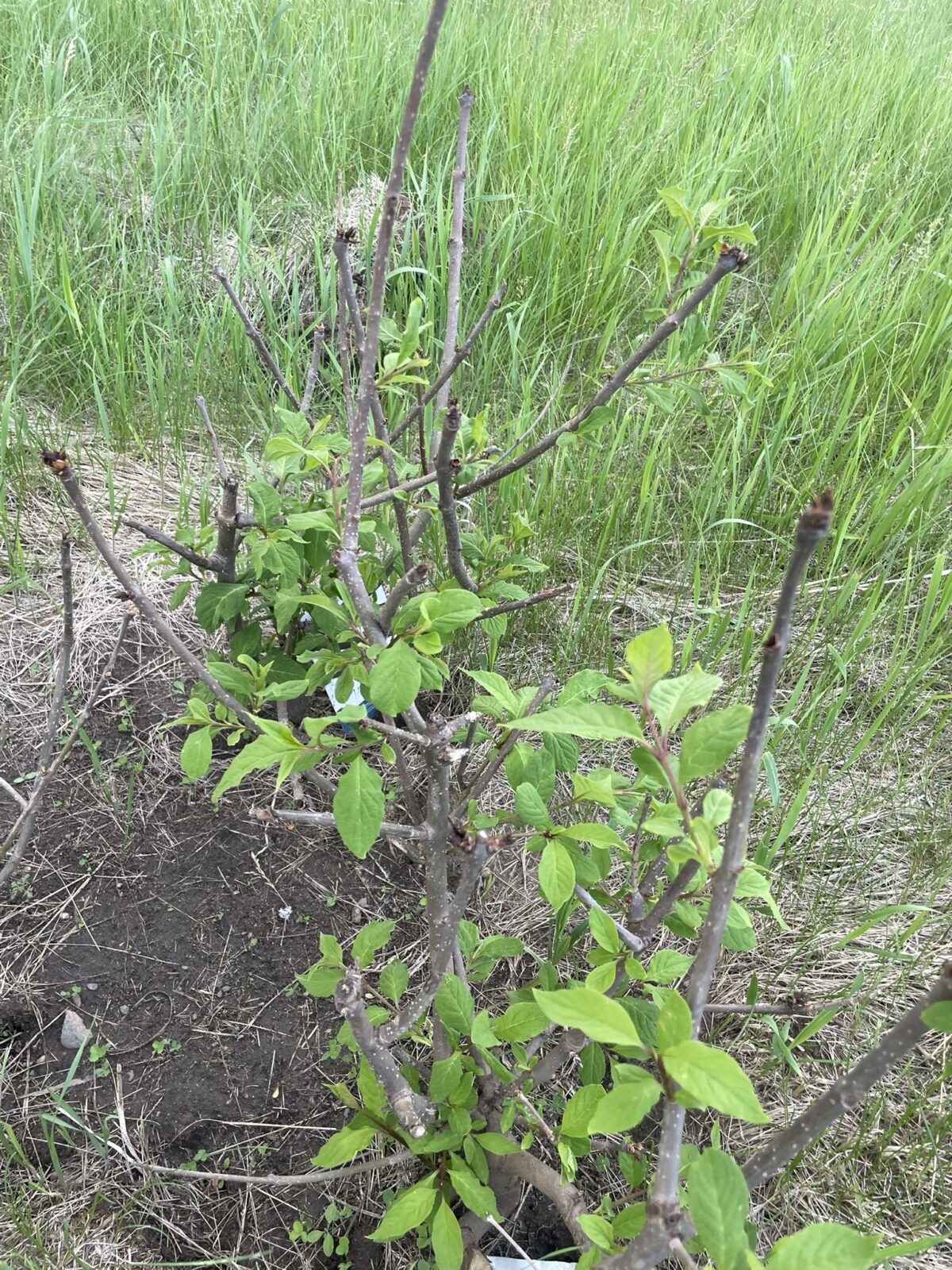
The brightest pink of all late flowering lilacs, this vigorous and nonsuckering lilac blooms prolifically in mid-June with single, rose flowers. The foliage is larger than that of other lilacs in this group. This outstanding lilac is extremely hardy.
Dream Cloud Manchurian Lilac (Syringa patula ‘KLMone’)
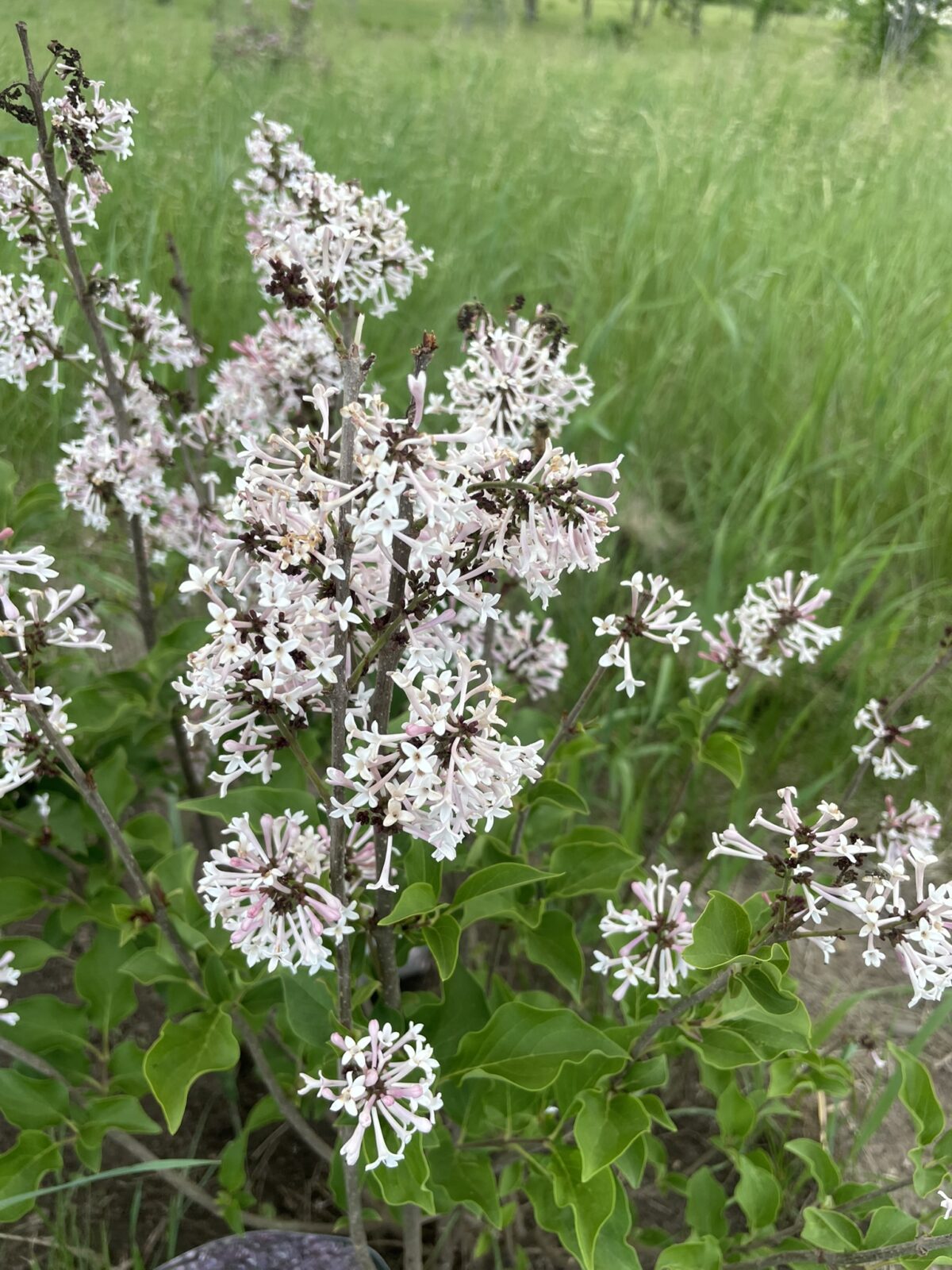
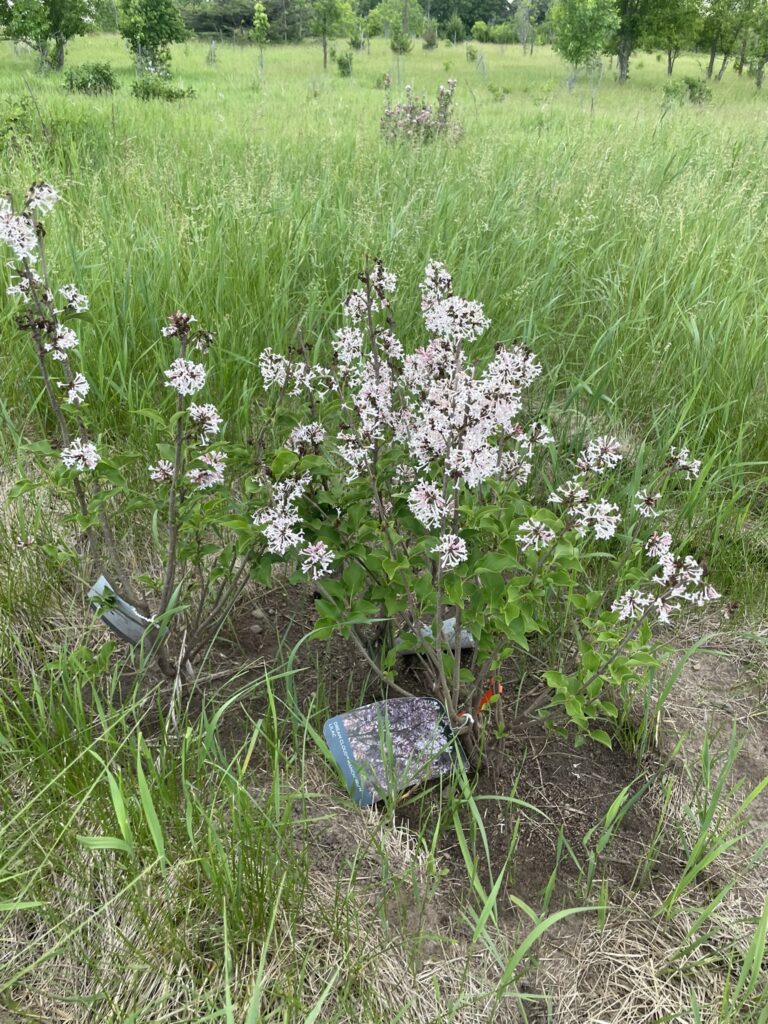
This dense-growing Manchurian lilac is destined for the clouds! A different color than the species, in early summer you’ll find Dream Cloud™ covered in fluffy panicles of pink flowers – so much so that there’s hardly a trace of the leaves to be seen. A spectacular sight to see, these blooms measure 12” long x 9” wide! As summer wanes, cooler nights produce a rich, purple, fall color – yet another nuance that adds one more season of interest. This plant is truly a winner: more resistant to powdery mildew and root rot diseases than other lilacs on the market, Dream Cloud™ should be an absolute joy to grow! Prune immediately after flowering has finished giving time for next year’s buds to set.
Virtual Violet Lilac (Syringa ‘Bailbridget’)
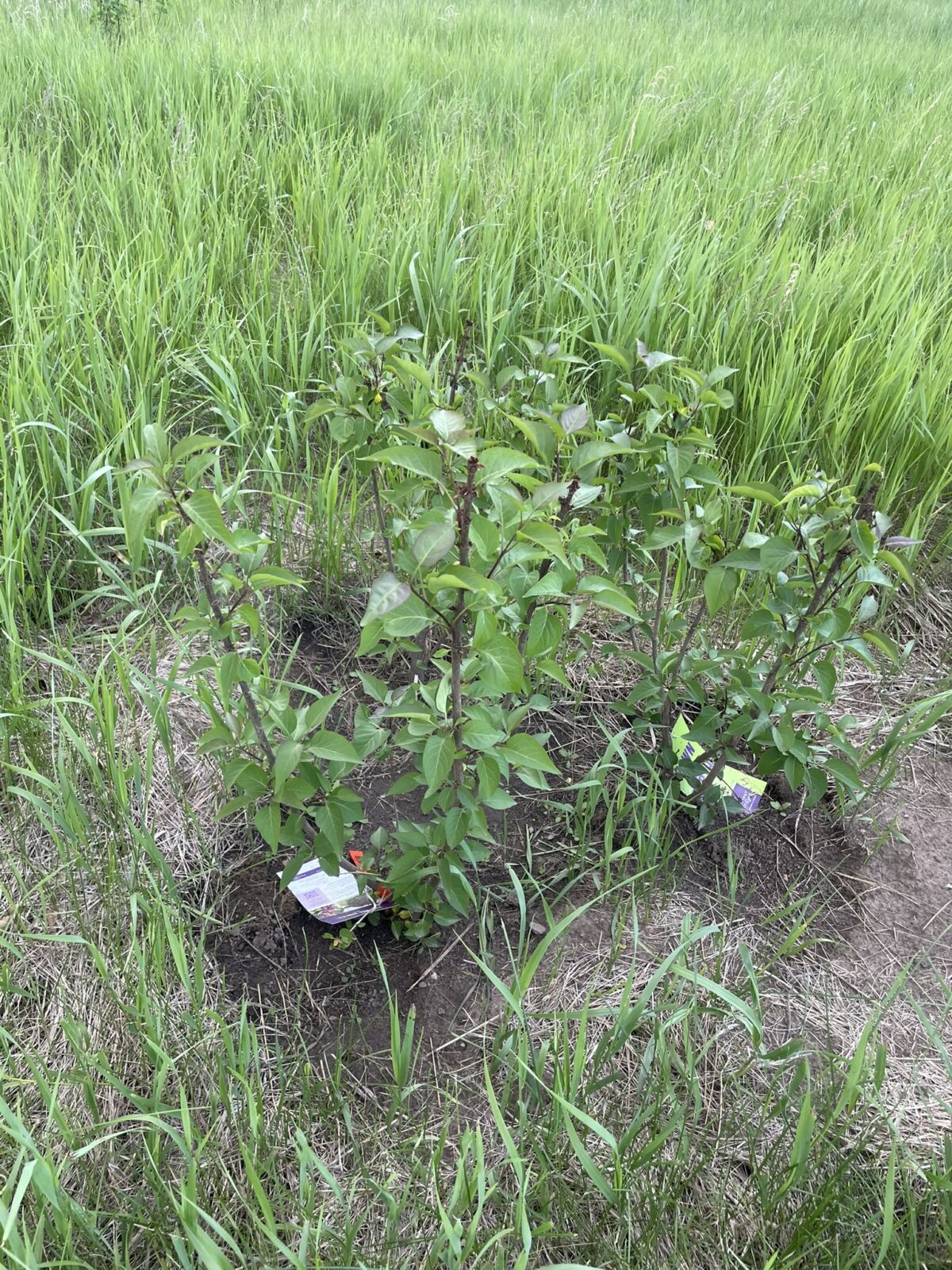
With shiny violet new leaves, deep purple stems, raspberry-purple buds and fragrant violet flowers, Virtual Violet is aptly named. Leaf petioles remain violet well into the summer. The habit is upright instead of rounded and compact. The dense habit makes it a great choice for a hedge in smaller spaces as well as a welcome addition to foundation plantings. Remarkably mildew-free. This is a controlled cross between Charles Joly and two outstanding National Arboretum varieties.
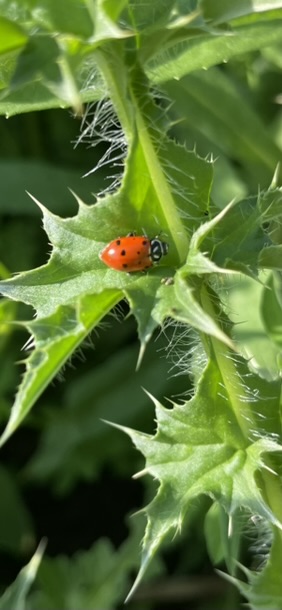
Convergent Ladybug (Hippodamia convergens)
Robin’s Plantain (Erigeron pulchellus)
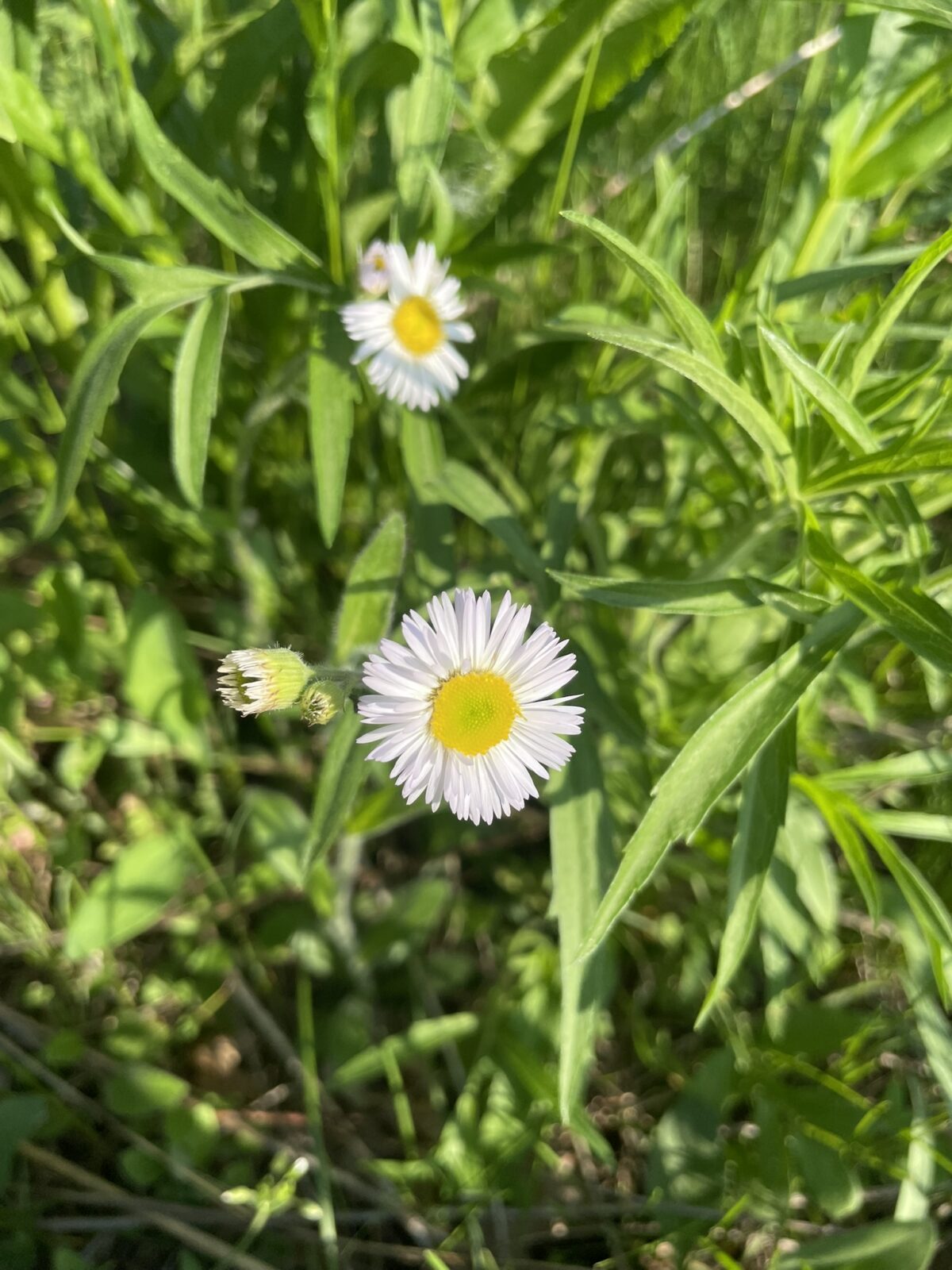
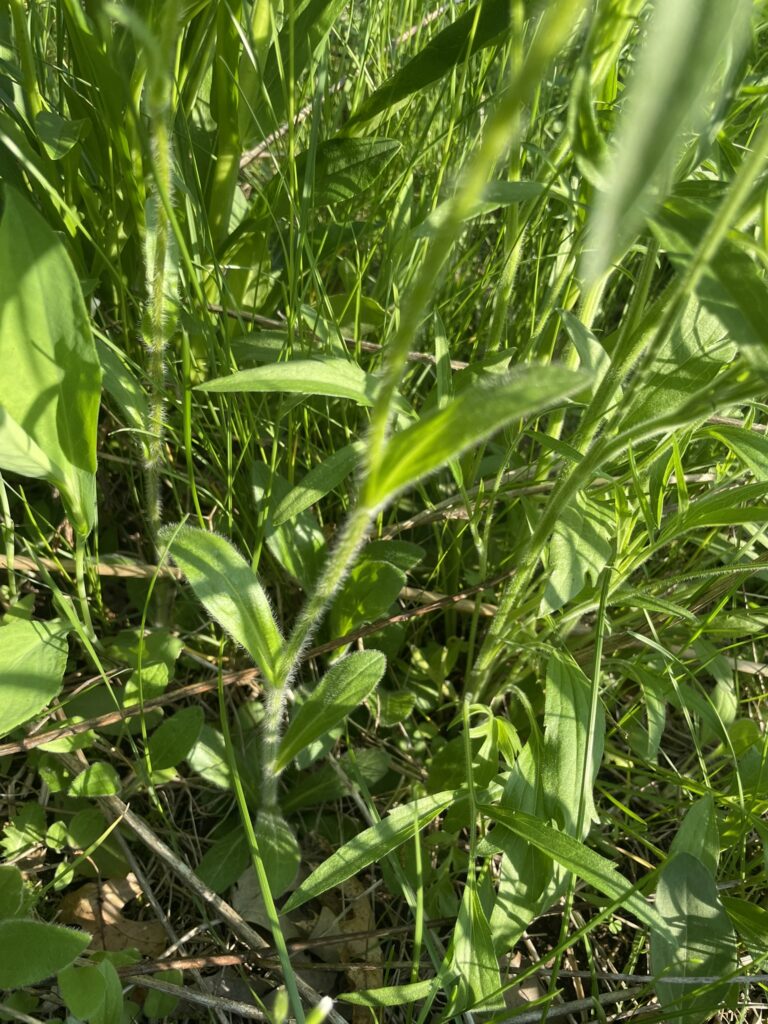
Native To State: YES
Naturally Occurring: NO
Description
Daisy-like white flowers on medium sized stalks. Stems and leaves are hairy. Flowers are few to a cluster unlike other Erigeron species which also occur naturally here.
Occurrence
Seeded in large prairie
Thirteen-lined Ground Squirrel (Ictidomys tridecemlineatus)
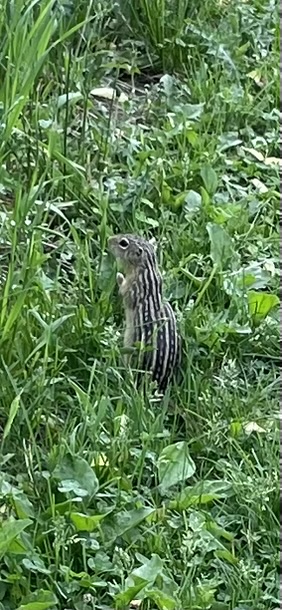
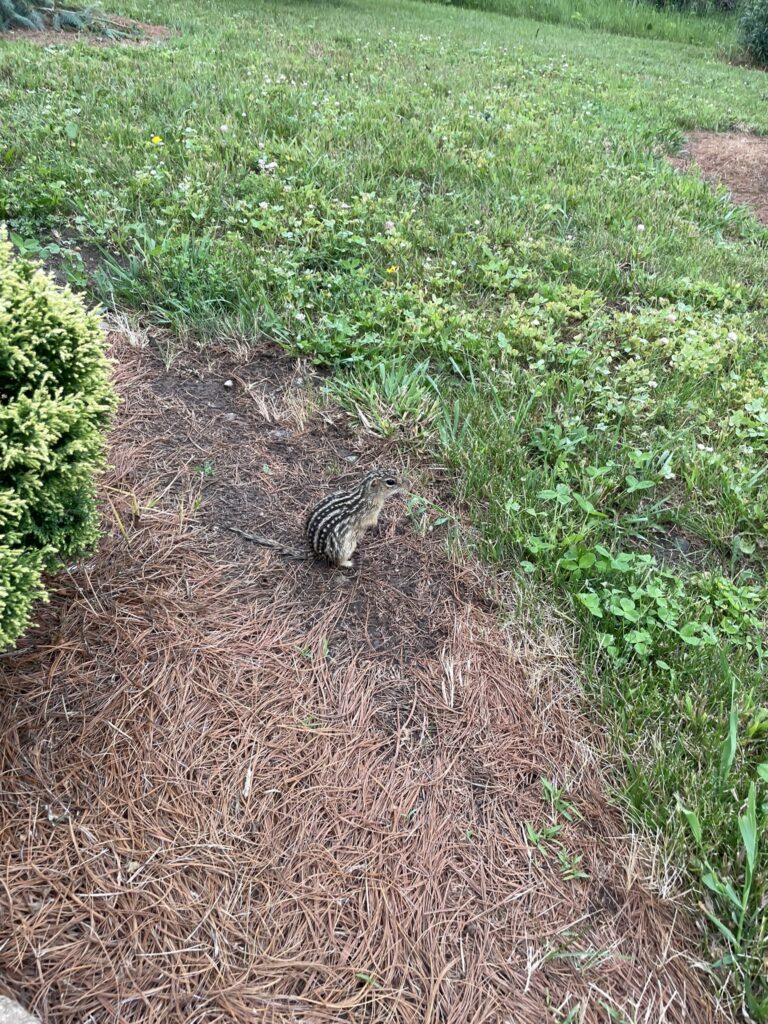
Very common in the open grassy areas.
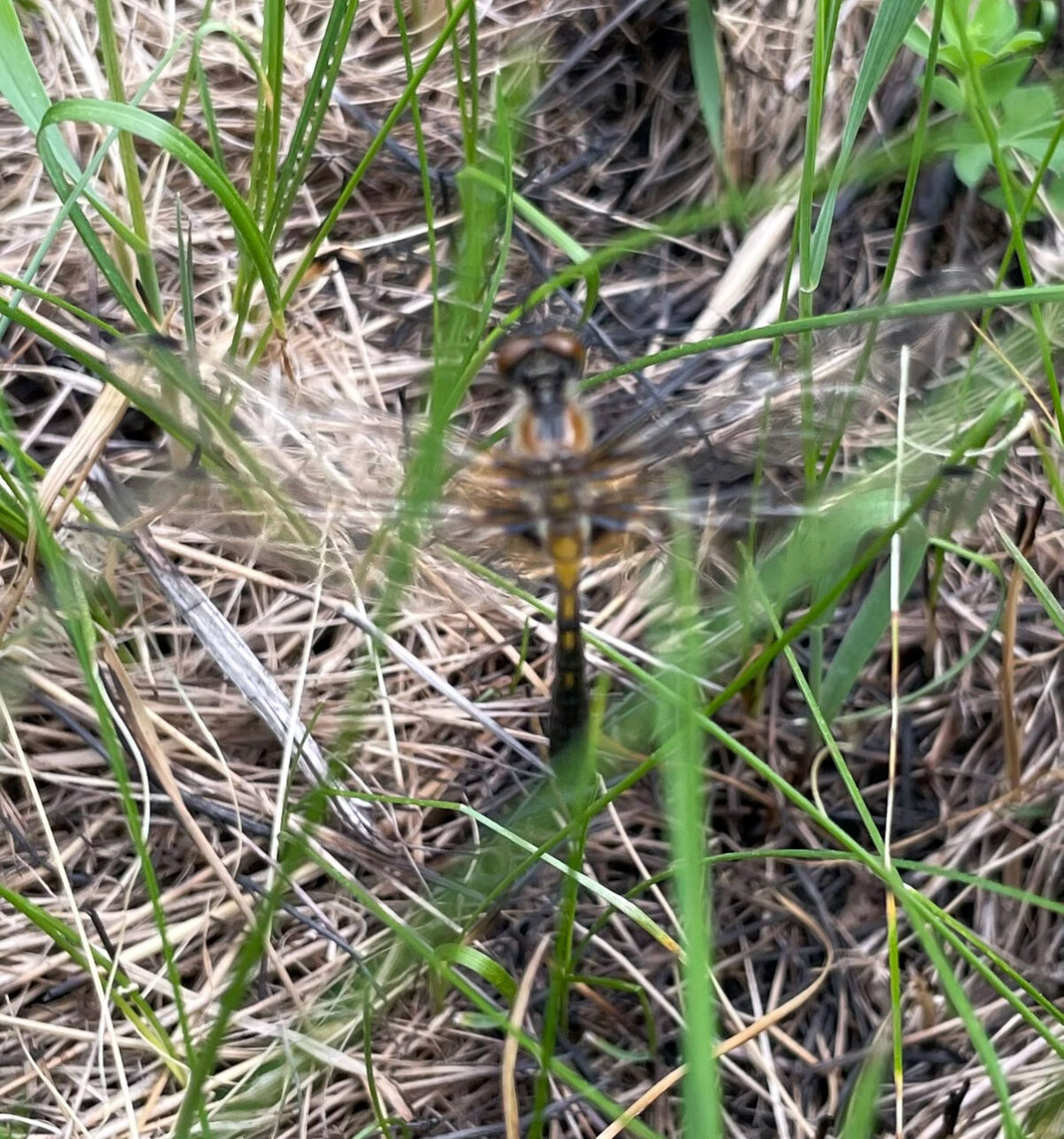
Frosted Whiteface (Leucorrhinia frigida)
American Mink (Mustela vision)
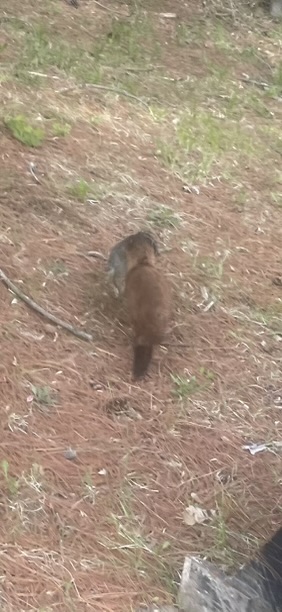
Common