Description
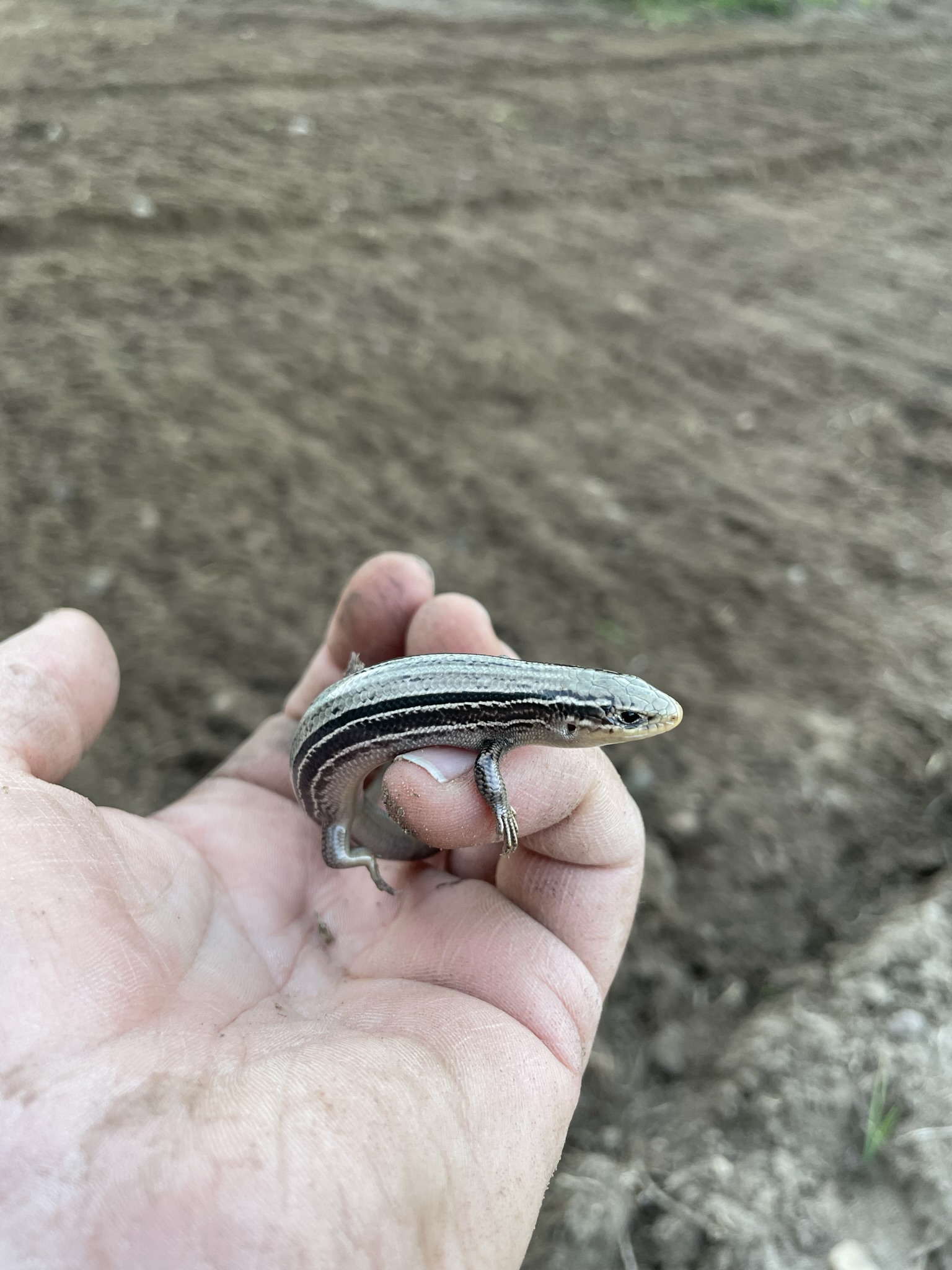
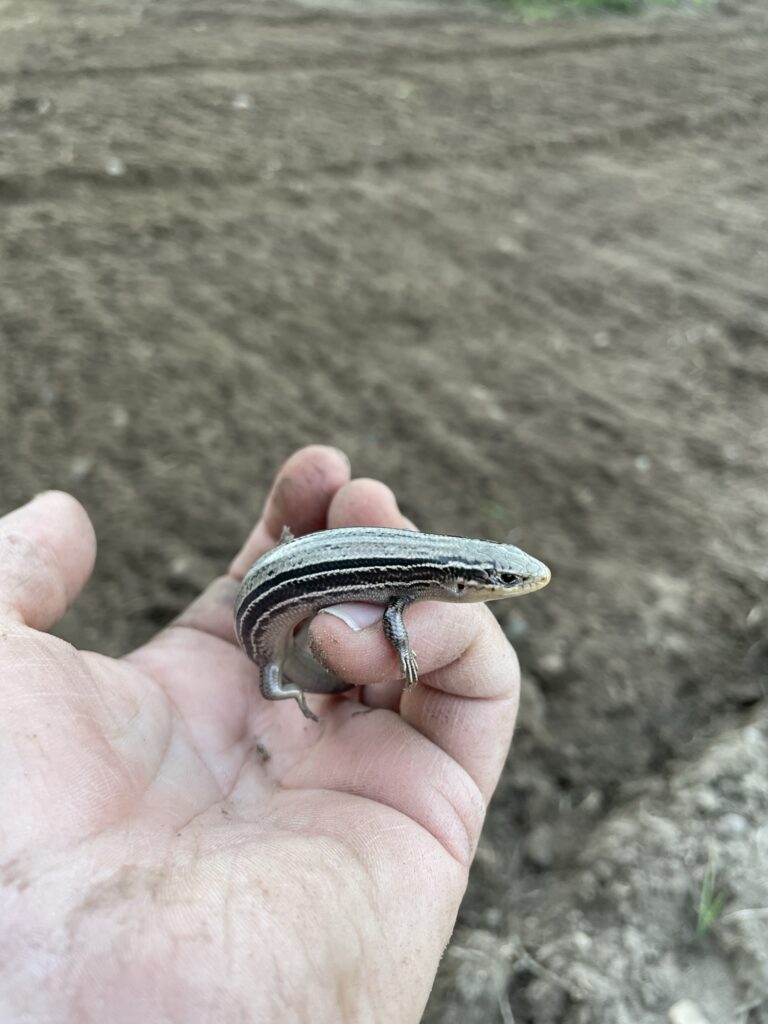
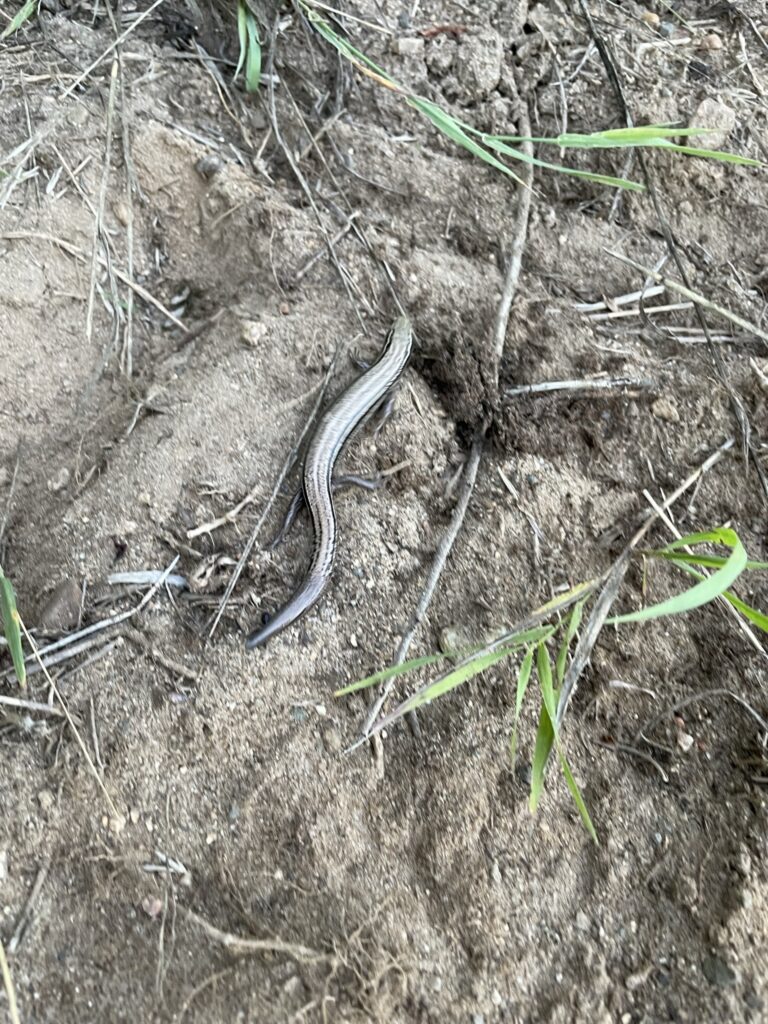
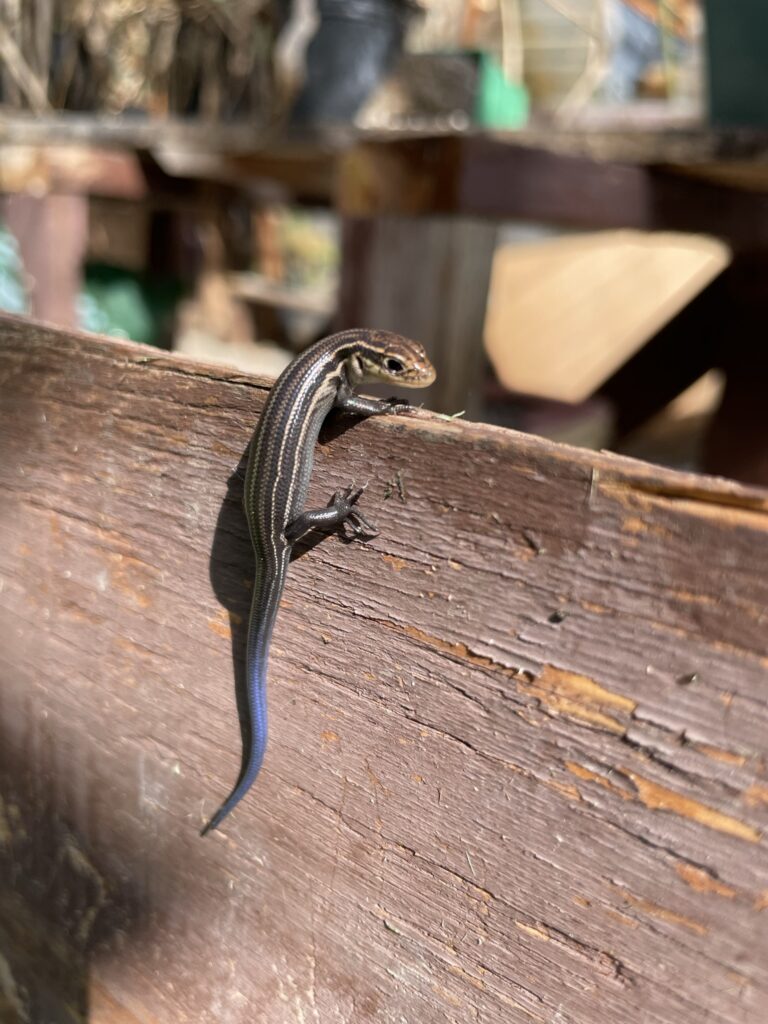
Smooth black salamander with yellow spots
Occurrence
Found throughout the property
Description
Smooth black salamander with yellow spots
Occurrence
Found throughout the property
Native To State: YES
Naturally Occurring: YES
Description
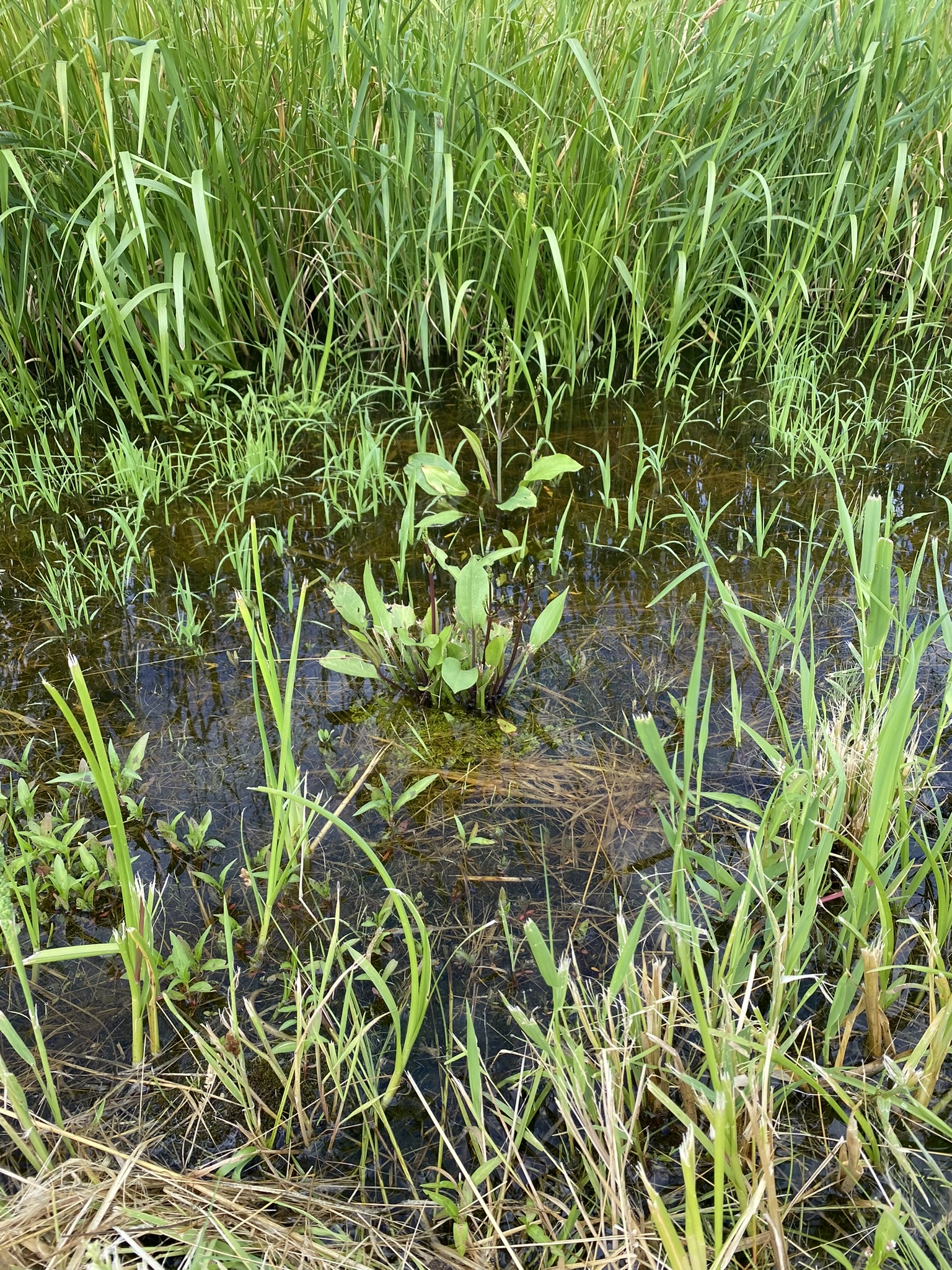
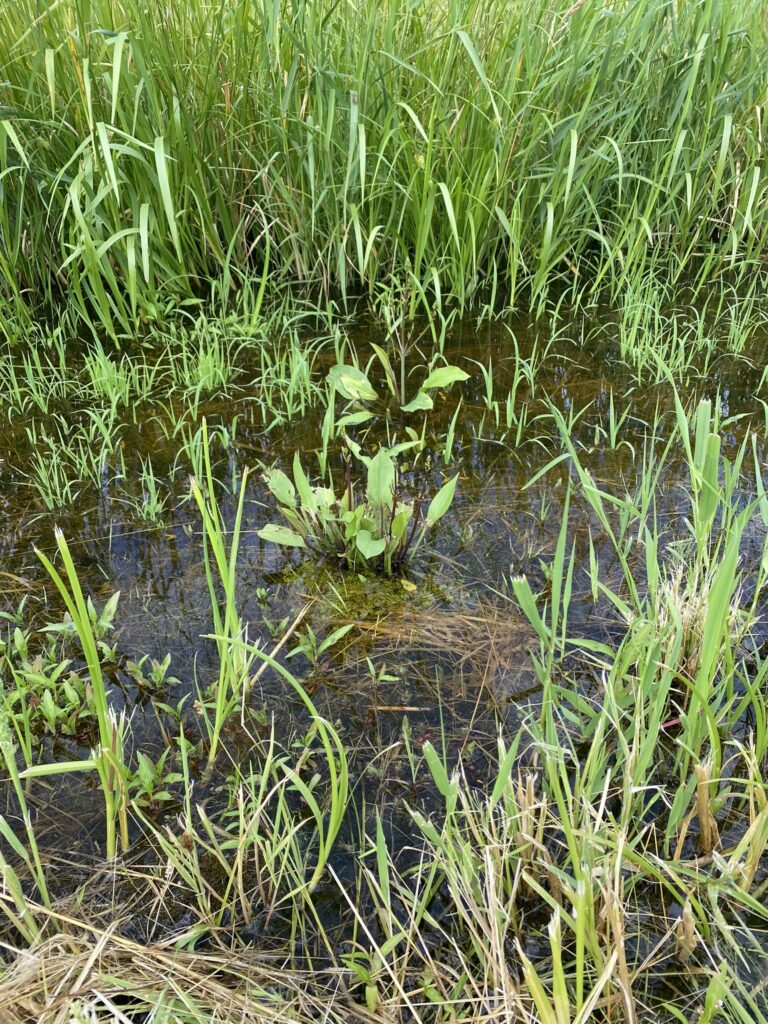
Appearance: Sagittaria latifolia is a aquatic perennial known for its arrowhead-shaped leaves and white, three-petaled flowers.
Leaves: The leaves are arrowhead-shaped and typically float on the water’s surface.
Flowers: The plant produces white, three-petaled flowers with a yellow center.
Habitat: It is commonly found in wetlands, including ponds and slow-moving streams.
Distribution: Broadleaf arrowhead is native to North America.
Occurrence
In back 40 ponds and near crick


Description
Small turtle with orange on lower shell with a black pattern on it.
Occurrence
Somewhat common on trails when migrating.
Native To State: NO
Naturally Occurring: YES
Description
Appearance: Anthemis cotula is an annual herb known for its finely divided leaves and daisy-like flowers.
Leaves: The leaves are finely divided into thread-like segments.
Flowers: The plant produces daisy-like flowers with yellow centers and white petals that have a strong, unpleasant odor.
Habitat: It is commonly found in disturbed areas, fields, and along roadsides.
Distribution: Mayweed chamomile is native to Eurasia but has become naturalized in North America.
Occurrence
Found in back 40 field
Native To State: YES
Naturally Occurring: YES
Description
Appearance: Rudbeckia hirta is a herbaceous perennial known for its bright yellow flowers with dark central cones.
Leaves: The leaves are alternate, lance-shaped, and rough to the touch.
Flowers: The plant produces daisy-like flowers with yellow petals and dark brown to black central cones.
Habitat: It is commonly found in meadows, prairies, and open woodlands.
Distribution: Black-eyed Susan is native to North America.
Occurrence
Found in the former field areas
Native To State: YES
Naturally Occurring: YES
Description
Appearance: Cicuta maculata is a highly toxic perennial herb known for its compound leaves and clusters of small white flowers.
Leaves: The leaves are compound with finely divided leaflets.
Flowers: The plant produces clusters of small white flowers with five petals.
Habitat: It is commonly found in wetlands, especially along stream banks.
Distribution: Water hemlock is native to North America.
Occurrence
Found in the marshy areas
Native To State: YES
Naturally Occurring: NO
Description
Appearance: Quercus velutina is a deciduous tree known for its lobed leaves and dark, furrowed bark.
Leaves: The leaves are deeply lobed with bristle-tipped lobes and a shiny dark green upper surface.
Acorns: It produces acorns with deep, scaly cups.
Habitat: It is commonly found in forests and woodlands.
Distribution: Black oak is native to eastern North America.
Occurrence
Planted east of the big brush island
Native To State: NO
Naturally Occurring: NO
Description
Appearance: Quercus coccinea is a deciduous tree known for its lobed leaves and brilliant red fall foliage.
Leaves: The leaves are deeply lobed with bristle-tipped lobes and have a glossy green upper surface.
Acorns: It produces acorns with shallow, saucer-like cups.
Habitat: It is commonly found in forests and woodlands.
Distribution: Scarlet oak is native to eastern North America.
Occurrence
Planted east of the big brush island
Native To State: YES
Naturally Occurring: NO
Description
Appearance: Eryngium yuccifolium is a herbaceous perennial known for its basal rosette of yucca-like leaves and globular flower heads.
Leaves: The basal leaves are long and strap-like, resembling yucca leaves.
Flowers: The plant produces globular flower heads with tiny, greenish-white flowers.
Habitat: It is commonly found in prairies and open grasslands.
Distribution: Rattlesnake master is native to North America.
Occurrence
Seeded in new prairie area and field road prairie
Native To State: NO
Naturally Occurring: NO
Description
Appearance: Peritoma serrulata is an annual herb known for its finely divided leaves and spikes of pink to lavender flowers.
Leaves: The leaves are finely divided and often have serrated edges.
Flowers: The plant produces spikes of small, tubular, pink to lavender flowers.
Habitat: It is commonly found in dry, rocky areas.
Distribution: Rocky Mountain bee plant is native to western North America.
Occurrence
Seeded in new prairie area