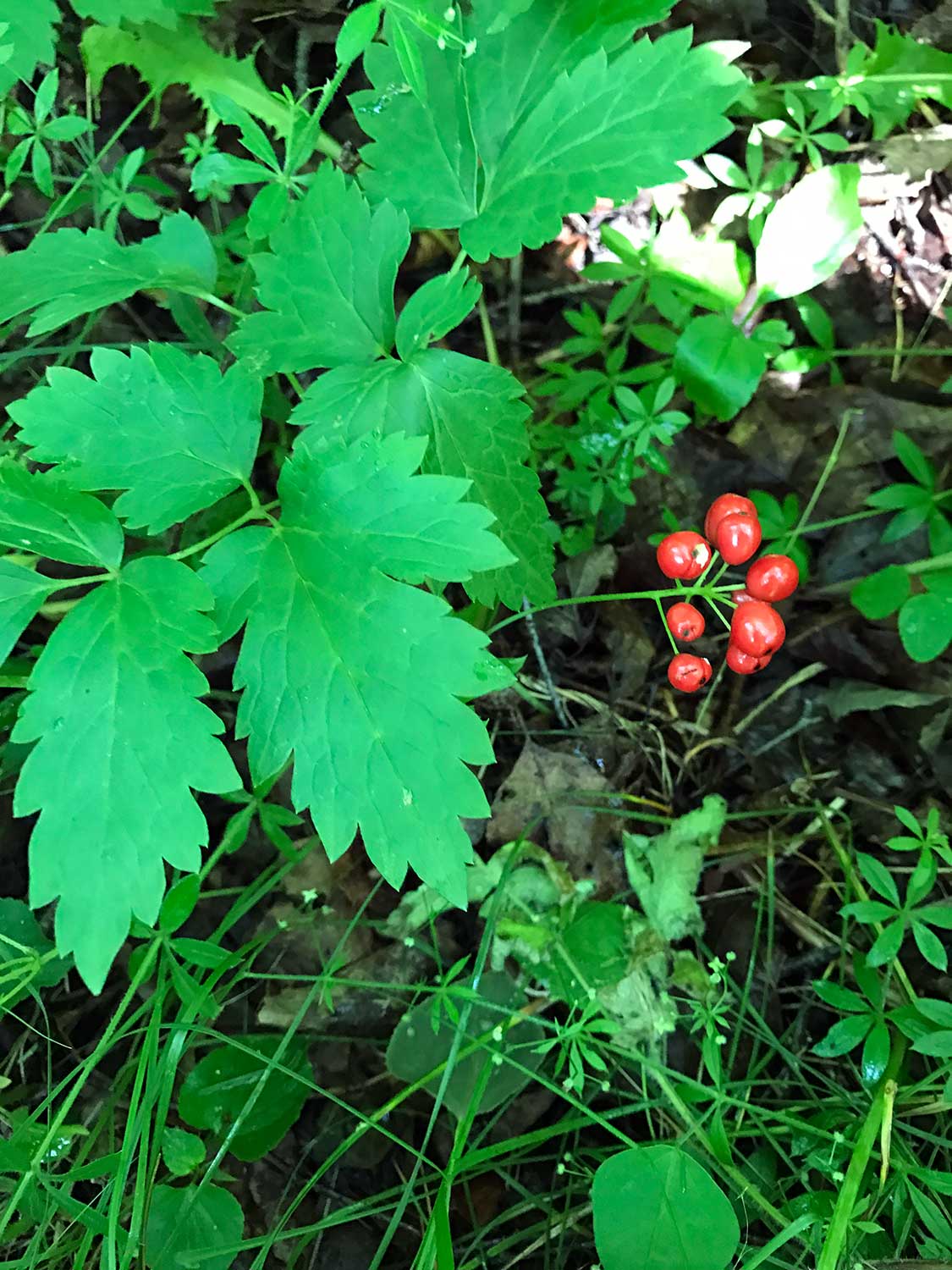
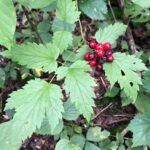
Red Baneberry – Actaea rubra

Native To State: YES
Naturally Occurring: YES

Description

Appearance: Actaea rubra is a herbaceous perennial known for its compound leaves and clusters of small, white to pinkish flowers.

Leaves: The leaves are compound with deeply divided leaflets.

Flowers: The plant produces clusters of small, white to pinkish, bottlebrush-like flowers.

Fruits: It forms distinctive, bright red berries that are toxic.

Habitat: It is commonly found in woodlands and shaded areas.

Distribution: Red baneberry is native to North America.

Occurrence
Found throughout the property
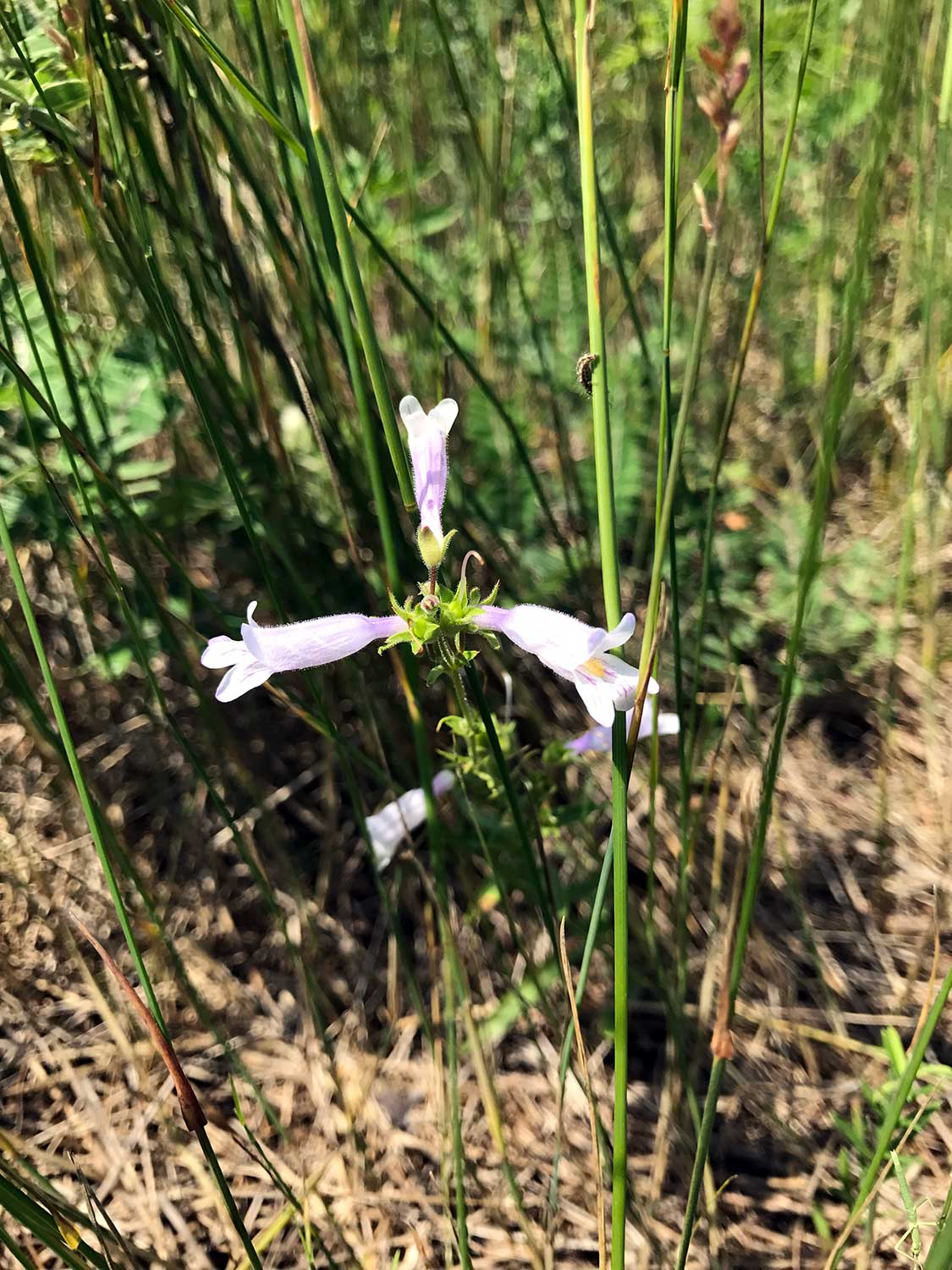
Slender Beardtongue – Penstemon gracilis

Native To State: YES
Naturally Occurring: YES

Description

Appearance: Penstemon gracilis is a herbaceous perennial known for its slender stems, narrow leaves, and tubular, lavender to purple flowers.

Leaves: The leaves are narrow and lance-shaped.

Flowers: The plant produces tubular, lavender to purple flowers with a slightly hairy throat.

Habitat: It is commonly found in dry, rocky slopes and open meadows.

Distribution: Slender beardtongue is native to North America.

Occurrence
Found in the prairie section

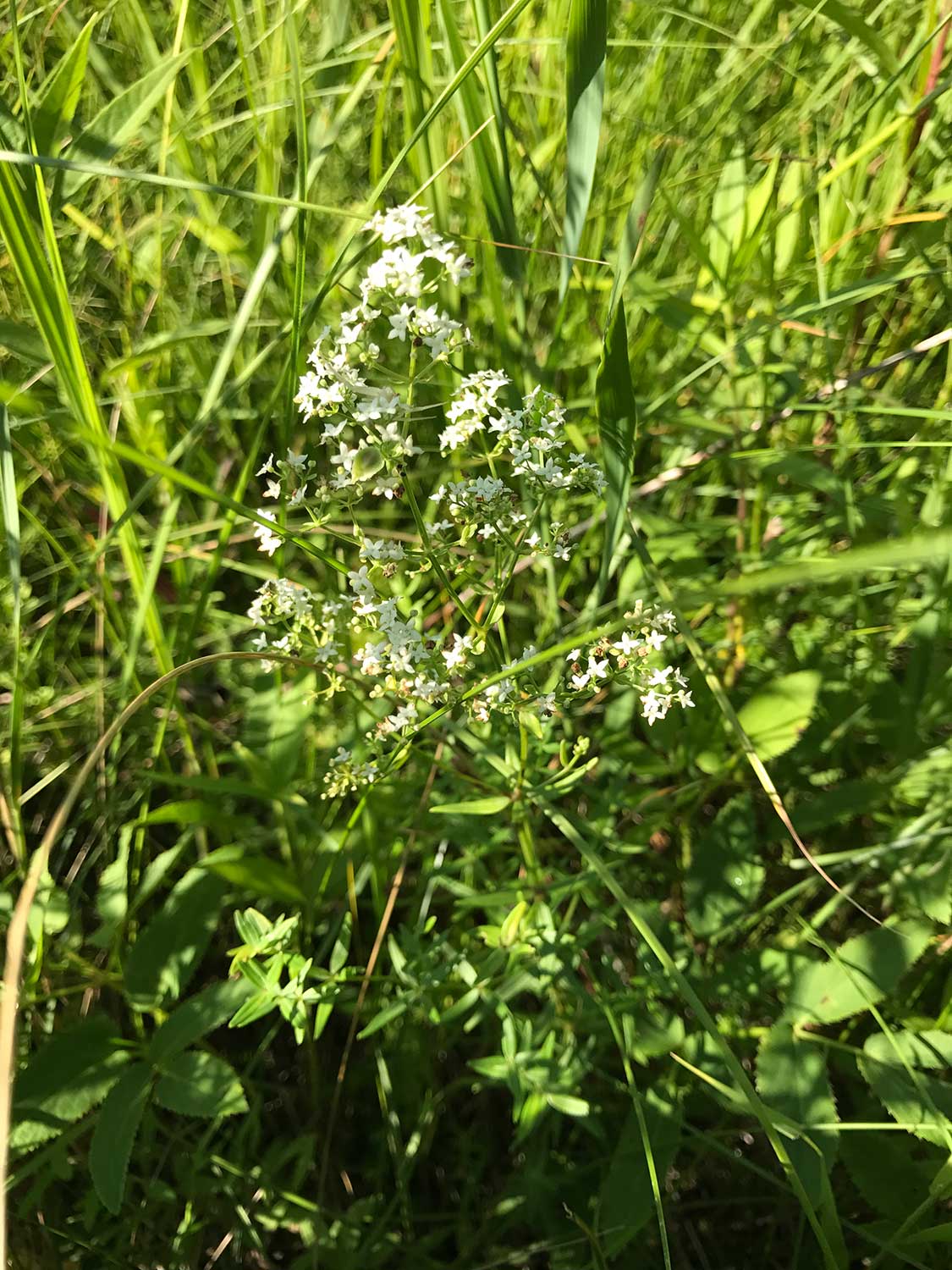
Northern Bedstraw – Galium boreale

Native To State: YES
Naturally Occurring: YES

Description

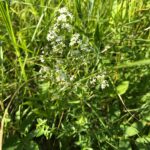
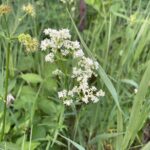
Appearance: Galium boreale is a herbaceous perennial known for its whorled leaves and small, white to greenish-white flowers.

Leaves: The leaves are arranged in whorls along the stem and are typically narrow and linear.

Flowers: The plant produces small, four-petaled, white to greenish-white flowers.

Habitat: It is commonly found in woodlands and open areas.

Distribution: Northern bedstraw is native to North America.

Occurrence
Found in the prairie section and woods edges

Brown-Eyed Susan – Rudbeckia triloba

Native To State: NO
Naturally Occurring: NO

Description

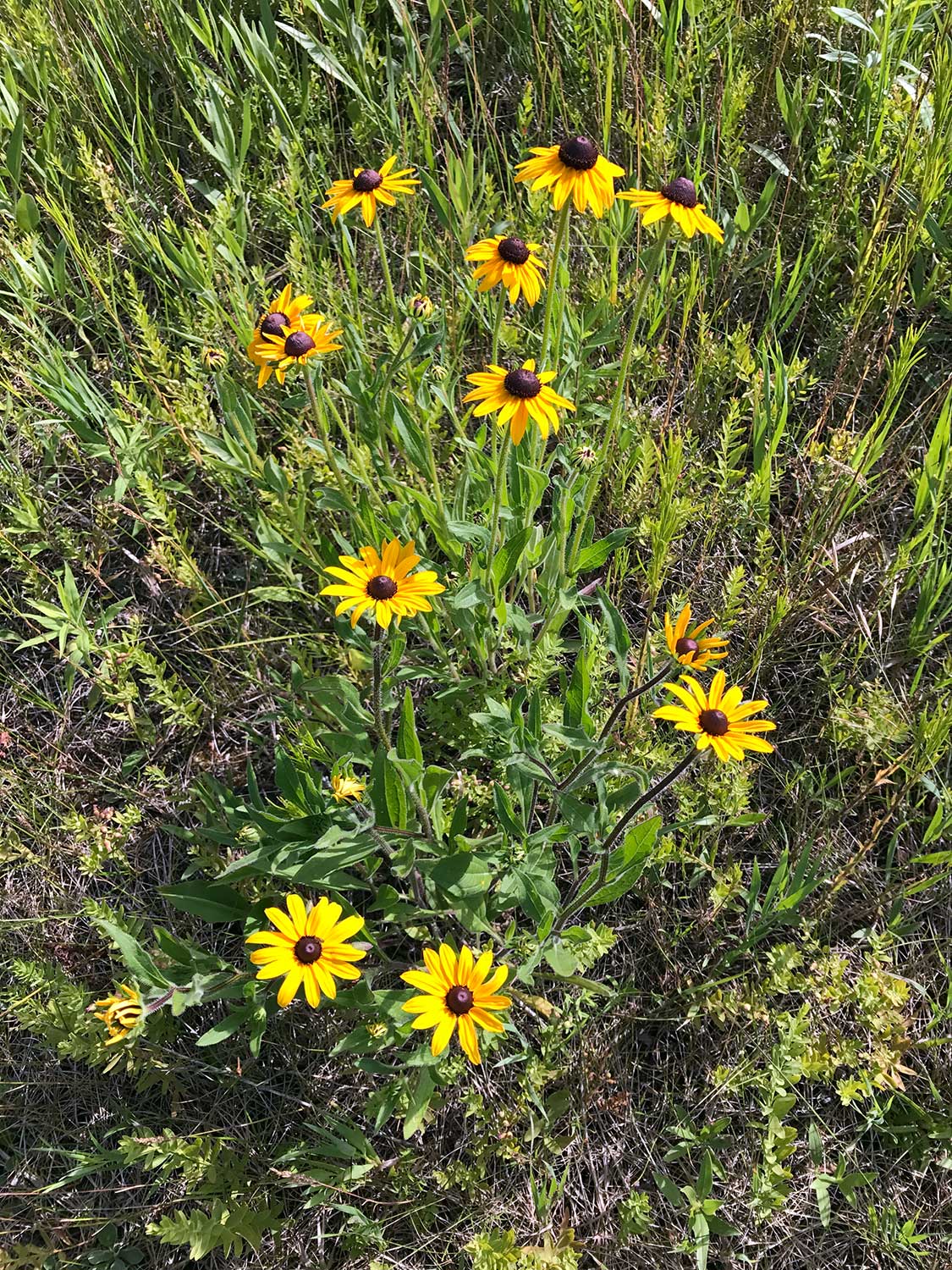
Appearance: Rudbeckia triloba is a herbaceous perennial known for its clusters of yellow to orange-yellow, daisy-like flowers with dark brown or black centers.

Leaves: The leaves are mostly basal and lobed, with a few alternate leaves on the stem.

Flowers: The plant produces clusters of yellow to orange-yellow, daisy-like flowers with dark brown or black centers.

Habitat: It is commonly found in open meadows and along roadsides.

Distribution: Brown-eyed Susan is native to North America.

Occurrence
Found in the prairie section

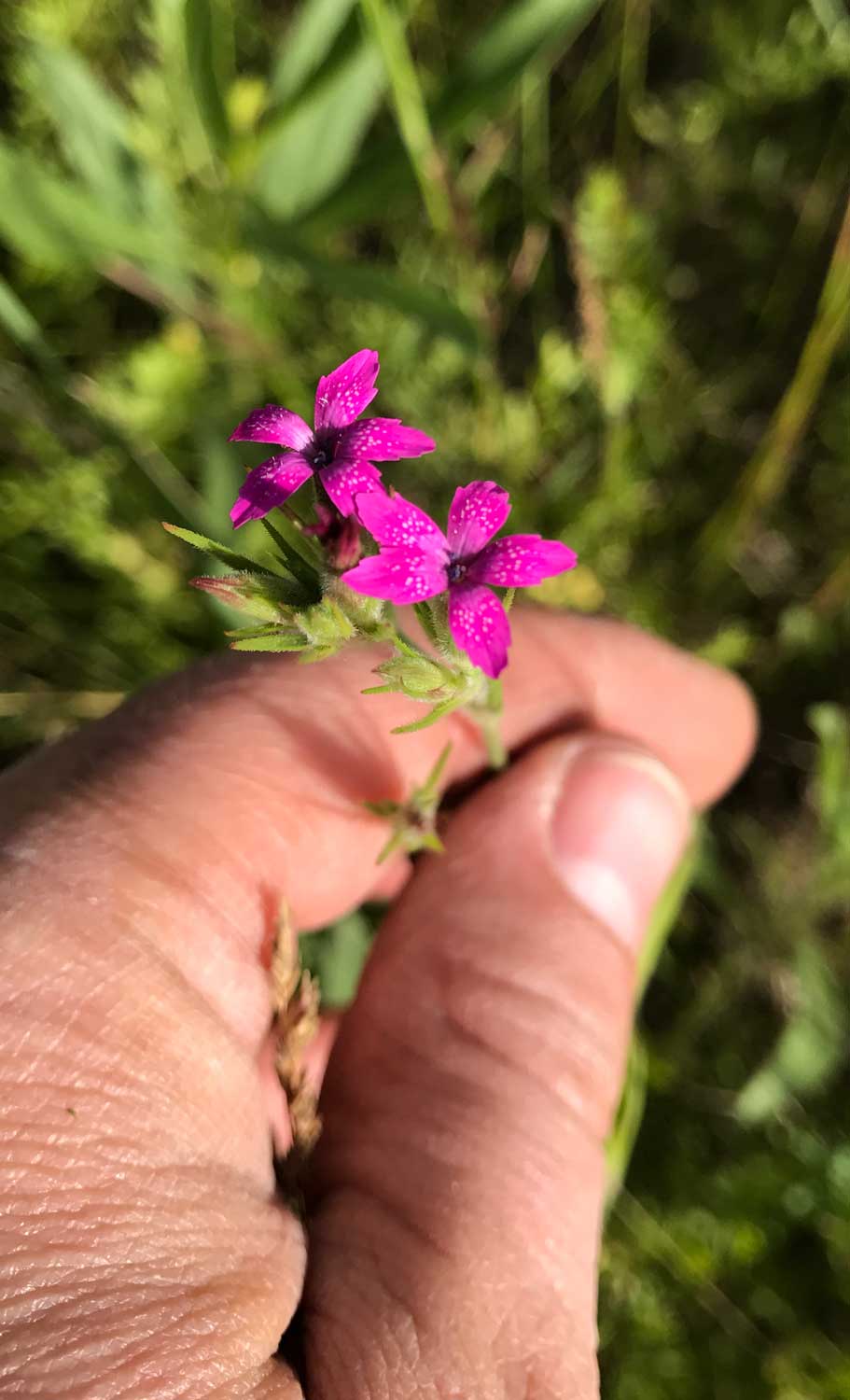
Deptford Pink – Dianthus armeria

Native To State: NO
Naturally Occurring: NO

Description

Appearance: Dianthus armeria is a herbaceous annual or biennial plant known for its slender stems and clusters of pink to magenta, fringed flowers.

Leaves: The leaves are linear and typically opposite along the stem.

Flowers: The plant produces clusters of pink to magenta flowers with fringed petals.

Habitat: It is commonly found in open fields, disturbed areas, and along roadsides.

Distribution: Deptford pink is native to Europe but has become naturalized in North America.

Occurrence
Found in the prairie section

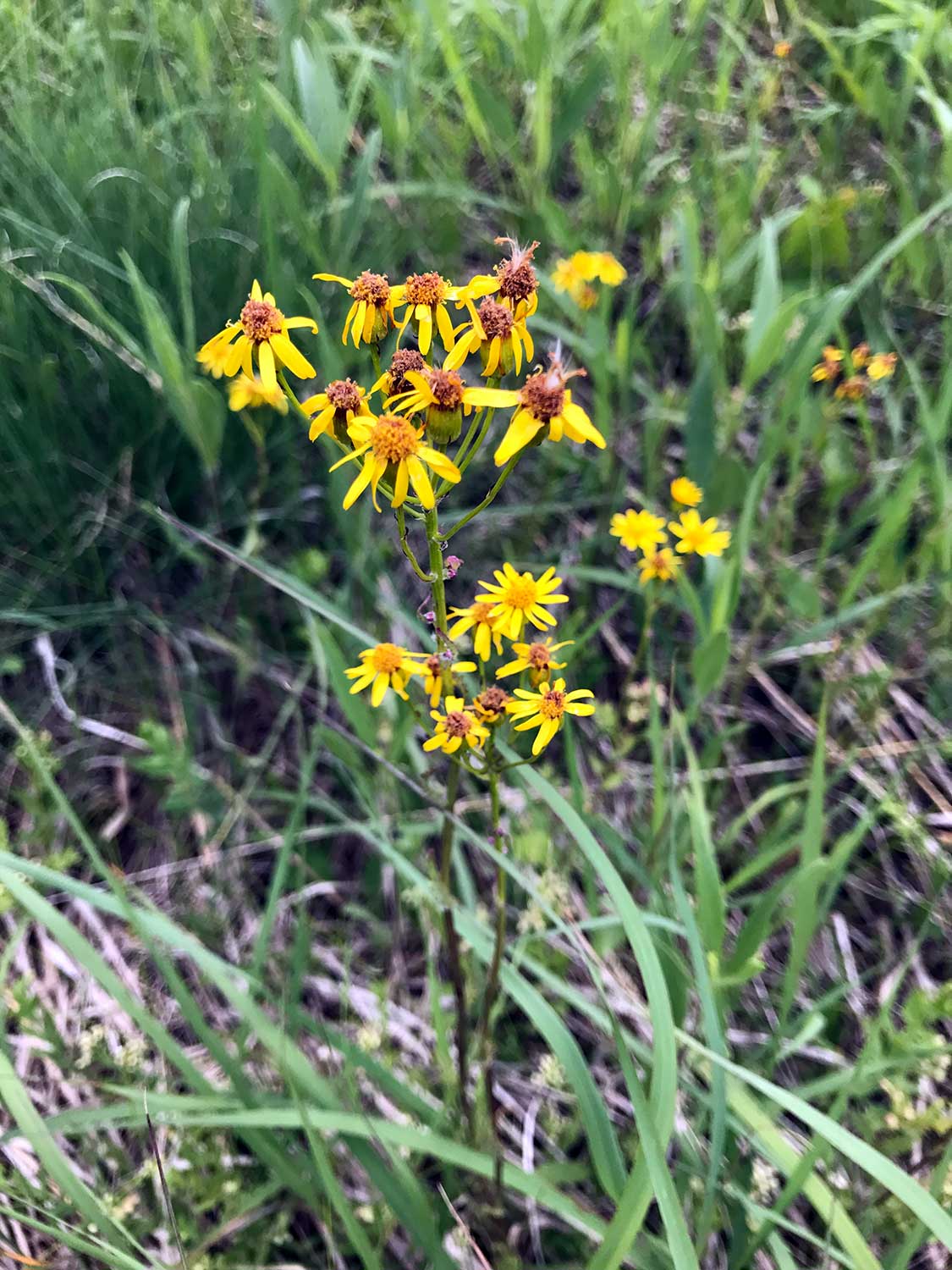
Golden Ragwort – Packera aurea

Native To State: YES
Naturally Occurring: YES

Description

Appearance: Packera aurea is a herbaceous perennial known for its basal rosette of kidney-shaped leaves and clusters of yellow, daisy-like flowers.

Leaves: The basal leaves are kidney-shaped with toothed margins.

Flowers: The plant produces clusters of yellow, daisy-like flowers with a yellow center.

Habitat: It is commonly found in wet meadows and along stream banks.

Distribution: Golden ragwort is native to eastern North America.

Occurrence
Found in prairie section and various other grassy areas

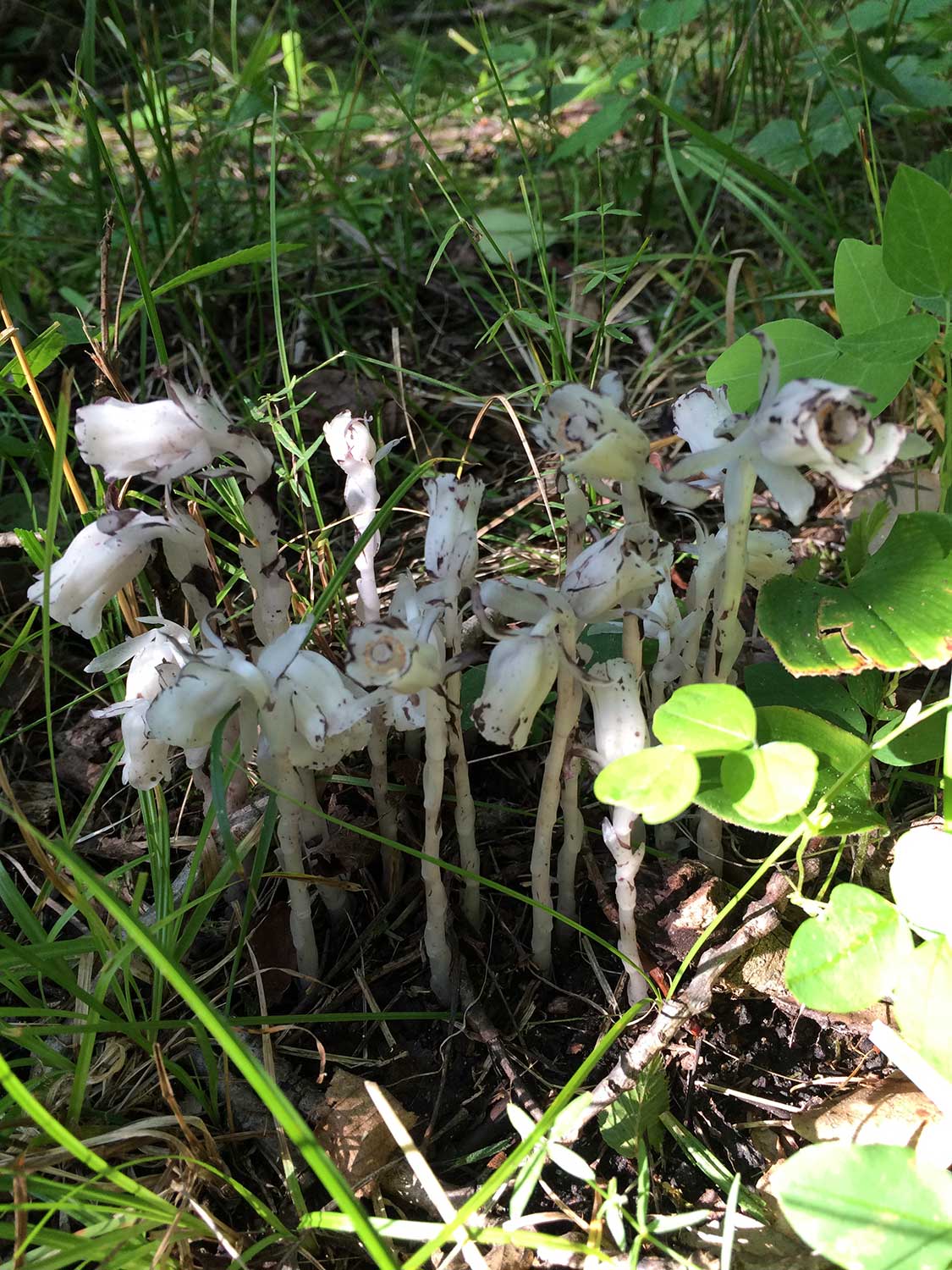
Indian Pipe – Monotropa uniflora

Native To State: YES
Naturally Occurring: YES

Description

Appearance: Monotropa uniflora is a unique, mycoheterotrophic plant that lacks chlorophyll, giving it a ghostly white appearance. It has a single, nodding, white flower.

Leaves: It lacks true leaves, stems, or chlorophyll.

Flowers: The plant produces a single, nodding, white, waxy flower.

Habitat: It is commonly found in moist, shaded woodlands.

Distribution: Indian pipe is native to North America.

Unusual plant that produces no chlorophyll and depends on other green plants for food. The relationship is not certain and it is not directly parasitic.

Occurrence
Found throughout the woods – especially the western side of the former pasture

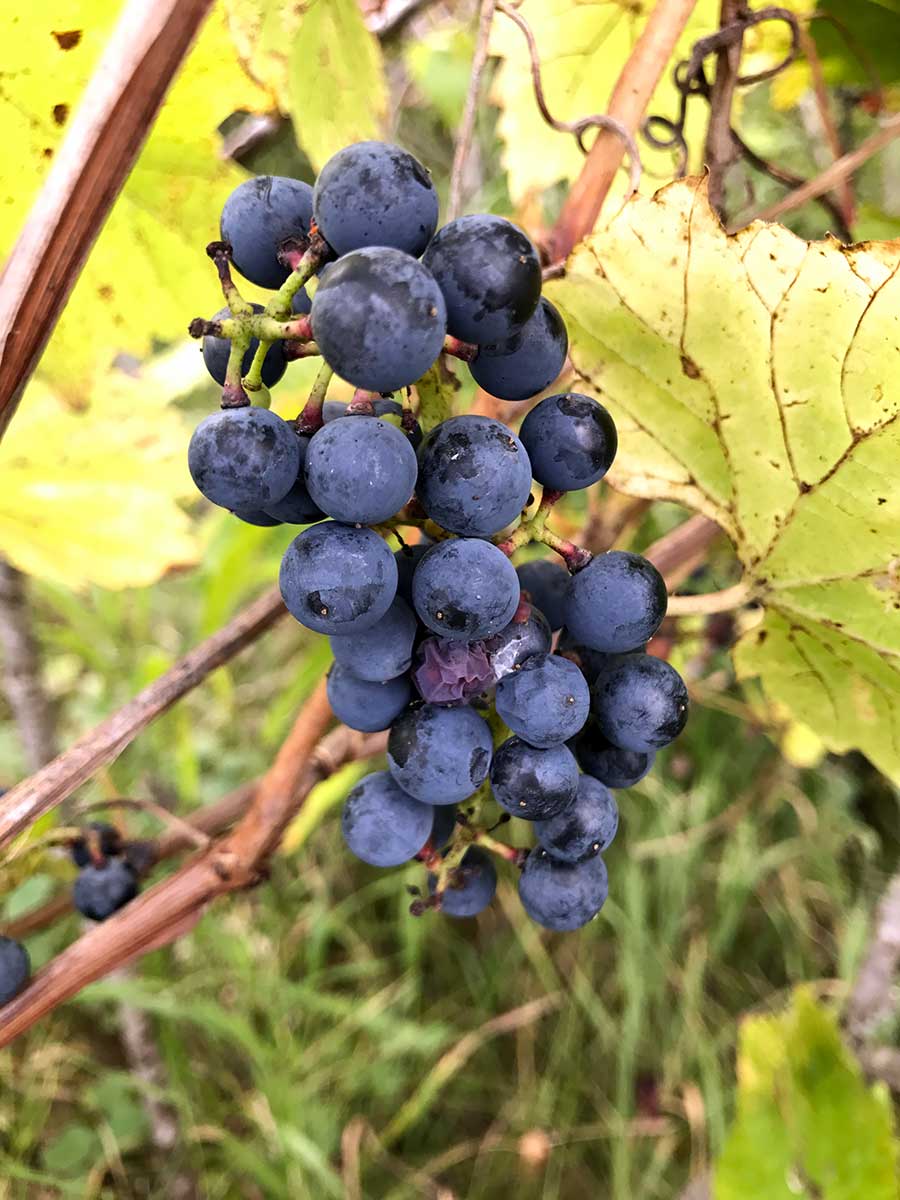
Riverbank Grape – Vitis riparia

Native To State: YES
Naturally Occurring: YES

Description

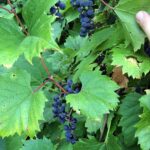
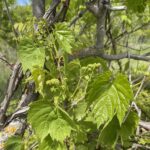
Appearance: Vitis riparia is a woody vine known for its compound leaves and clusters of small, greenish flowers that develop into grapes.

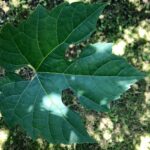
Leaves: The leaves are compound with toothed leaflets.

Flowers: The plant produces small, greenish flowers in clusters.

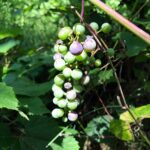
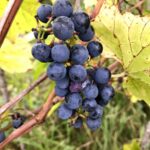
Fruits: It forms clusters of grapes that are green when young and turn purple when ripe.

Habitat: It is commonly found in woodlands and along riverbanks.

Distribution: Wild grape is native to North America.

Occurrence
Found throughout the property

American Bittersweet – Celastrus scandens

Native To State: YES
Naturally Occurring: YES

Description

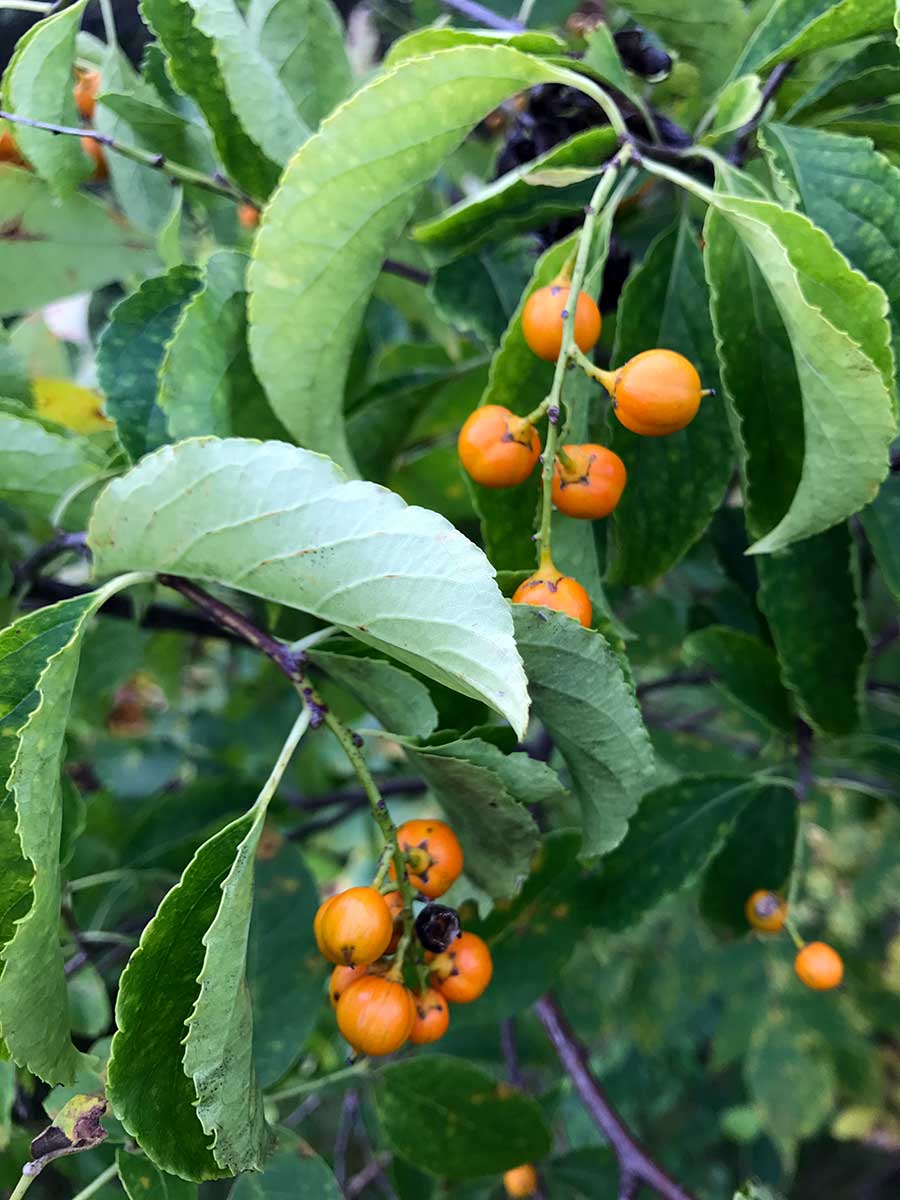
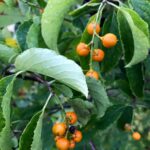
Appearance: Celastrus scandens is a woody vine known for its compound leaves and bright orange fruits.

Leaves: The leaves are compound with toothed leaflets.

Fruits: It produces bright orange capsules that split open to reveal red seeds.

Habitat: It is commonly found in woodlands and along edges of forests.

Distribution: American bittersweet is native to North America.

Occurrence
Found throughout the property
Rough Blazing Star – Liatris aspera

Native To State: YES
Naturally Occurring: NO

Description

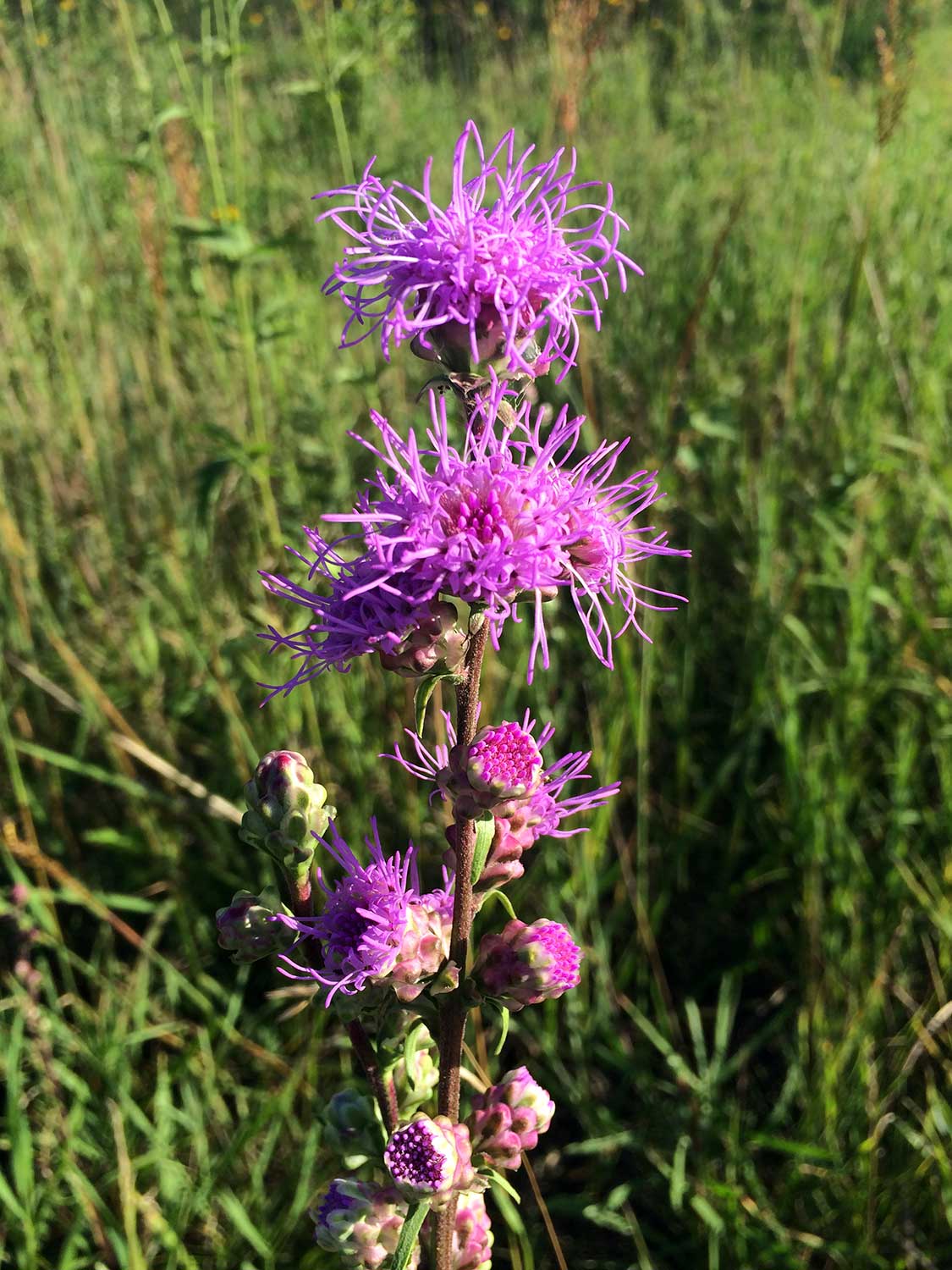
Appearance: Liatris aspera is a herbaceous perennial known for its tall, spiky inflorescence of purple or pink flowers.

Leaves: The leaves are narrow and lance-shaped.

Flowers: The plant produces a spiky inflorescence of purple or pink flowers.

Habitat: It is commonly found in prairies and open fields.

Distribution: Rough blazing star is native to North America.

Occurrence
Found in the prairie section