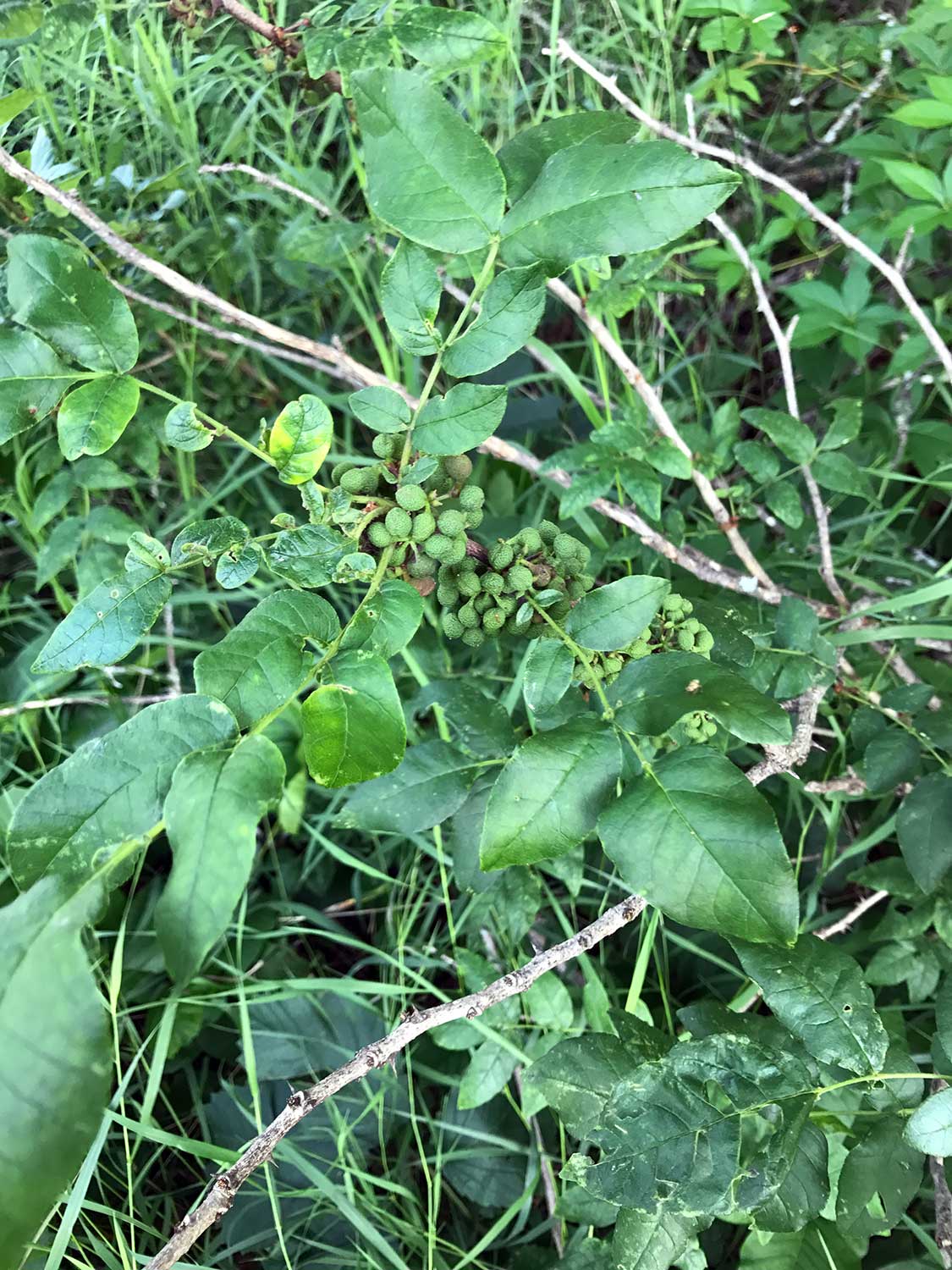
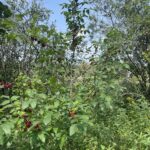
Gray Dogwood – Cornus racemosa

Native To State: YES
Naturally Occurring: YES

Description

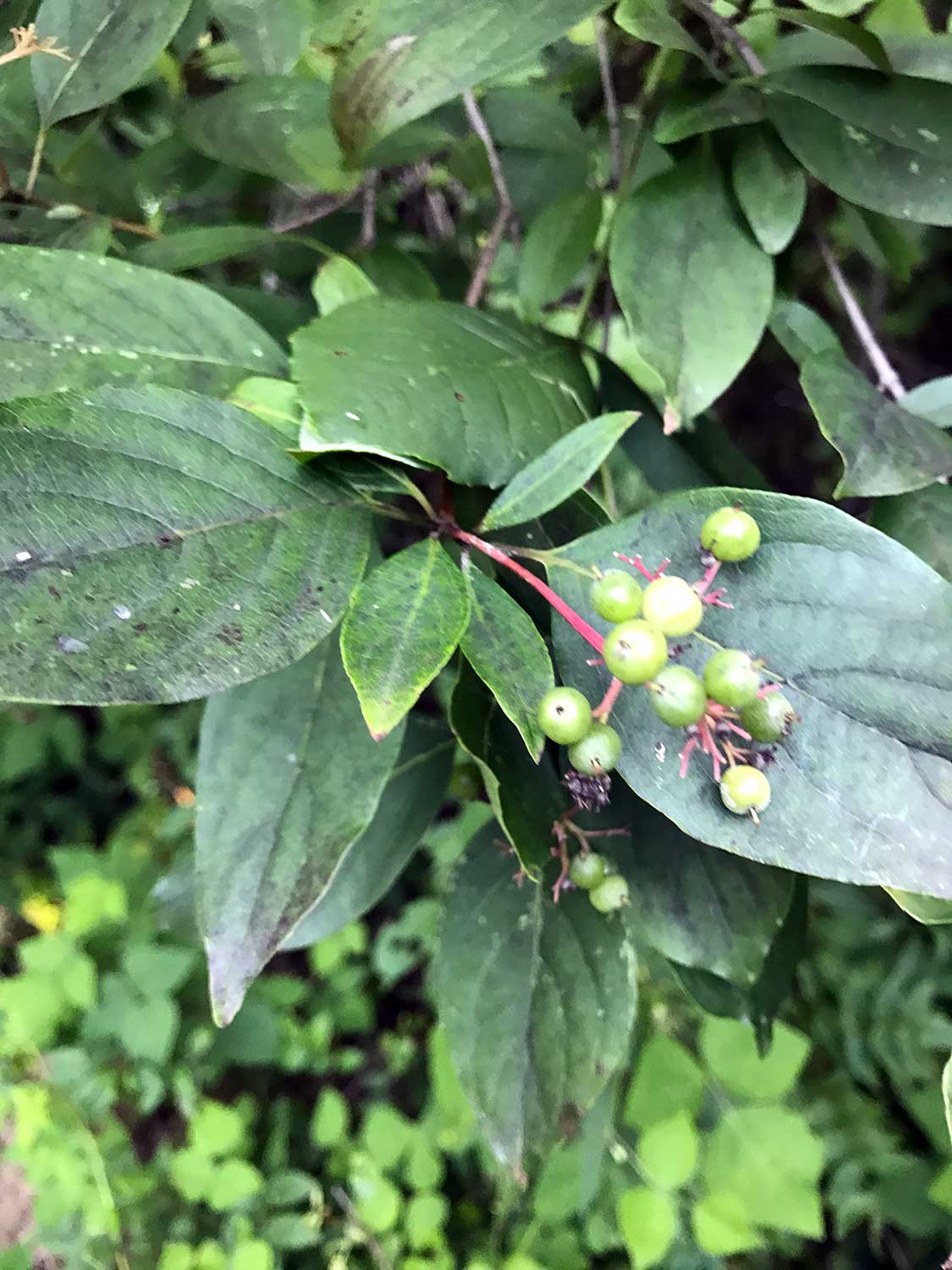
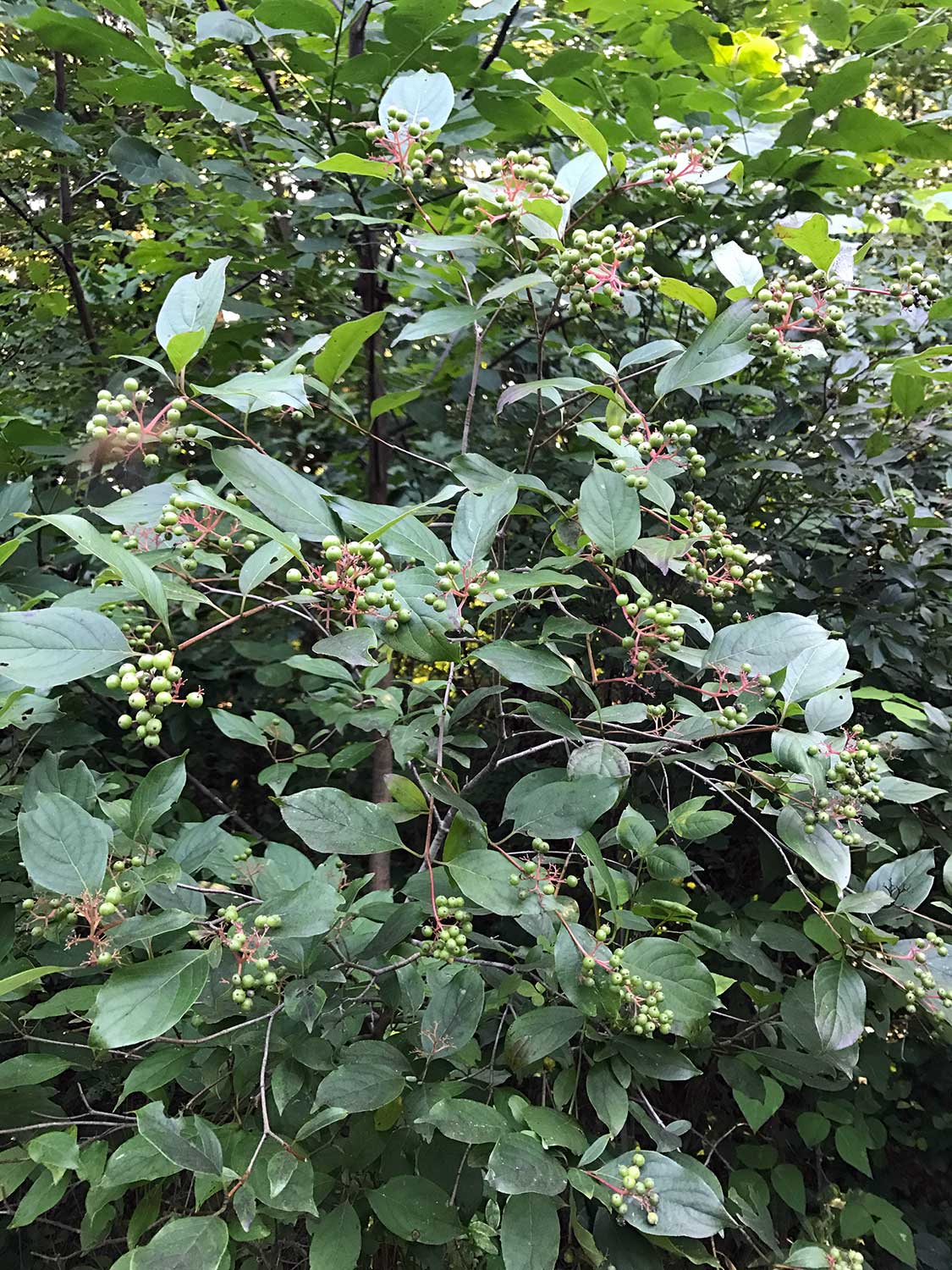
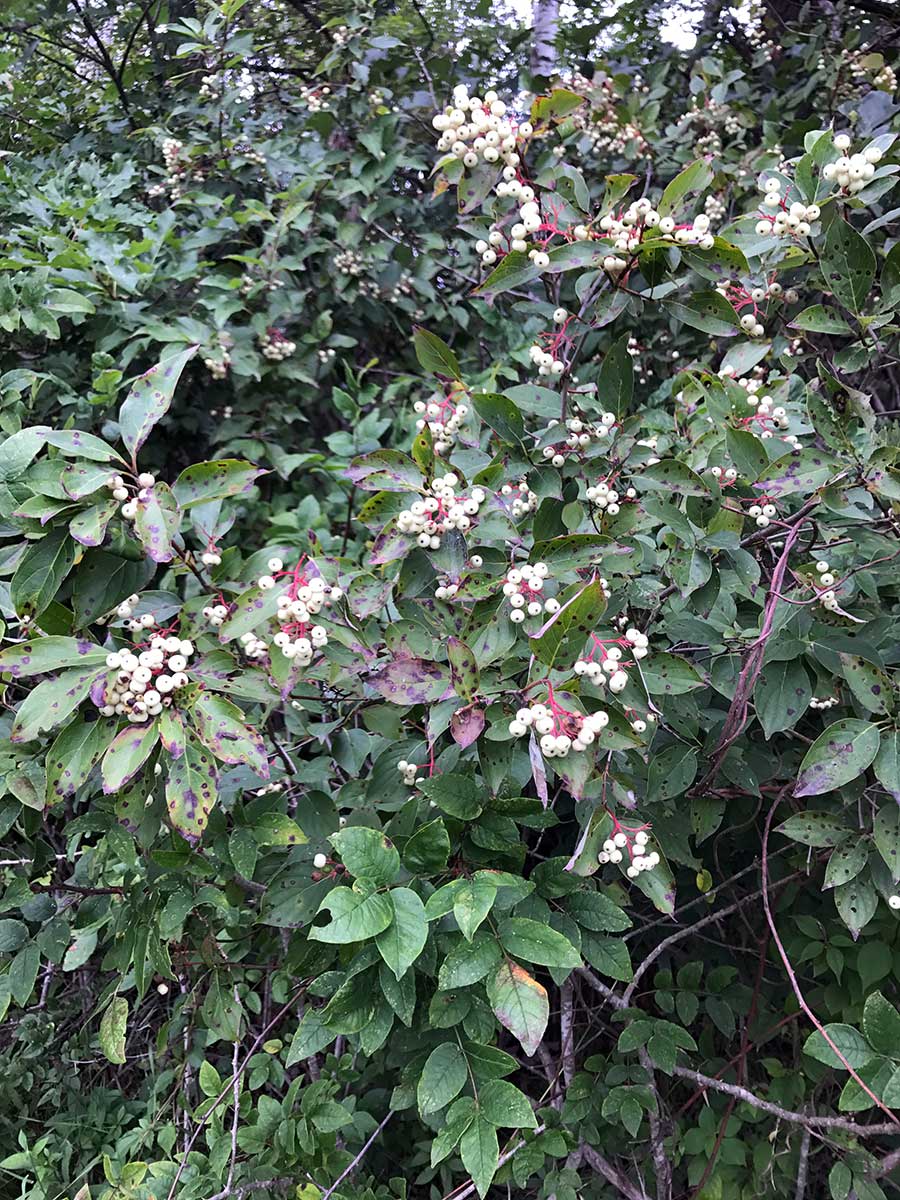
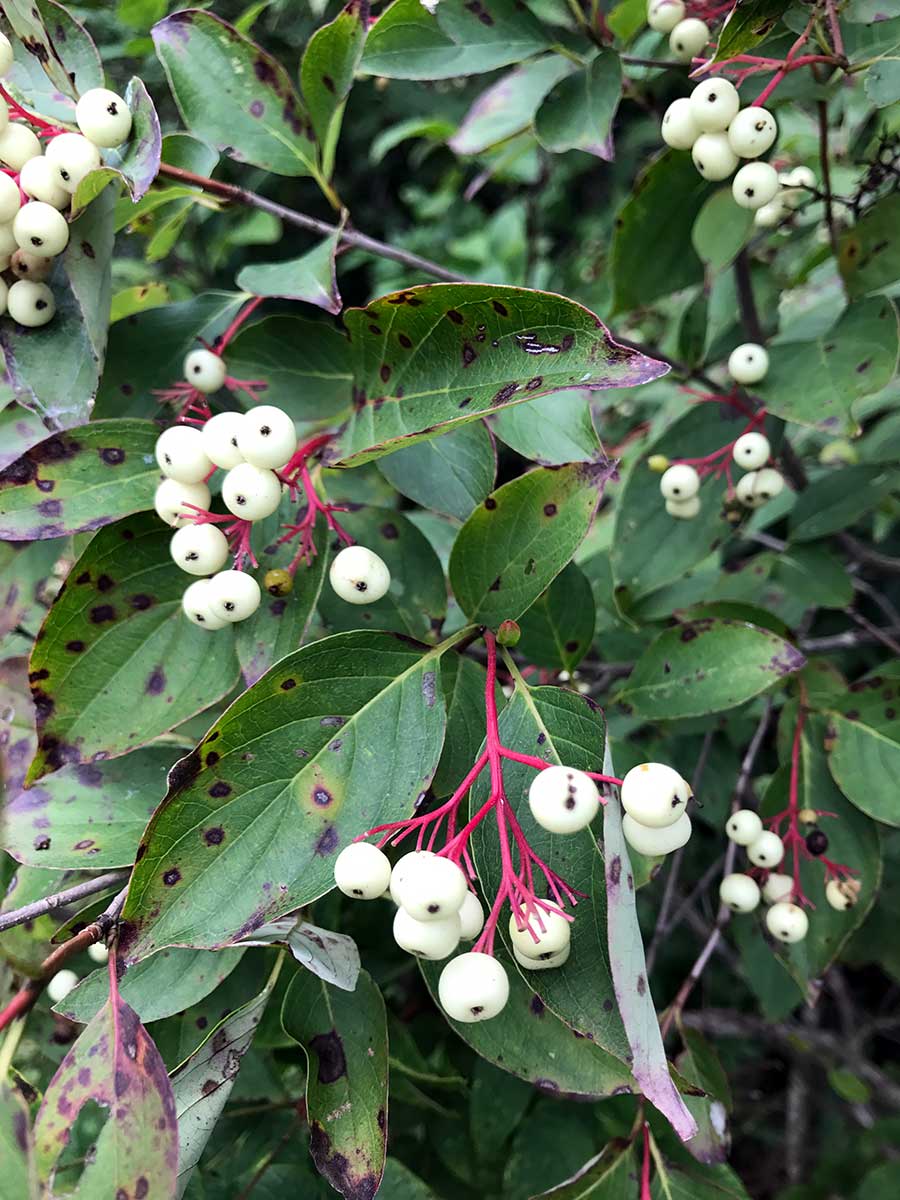
Appearance: Cornus racemosa is a deciduous shrub known for its clusters of white flowers and bluish-white fruit.

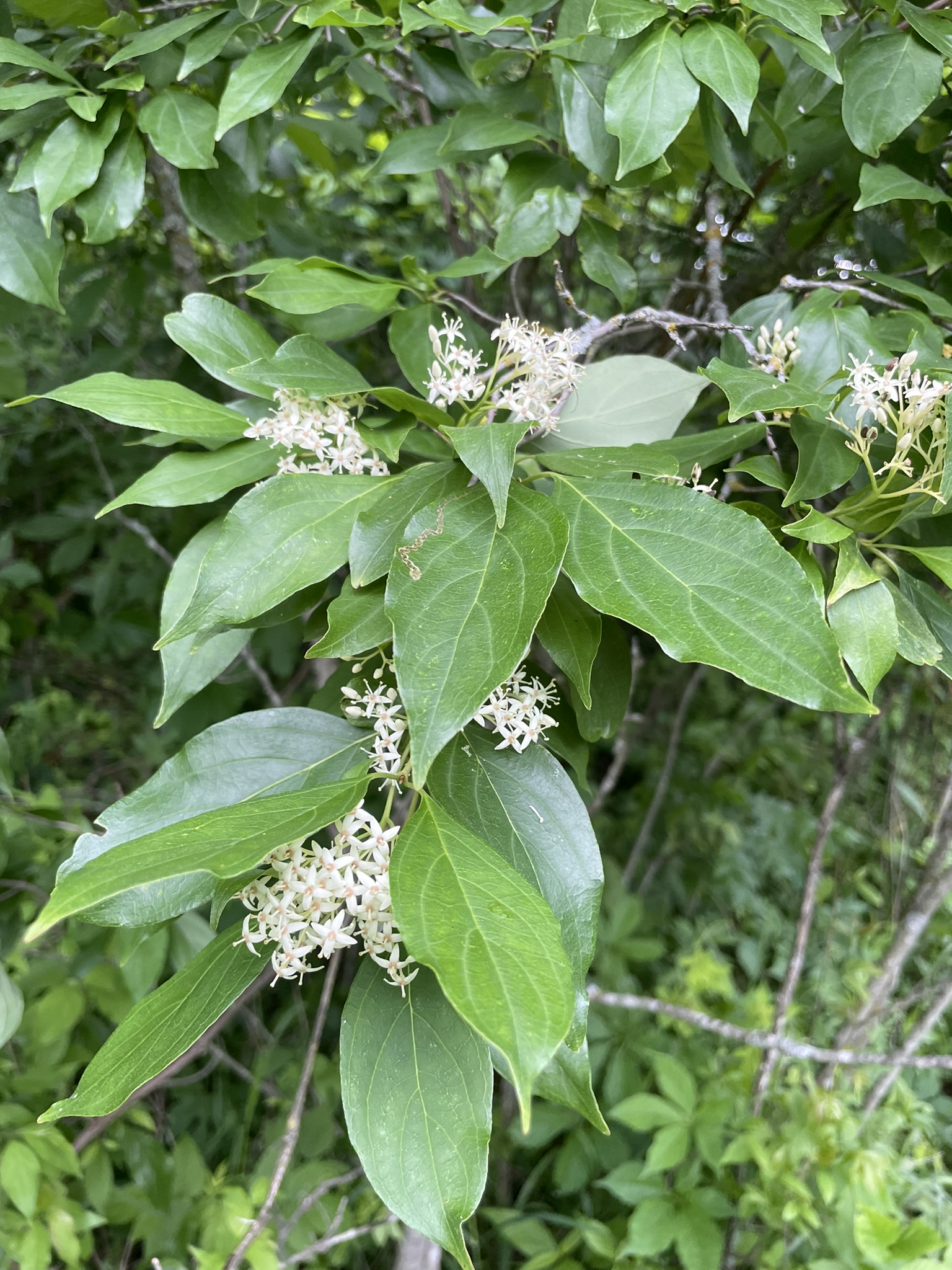
Leaves: The leaves are opposite, simple, and elliptical in shape.

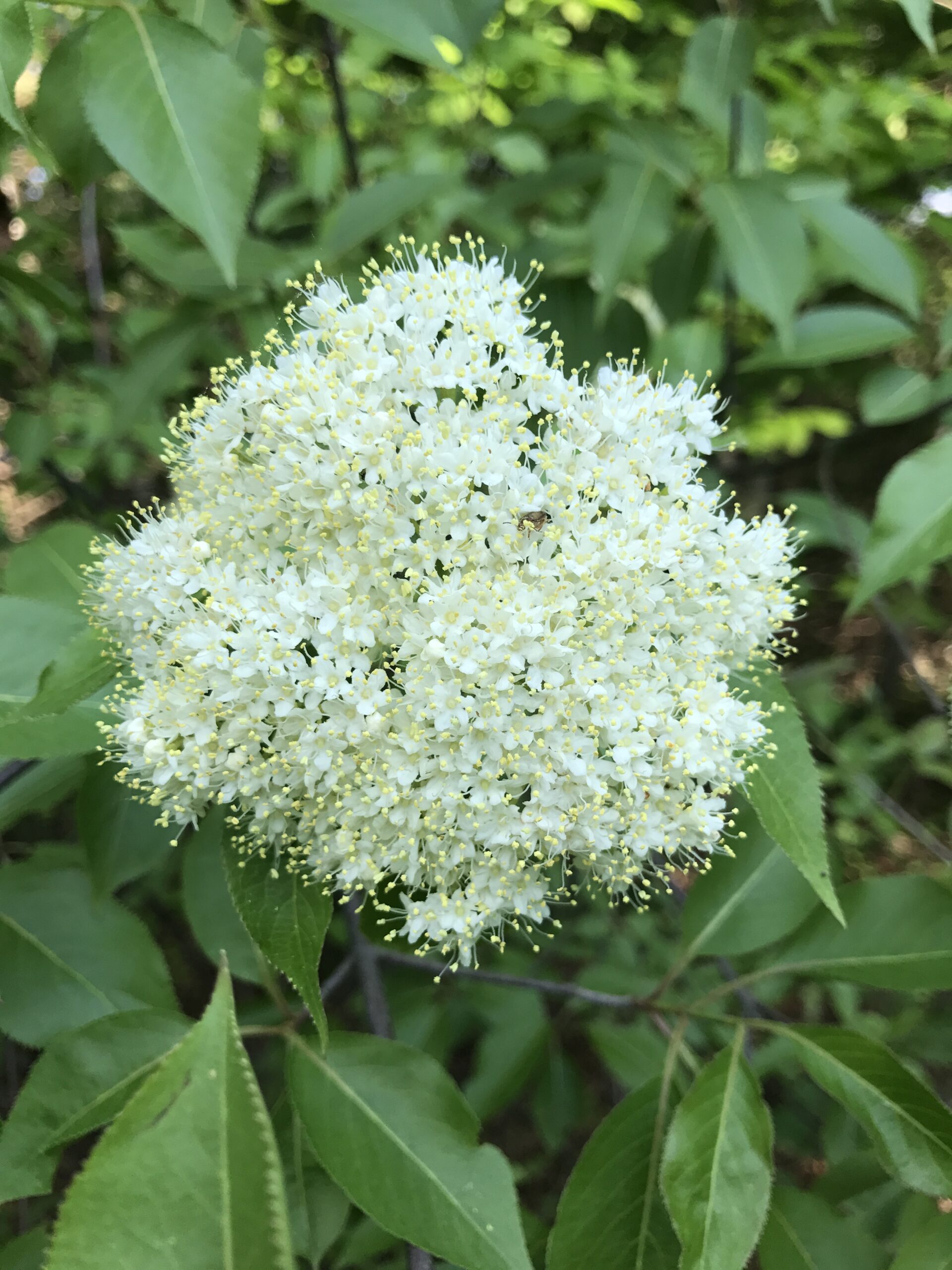
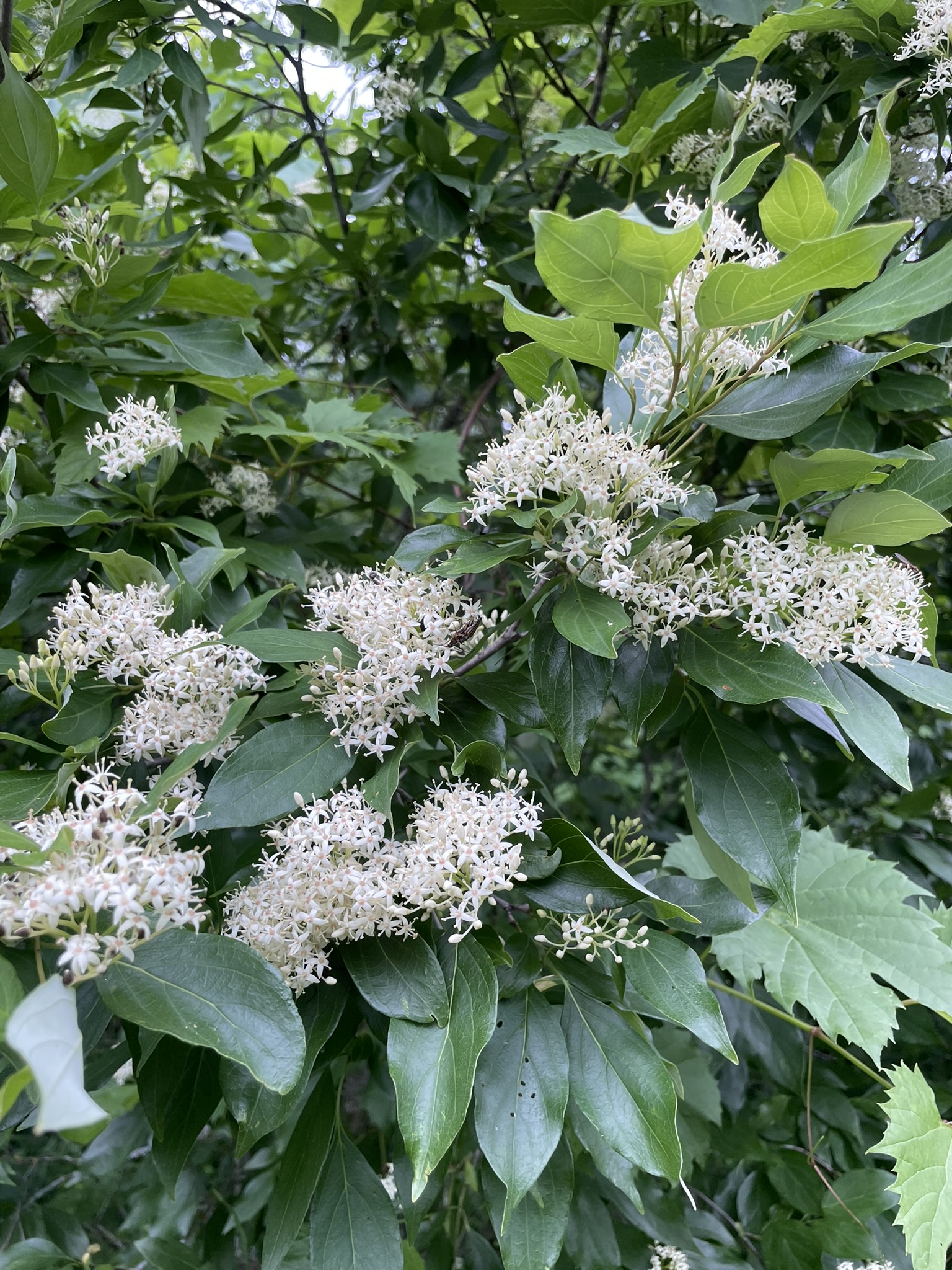
Flowers: The plant produces small, white flowers arranged in flat-topped clusters.

Fruit: The fruit is a bluish-white drupe.

Habitat: It is commonly found in a variety of habitats, including woodlands, thickets, and along stream banks.

Occurrence
Widespread throughout the property

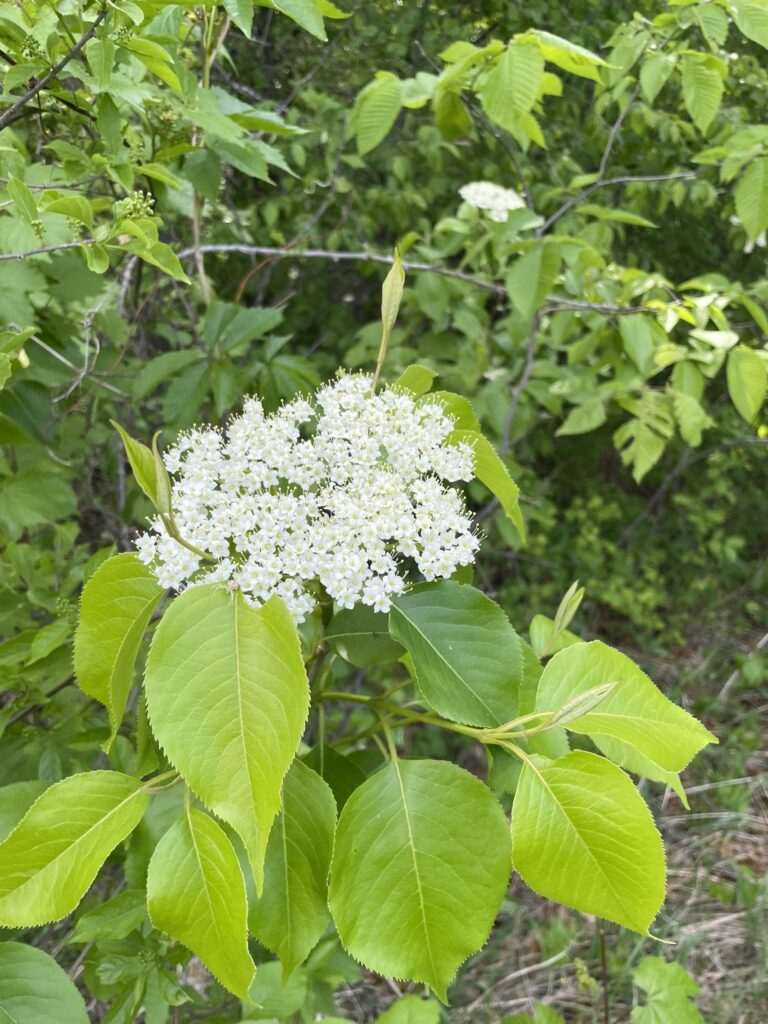
Downy Arrow-Wood – Viburnum rafinesquianum

Native To State: YES
Naturally Occurring: YES

Description

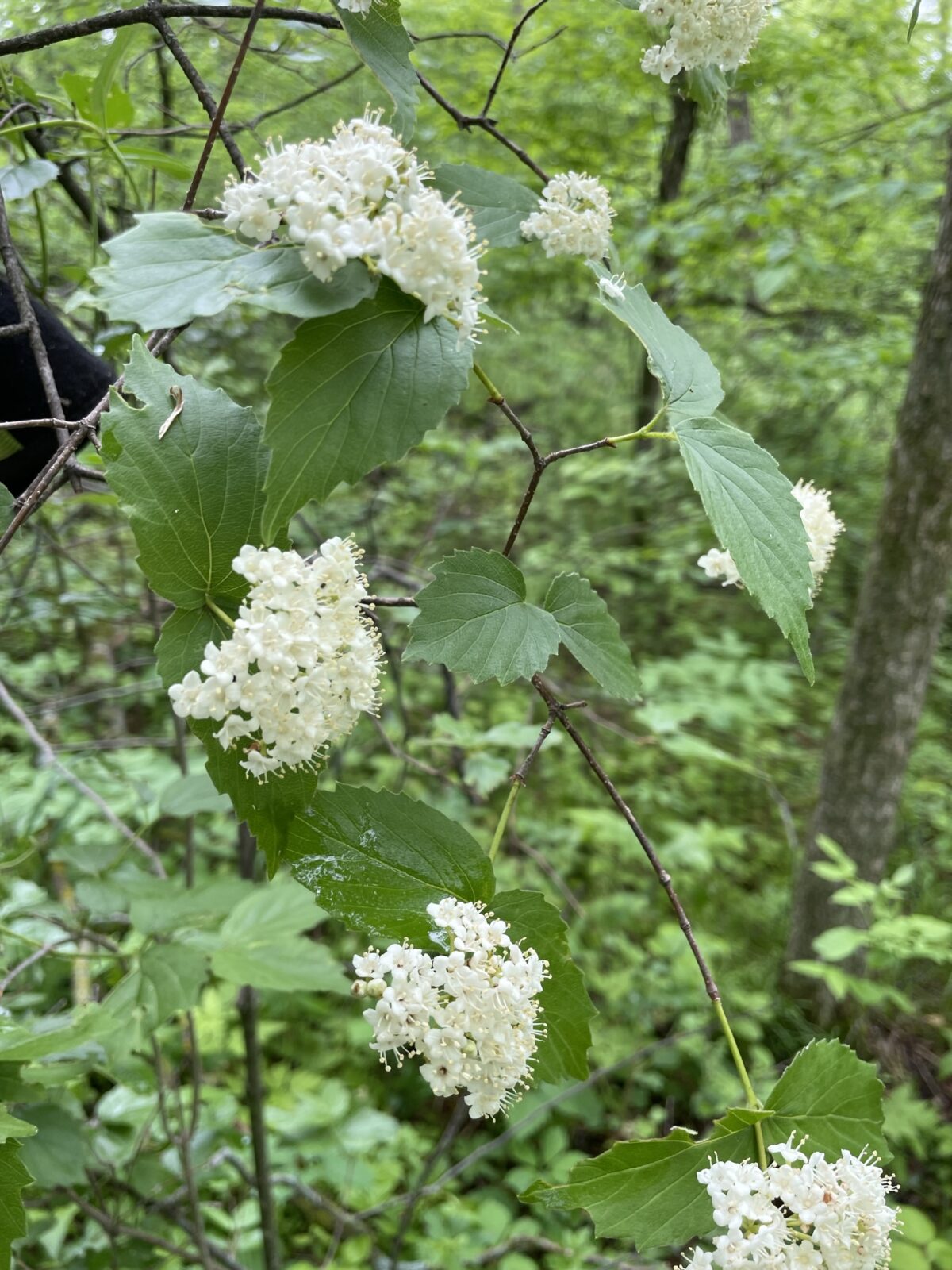
Appearance: Viburnum rafinesquianum is a deciduous shrub known for its opposite leaves, white flowers, and blue-black berries.

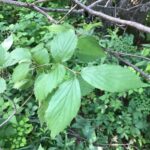
Leaves: The leaves are opposite, simple, and have a serrated margin. They are typically pubescent (covered in fine hairs).

Flowers: The plant produces small, white, flat-topped clusters of flowers.

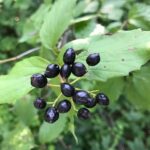
Fruit: The fruit is a small, blue-black berry.

Habitat: It is commonly found in woodlands and along the edges of forests.

Distribution: Downy arrowwood is native to eastern North America.

Occurance
Found sporadically in the woods on the property – notably in the large brush island

Swamp Red Currant – Ribes triste

Native To State: YES
Naturally Occurring: YES

Description

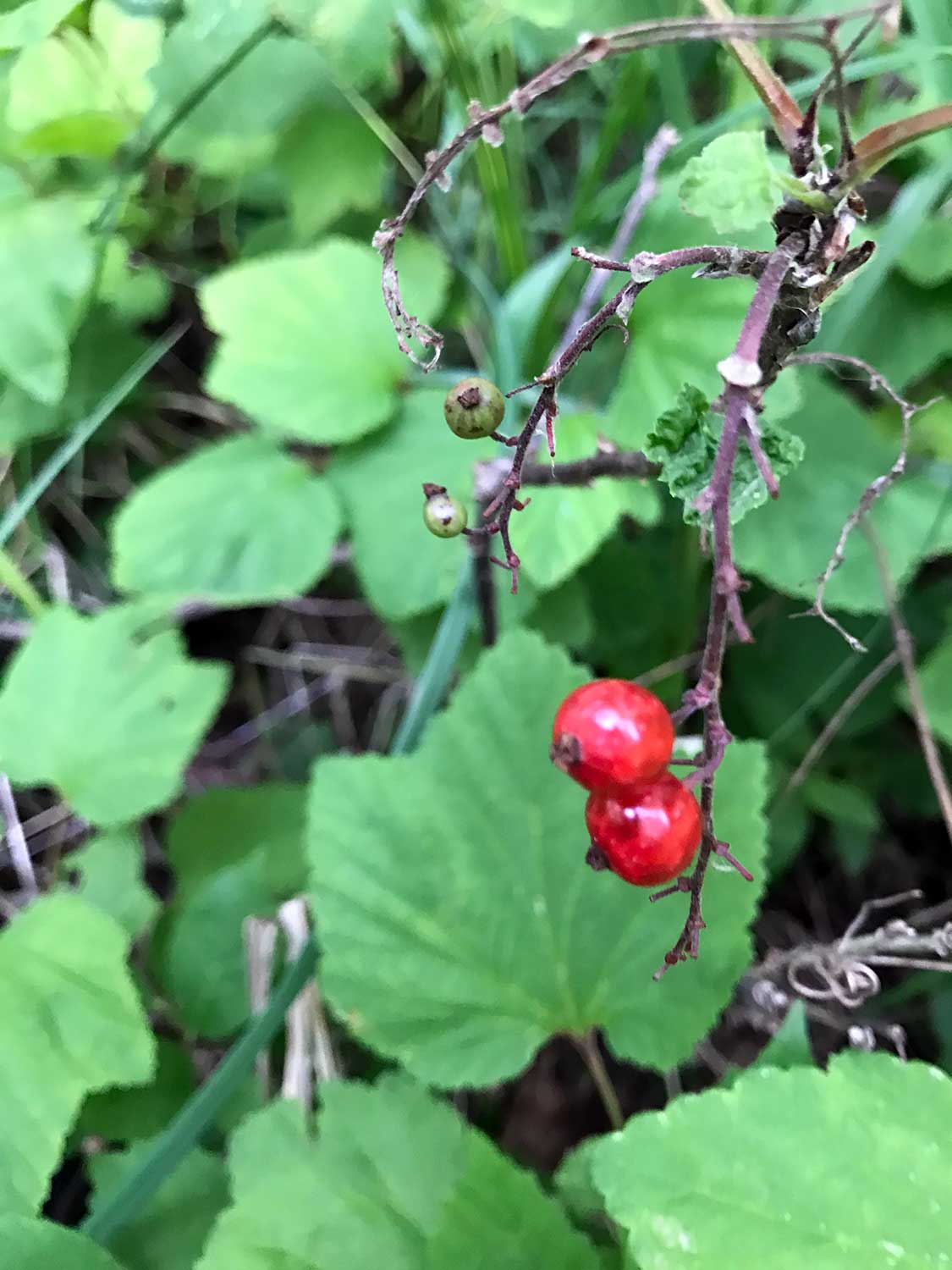
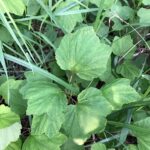
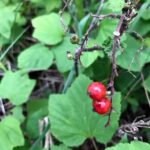
Appearance: Ribes triste is a deciduous shrub known for its red berries and lobed leaves.

Leaves: The leaves are alternate, palmately lobed, and have toothed margins.

Fruit: The fruit is a red, berry-like drupe.

Habitat: It is commonly found in woodlands, often in moist or shaded areas.

Distribution: Wild red currant is native to eastern and central North America.

Occurrence
Found on north end of property

Smooth Sumac – Rhus glabra

Native To State: YES
Naturally Occurring: YES

Description

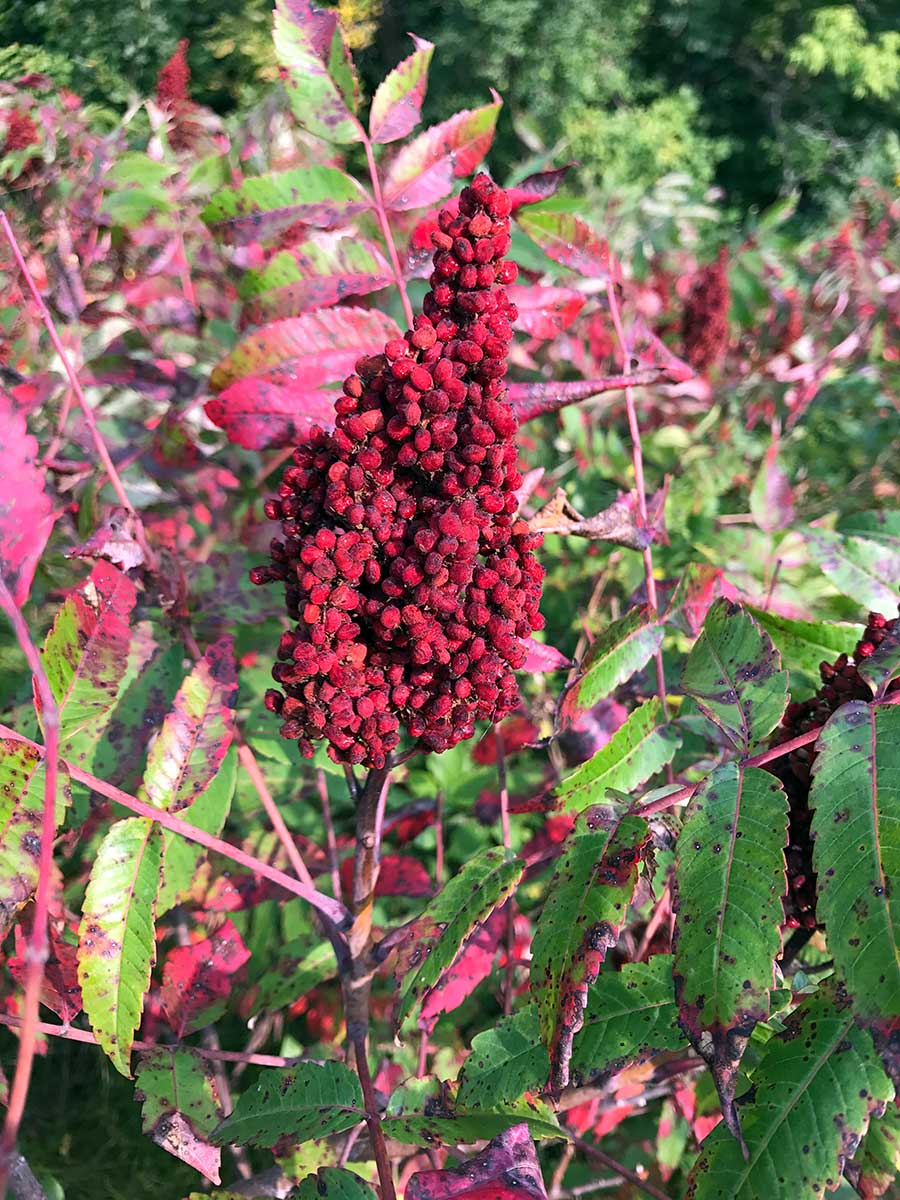
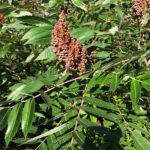
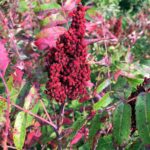
Appearance: Rhus glabra is a deciduous shrub known for its pinnately compound leaves and conical clusters of red, hairy berries.

Leaves: The leaves are pinnately compound, with multiple leaflets.

Flowers: The plant produces small, greenish-yellow flowers in dense, conical clusters.

Fruit: It bears dense, conical clusters of red, hairy berries.

Habitat: It is commonly found in open woodlands, fields, and along roadsides.

Distribution: Smooth sumac is native to North America.

Occurance
Widespread in open areas forming massive colonies.

Nannyberry – Viburnum lentago

Native To State: YES
Naturally Occurring: YES

Description

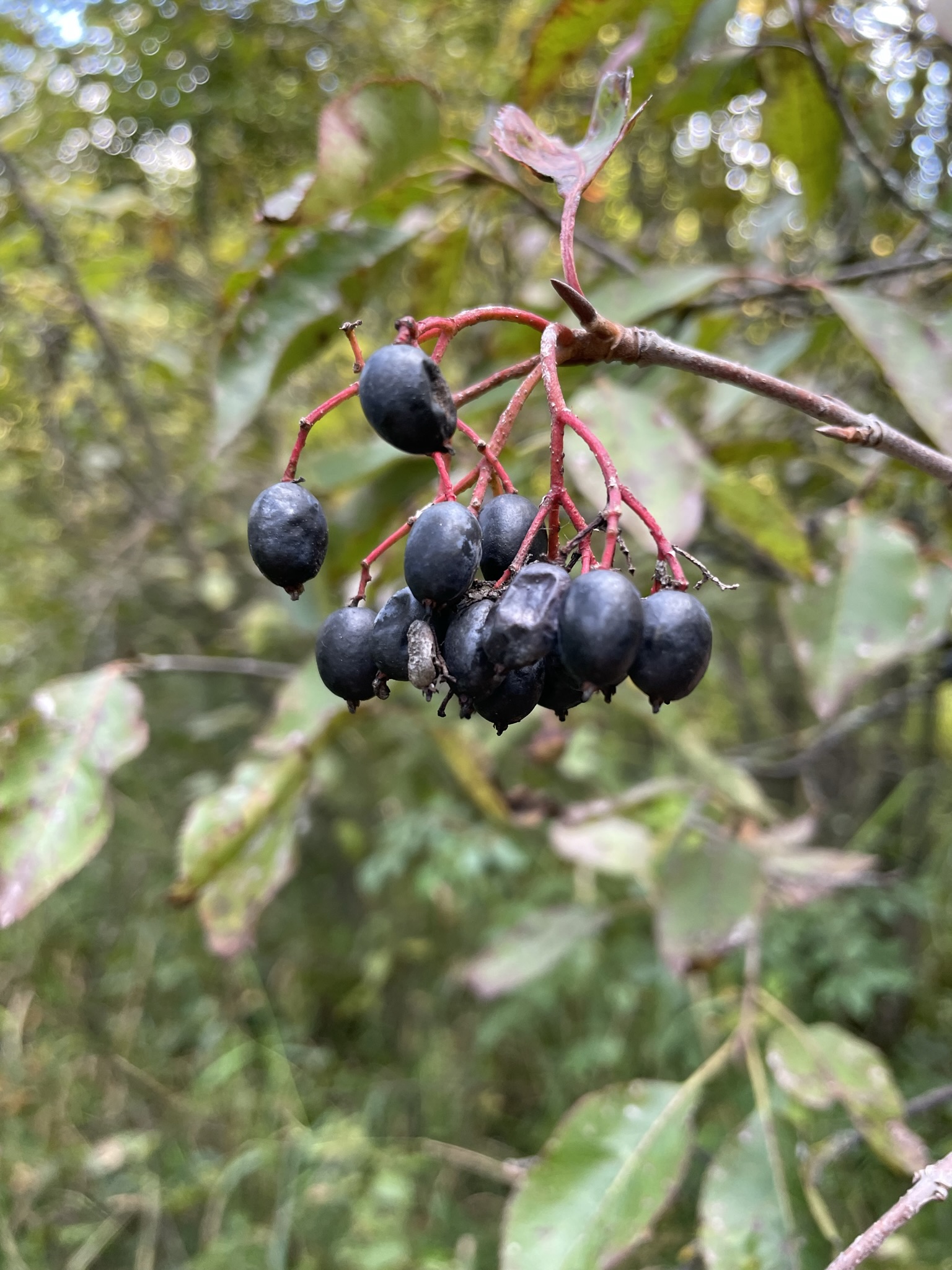
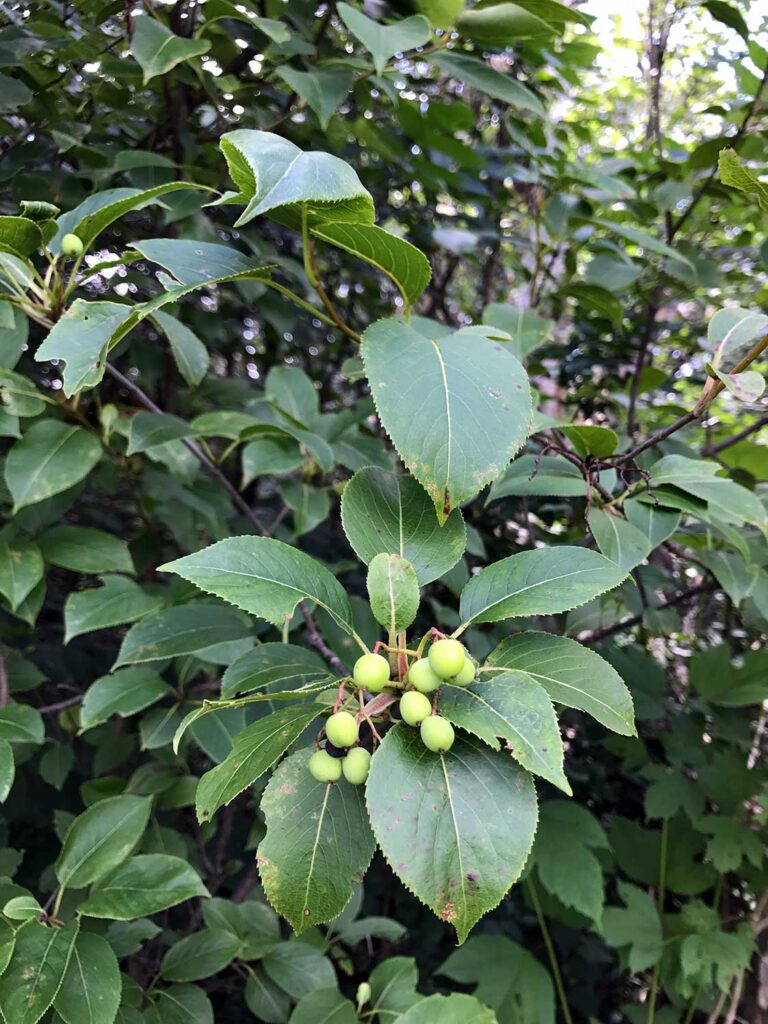
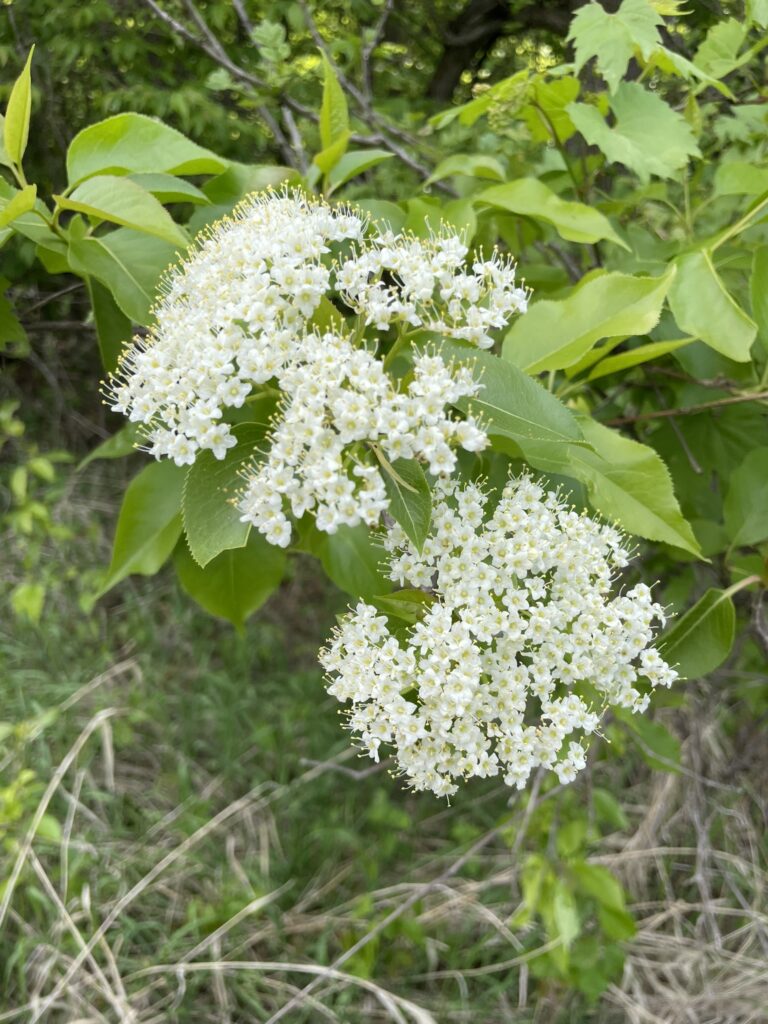
Appearance: Viburnum lentago is a deciduous shrub or small tree known for its opposite, toothed leaves and clusters of white flowers.

Leaves: The leaves are opposite, toothed, and typically have a lance-shaped appearance.

Flowers: The plant produces clusters of small, white, five-petaled flowers.

Fruits: It produces dark blue to black berries.

Habitat: It is commonly found in woodlands and along stream banks.

Distribution: Nannyberry is native to eastern North America.

Occurance
Found throughout the property – mostly near lower moist areas.

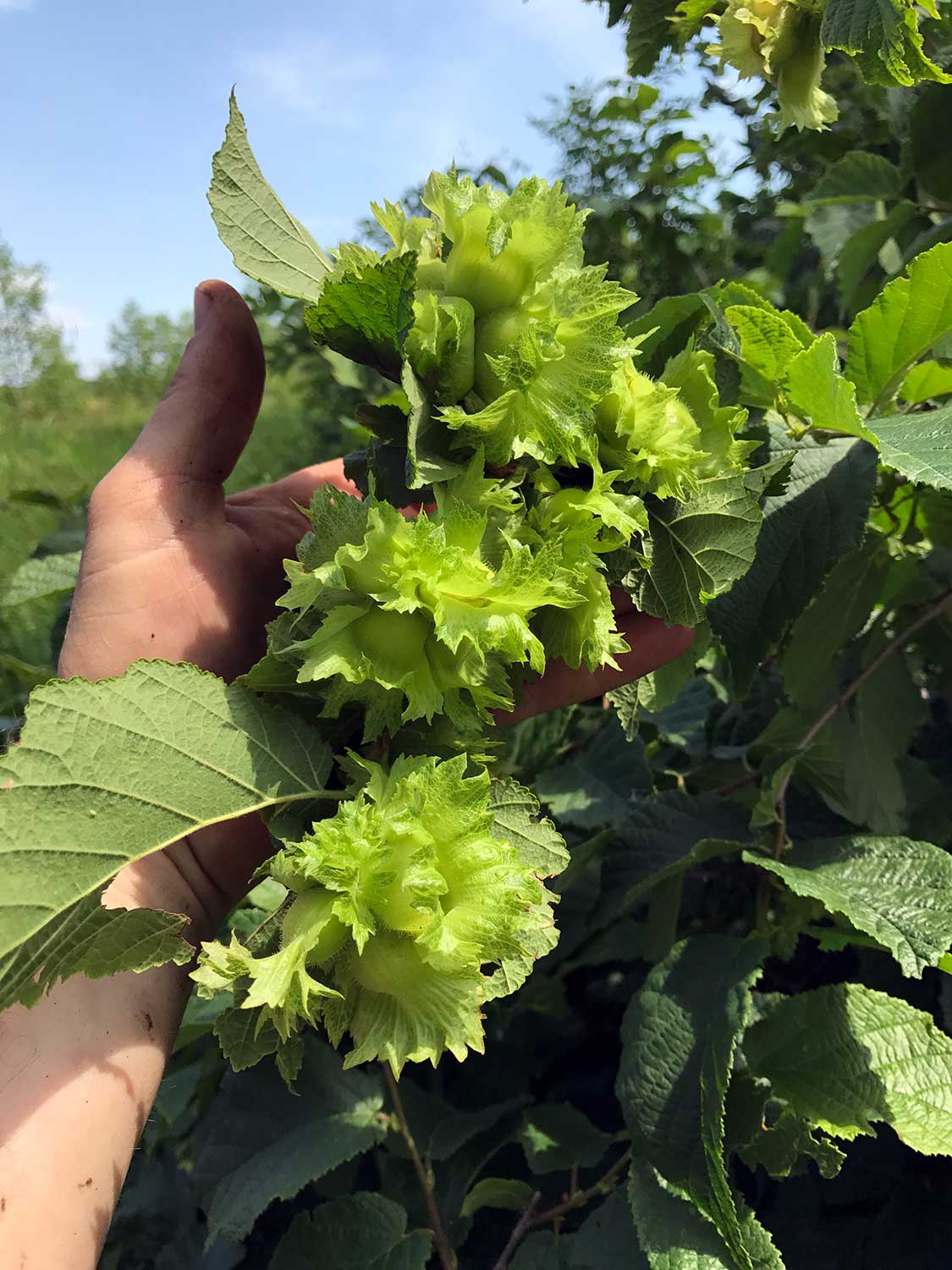
American Hazelnut – Corylus americana

Native To State: YES
Naturally Occurring: YES

Description

Appearance: Corylus americana is a deciduous shrub known for its round, serrated leaves and the production of edible hazelnuts.

Leaves: The leaves are simple, round, and serrated.

Flowers: It produces inconspicuous, catkin-like flowers.

Fruits: The plant forms round, edible hazelnuts.

Habitat: It is commonly found in woodlands and along stream banks.

Distribution: American hazelnut is native to North America.

Nuts are seldom left in fall due to squirrels and worms.

Occurrence
Found throughout property on the wood edges – especially along old fence lines.

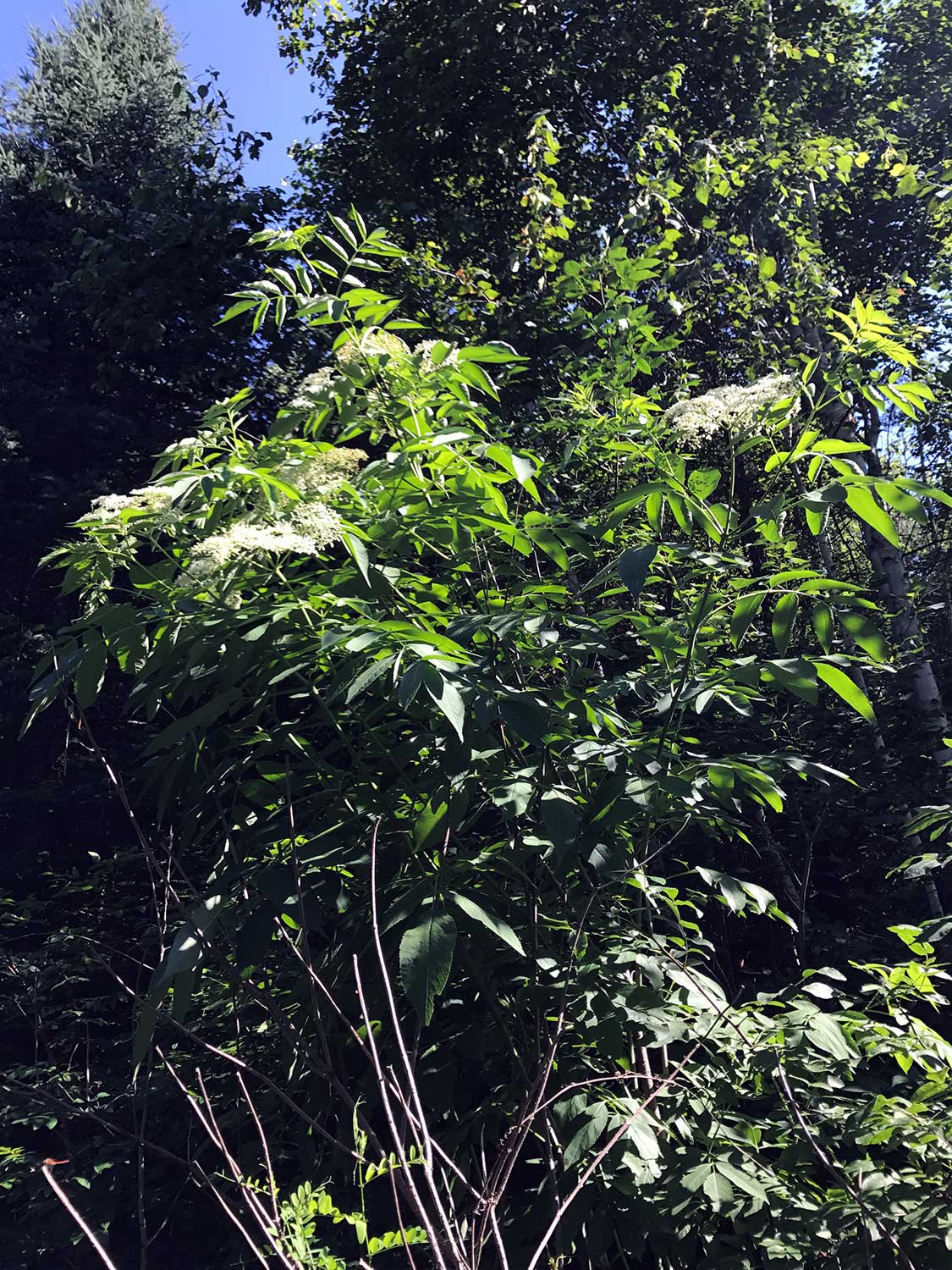
Black Elderberry – Sambucus nigra

Native To State: YES
Naturally Occurring: NO

Description

Sambucus nigra, or elderberry, is a deciduous shrub or small tree belonging to the Adoxaceae family. Here are some key identification characteristics:

Size and Growth: Elderberry typically grows as a multi-stemmed shrub, reaching heights of 6 to 12 feet (1.8 to 3.6 meters). Occasionally, it can grow as a small tree up to 20 feet (6 meters) tall.

Leaves: The leaves are compound, opposite, and pinnately divided into 5 to 9 leaflets. Each leaflet is ovate and sharply serrated along the edges. The leaf color is dark green.

Flowers: Elderberry produces large, flat-topped clusters of creamy white to ivory flowers. These fragrant flowers have five petals and bloom in late spring to early summer.

Fruit: The fruit of Sambucus nigra is a small, dark purple to black berry, commonly known as elderberries. The berries are clustered in drooping bunches and are edible when fully ripe. They are commonly used to make jams, syrups, and other culinary delights.

Bark: Young stems have a smooth and greenish-brown bark, while older branches develop rough and grayish bark with corky ridges.

Habitat: Elderberry is native to Europe and North America and can be found in a variety of habitats, including woodlands, hedgerows, and stream banks. It often thrives in moist and fertile soils.

Distribution: The species has a broad distribution range, occurring across various regions of Europe and North America.

Other Species: There are other species of elderberry, but Sambucus nigra is one of the most commonly recognized and cultivated for its culinary and medicinal uses.

Elderberry has a long history of traditional uses, with both its flowers and berries having culinary and medicinal applications. However, it’s essential to note that not all parts of the elderberry plant are edible, and some parts can be toxic. Therefore, it’s crucial to be certain about its identification and proper use before consuming or using elderberry for any purpose. If in doubt, consult an expert or reliable field guide for confirmation.

Occurrence
One established specimen along the main trail south of the marsh planted in 2013.

Prickly Ash – Zanthoxylum americanum

Native To State: YES
Naturally Occurring: YES

Description

Appearance: Zanthoxylum americanum is a deciduous shrub or small tree known for its compound leaves and prickly branches.

Leaves: The leaves are pinnately compound with serrated leaflets.

Thorns: It has stout, sharp thorns on the branches.

Fruit: It produces clusters of small, red berries.

Bark: The bark is grayish and rough.

Habitat: It is commonly found in woodlands and along streams.

Distribution: Common prickly ash is native to North America.


Small single-stemmed shrub up to 10′ that is covered in sharp thorns. A member of the Citrus family, Prickly ash bears smaller than pea sized berries that have a sharp citrus smell and will cause numbing of the mouth if eaten.

Occurrence
Widespread on the property and while native, is considered invasive due to the thorns and spreading habit.