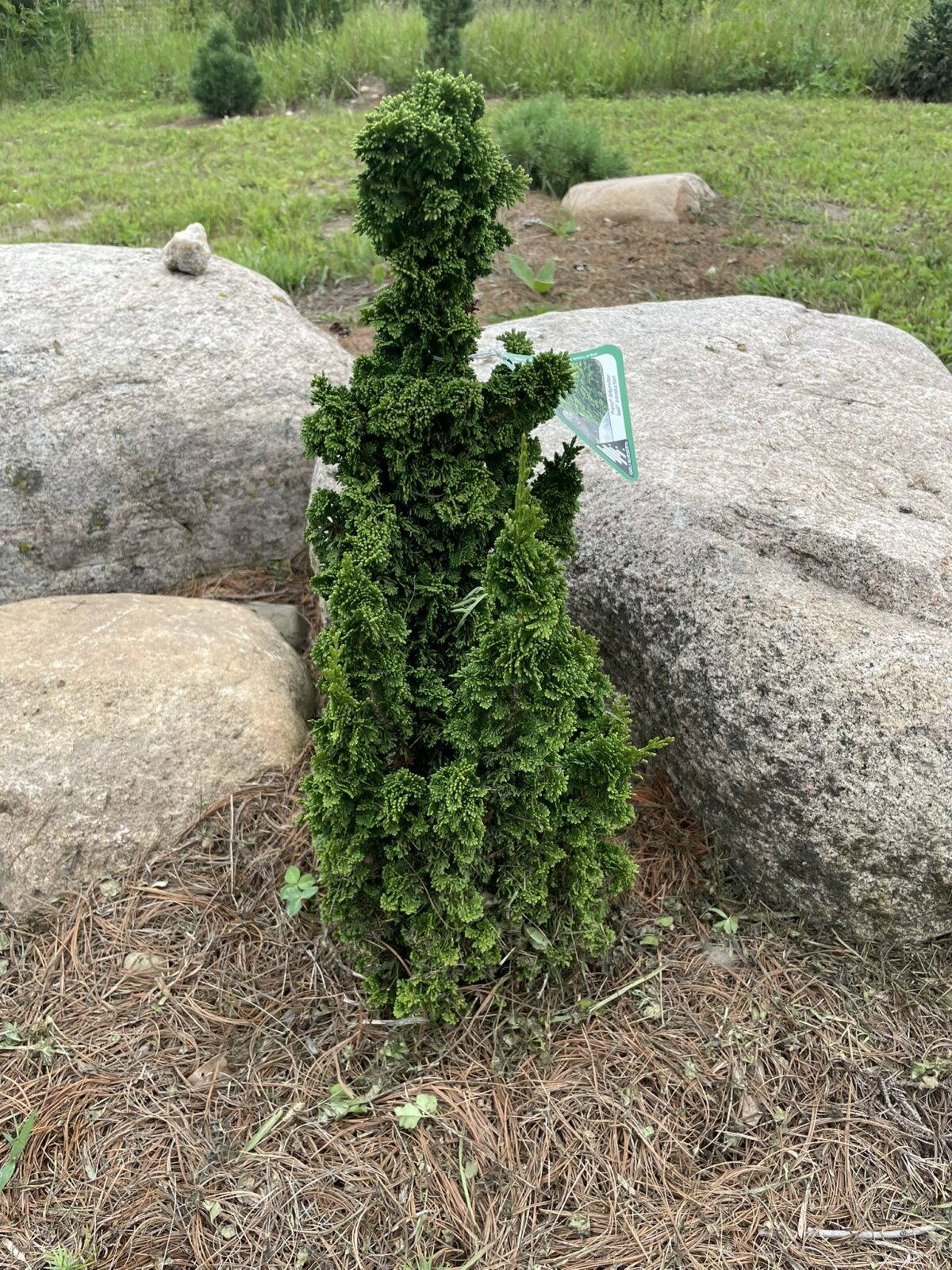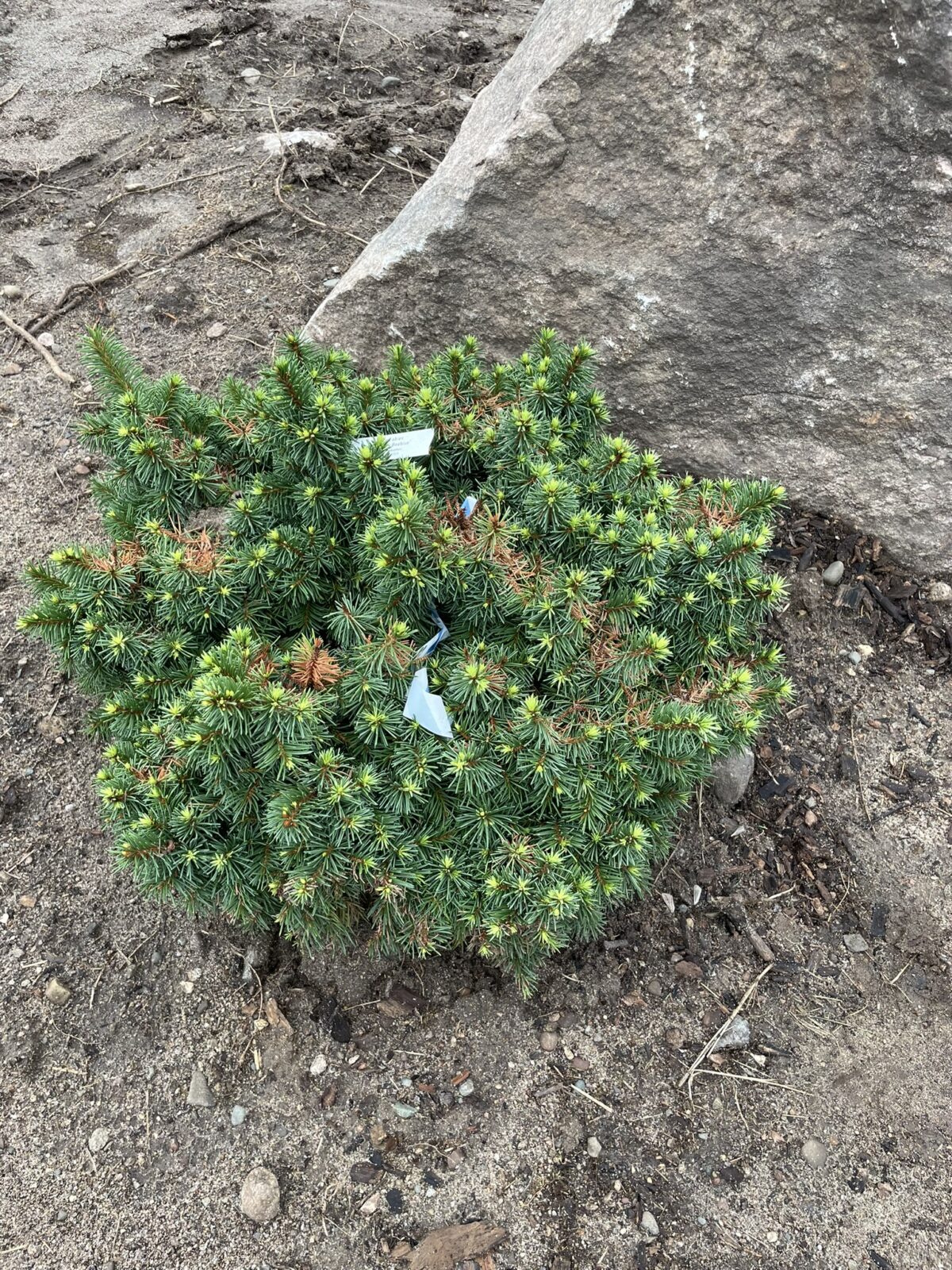
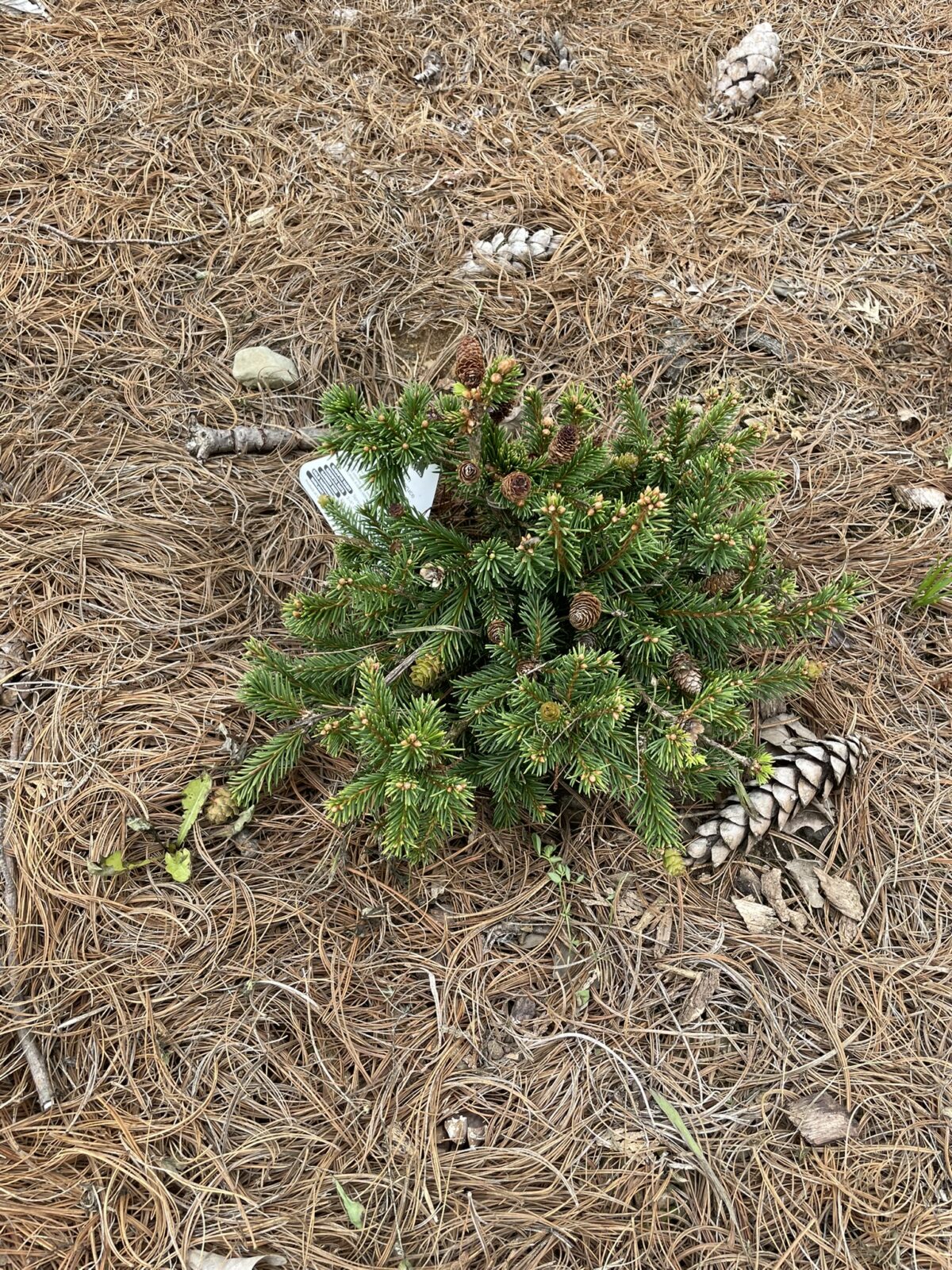
Pusch Norway Spruce (Picea abies ‘Pusch’)

Named the American Conifer Society, Collector’s Conifer of the Year in 2008, the small, slow-growing Picea abies ‘Pusch’ is a witch’s broom from P.a. ‘Acrocona’ that produces loads of bright red cones on many short branches in spring. The tiny cones brown as they age, but continue to decorate the irregular, dwarf variety year-round. Globose when young, the small spruce develops an upright broad shape with maturity. It is extremely hardy and grows well in full sun or part shade. 2’H x 3’W Zone 3
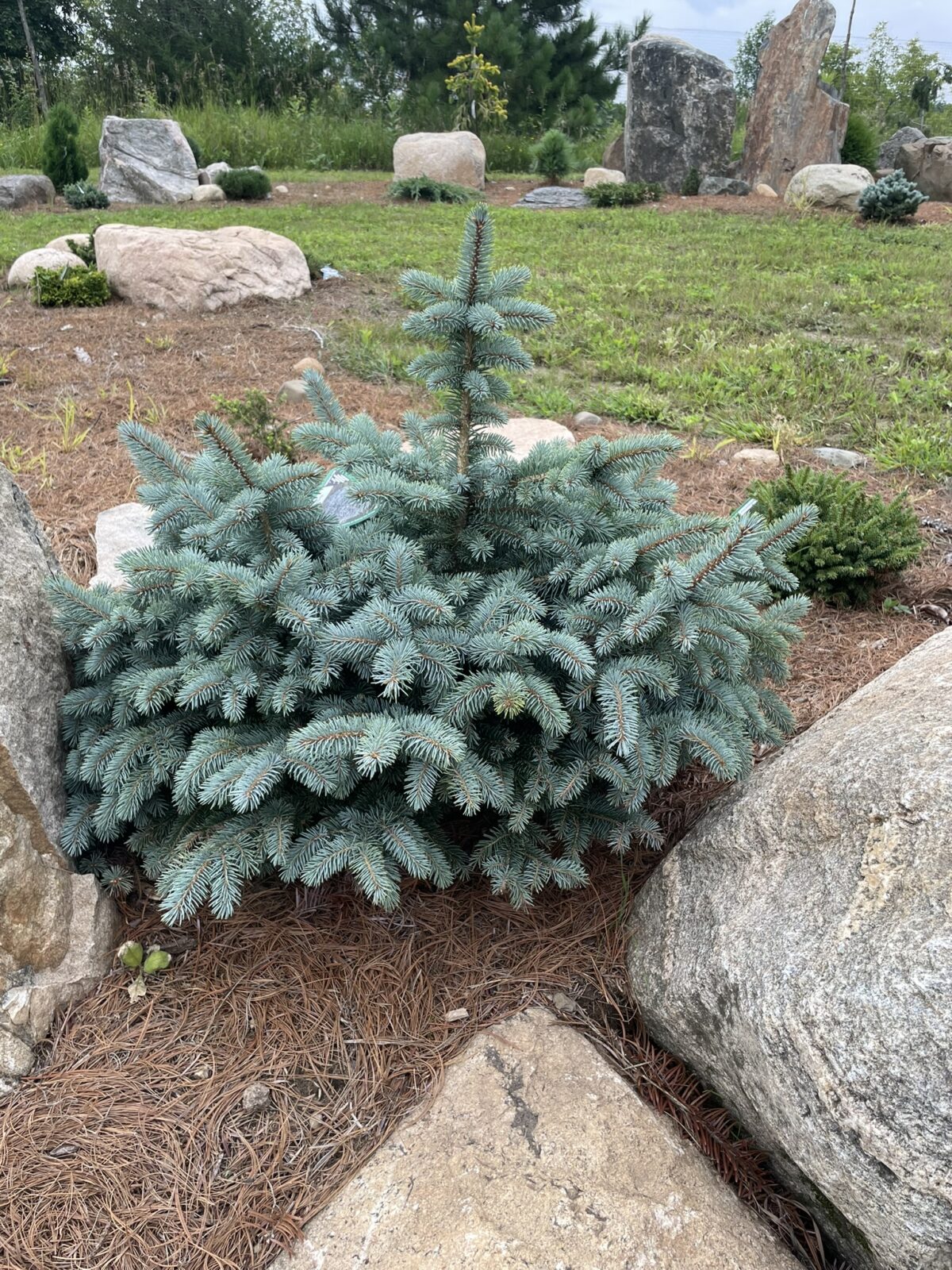
Montgomery Blue Spruce (Picea pungens ‘Montgomery’)

Picea pungens ‘Montgomery’ is an outstanding and industry standard silver-blue spruce that was originally part of the conifers accumulated by dedicated collector, Col. R.H. Montgomery. Prior to selling his Greenwich, Connecticut, estate, he donated his entire collection to the New York Botanical Garden, and this Picea pungens was named to honor him during the dedication of the Montgomery Conifer Collection in May, 1949. The original plant can still be seen there today. The slow-growing, dwarf spruce is globe-shaped when young, but it will eventually form a leader as it matures and develop an upright, broad shape that is wider than tall. 8’H x 6’W Zone 2

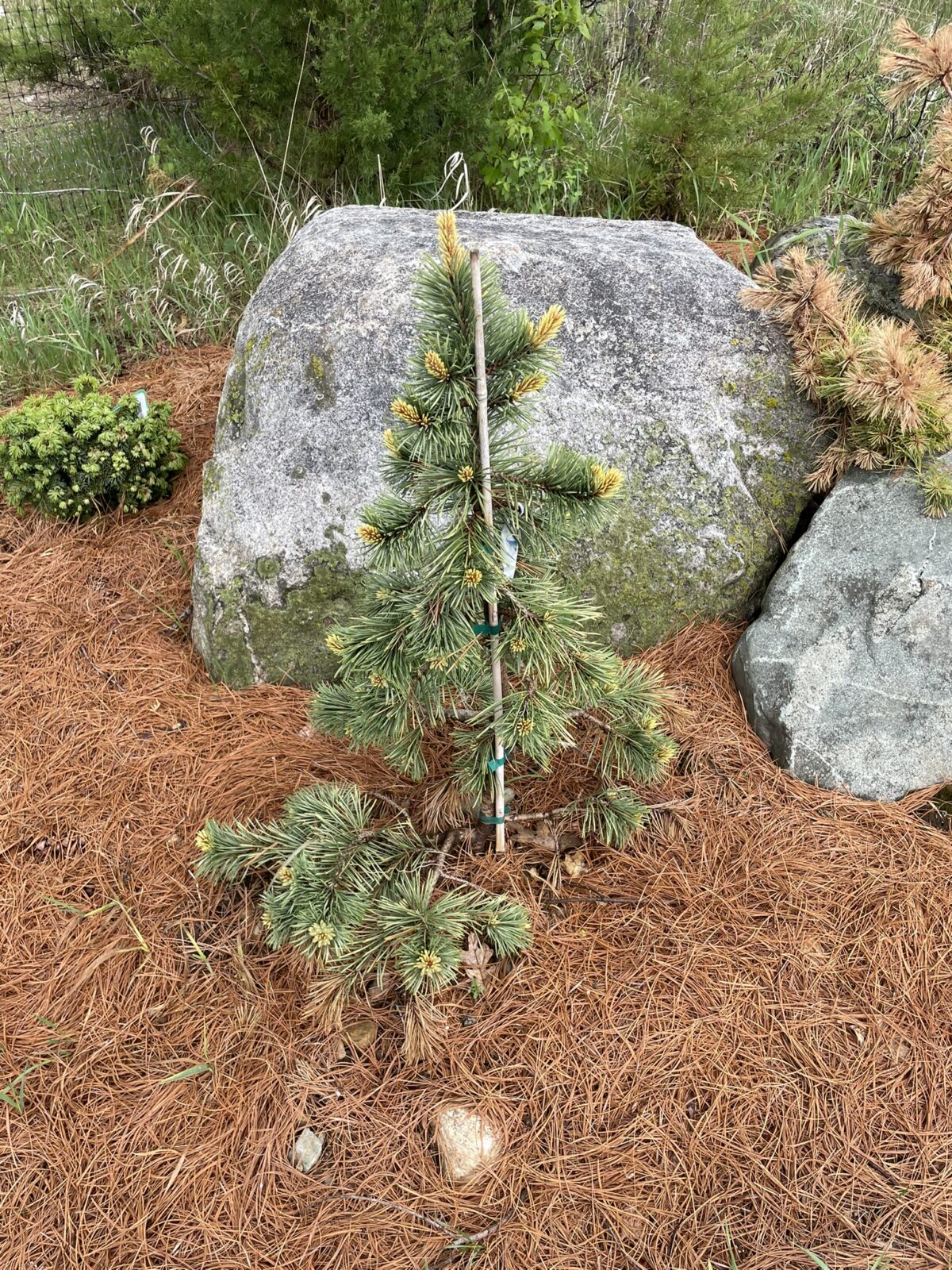
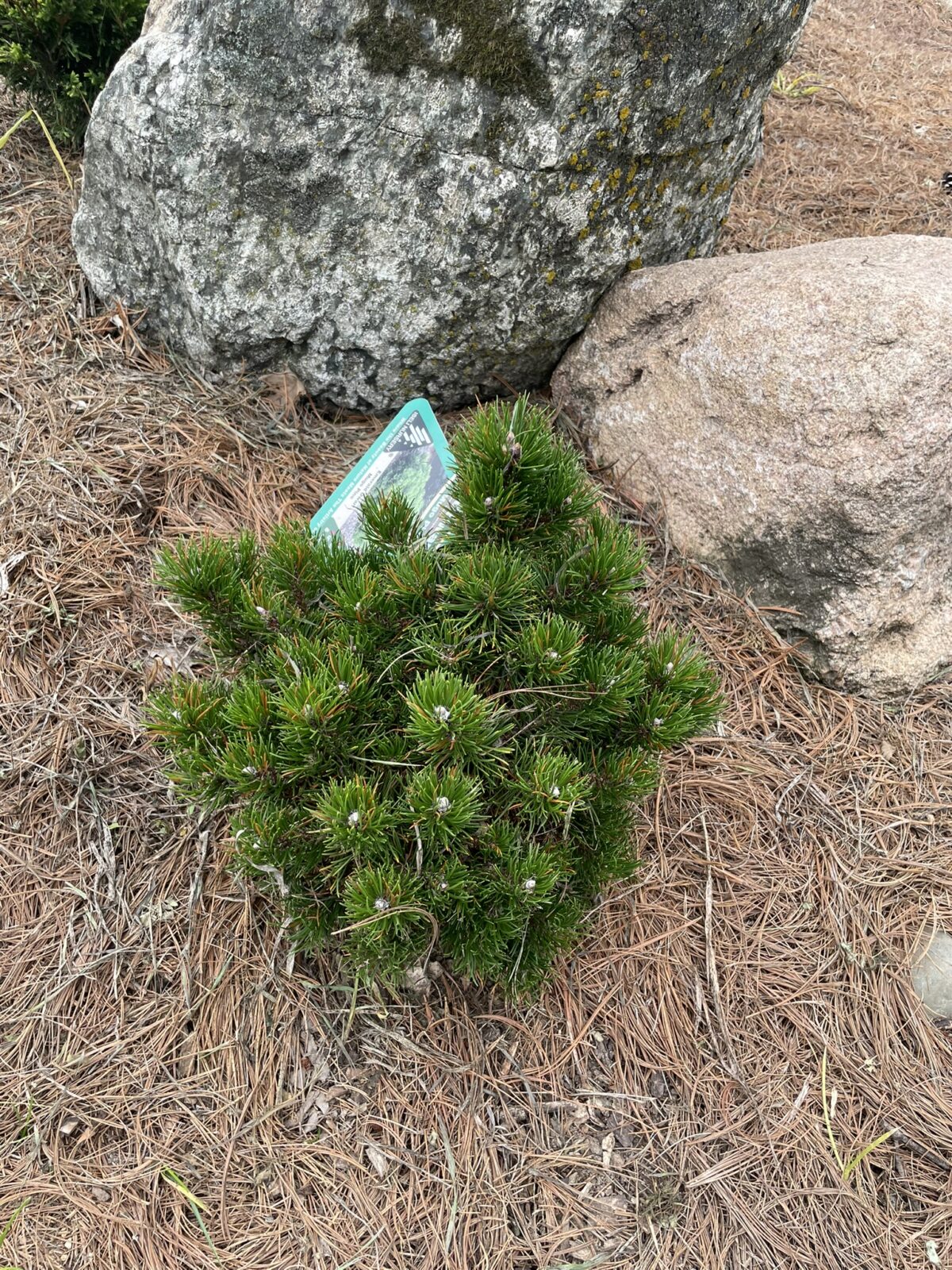
Emerald Dwarf Mugo Pine (Pinus Mugo ‘Emerald Dwarf’)

Emerald Dwarf Mugo Pine has fresh green medium length needles and an attractive cluster of brown buds form a very slow growing, tight cushion. With its tidy uniform shape, ‘Emerald Dwarf ’ provides another choice for a low maintenance and reliable garden element which performs well in the rock garden and in containers. 1.5’H x 3’W Zone 2

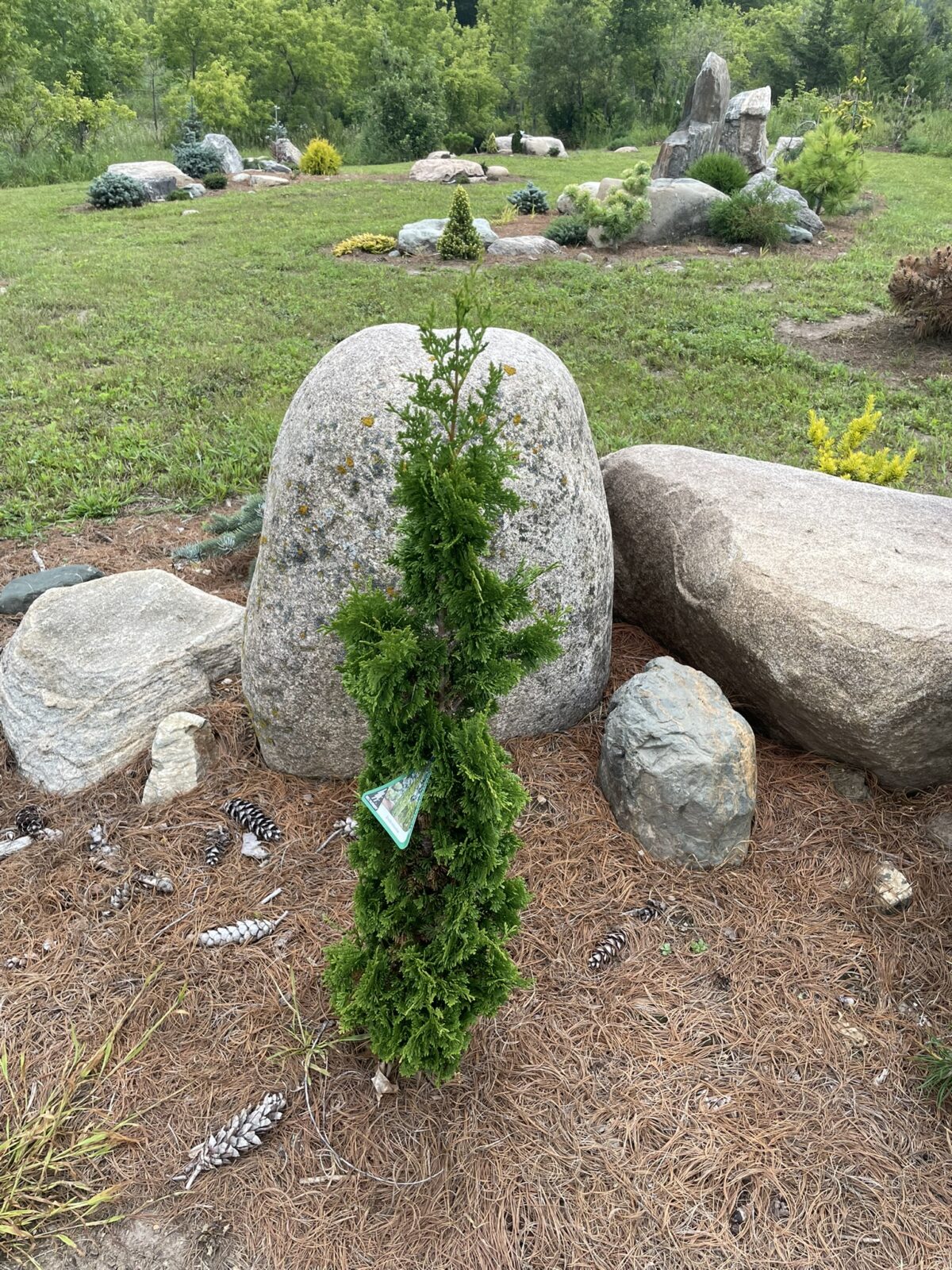
Primo Arbor Vitae (Thuja occidentalis ‘IslPrim’)

Rich, deep green summer color combines with the compact textural foliage and naturally sculpted spire-like shape making this new selection an unexpected breakthrough for the hardy common Arborvitae. With a bronzed winter color, a very young tree has proportions perfect for miniscapes or container gardening. As it ages, an elegant small tree develops. The natural character as a specimen is the finest quality a conifer can offer the landscape in either cold or moderate climates. 4’H x 1’W Zone 4

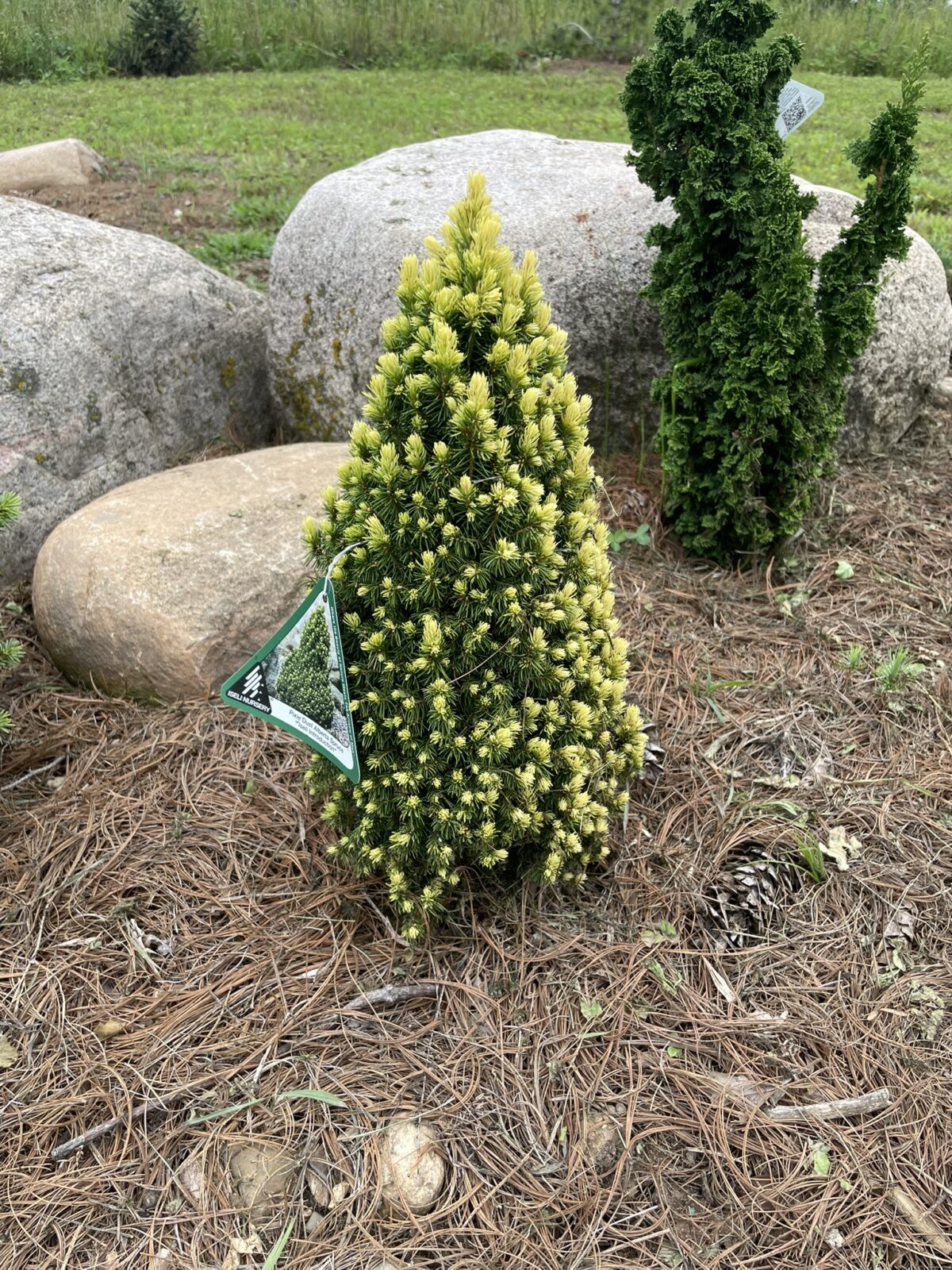
Pixie Dust Alberta Spruce (Picea glauca ‘Pixie Dust’)

Extremely dense, compact and slow growing, the miniature selection, Picea glauca ‘Pixie Dust’, resembles P.g. ‘Conica’ in form, but offers a special feature. When the second flush of growth emerges in summer, the new tips are yellow, a surprising effect that contrasts dramatically with the deep green, mature foliage. Chosen by the American Conifer Society as 2006 Collector’s Conifer of the Year, this adaptable cultivar produces a magical effect in trough, container or rock garden. Provide ample moisture and full sun for the best color on this sport of ‘Pixie’ that was discovered at Iseli Nursery. 1.5’H x 6″W Zone 4

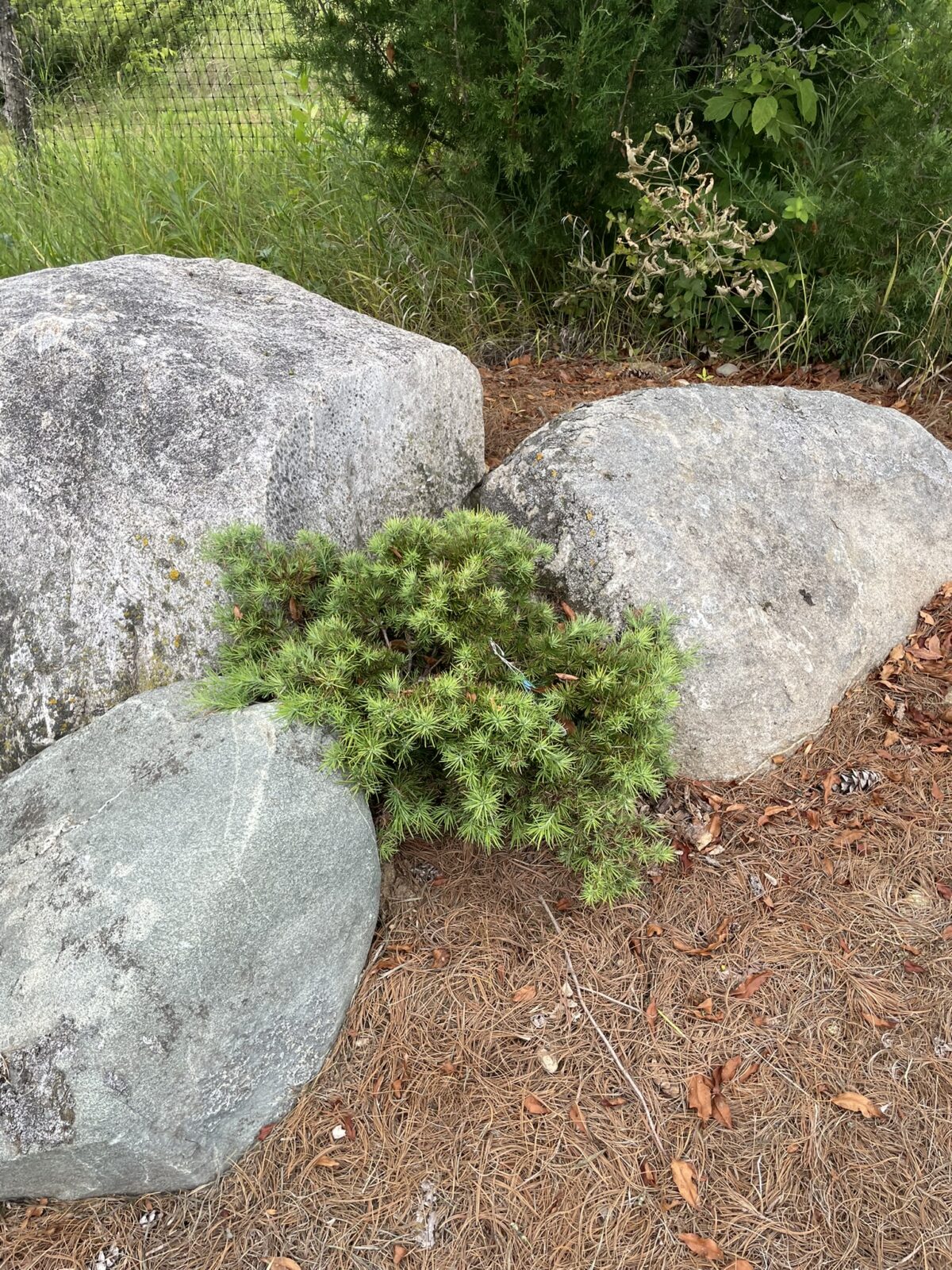
Romberg Park Dahurian Larch (Larix gmelinii ‘Romberg Park’)

Larix gmelinii ‘Romberg Park’ is a superb dwarf, deciduous conifer that will develop tufts of short branches giving it appeal in all seasons. In early spring, it is one of the first to push growth, programmed from its cold native habitat and short growing season to take full advantage of warming temperatures. The softly textured, light green needles change to yellow in fall, and then drop to reveal the plant’s many short stems for winter interest. Plant in light, well-drained soil in a sunny garden. 6’H x 6’W Zone 2

Lanham’s Beehive Spruce (Picea abies ‘Lanham’s Beehive’)

The late Gary Lanham found this unusual, boldly textured, compact Norway Spruce in 1994 in Kentucky, a witch’s broom nearly 10′ up in a mature Picea abies. Intrigued by the interesting beehive form, Gary took it to Klein’s Nursery in Louisville, and from there, it made its way to Iseli Nursery. The needles of Picea abies ‘Lanham’s Beehive’ are longer and thicker than other dwarf cultivars and they have a slight glaucous tint. These features, combined with prominent, cinnamon colored stems and buds, create a dramatic effect. 3’H x 4’W Zone 3

Taylor’s Sunburst Lodgepole Pine (Pinus contorta ‘Taylor’s Sunburst’)

Brilliant, golden-yellow, new growth erupts in spring and makes Pinus contorta ‘Taylor’s Sunburst’ a vibrant show-stopper. The striking color lasts for weeks, then gradually softens to a light, yellow-green as the foliage hardens. In spring, tiny red cones add contrast to this extraordinary Lodgepole Pine that was introduced by Alan Taylor, who found it high in the Colorado Rockies. 12’H x 8’W Zone 4

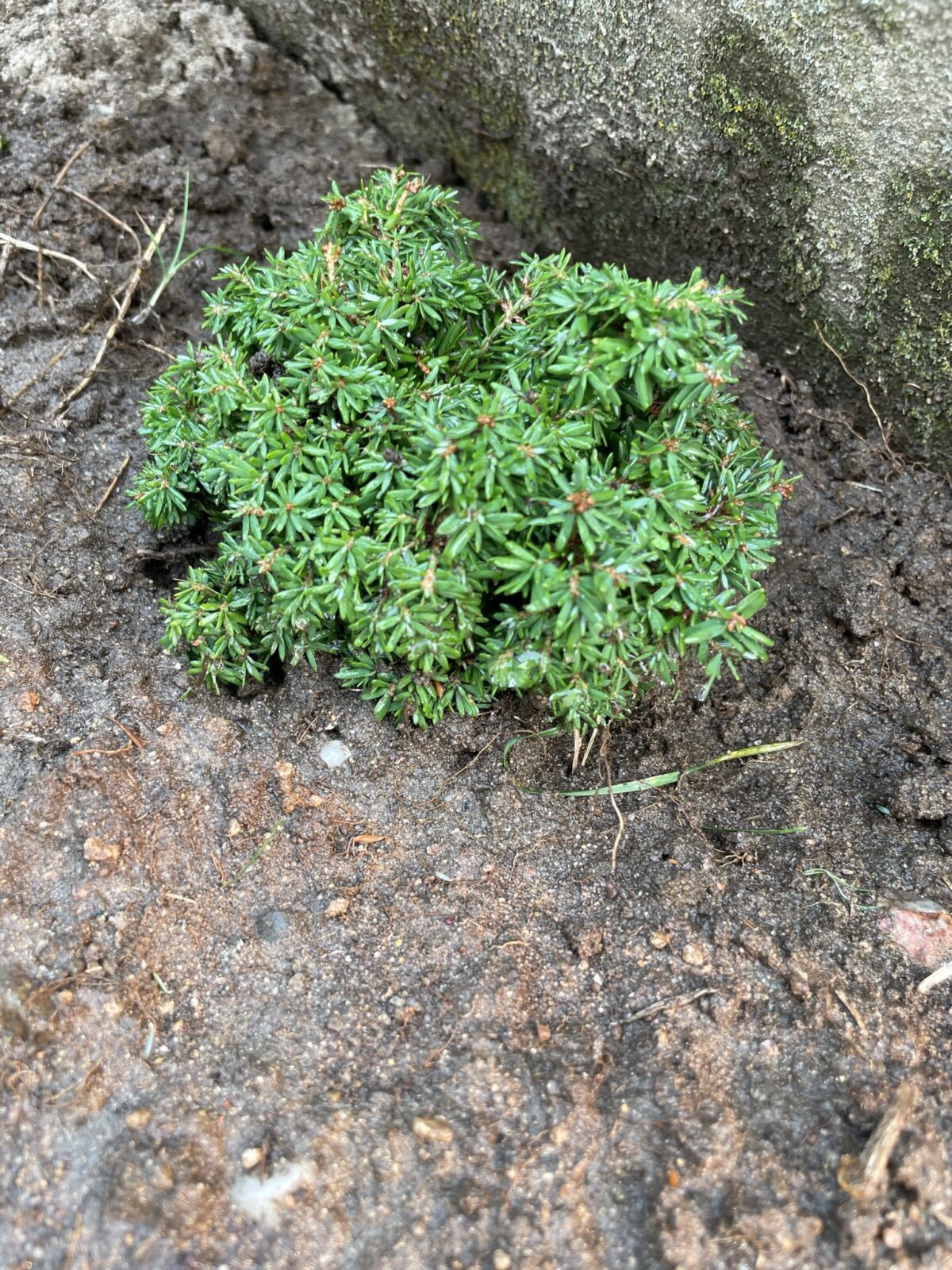
Abbott’s Pygmy Canadian Hemlock (Tsuga canadensis ‘Abbott’s Pygmy’)

Don’t step on this mini-conifer, which is among the smallest of any in the genus. Site Tsuga canadensis ‘Abbott’s Pygmy’ where the tiny globe with its miniature, dark green leaves will be easy to see, in a trough, rock garden or raised bed. Despite its diminutive size, the plant is tough and hardy, but it does appreciate protection from hot afternoon sun. Mature size: 2’H x 2’W Zone 4

Zmatlik Arborvitae (Thuja occidentalis ‘Zmatlik’)

Thuja occidentalis ‘Zmatlik’ is medium green throughout spring and summer, but in winter, as temperatures fall, it puts on its winter coat of intense plum-bronze. The winter color is very dramatic and adds to the already interesting texture of this hardy narrow column. Small, scale-like sprays of foliage twist and curl creating a densely foliaged plant than can be enjoyed as a single specimen or planted as a screen. Found as a seedling by Mr. Zmatlik in the Czech Republic in 1984. Mature size: 15’H x 4’W Zone 3