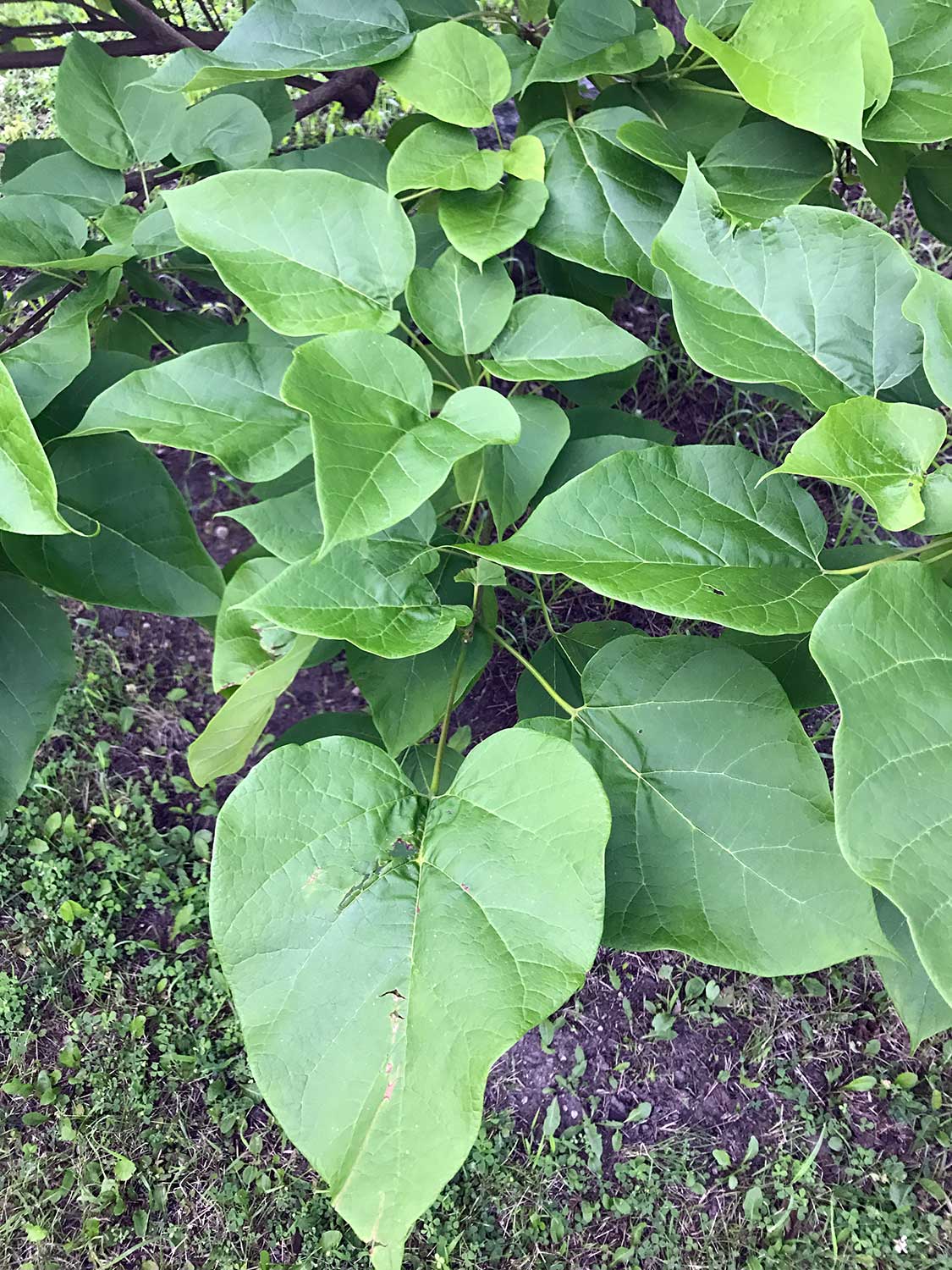
Northern Catalpa – Catalpa speciosa

Native To State: NO
Naturally Occurring: NO

Description

Appearance: Catalpa speciosa is a deciduous tree known for its large, heart-shaped leaves and showy, trumpet-shaped white flowers.

Leaves: The leaves are large, heart-shaped, and typically clustered at the branch tips.

Flowers: It produces showy, white, trumpet-shaped flowers.

Fruit: The tree bears long, slender pods containing seeds.

Habitat: It is commonly found in a variety of habitats, including woodlands and urban areas.

Distribution: Northern catalpa is native to North America.

Occurrence
One specimen planted along farm yard driveway.
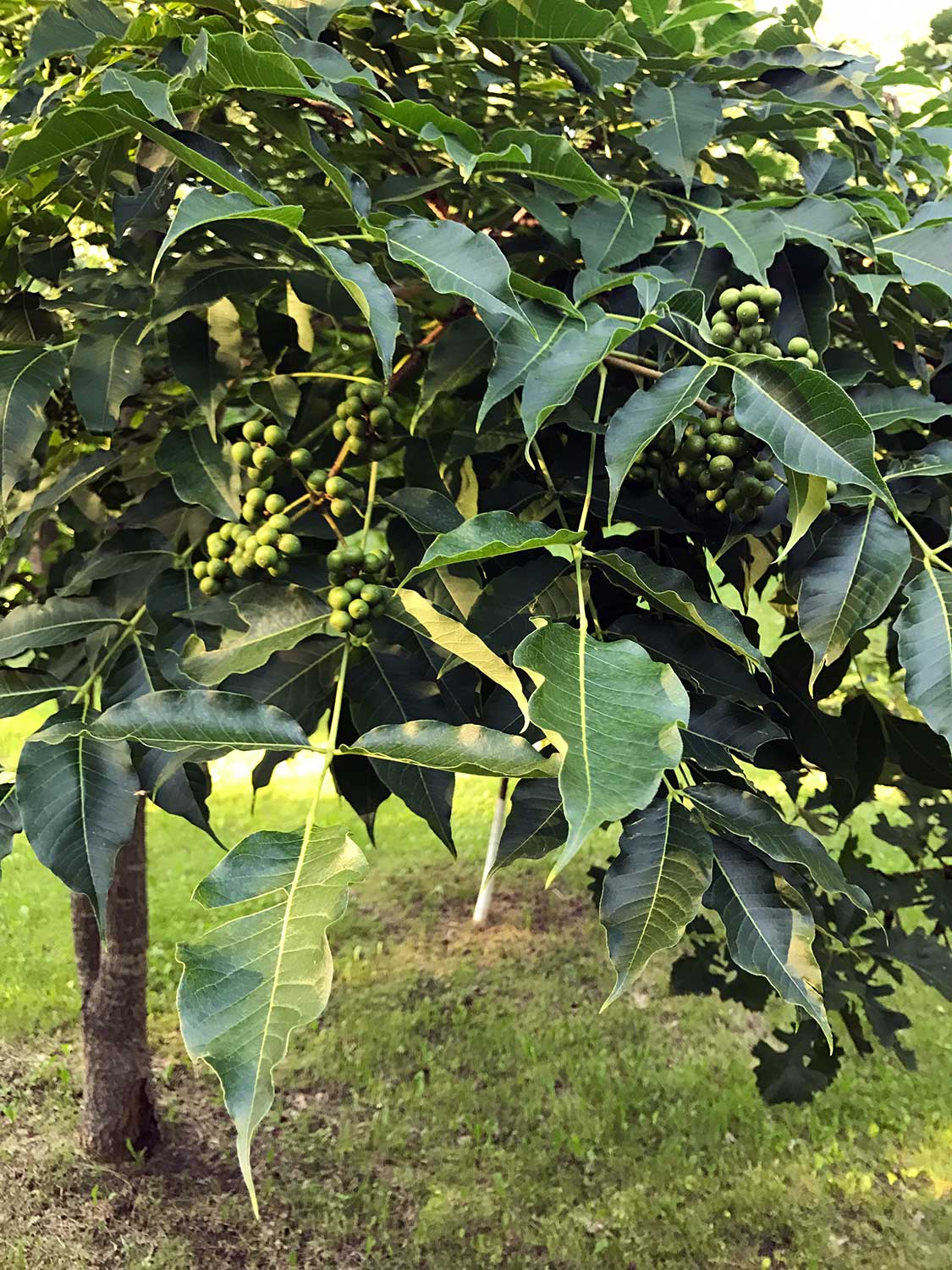
Chinese Cork Tree – Phellodendron amurense

Native To State: NO
Naturally Occurring: NO

Description

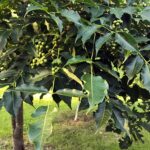
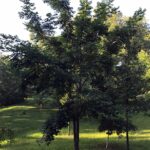
Appearance: Phellodendron amurense is a deciduous tree known for its pinnately compound leaves and small yellow flowers.

Leaves: The leaves are pinnately compound, with several leaflets.

Flowers: It produces small, yellow flowers in clusters.

Bark: The bark is corky and rough.

Fruit: It produces small, black drupes.

Habitat: It is commonly found in various habitats, including woodlands and urban areas.

Distribution: Amur cork tree is native to eastern Asia.

Occurrence
Two mid-sized specimens in the farm yard and seedlings planted along east side of property in 2017.

Ironwood – Ostrya virginiana

Native To State: YES
Naturally Occurring: YES

Description

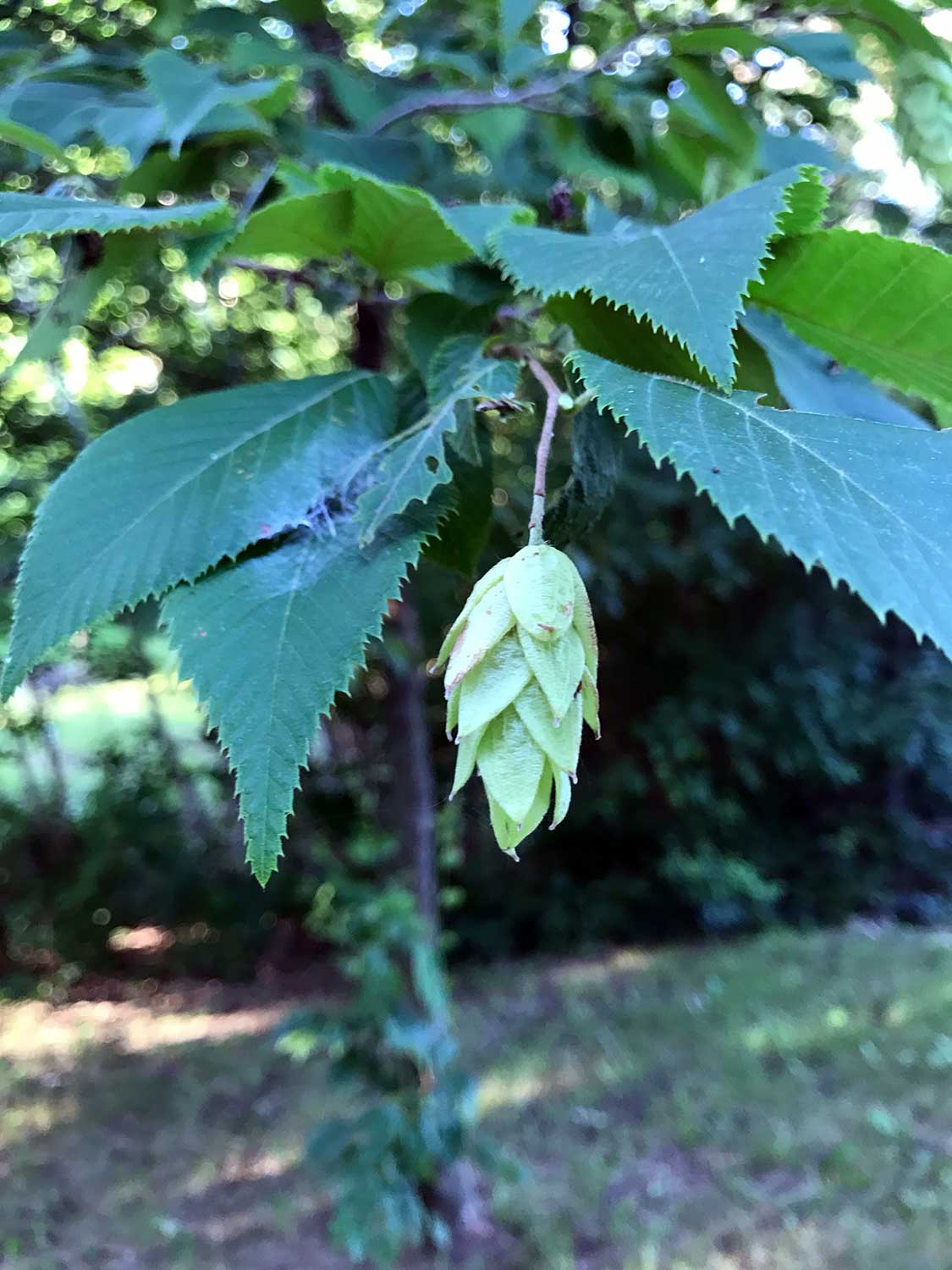
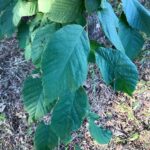
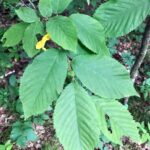
Appearance: Ostrya virginiana is a deciduous tree known for its slender, serrated leaves and hop-like fruit clusters.

Leaves: The leaves are alternate, serrated, and resemble those of birch trees.

Fruit: It produces hop-like clusters of seed pods.

Bark: The bark is grayish-brown and develops a shaggy appearance with age.

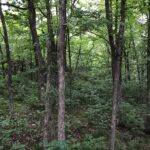
Habitat: It is commonly found in woodlands and along streambanks.

Distribution: American hophornbeam is native to North America.

Occurrence
Widely occurring in the understory of woods in the formerly pastured areas.

Black Locust – Robinia pseudoacacia

Native To State: NO
Naturally Occurring: NO

Description

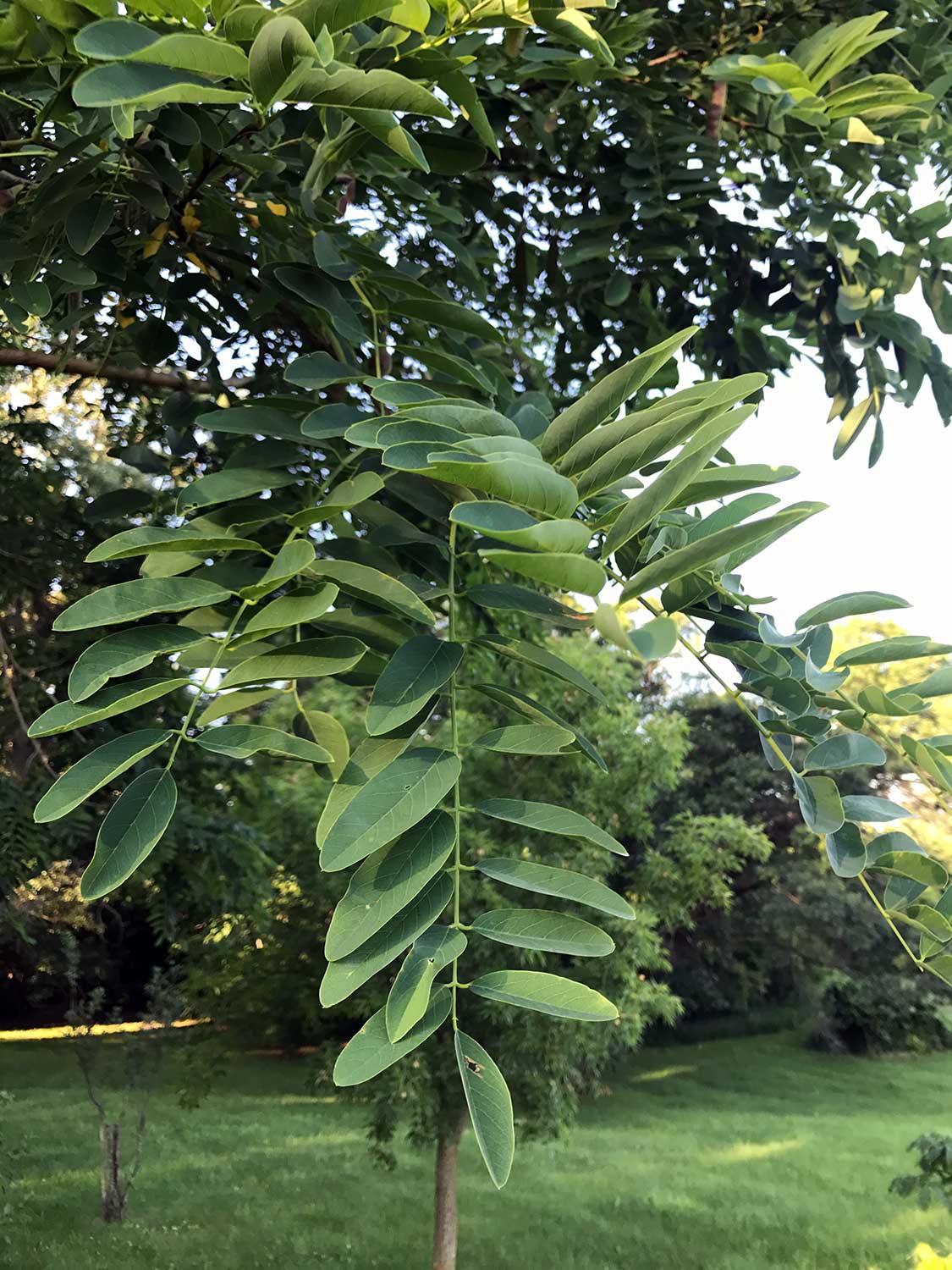
Appearance: Robinia pseudoacacia is a deciduous tree known for its pinnately compound leaves and fragrant white flowers.

Leaves: The leaves are pinnately compound with numerous leaflets.

Flowers: It produces fragrant, white, pea-like flowers in drooping clusters.

Bark: The bark is rough and deeply furrowed.

Fruit: It produces long, brown seed pods.

Habitat: It is commonly found in a variety of habitats, including woodlands and disturbed areas.

Occurrence
Two specimens. One in farm yard and one along fence line off the Hawthorne loop trail.