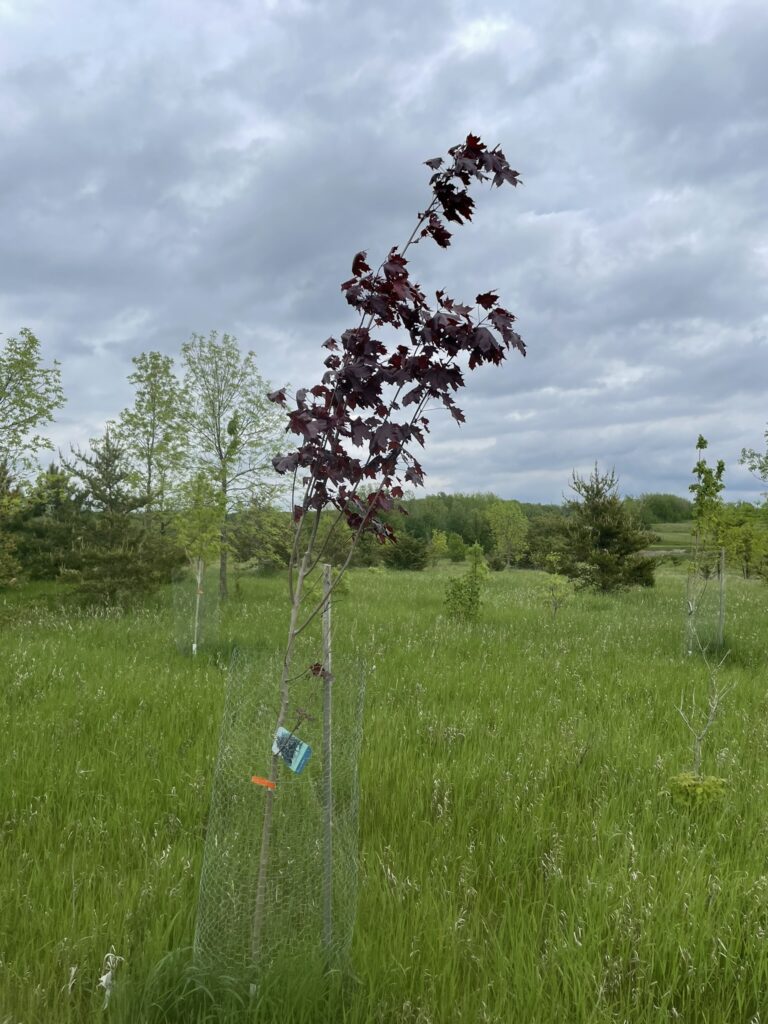
Native To State: NO
Naturally Occurring: NO
Description
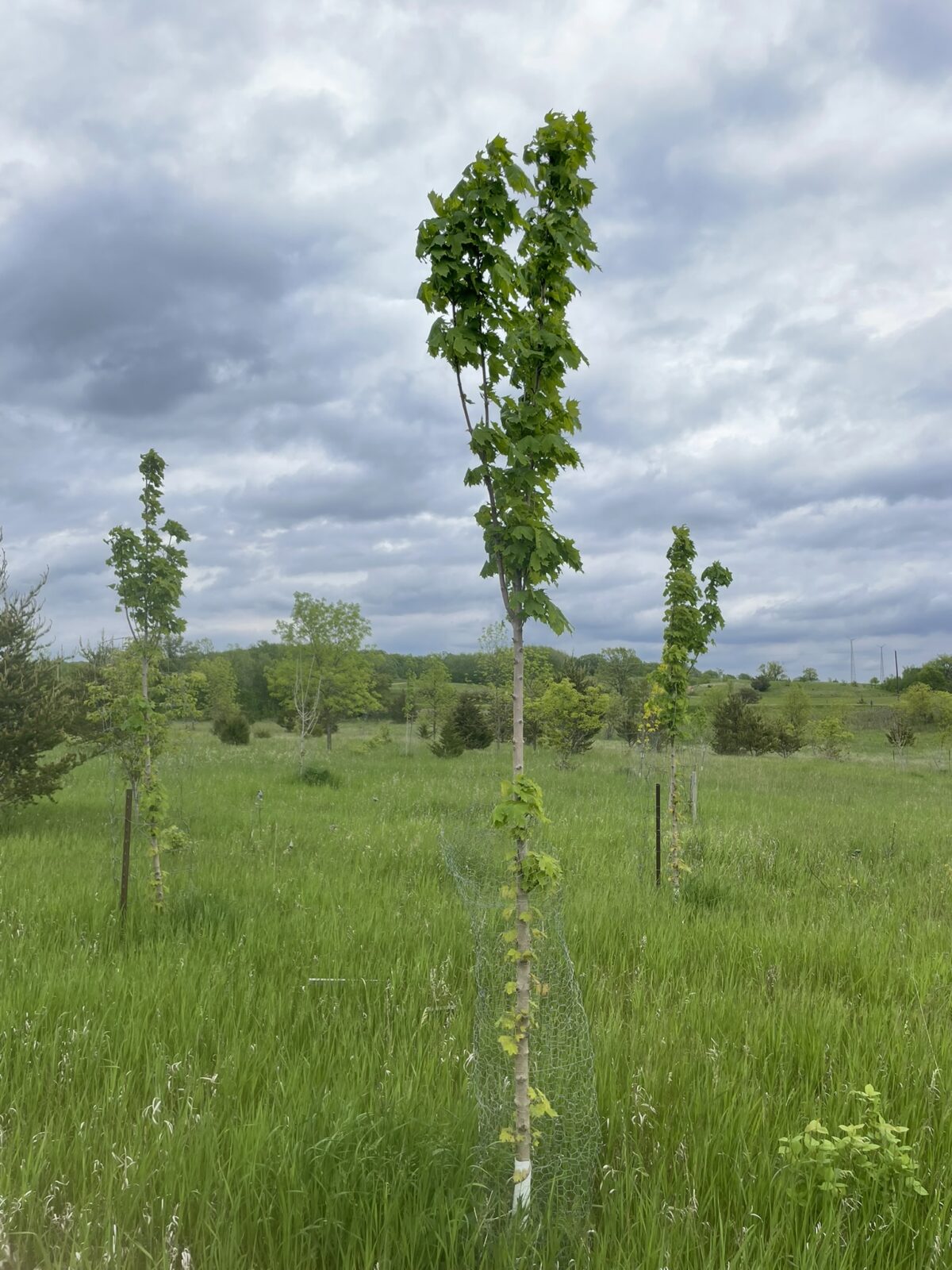
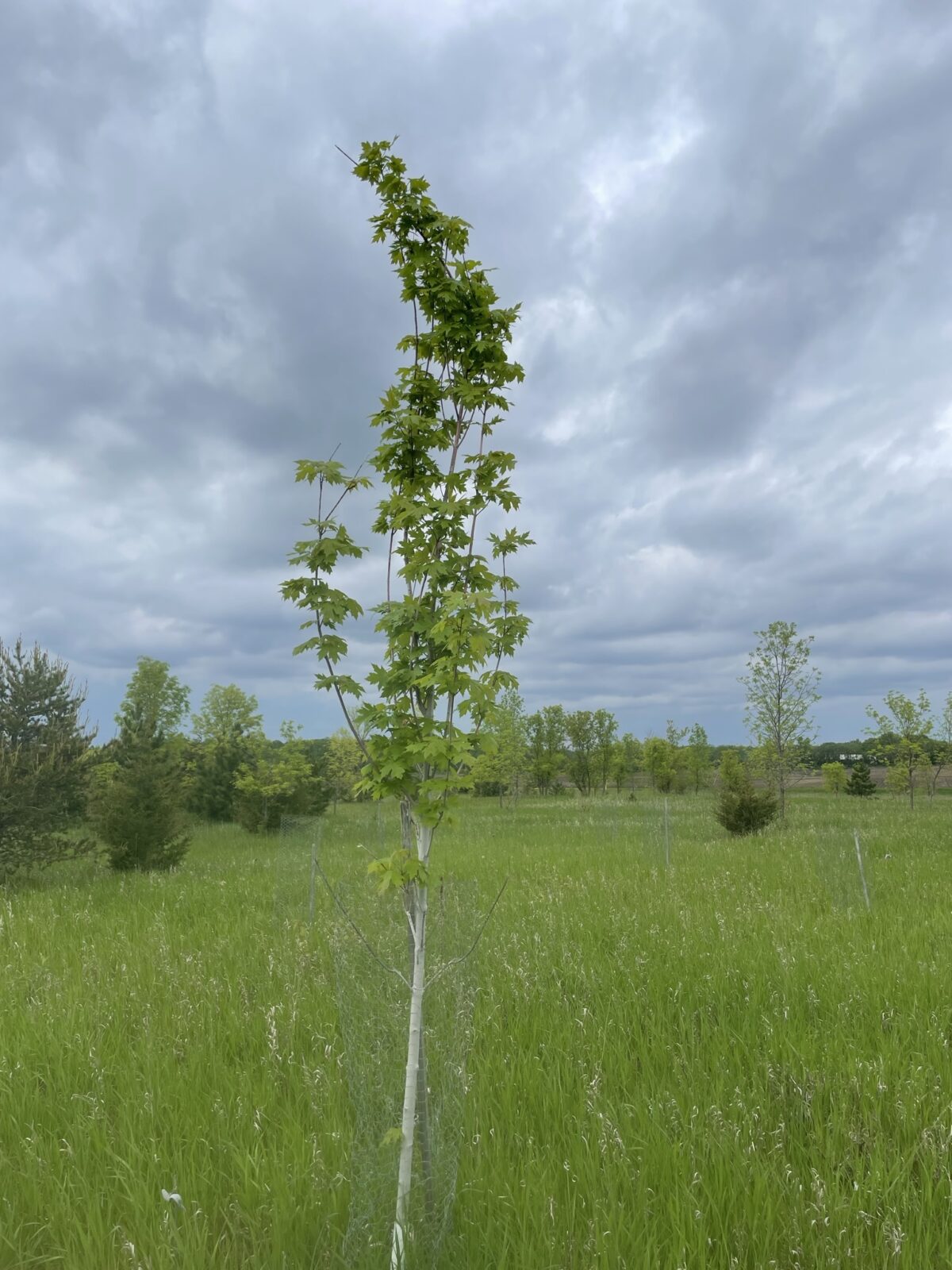
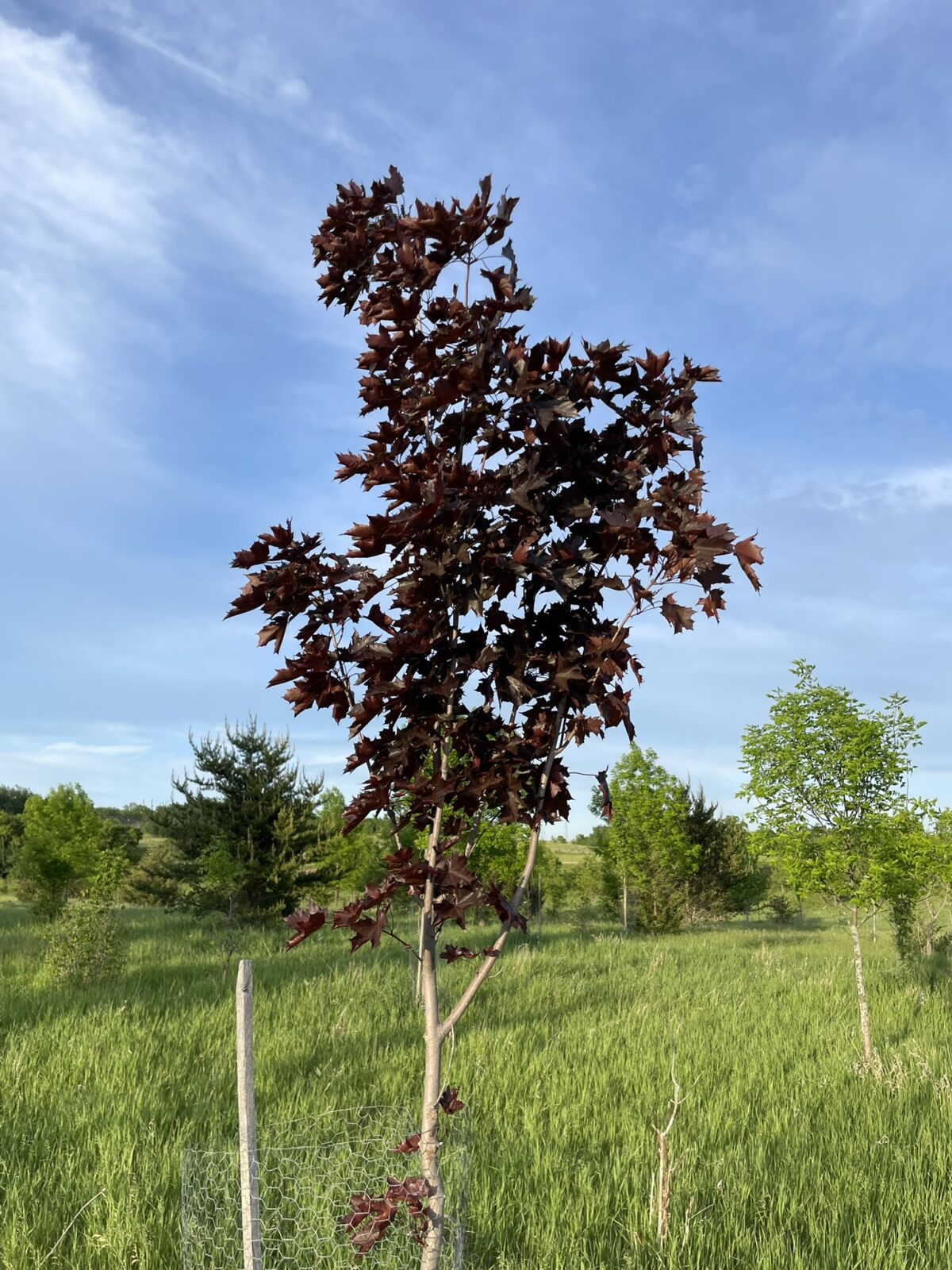
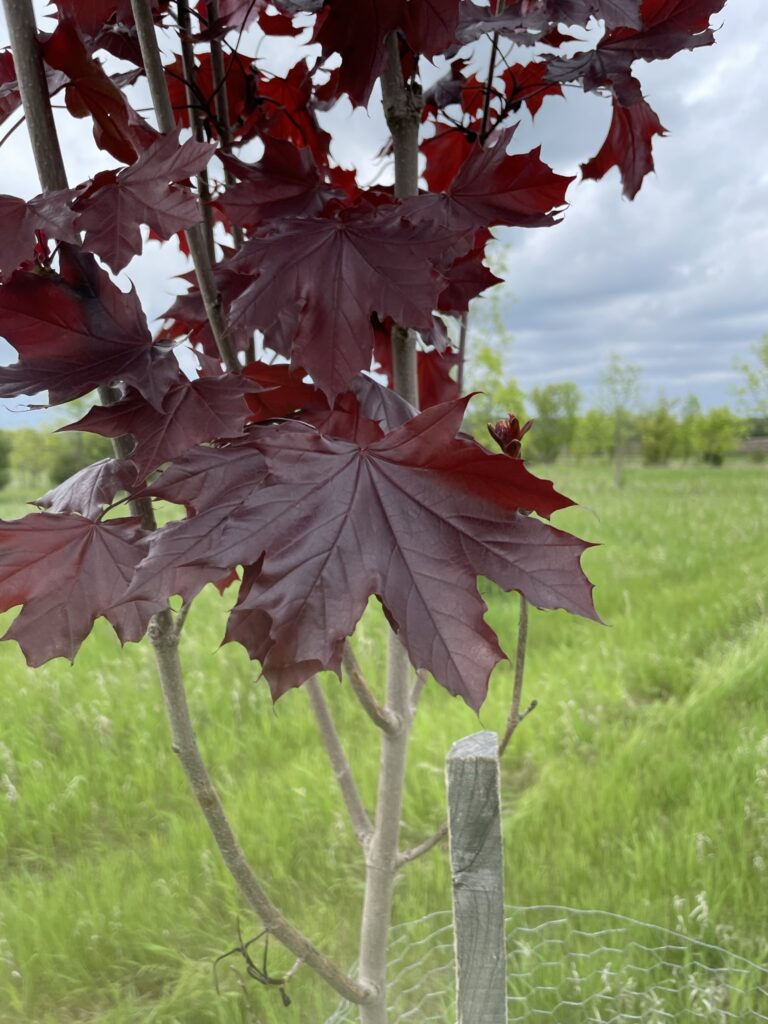
Rubra form of the European Maple
Occurrence
Part of the Maple Collection.
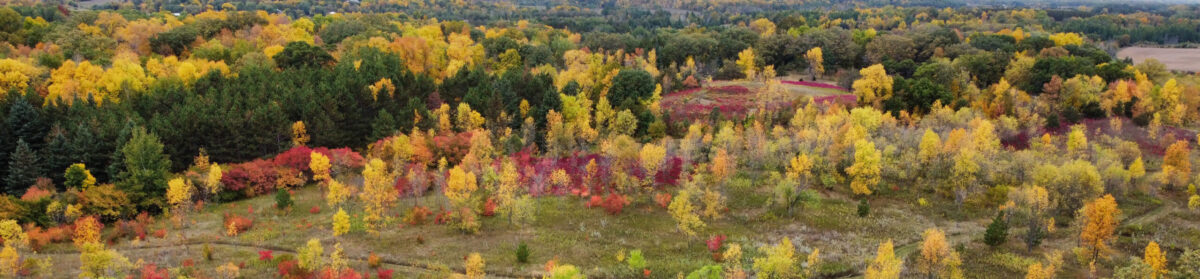
Native To State: NO
Naturally Occurring: NO
Description
Rubra form of the European Maple
Occurrence
Part of the Maple Collection.
Native To State: NO
Naturally Occurring: NO
Description
Upright form of the European Maple
Occurrence
Part of the Maple Collection.


Native To State: NO
Naturally Occurring: NO
Description
Hybrid Maple cultivar
Occurrence
Part of the Maple Collection.
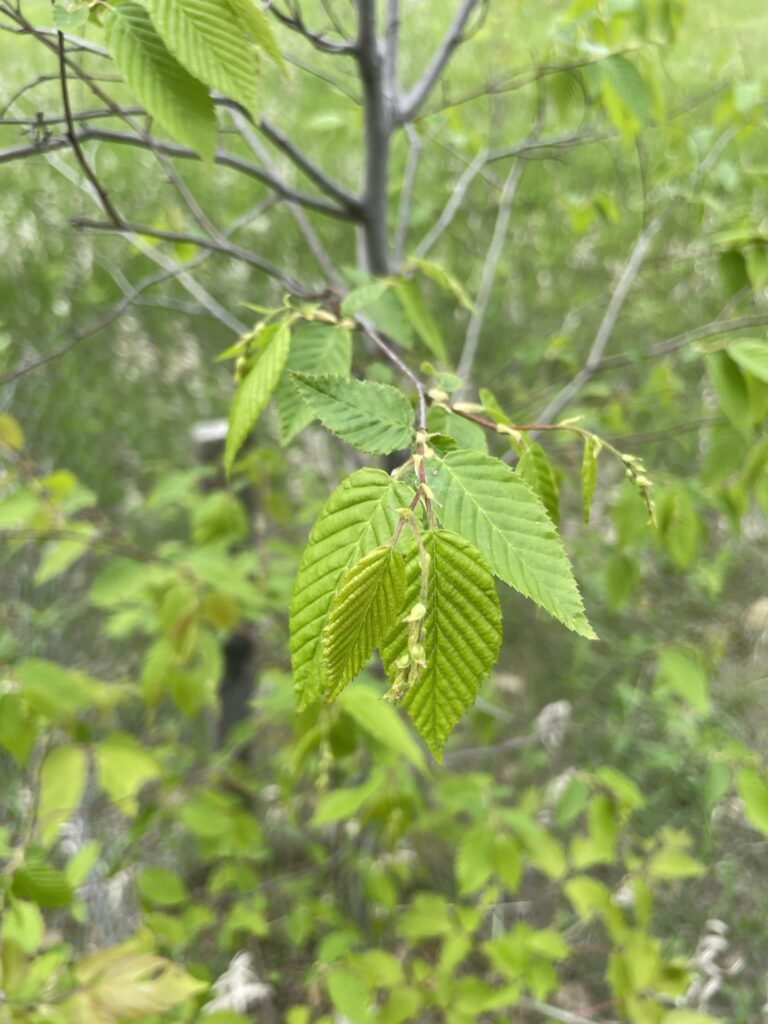
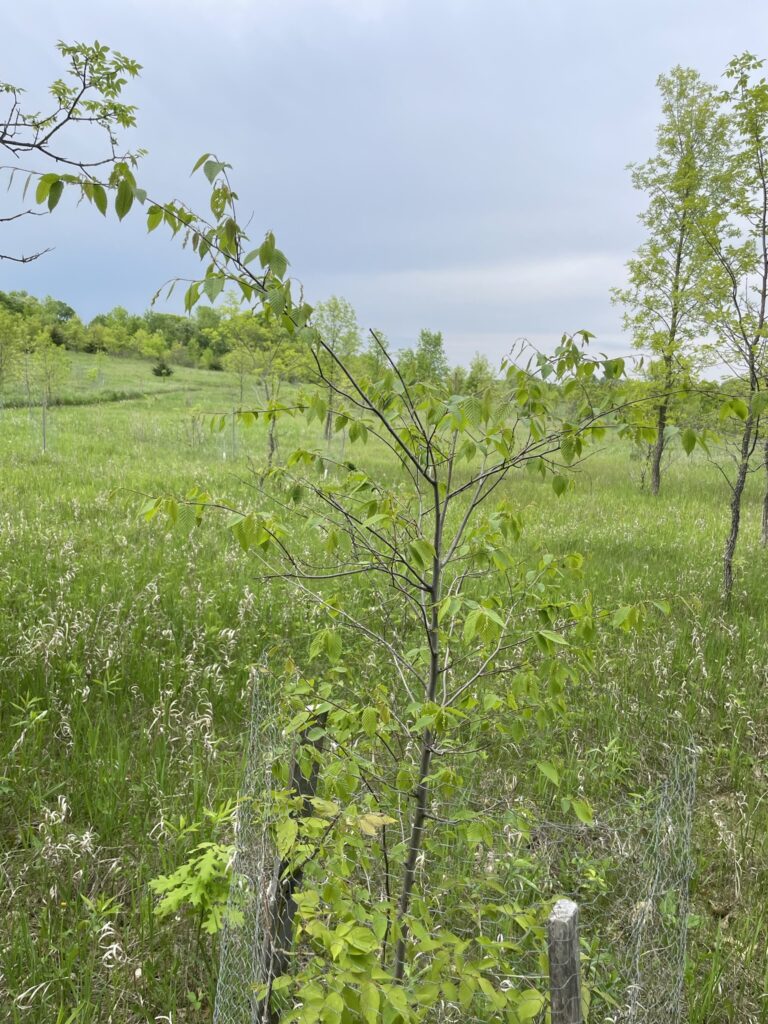
Native To State: YES
Naturally Occurring: NO
Description
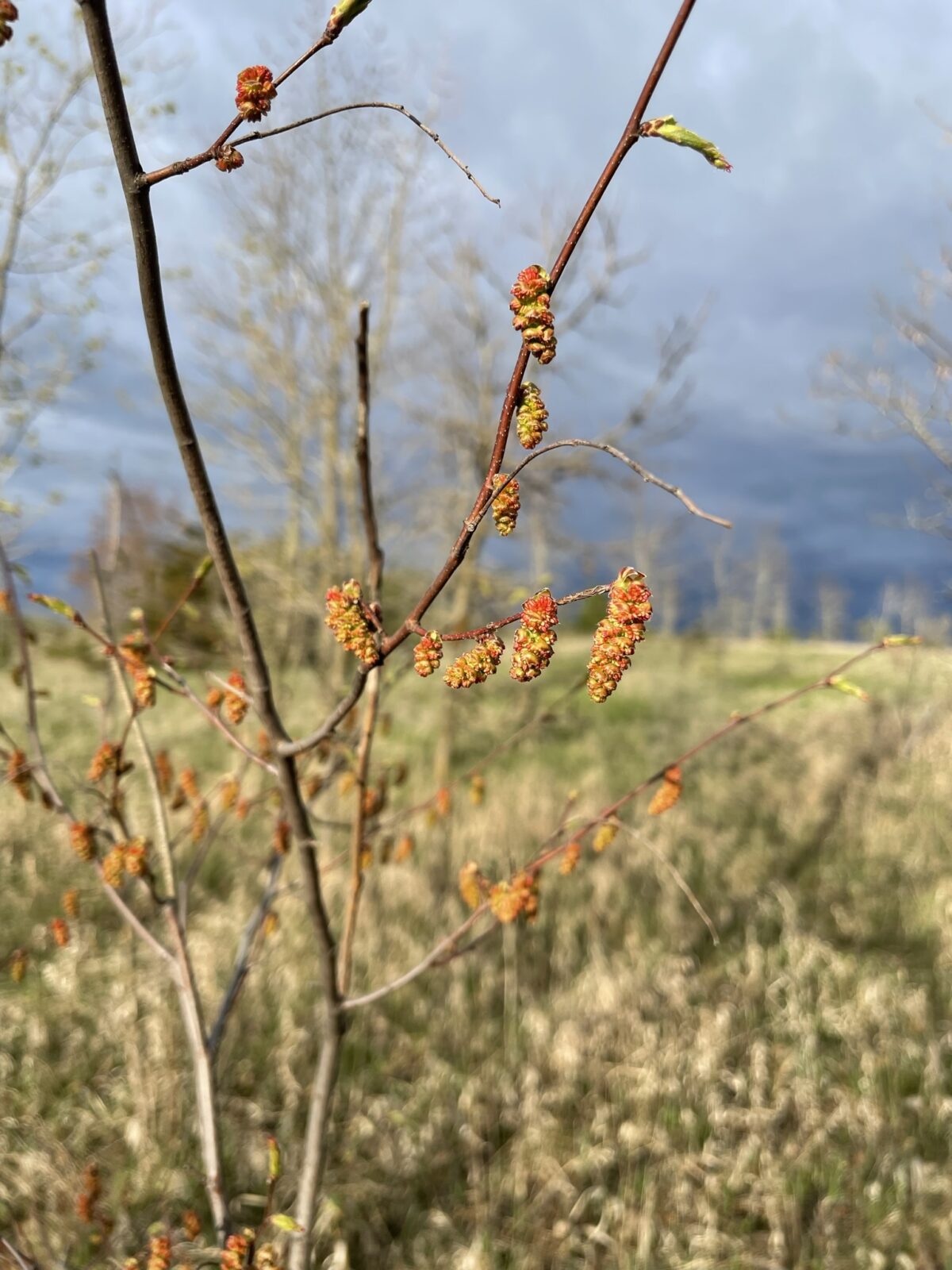
Distribution: Blue Beech is native to eastern North America.
Occurance
Several planted near brush island
Native To State: YES
Naturally Occurring: NO
Description
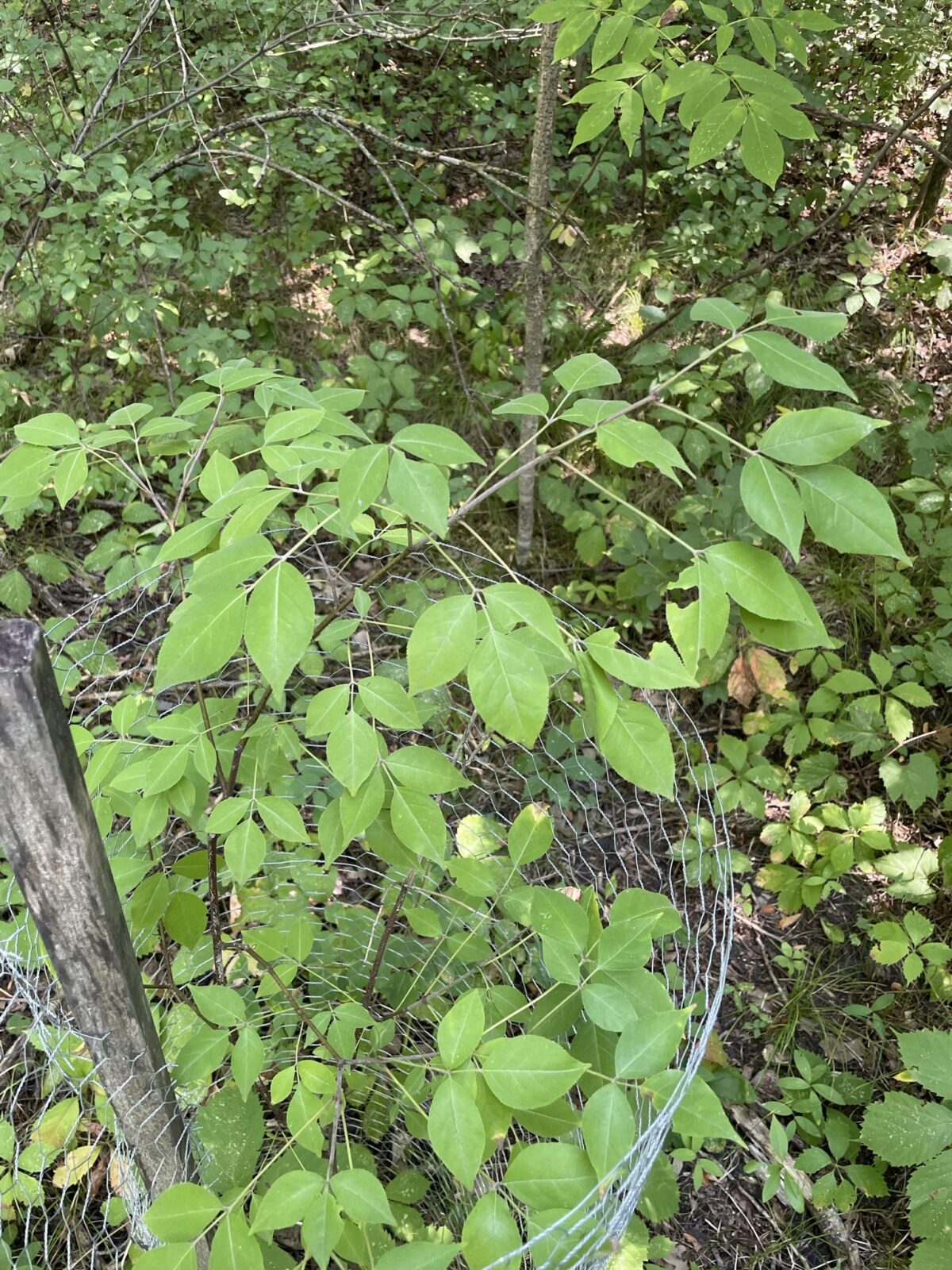
Appearance: Staphylea trifolia is a deciduous shrub known for its compound leaves and inflated, papery seed pods.
Leaves: The leaves are compound, with three leaflets arranged in a whorl.
Flowers: The plant produces small, bell-shaped, white flowers in drooping clusters.
Fruit: The distinctive feature of this plant is its papery, bladder-like seed pods.
Habitat: It is commonly found in woodlands and along stream banks.
Distribution: American bladdernut is native to eastern North America.
Occurance
Several planted in former pasture area
Native To State: YES
Naturally Occurring: NO
Description
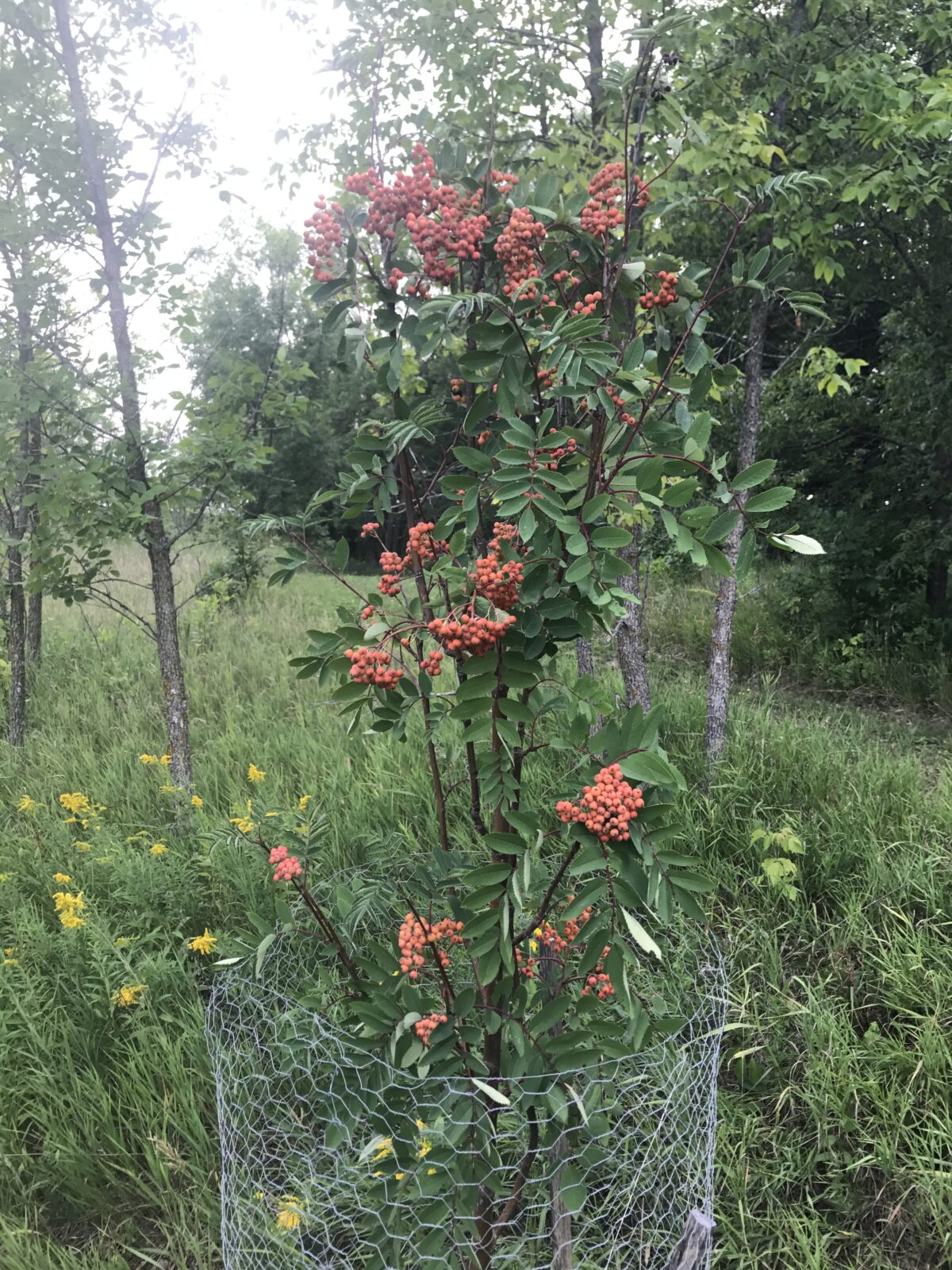
Appearance: Sorbus decora is a deciduous tree known for its pinnately compound leaves and clusters of red berries.
Leaves: The leaves are pinnately compound with serrated leaflets.
Flowers: The plant produces clusters of white flowers.
Fruit: It bears clusters of bright red berries that persist into late fall.
Habitat: It is commonly found in moist woodlands and mountainous regions.
Distribution: Northern mountain ash is native to northern North America.
Occurance
Several planted near the big brush island
Native To State: YES
Naturally Occurring: YES
Description
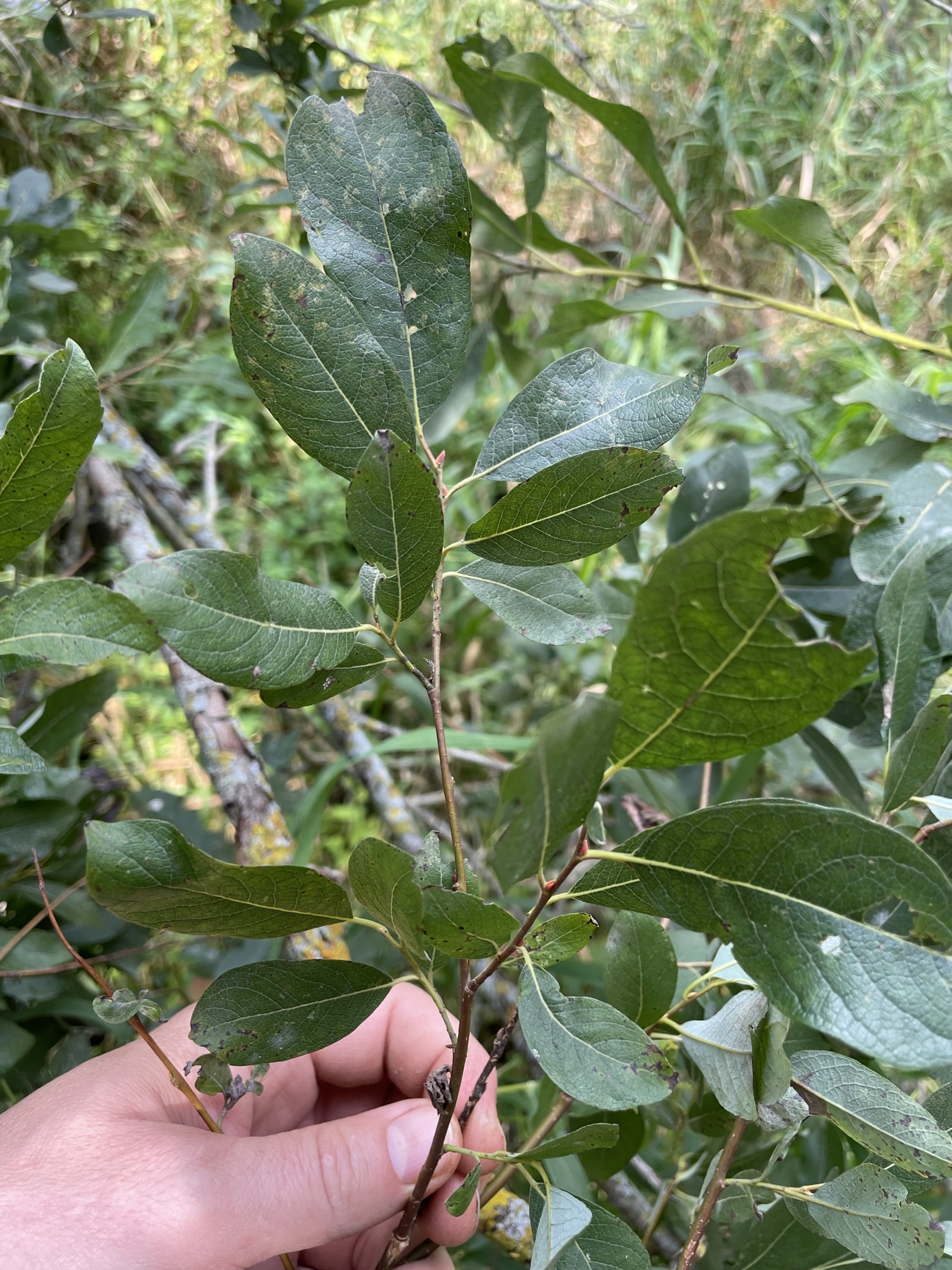
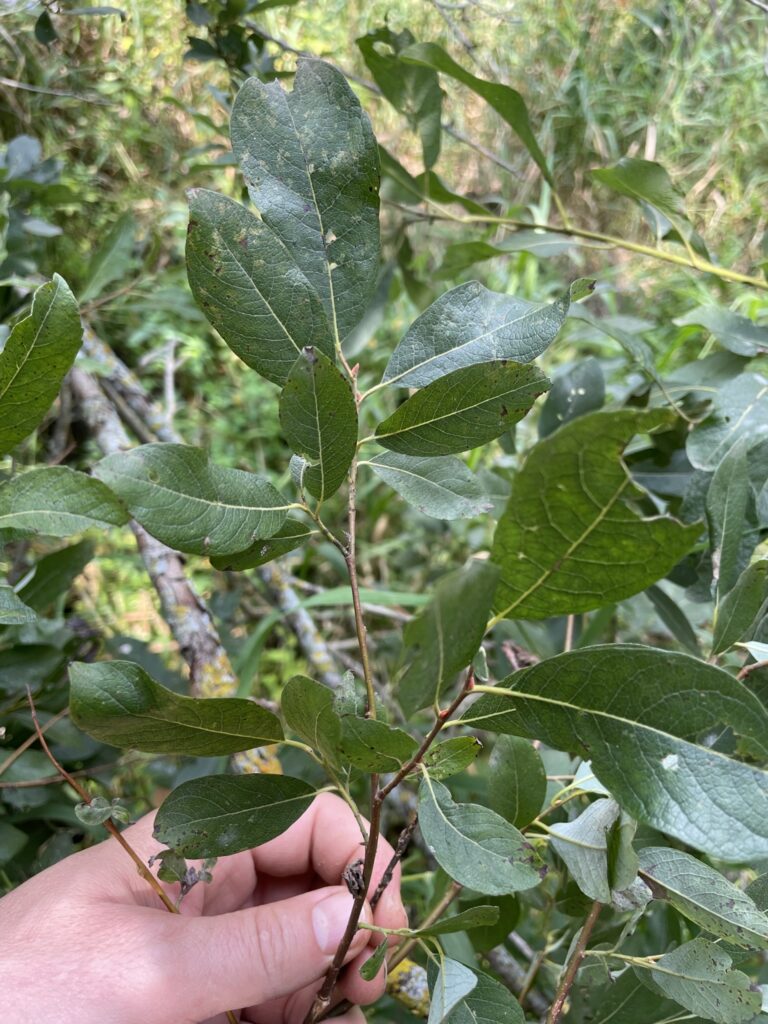
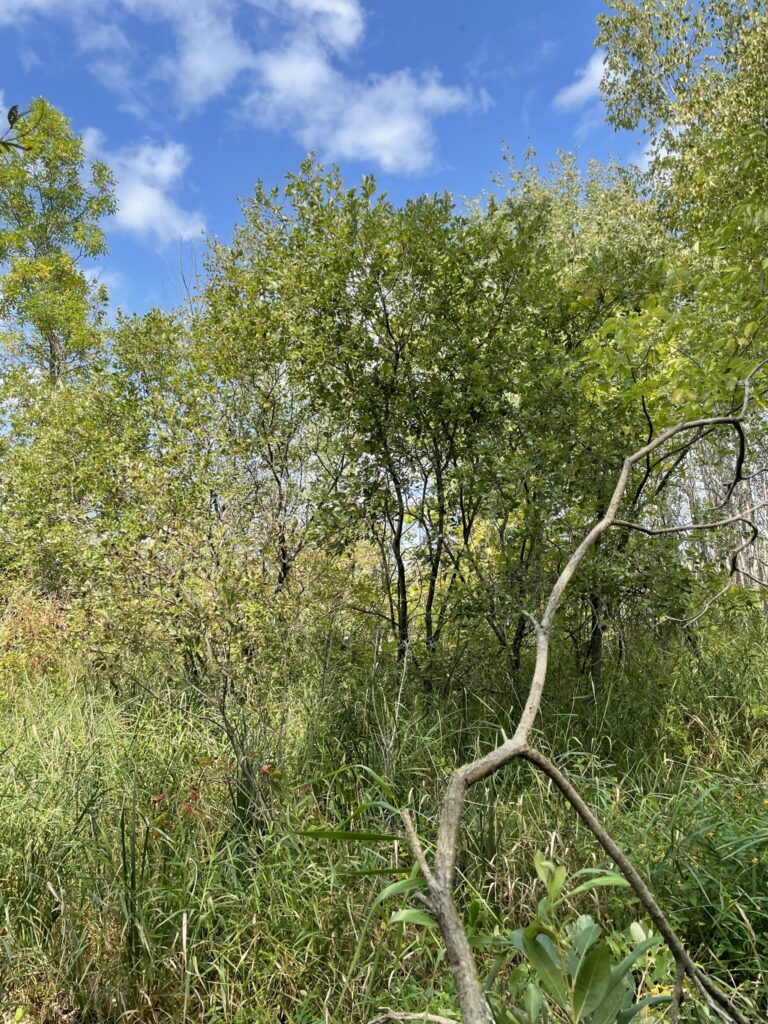
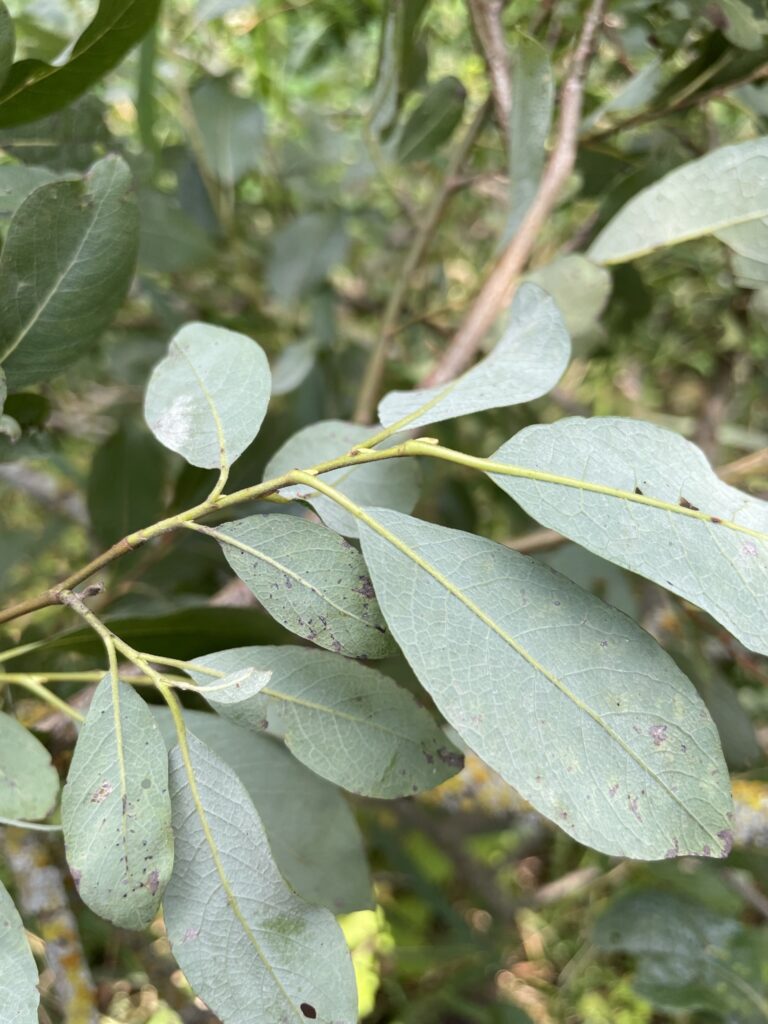
Appearance: Salix planifolia is a deciduous shrub known for its lance-shaped leaves and slender, flexible branches.
Leaves: The leaves are lance-shaped, with serrated margins.
Flowers: The plant produces inconspicuous catkins.
Habitat: It is commonly found in wetlands, including swamps and along stream banks.
Distribution: Diamond willow is native to North America.
Occurrence
Found in marshy areas


Native To State: YES
Naturally Occurring: NO
Description
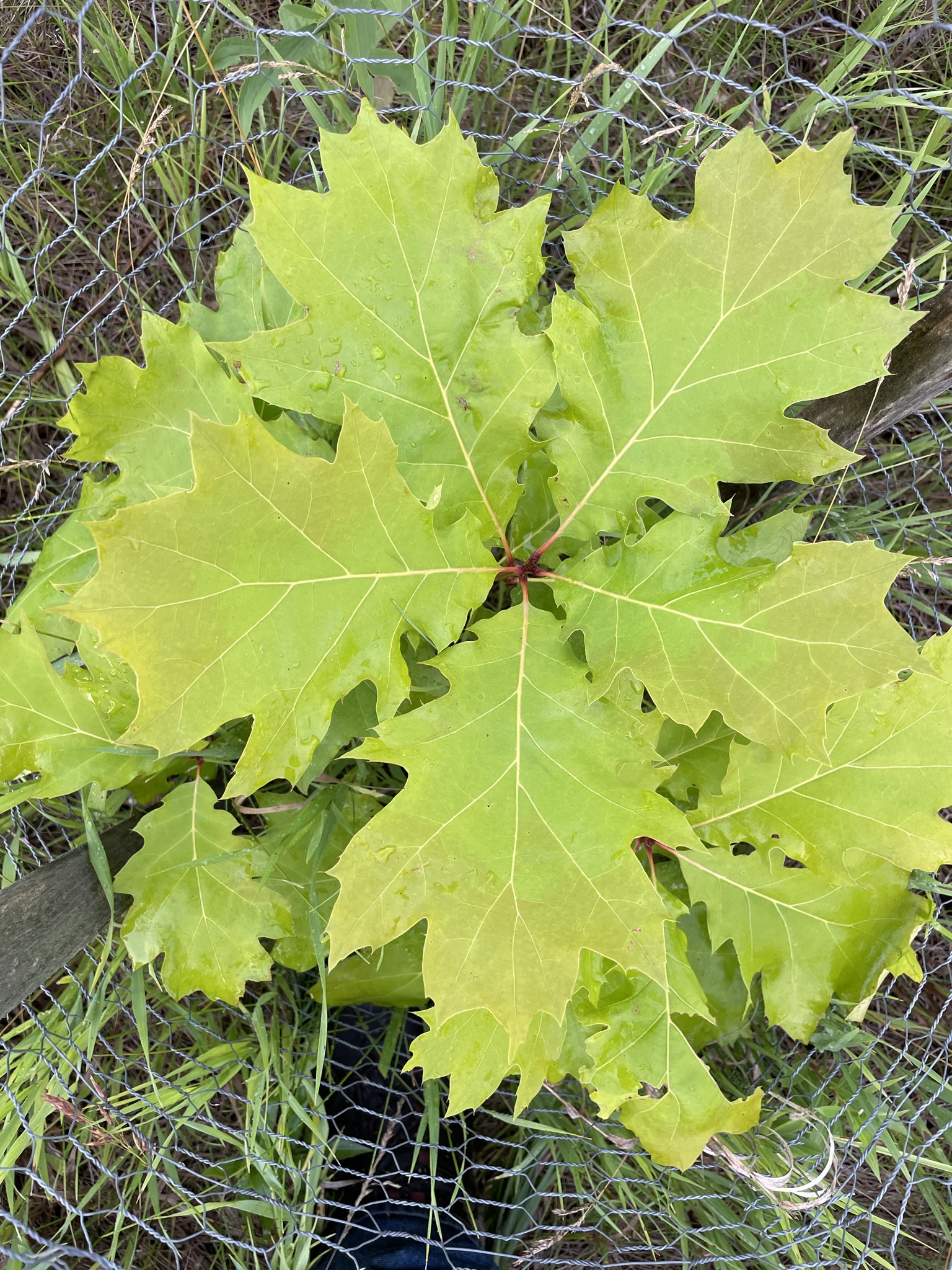
Appearance: Quercus velutina is a deciduous tree known for its lobed leaves and dark, furrowed bark.
Leaves: The leaves are deeply lobed with bristle-tipped lobes and a shiny dark green upper surface.
Acorns: It produces acorns with deep, scaly cups.
Habitat: It is commonly found in forests and woodlands.
Distribution: Black oak is native to eastern North America.
Occurrence
Planted east of the big brush island
Native To State: NO
Naturally Occurring: NO
Description
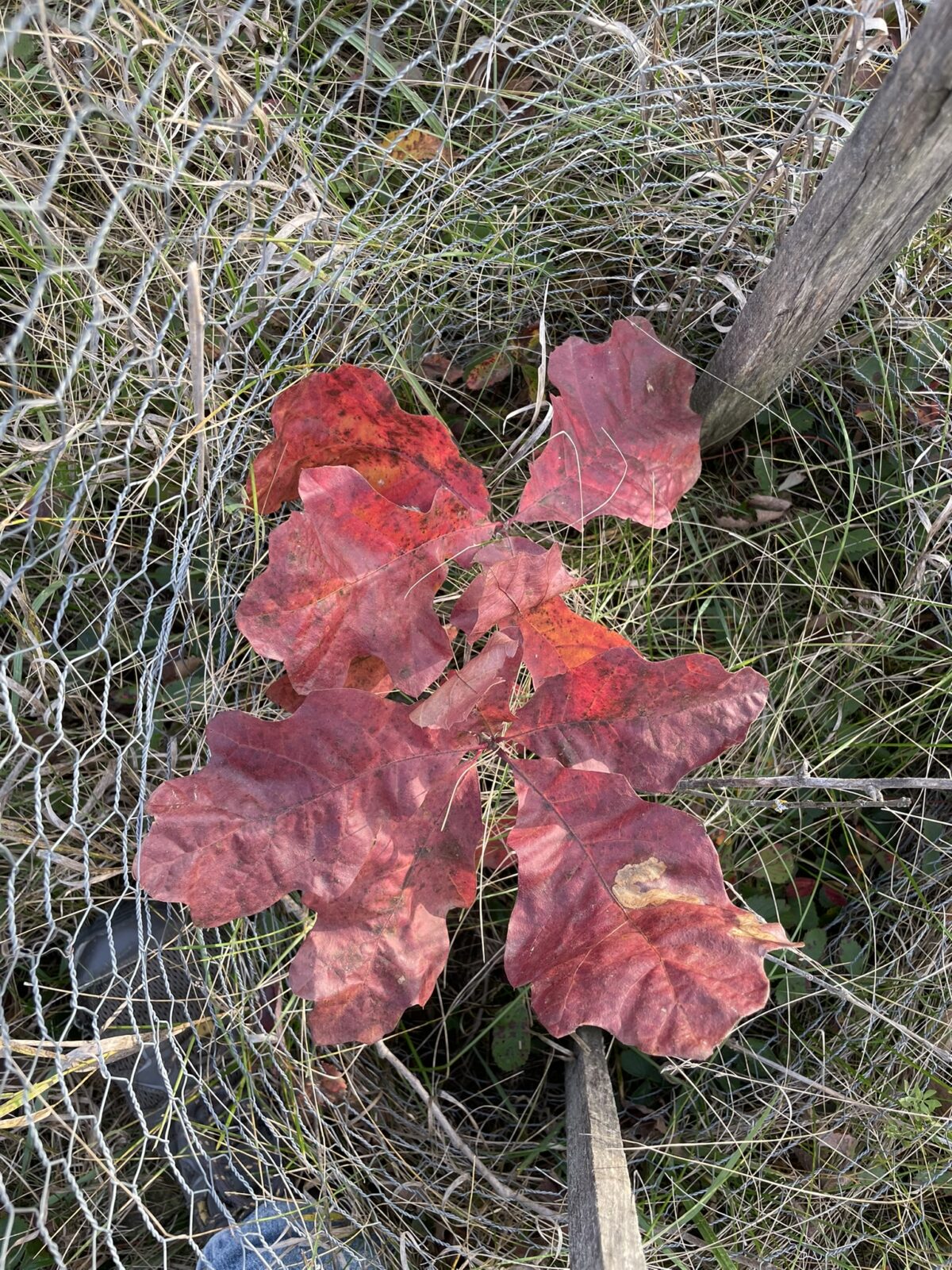
Appearance: Quercus coccinea is a deciduous tree known for its lobed leaves and brilliant red fall foliage.
Leaves: The leaves are deeply lobed with bristle-tipped lobes and have a glossy green upper surface.
Acorns: It produces acorns with shallow, saucer-like cups.
Habitat: It is commonly found in forests and woodlands.
Distribution: Scarlet oak is native to eastern North America.
Occurrence
Planted east of the big brush island
Native To State: YES
Naturally Occurring: NO
Description
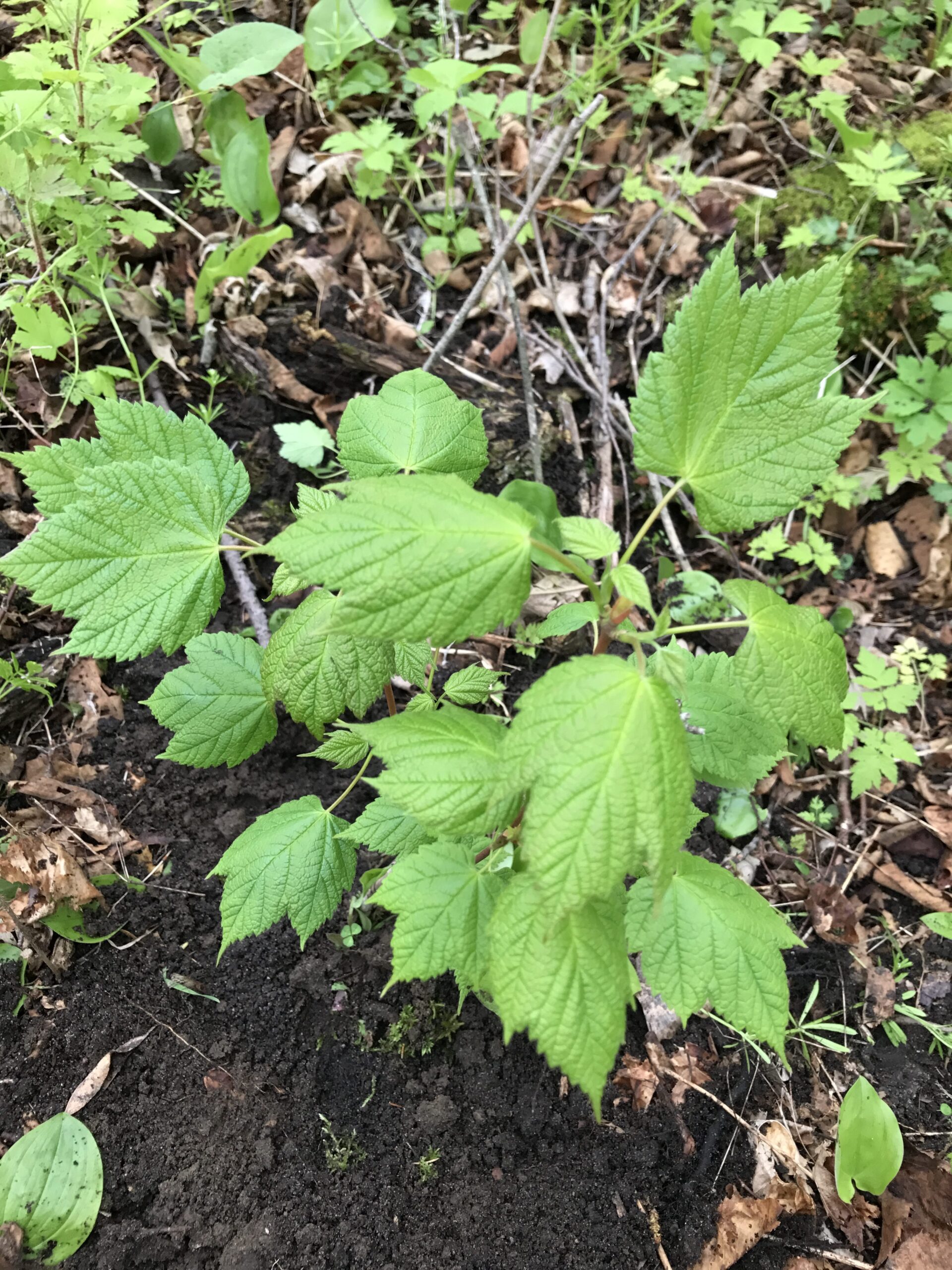
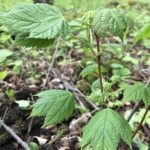
Appearance: Acer spicatum is a deciduous shrub or small tree known for its opposite, palmately lobed leaves and small, greenish-yellow flowers.
Leaves: The leaves are opposite, palmately lobed, and typically have three to five lobes.
Flowers: The plant produces small, greenish-yellow flowers in upright clusters.
Habitat: It is commonly found in woodlands and along stream banks in mountainous regions.
Distribution: Mountain maple is native to North America.
Occurrence
Few specimens planted in back 40 in 2019