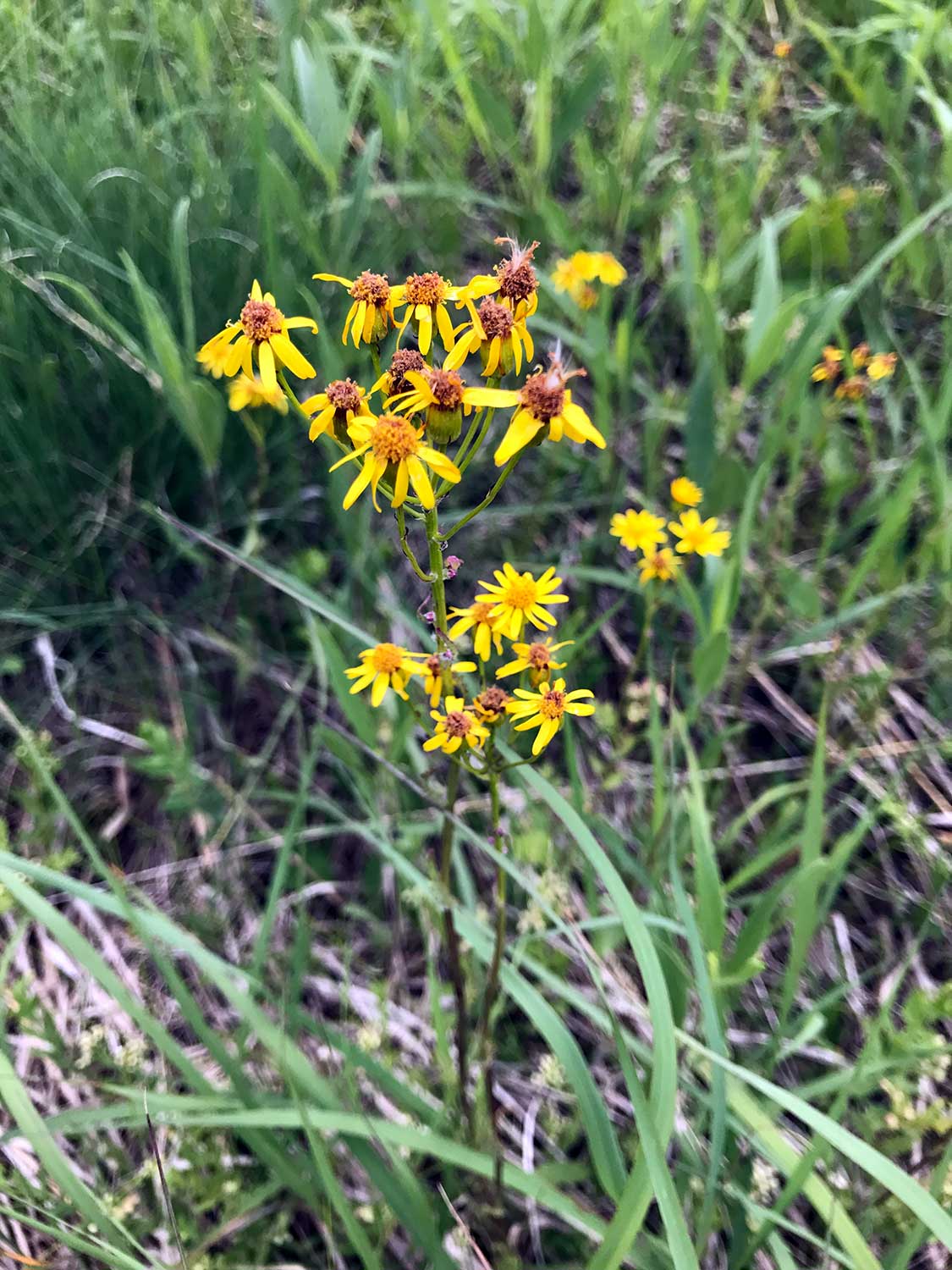
Golden Ragwort – Packera aurea

Native To State: YES
Naturally Occurring: YES

Description

Appearance: Packera aurea is a herbaceous perennial known for its basal rosette of kidney-shaped leaves and clusters of yellow, daisy-like flowers.

Leaves: The basal leaves are kidney-shaped with toothed margins.

Flowers: The plant produces clusters of yellow, daisy-like flowers with a yellow center.

Habitat: It is commonly found in wet meadows and along stream banks.

Distribution: Golden ragwort is native to eastern North America.

Occurrence
Found in prairie section and various other grassy areas
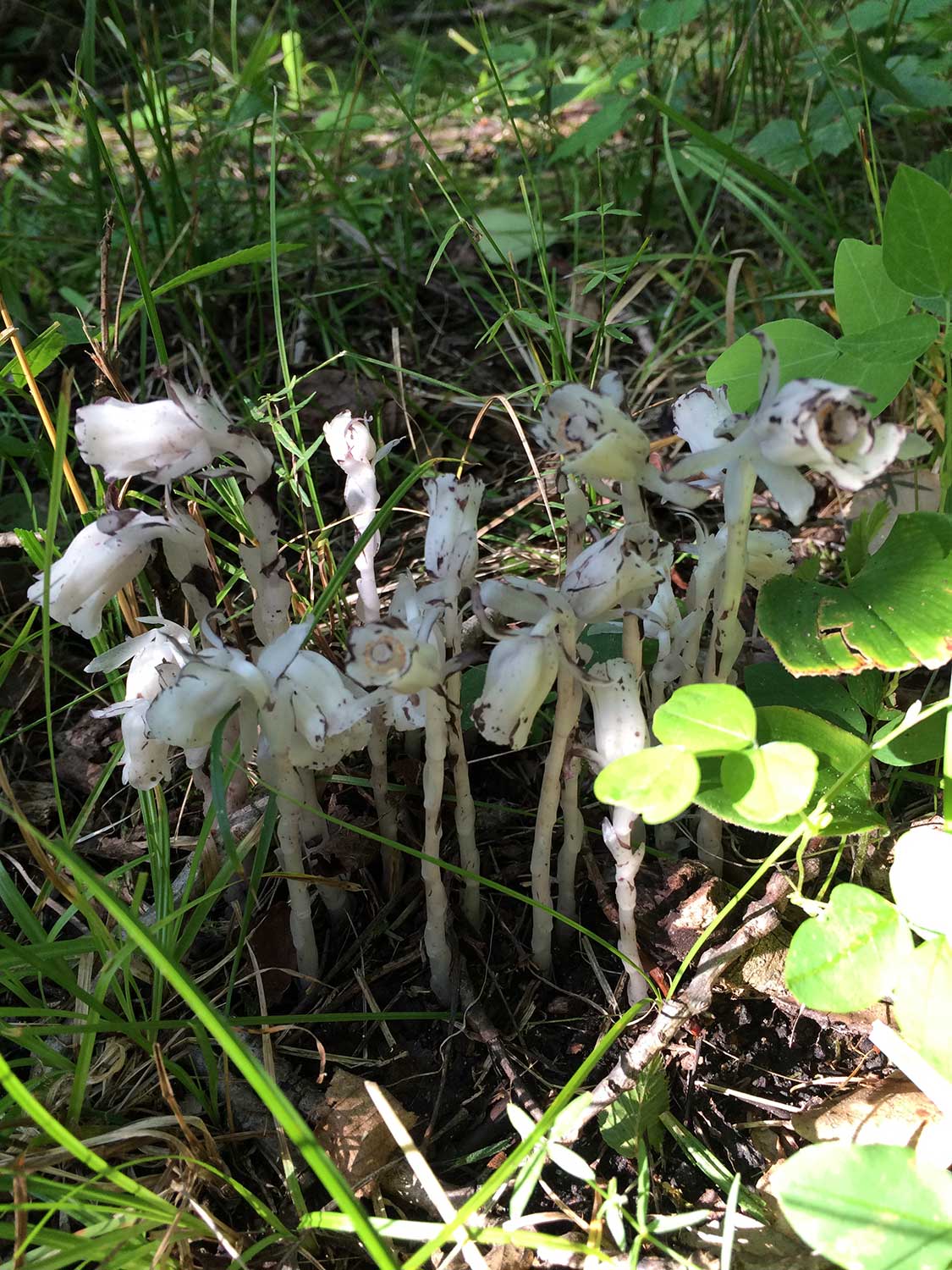
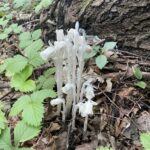
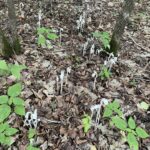
Indian Pipe – Monotropa uniflora

Native To State: YES
Naturally Occurring: YES

Description

Appearance: Monotropa uniflora is a unique, mycoheterotrophic plant that lacks chlorophyll, giving it a ghostly white appearance. It has a single, nodding, white flower.

Leaves: It lacks true leaves, stems, or chlorophyll.

Flowers: The plant produces a single, nodding, white, waxy flower.

Habitat: It is commonly found in moist, shaded woodlands.

Distribution: Indian pipe is native to North America.

Unusual plant that produces no chlorophyll and depends on other green plants for food. The relationship is not certain and it is not directly parasitic.

Occurrence
Found throughout the woods – especially the western side of the former pasture

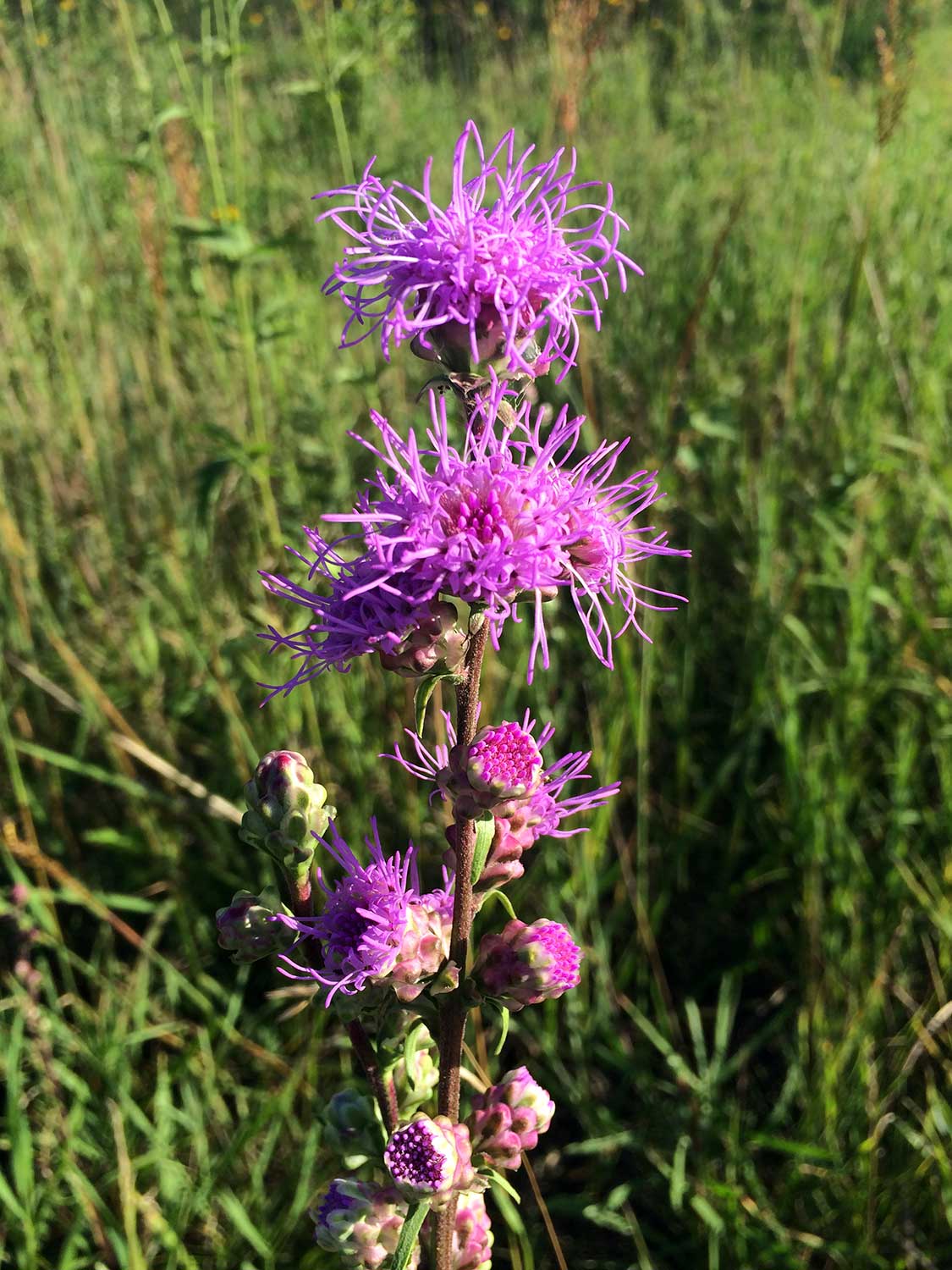
Rough Blazing Star – Liatris aspera

Native To State: YES
Naturally Occurring: NO

Description

Appearance: Liatris aspera is a herbaceous perennial known for its tall, spiky inflorescence of purple or pink flowers.

Leaves: The leaves are narrow and lance-shaped.

Flowers: The plant produces a spiky inflorescence of purple or pink flowers.

Habitat: It is commonly found in prairies and open fields.

Distribution: Rough blazing star is native to North America.

Occurrence
Found in the prairie section

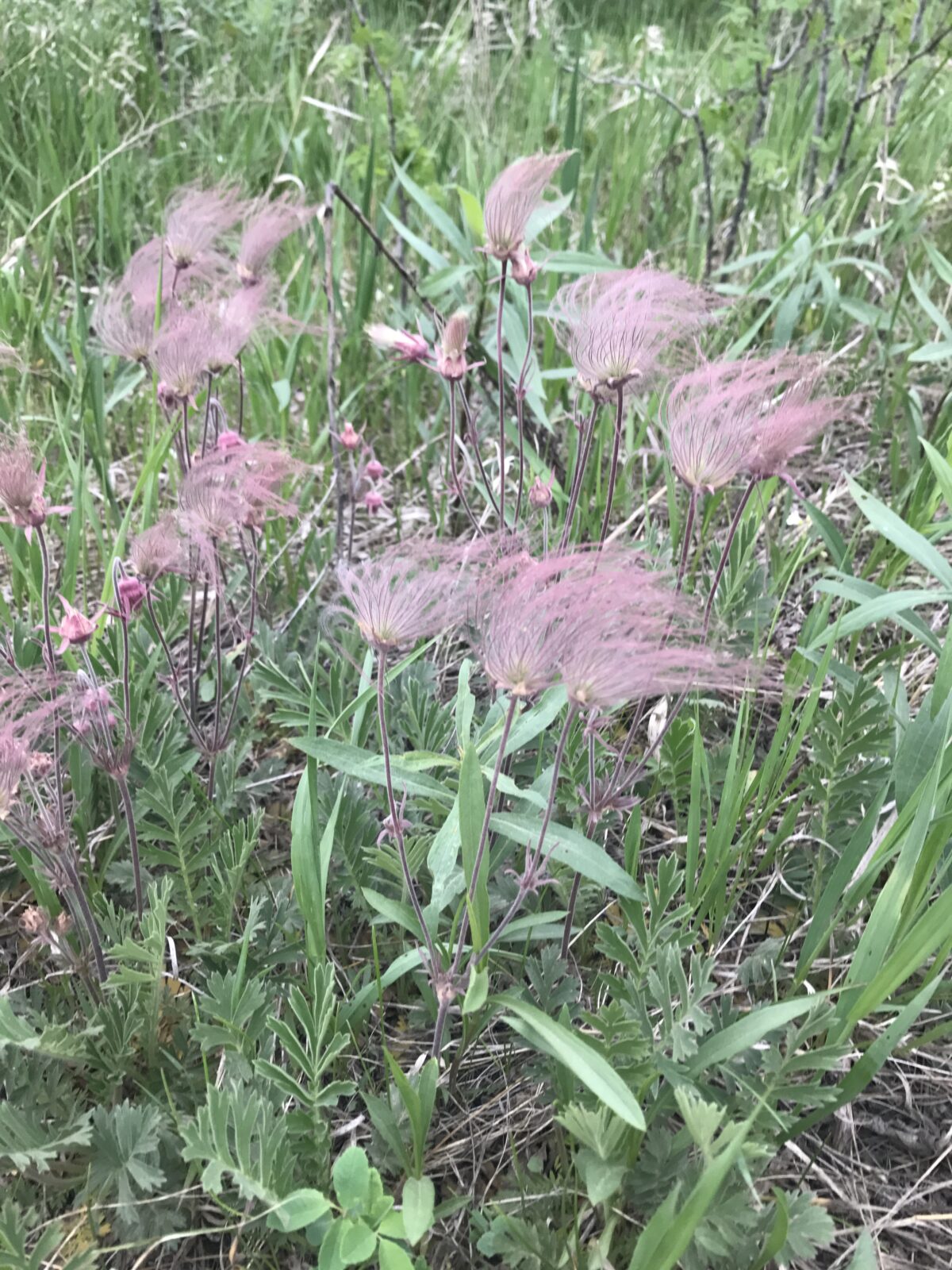
Prairie Smoke -Geum rivale

Native To State: YES
Naturally Occurring: NO

Description

Appearance: Geum rivale is a herbaceous perennial known for its nodding, bell-shaped flowers and basal leaves.

Leaves: The basal leaves are pinnately divided and typically have toothed margins.

Flowers: The plant produces nodding, bell-shaped flowers with reddish-brown petals.

Habitat: It is commonly found in wet meadows and along stream banks.

Distribution: Water avens is native to North America.

Occurrence
Found in the prairie section also in field area

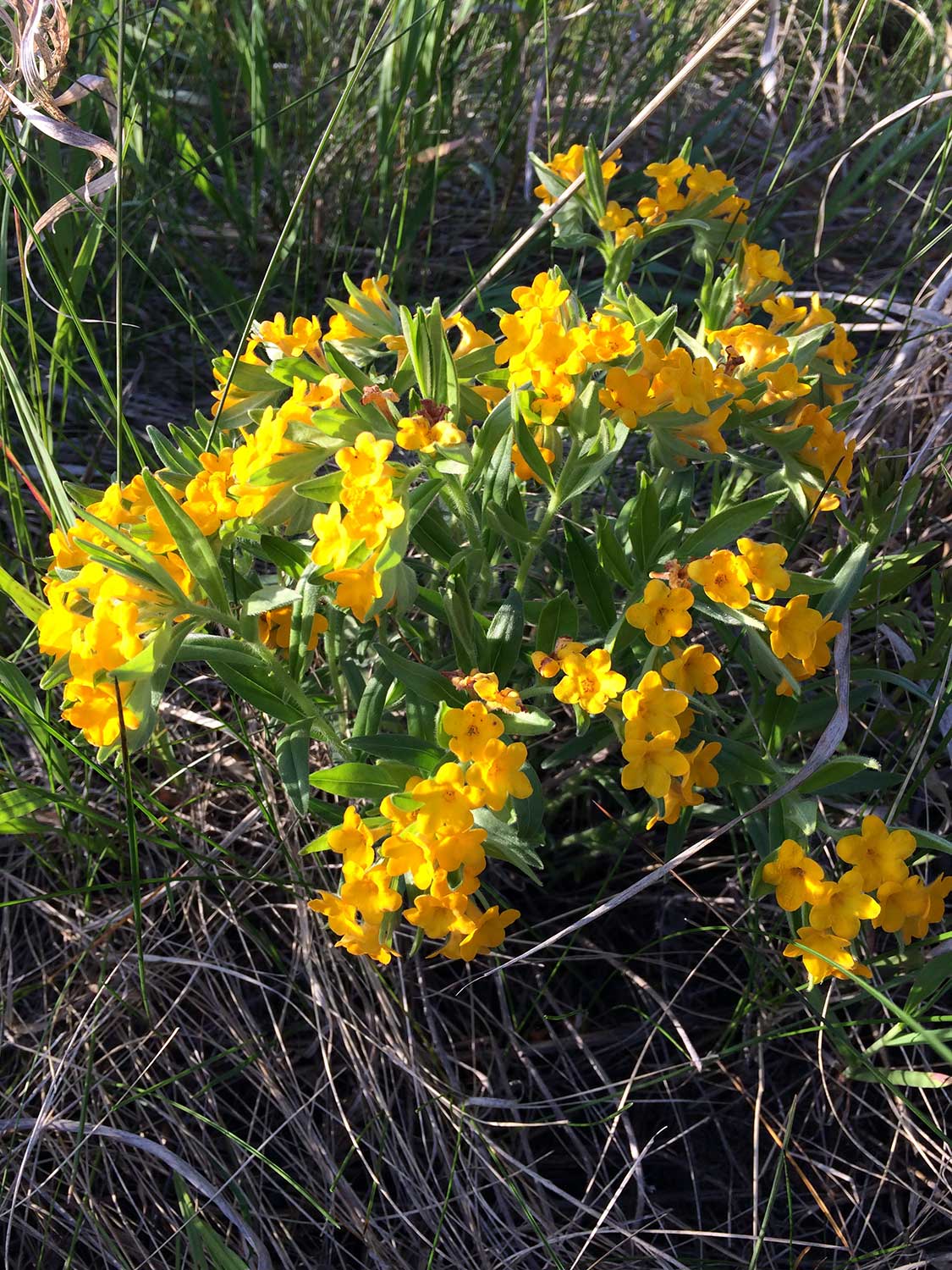
Hoary Puccoon – Lithospermum canescens

Native To State: YES
Naturally Occurring: NO

Description

Appearance: Lithospermum canescens is a herbaceous perennial known for its hairy, lance-shaped leaves and clusters of yellow to orange flowers.

Leaves: The leaves are lance-shaped and covered in fine hairs, giving them a hoary appearance.

Flowers: The plant produces clusters of yellow to orange, funnel-shaped flowers.

Habitat: It is commonly found in prairies and open woodlands.

Distribution: Hoary puccoon is native to North America.

Occurrence
Found in original prairie section and introduced in a couple places in the field

Bastard Toadflax – Comandra umbellata

Native To State: YES
Naturally Occurring: NO

Description

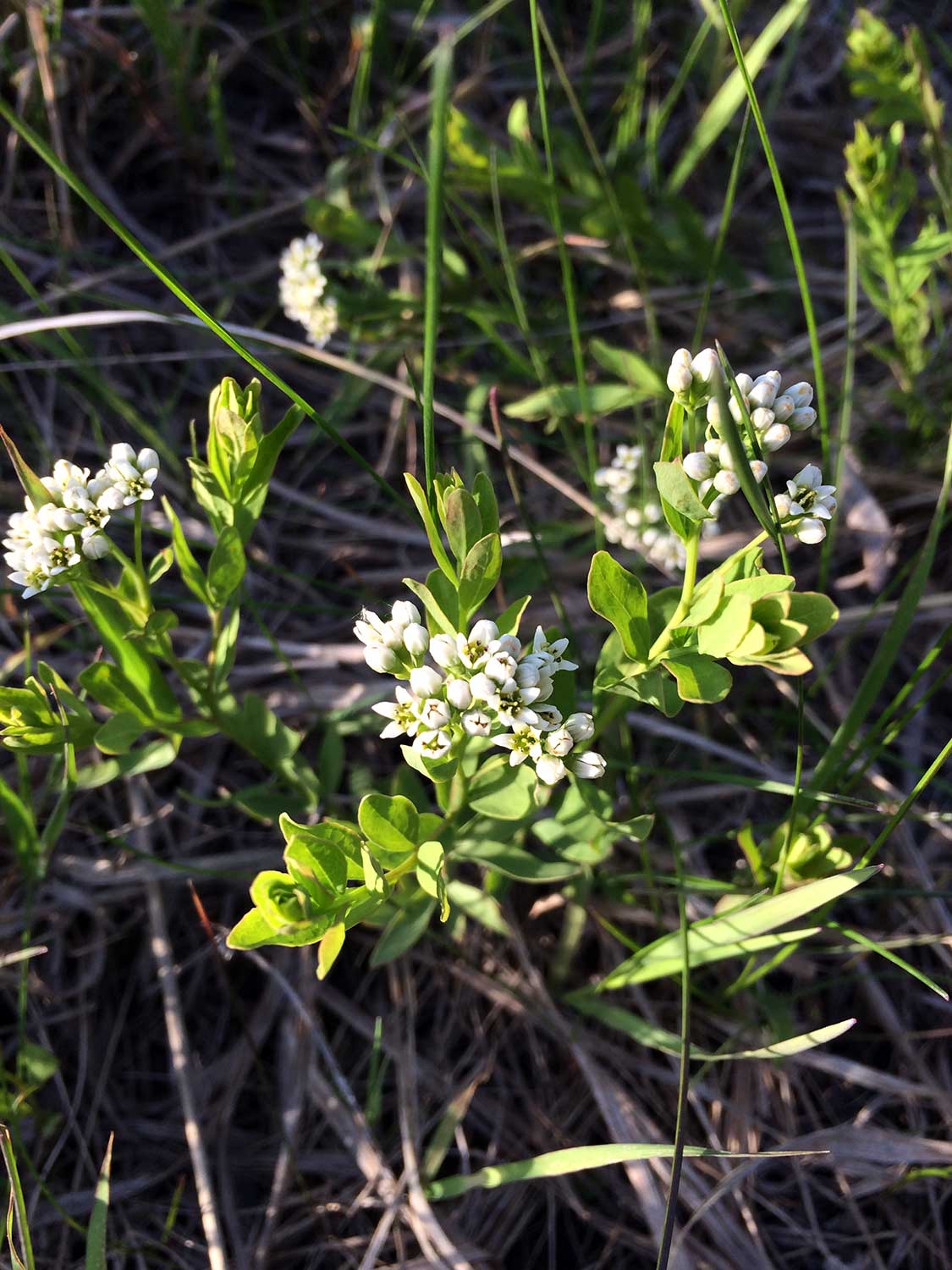
Appearance: Comandra umbellata is a low-growing, herbaceous perennial with simple, alternate leaves and small, greenish-white flowers arranged in umbels.

Leaves: The leaves are simple, lance-shaped, and often covered in fine hairs.

Flowers: It produces small, greenish-white flowers arranged in umbels.

Fruits: The plant forms small, berry-like fruits.

Habitat: It is commonly found in woodlands and open areas.

Distribution: Bastard toadflax is native to North America.

Occurrence
Found in the prairie section

Wild Bergamot – Monarda fistulosa

Native To State: YES
Naturally Occurring: YES

Description

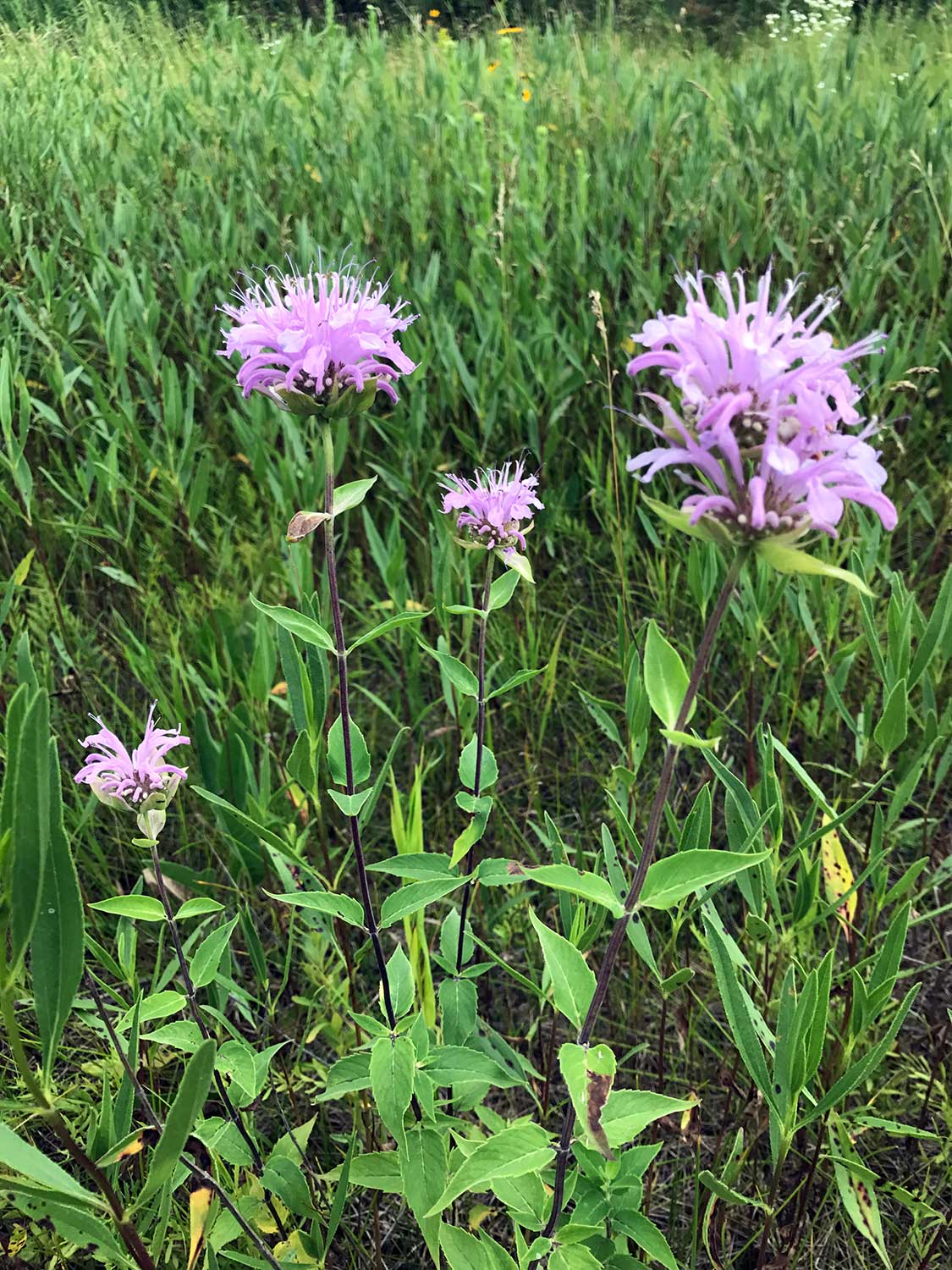
Appearance: Monarda fistulosa is a herbaceous perennial known for its clusters of lavender to purple flowers and aromatic leaves.

Leaves: The leaves are opposite, lance-shaped, and aromatic when crushed.

Flowers: The plant produces clusters of lavender to purple tubular flowers.

Habitat: It is commonly found in prairies and open fields.

Distribution: Wild bergamot is native to North America.

Occurrence
Found in prairie section and along crick in marshy/grassy areas

Purple Prairie Clover – Dalea purpurea

Native To State: YES
Naturally Occurring: YES

Description

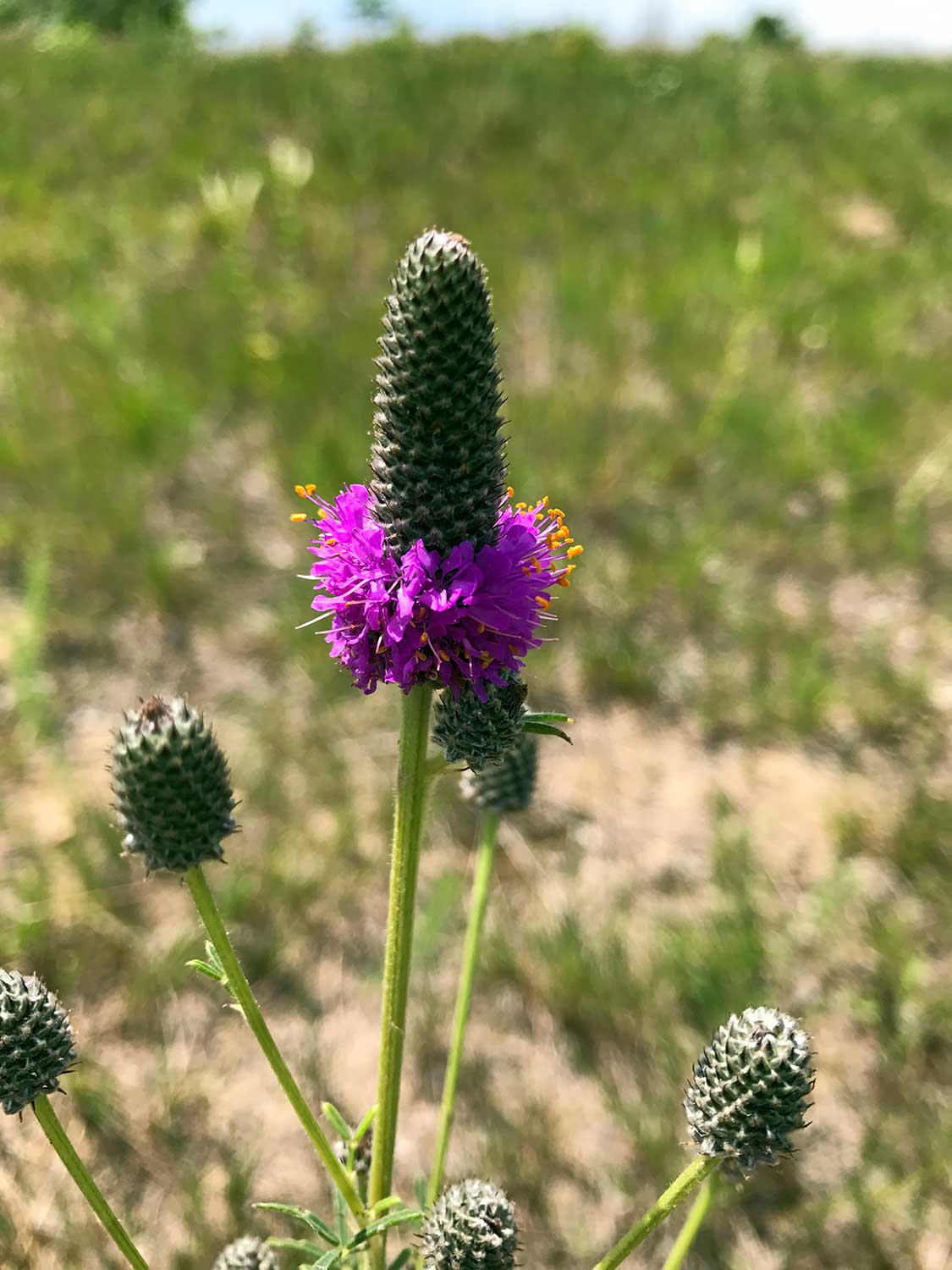
Appearance: Dalea purpurea is a herbaceous perennial known for its pinnately compound leaves and spikes of purple to pink, pea-like flowers.

Leaves: The leaves are pinnately compound with numerous leaflets.

Flowers: The plant produces spikes of small, purple to pink, pea-like flowers.

Habitat: It is commonly found in prairies and open areas.

Distribution: Purple prairie clover is native to North America.

Occurrence
Found in prairie section

Lead Plant – Amorpha canescens

Native To State: YES
Naturally Occurring: YES

Description

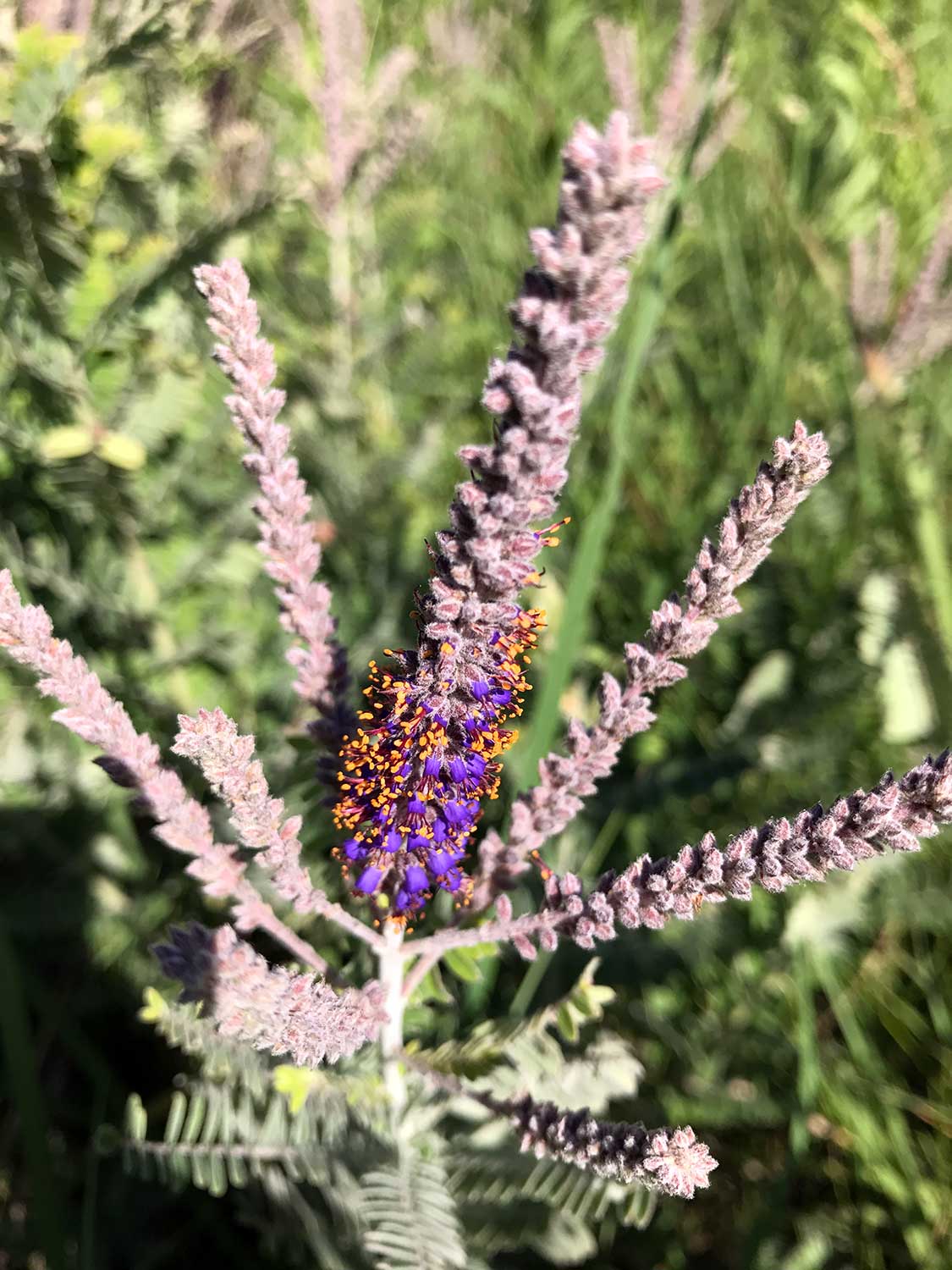
Appearance: Amorpha canescens is a low, woody perennial shrub known for its compound leaves and spikes of purple flowers.

Leaves: The leaves are pinnately compound with small, gray-green leaflets.

Flowers: The plant produces spikes of small, purple flowers.

Fruits: It forms small, legume-like pods.

Habitat: It is commonly found in prairies and open woodlands.

Distribution: Leadplant is native to North America.

Occurrence
Found in prairie section

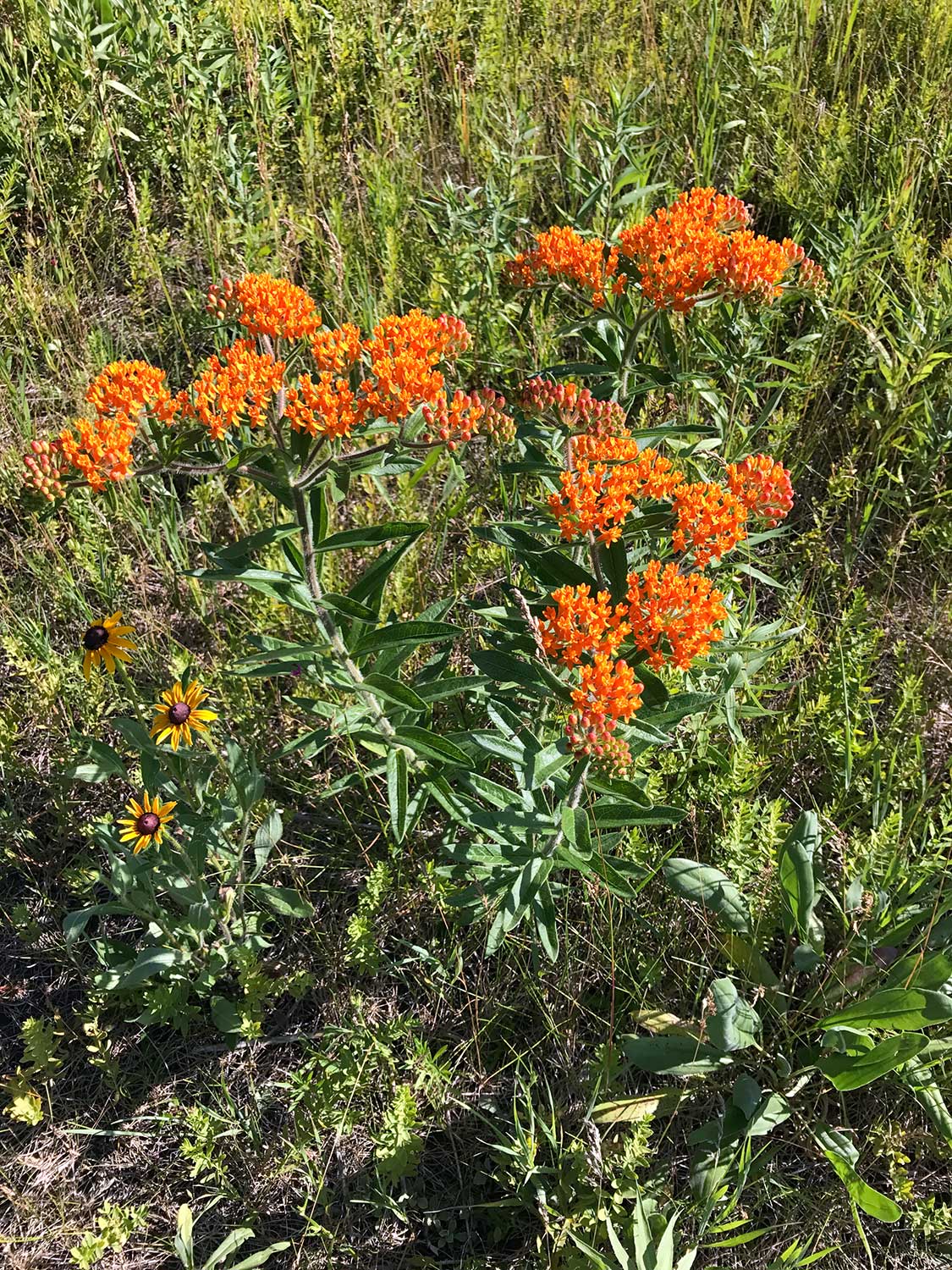
Butterfly Weed- Asclepias tuberosa

Native To State: YES
Naturally Occurring: NO

Description

Appearance: Asclepias tuberosa is a herbaceous perennial known for its clusters of orange to yellow, butterfly-attracting flowers.

Leaves: The leaves are lance-shaped and arranged in pairs.

Flowers: The plant produces clusters of orange to yellow, butterfly-attracting flowers.

Fruits: It forms distinctive, elongated seed pods.

Habitat: It is commonly found in open fields and prairies.

Distribution: Butterfly milkweed is native to North America.

Occurrence
Found in prairie section and large prairie