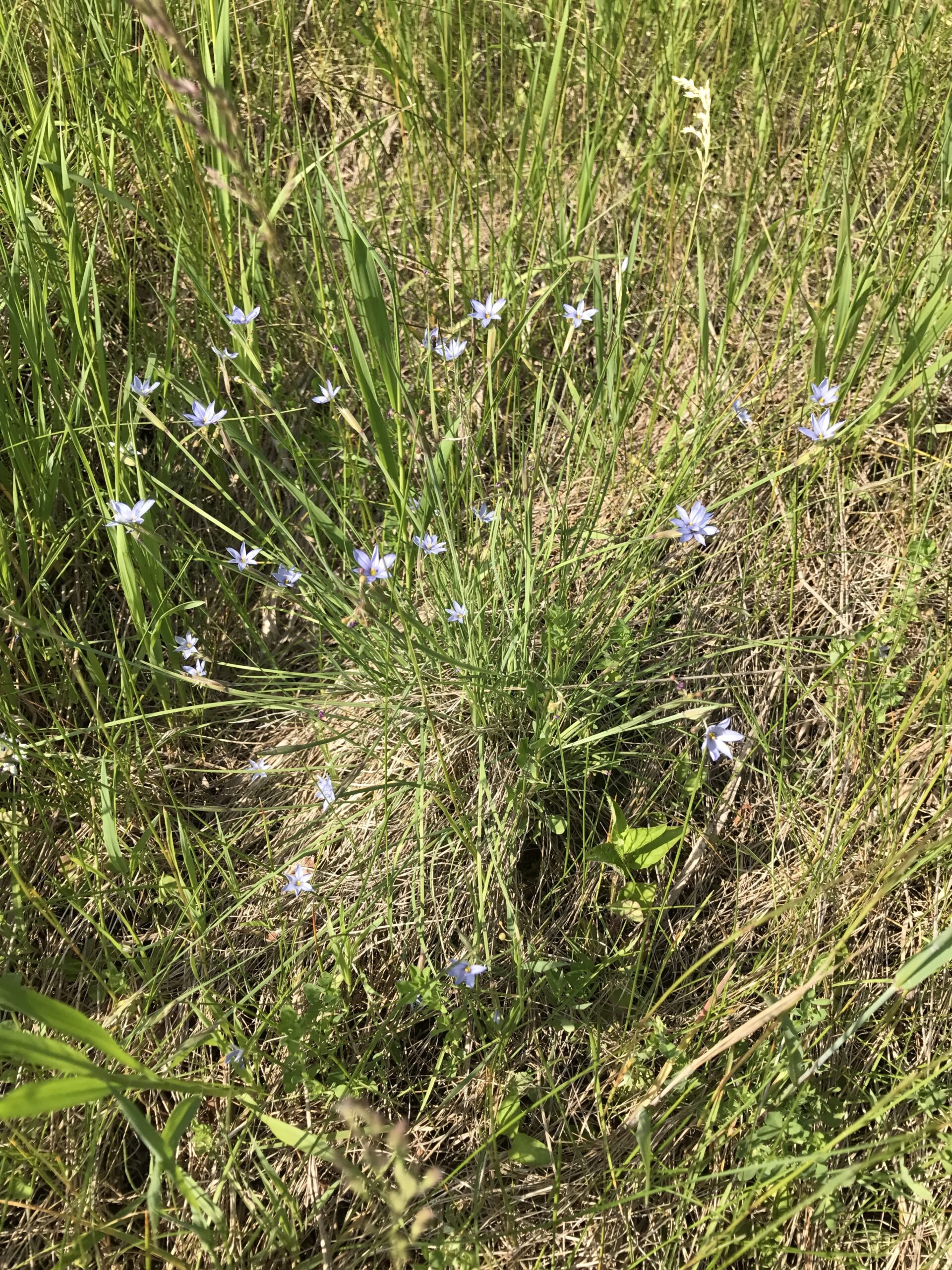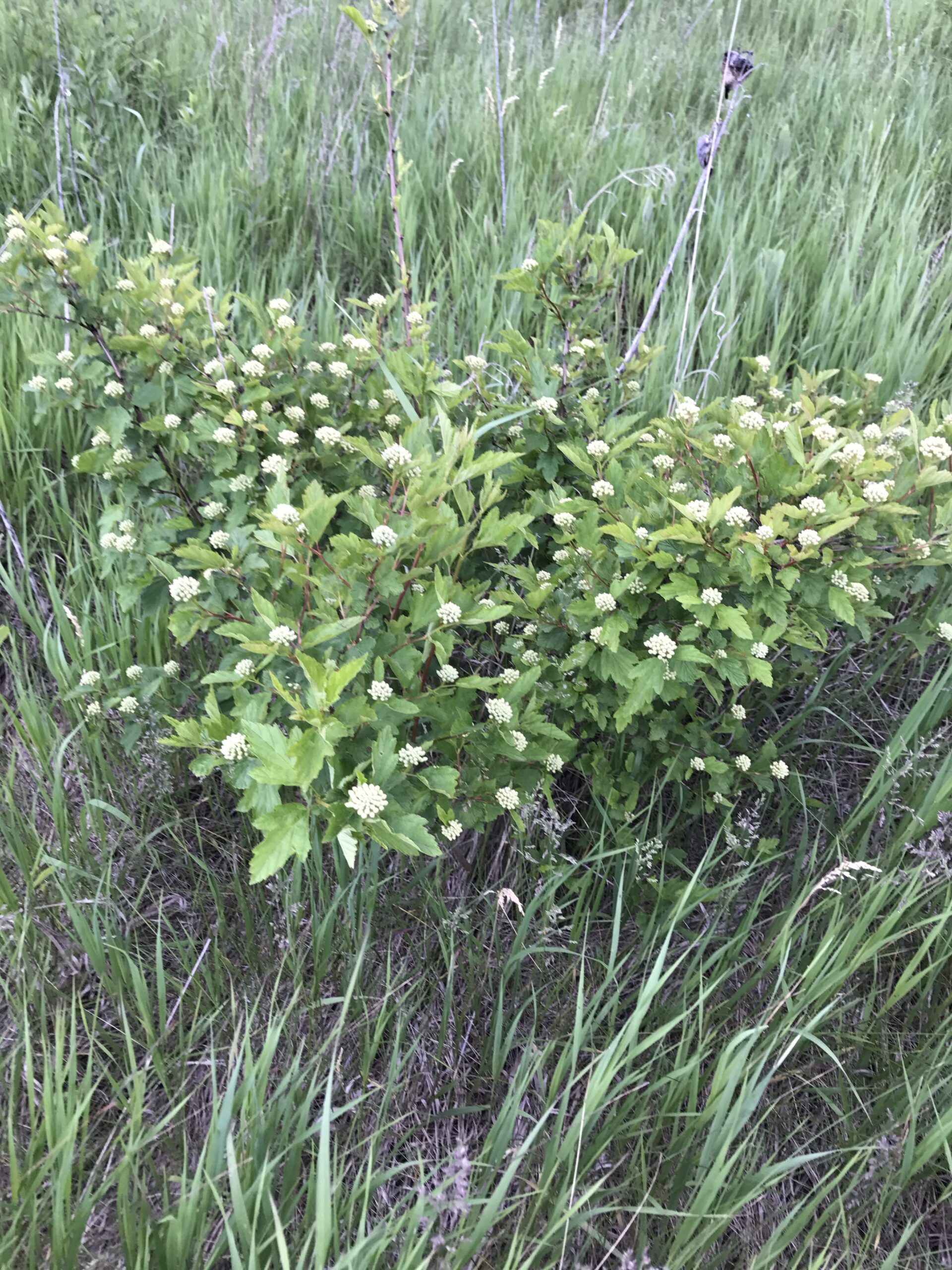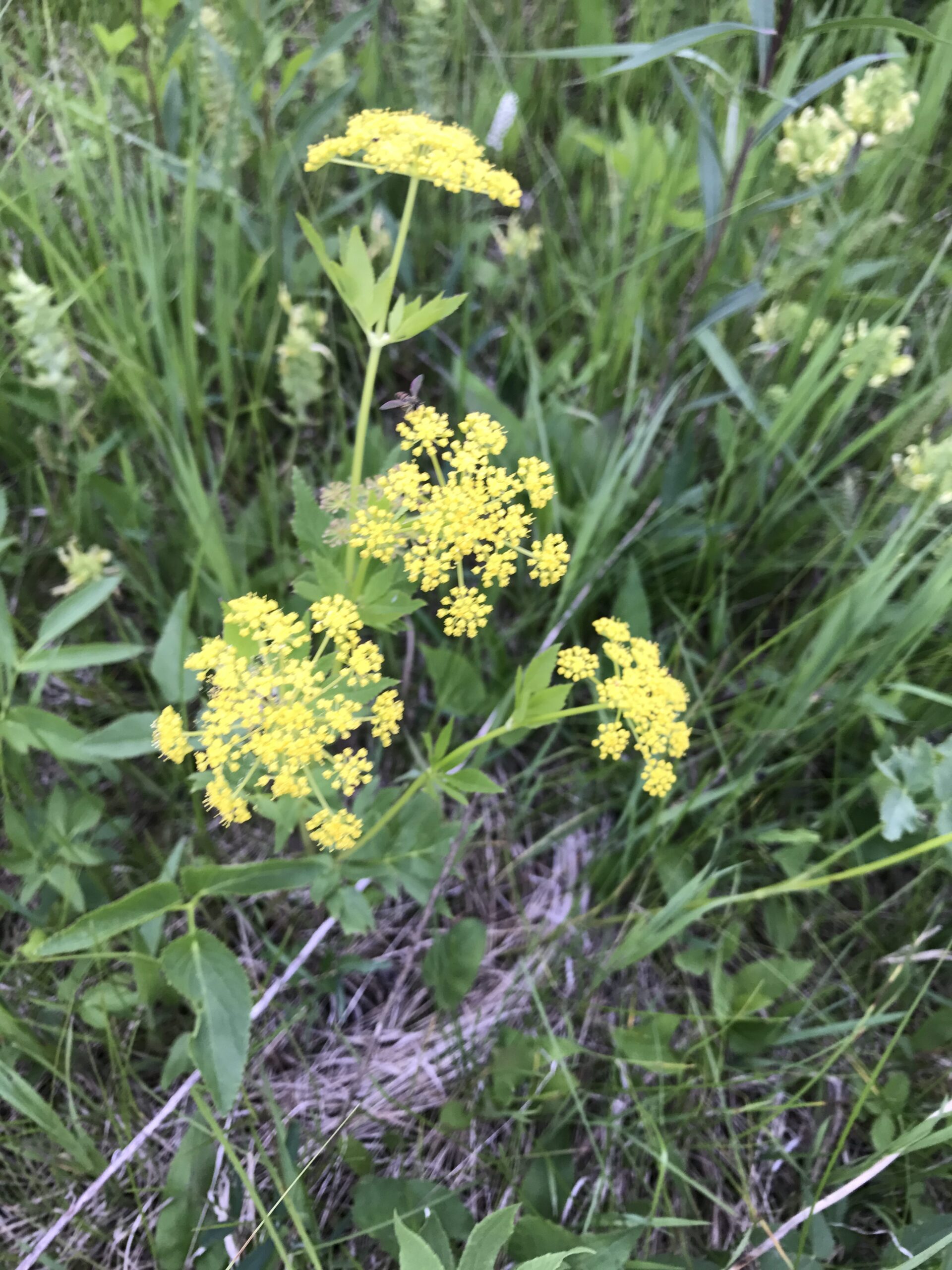
Wild Cucumber – Echinocystis lobata

Native To State: YES
Naturally Occurring: YES

Description

Appearance: Wild cucumber is a vigorous annual vine that can climb and sprawl over nearby vegetation.

Leaves: The leaves of Echinocystis lobata are alternate, palmately lobed with five shallow lobes, and roughly triangular in shape.

Flowers: The plant produces small, greenish-white flowers in clusters, which are not as showy as those of some other cucurbit species.

Fruits: After flowering, wild cucumber forms large, spiny, and balloon-like fruits that give rise to its common name “wild cucumber.”

Habitat: This species is native to various regions of North America and can be found in a variety of habitats, including woodlands, thickets, and along stream banks.

Distribution: Wild cucumber is found in regions ranging from eastern Canada to the central and eastern parts of the United States.

Conservation: Echinocystis lobata is not considered a threatened species, and its rapid growth contributes to its ecological role in covering open areas and providing shelter for wildlife.

Other Species: Echinocystis lobata is part of the Echinocystis genus, which includes other cucumber species with diverse characteristics.

Wild cucumber is appreciated for its rapid and exuberant growth, making it a captivating sight as it climbs and spreads across its surroundings. While not commonly cultivated in gardens, it is a valuable native plant in natural

Occurrence
Found sporadically throughout the property

Stiff Goldenrod – Solidago rigida

Native To State: YES
Naturally Occurring: YES

Description

Appearance: Solidago rigida is a herbaceous perennial plant characterized by its erect stems and dense clusters of yellow, composite flowers.

Leaves: The leaves are lance-shaped and serrated along the margins.

Flowers: Stiff goldenrod produces small, bright yellow flowers arranged in densely packed, pyramidal-shaped clusters at the tips of the stems.

Habitat: It is commonly found in prairies, meadows, and open woodlands.

Distribution: This species is native to various regions of North America.

Occurrence
Widespread in grassy areas, though not as common as the other golden rods

American Wild Plum – Prunus americana

Native To State: YES
Naturally Occurring: YES

Description

Appearance: Prunus americana is a deciduous shrub or small tree known for its white flowers and red or yellowish fruit. Small shrub/tree with zig-zag growth on stiff woody branches. Produces small edible plums. Leaves do not have glands on the leaf stalk which differentiates it from the Canada Plum.

Leaves: The leaves are elliptical, serrated, and finely toothed.

Flowers: American plum produces small, white flowers with five petals that appear in clusters.

Fruit: The fruit is a round, fleshy drupe that is typically red or yellow when mature.

Habitat: It is commonly found in a variety of habitats, including woodlands, edges of forests, and along streams.

Distribution: This species is native to North America.

Occurrence
Found in various places on the property

Canada Plum – Prunus nigra

Native To State: YES
Naturally Occurring: YES

Description

Appearance: Prunus nigra is a deciduous shrub or small tree with white flowers and red or purple fruit.

Leaves: The leaves are elliptical, serrated, and finely toothed, similar to those of Prunus americana. Leaves have glands on the leaf stalk which differentiates it from the American Plum.

Flowers: Canada plum produces small, white flowers with five petals that appear in clusters.

Fruit: The fruit is a round, fleshy drupe that is typically red or purple when mature.

Habitat: It is commonly found in a variety of habitats, including woodlands, edges of forests, and along streams, similar to Prunus americana.

Distribution: This species is native to North America.

Distinguishing Prunus americana from Prunus nigra: Prunus americana and Prunus nigra are similar in appearance, but their fruit color can be a distinguishing factor. Prunus americana typically has red or yellowish fruit, while Prunus nigra usually has red or purple fruit. Additionally, detailed examination of the leaves and flowers can help in accurate identification.

Occurrence
Found in various places on the property

Smooth Solomon’s Seal – Polygonatum biflorum

Native To State: YES
Naturally Occurring: YES

Description

Appearance: Polygonatum biflorum is a perennial herb known for its arching stems and pairs of dangling, bell-shaped, greenish-white flowers.

Leaves: The leaves are elliptical and alternate along the stem, and they have smooth margins.

Flowers: The flowers are typically borne in pairs (hence the name “biflorum”) and hang from the leaf axils.

Habitat: It is commonly found in shaded woodlands and forest understories.

Distribution: This species is native to eastern North America.

Occurrence
Found throughout the wooded areas

American Water Horehound – Lycopus americanus

Native To State: YES
Naturally Occurring: YES

Description

Appearance: Lycopus americanus is a herbaceous perennial with square stems and clusters of tiny white flowers.

Leaves: The leaves are opposite, lance-shaped, and toothed.

Flowers: The flowers are small, white, and arranged in dense whorls in the leaf axils.

Habitat: It is typically found in wetland areas, along stream banks, and in moist meadows.

Distribution: This species is native to eastern and central North America.

Occurrence
Found in prairie section

Round-Headed Bush Clover – Lespedeza capitata

Native To State: YES
Naturally Occurring: YES

Description
Crowded globe shaped clusters of white flowers on long leaning stems with 3-way compound leaves that are alternate on the stem.

Appearance: Lespedeza capitata is a perennial herb known for its erect stems and globe-like clusters of small, pink to lavender flowers.

Leaves: The leaves are alternate and pinnately compound, with three leaflets.

Flowers: The flowers are pink to lavender and arranged in dense, round clusters at the tips of the stems.

Habitat: It is commonly found in open fields, meadows, and along roadsides.

Distribution: This species is native to eastern and central North America.

Occurrence
Found in prairie section

Common Hops – Humulus lupulus

Native To State: YES
Naturally Occurring: YES

Description

Appearance: Humulus lupulus is a vigorous, climbing herbaceous plant known for its lobed leaves and cone-like structures.

Leaves: The leaves are palmately lobed and serrated along the margins.

Flowers: The plant produces small, greenish-yellow flowers that are inconspicuous. However, it is best known for the cone-like structures that develop later, which are used in brewing.

Habitat: It is often cultivated for use in brewing beer and can also be found growing wild in moist areas along streams and rivers.

Distribution: Common hop is native to Europe and Asia but is now cultivated in various regions worldwide.

Occurrence
Found sporadically throughout the property

American Highbush Cranberry – Viburnum opulus var. americanum

Native To State: YES
Naturally Occurring: YES

Description

Appearance: American cranberrybush viburnum is a deciduous shrub known for its distinctive, three-lobed leaves and clusters of white flowers.

Leaves: The leaves are palmately lobed with three main lobes and serrated edges.

Flowers: It produces small, white, flat-topped clusters of flowers.

Fruit: The fruit is a red berry that resembles cranberries.

Habitat: It is commonly found in wetlands, woodlands, and along stream banks.

Distribution: This variety is native to eastern North America.

Occurrence
Found sporadically on property – particularly in old fence lines.

Bottlebrush Grass – Elymus hystrix

Native To State: YES
Naturally Occurring: YES

Description

Appearance: Bottlebrush grass is a native perennial grass known for its distinctive seed heads.

Leaves: The leaves are long and linear with a bluish-green color.

Seed Heads: The seed heads are bottlebrush-shaped and have long awns, giving them a unique appearance.

Habitat: It is typically found in woodlands and shaded areas.

Distribution: This species is native to eastern and central North America.

Occurrence
Found in wooded areas or woods edges.