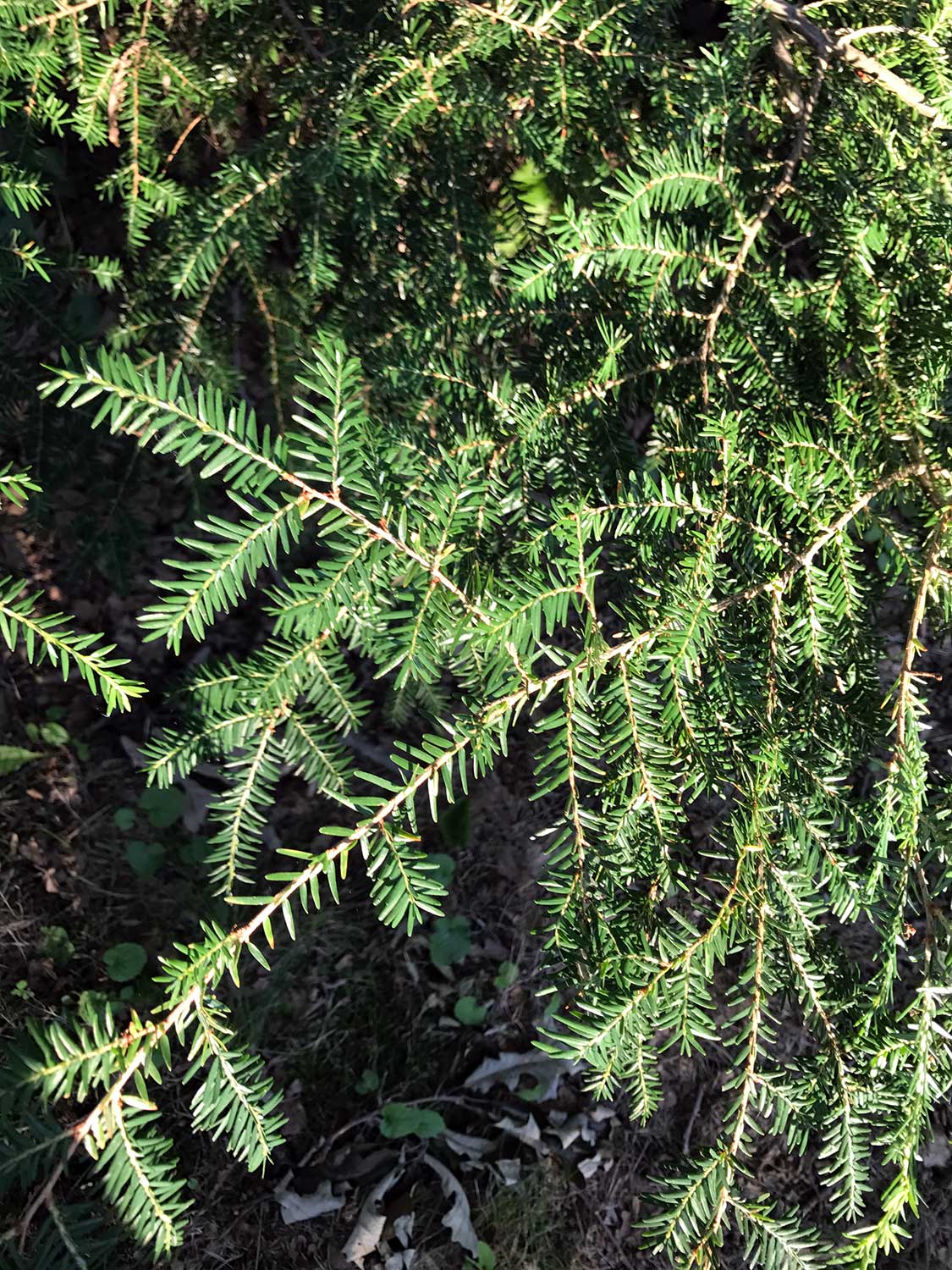
Eastern Hemlock – Tsuga canadensis

Native To State: YES
Naturally Occurring: NO

Description

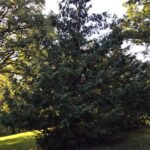
Appearance: Tsuga canadensis is an evergreen tree known for its flat, short needles and small cones.

Leaves: The needles are flat, short, and arranged in two rows.

Cones: It produces small, woody cones that dangle from the branches.

Bark: The bark is brownish-gray and furrowed.

Habitat: It is commonly found in moist, shaded woodlands.

Distribution: Eastern hemlock is native to North America.

Occurrence
Specimens planted on north end of field trail
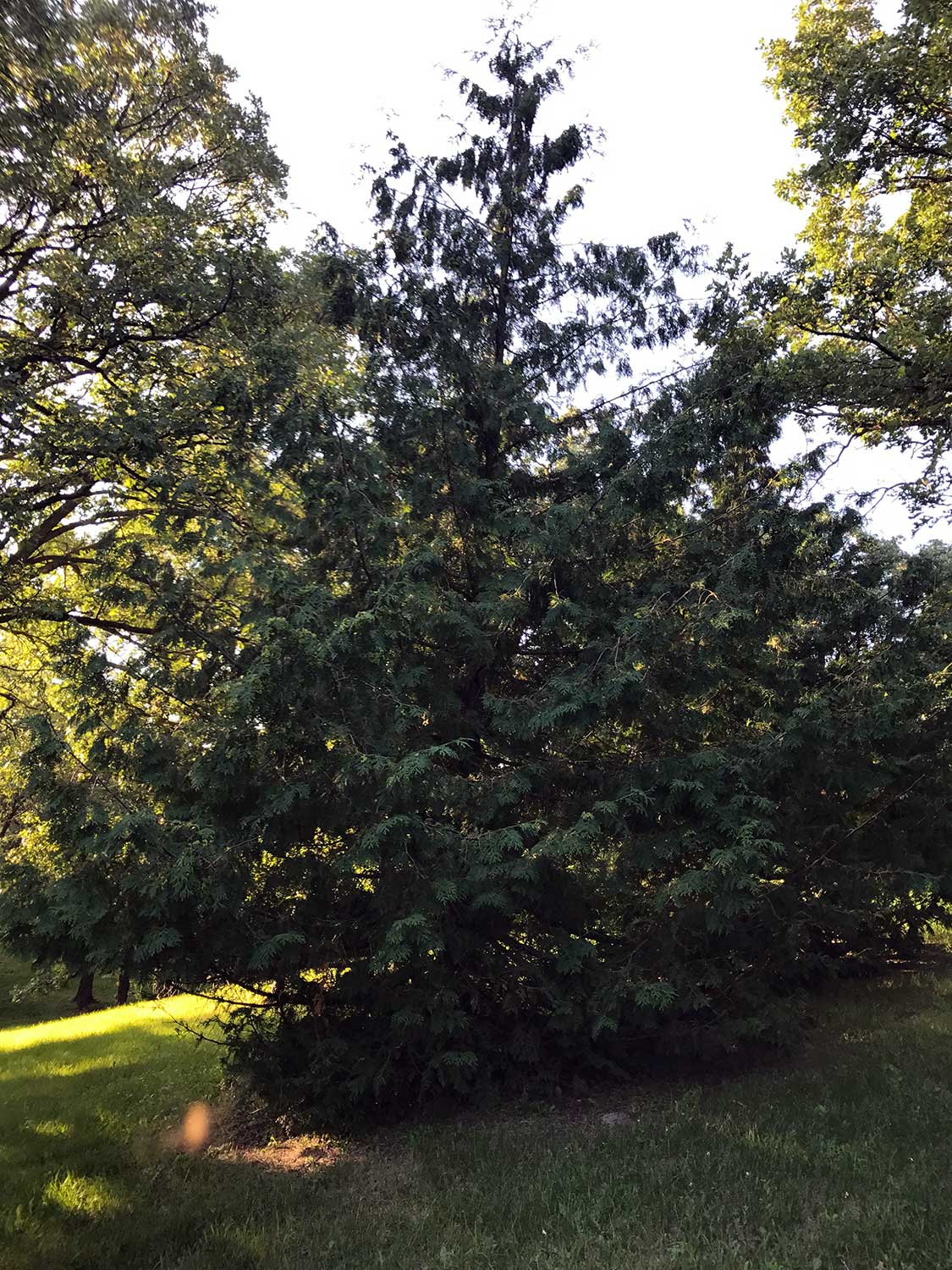
Arbor Vitae – Thuja occidentalis

Native To State: YES
Naturally Occurring: NO

Description

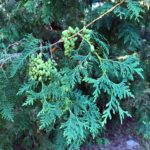
Appearance: Thuja occidentalis is an evergreen tree known for its scale-like leaves and small, woody cones.

Leaves: The leaves are scale-like, overlapping, and appear in flattened sprays.

Cones: It produces small, woody cones.

Bark: The bark is reddish-brown and fibrous.

Habitat: It is commonly found in wetlands and along streams.

Distribution: Northern white cedar is native to North America.


Compact, pyramidal; height 50′ to 60′, diameter 24″ to 36″; trunk often twisted, strongly tapered, and frequently divided into two or more direct stems; branches short and nearly horizontal; sometimes forms almost impenetrable thickets because dead branches are very stiff and persistent; in the open, develops a conical, symmetrical crown. There are numerous ornamental or garden varieties of white cedar known as arborvitae.

Occurrence
Several larger specimens found around the edges of the farm yard.

Chinese Cork Tree – Phellodendron amurense

Native To State: NO
Naturally Occurring: NO

Description

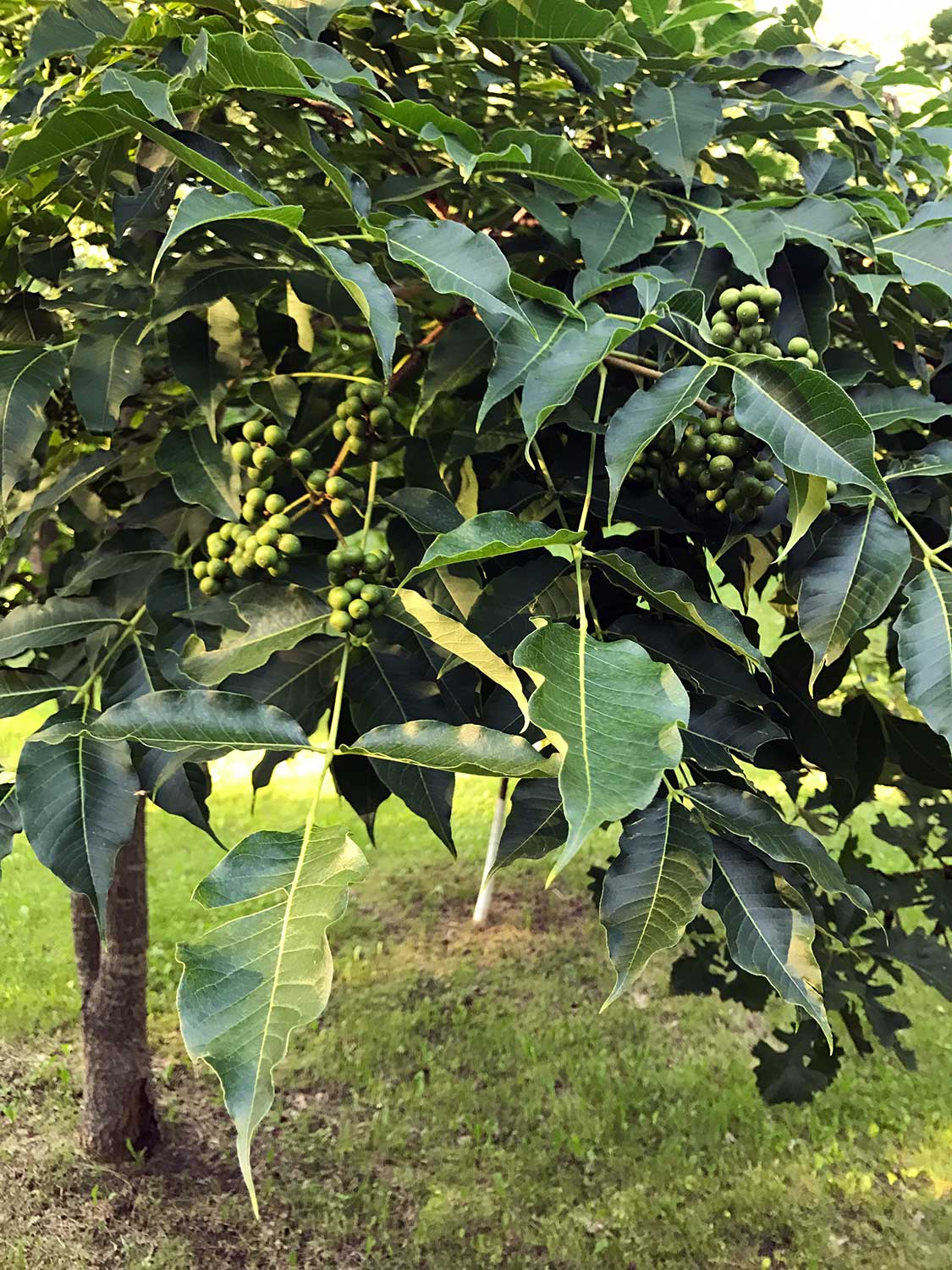
Appearance: Phellodendron amurense is a deciduous tree known for its pinnately compound leaves and small yellow flowers.

Leaves: The leaves are pinnately compound, with several leaflets.

Flowers: It produces small, yellow flowers in clusters.

Bark: The bark is corky and rough.

Fruit: It produces small, black drupes.

Habitat: It is commonly found in various habitats, including woodlands and urban areas.

Distribution: Amur cork tree is native to eastern Asia.

Occurrence
Two mid-sized specimens in the farm yard and seedlings planted along east side of property in 2017.

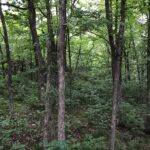
Ironwood – Ostrya virginiana

Native To State: YES
Naturally Occurring: YES

Description

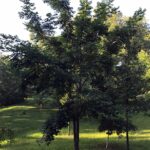
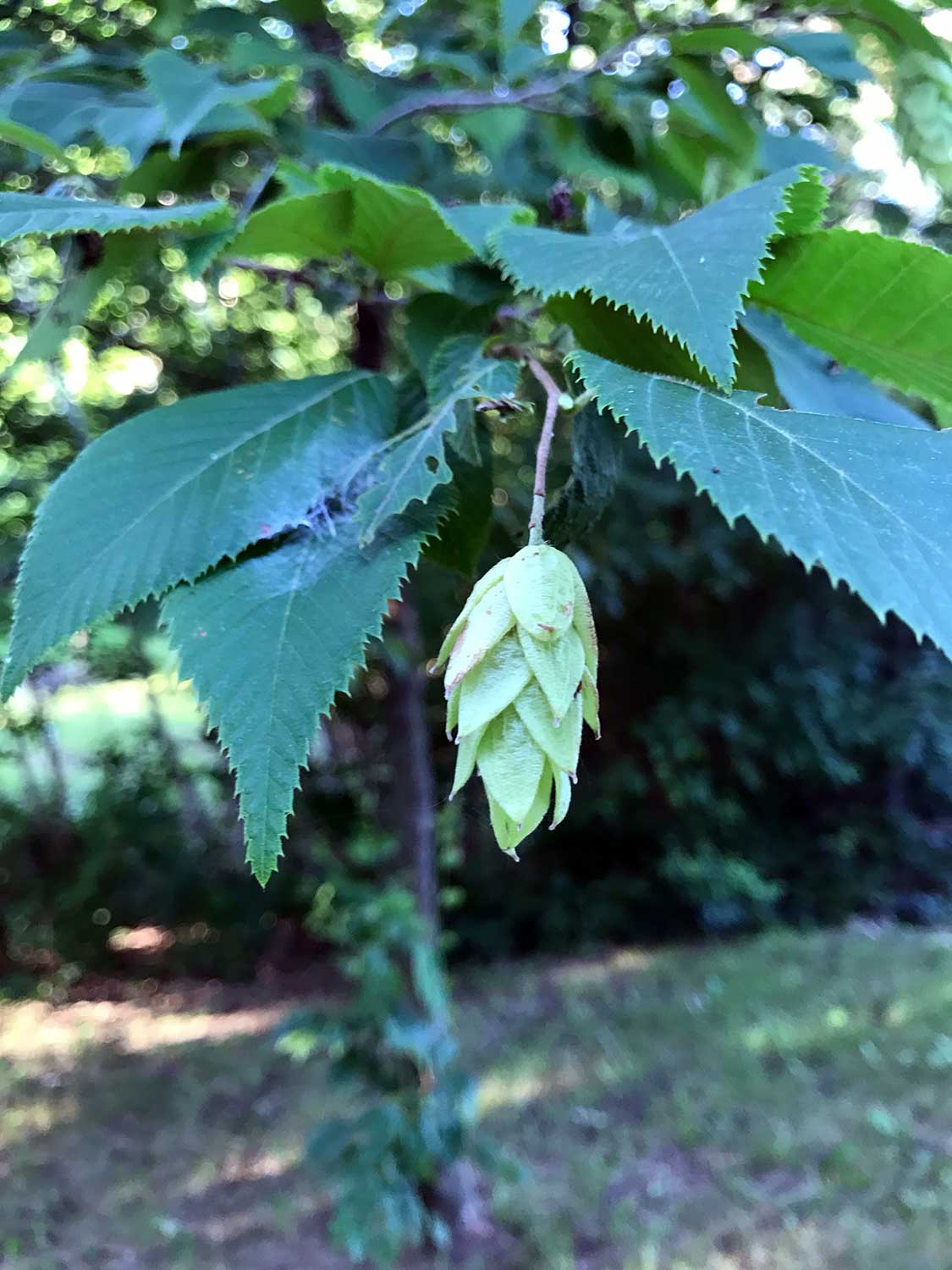
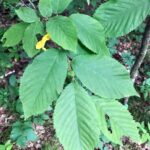
Appearance: Ostrya virginiana is a deciduous tree known for its slender, serrated leaves and hop-like fruit clusters.

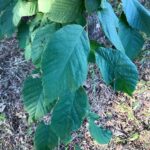
Leaves: The leaves are alternate, serrated, and resemble those of birch trees.

Fruit: It produces hop-like clusters of seed pods.

Bark: The bark is grayish-brown and develops a shaggy appearance with age.

Habitat: It is commonly found in woodlands and along streambanks.

Distribution: American hophornbeam is native to North America.

Occurrence
Widely occurring in the understory of woods in the formerly pastured areas.

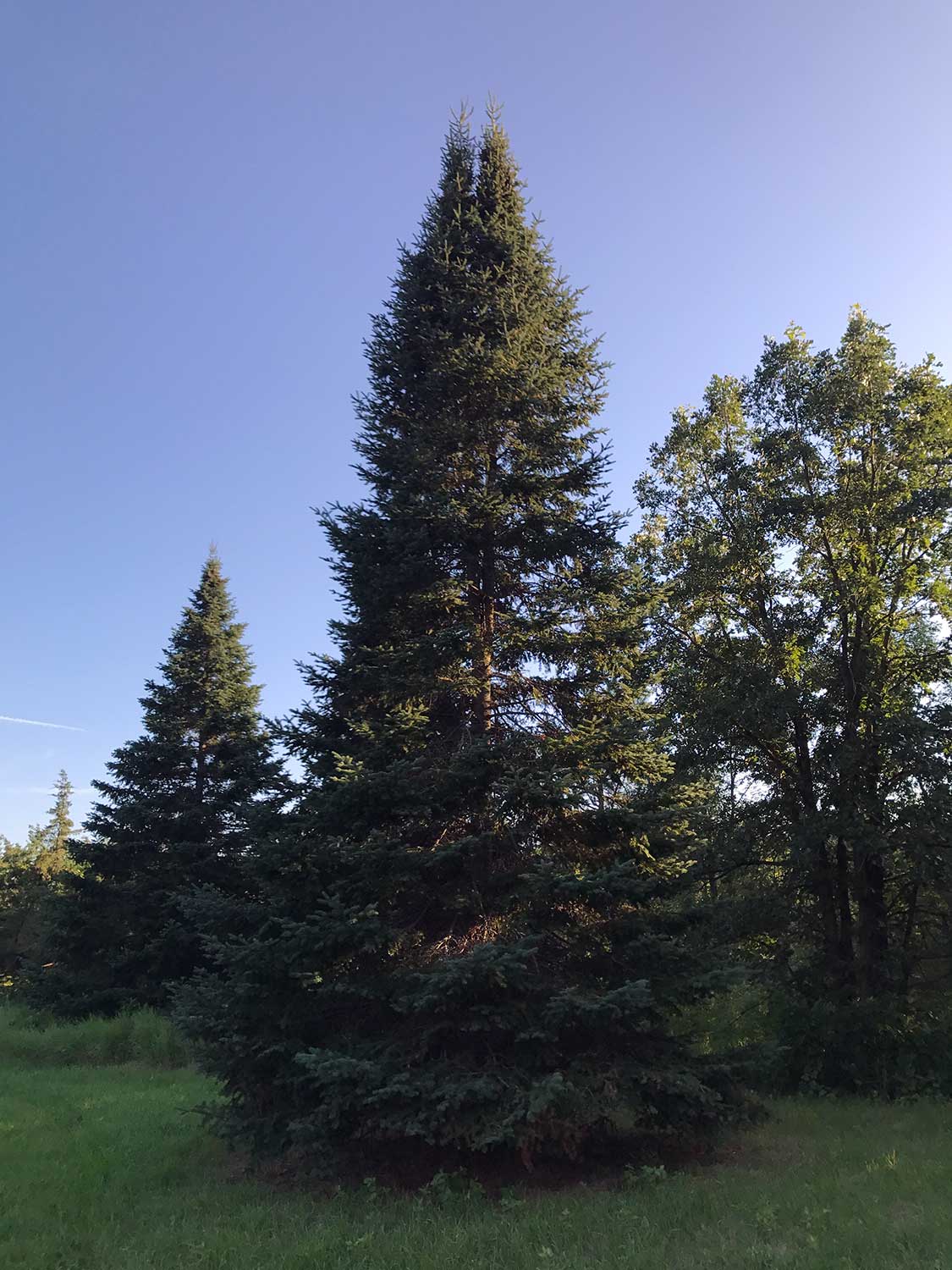
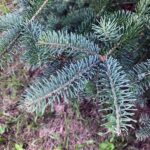
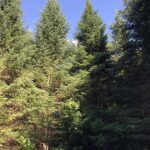
Balsam Fir – Abies balsamea

Native To State: YES
Naturally Occurring: NO

Description

Appearance: Abies balsamea is an evergreen tree known for its spire-like shape and aromatic needles.

Leaves: The needles are flat, dark green, and have a pleasant balsam fragrance.

Cones: It produces small, upright cones that disintegrate upon maturity.

Bark: The bark is grayish-brown and smooth.

Habitat: It is commonly found in northern woodlands and at higher elevations.

Distribution: Balsam fir is native to North America.

Occurrence
Several good-sized specimens appear along the edge of the farm yard, and two nice groups on either side of the marsh.

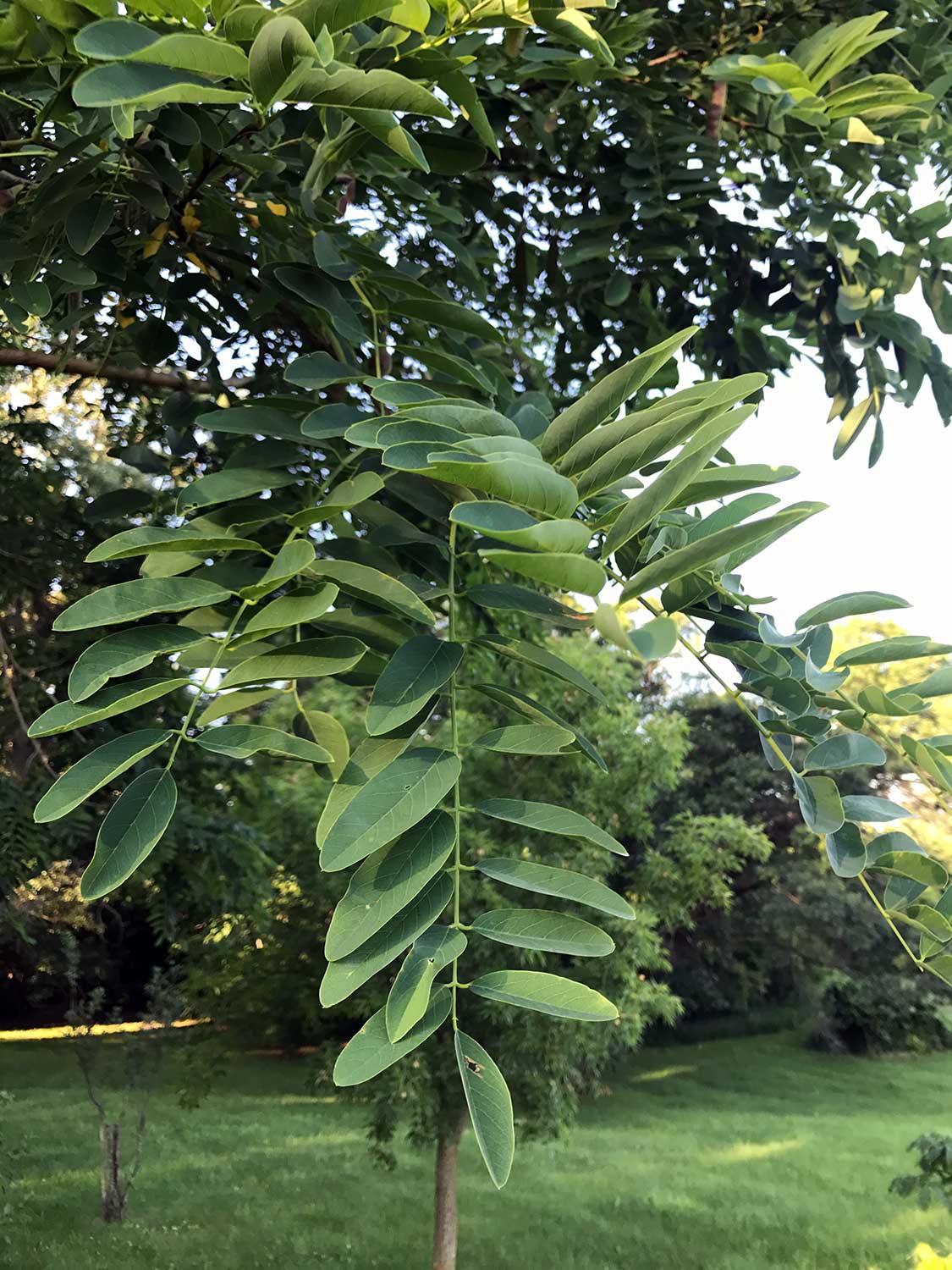
Black Locust – Robinia pseudoacacia

Native To State: NO
Naturally Occurring: NO

Description

Appearance: Robinia pseudoacacia is a deciduous tree known for its pinnately compound leaves and fragrant white flowers.

Leaves: The leaves are pinnately compound with numerous leaflets.

Flowers: It produces fragrant, white, pea-like flowers in drooping clusters.

Bark: The bark is rough and deeply furrowed.

Fruit: It produces long, brown seed pods.

Habitat: It is commonly found in a variety of habitats, including woodlands and disturbed areas.

Occurrence
Two specimens. One in farm yard and one along fence line off the Hawthorne loop trail.

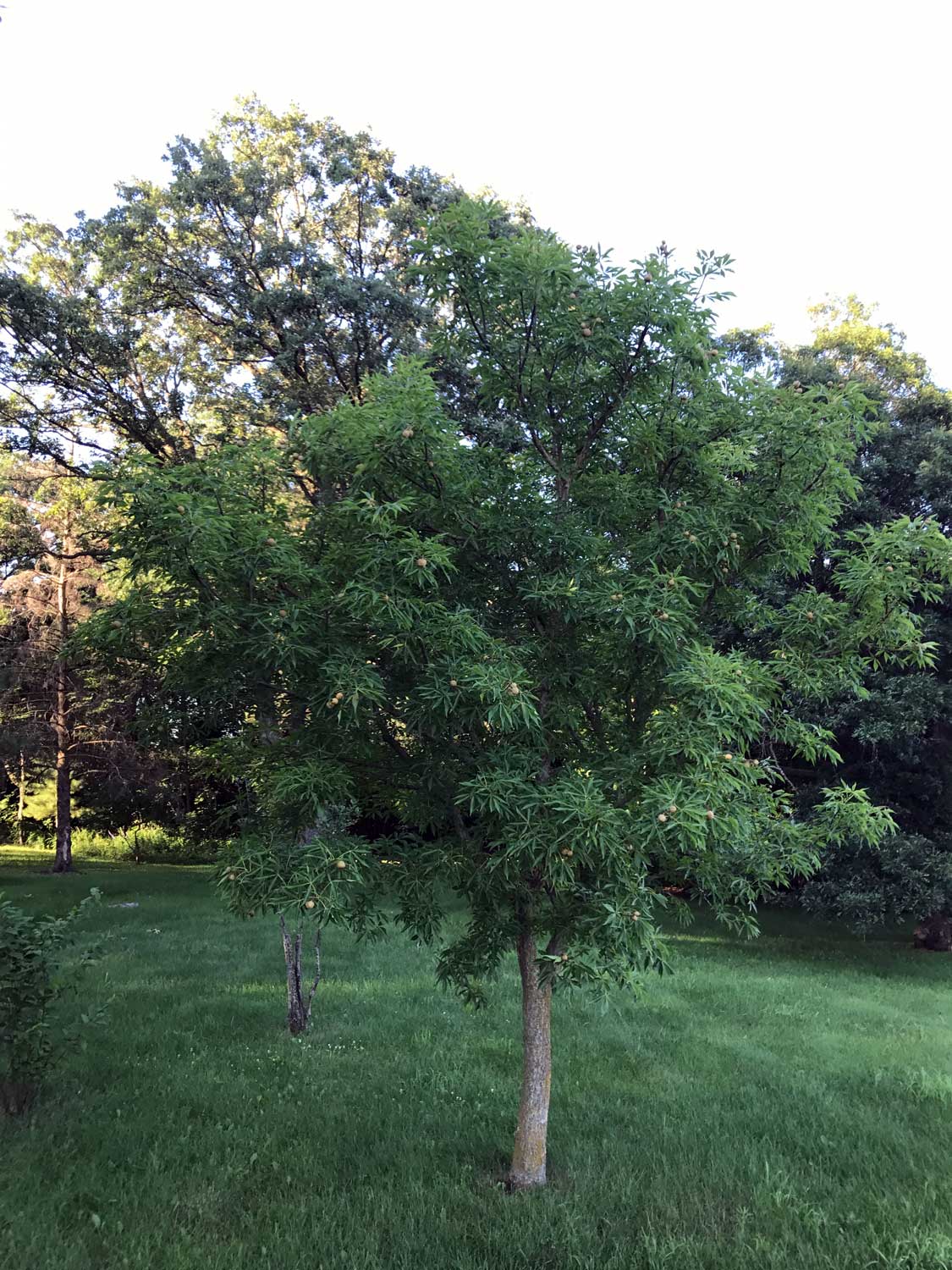
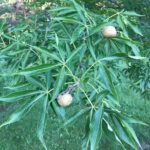
Ohio Buckeye – Aesculus glabra

Native To State: NO
Naturally Occurring: NO

Description

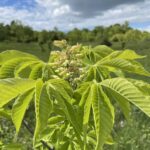
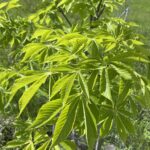
Appearance: Aesculus glabra is a deciduous tree known for its palmately compound leaves and distinctive fruit.

Leaves: The leaves are palmately compound with five leaflets.

Fruit: It produces large, round, leathery capsules containing shiny brown seeds.

Bark: The bark is grayish-brown and smooth.

Flowers: It produces showy, yellowish-green flowers in spring.

Habitat: It is commonly found in woodlands and floodplains.

Distribution: Ohio buckeye is native to North America.

Occurance
Moderate sized specimen in farm yard. Several planted in 2018

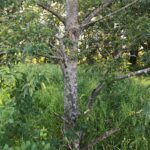
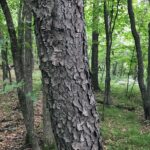
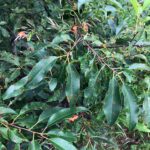
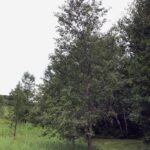
Black Cherry – Prunus serotina

Native To State: YES
Naturally Occurring: YES

Description

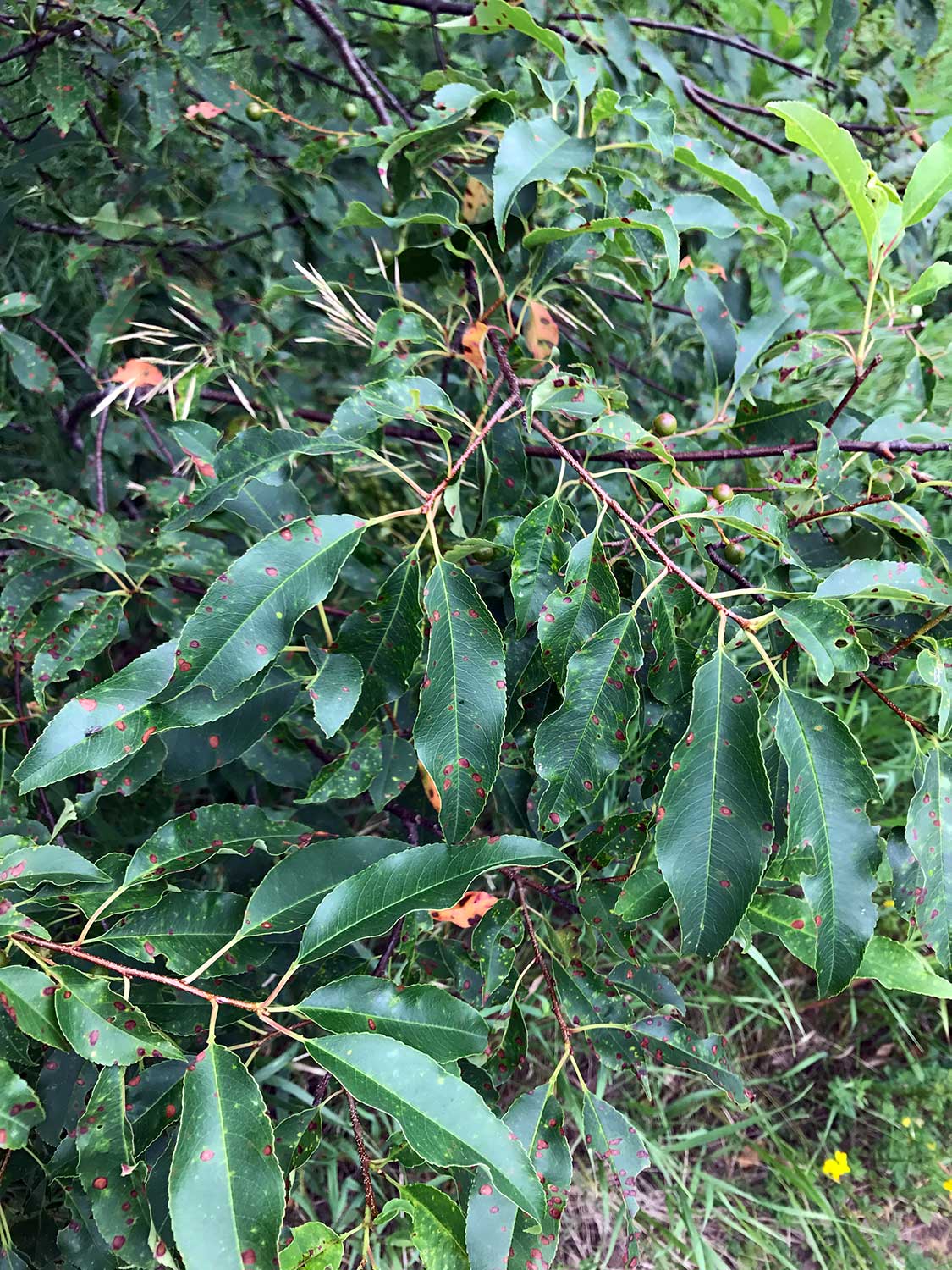
Appearance: Prunus serotina is a deciduous tree known for its simple leaves, fragrant white flowers, and dark fruit.

Leaves: The leaves are simple, serrated, and lance-shaped.

Flowers: It produces fragrant, white, elongated clusters of flowers.

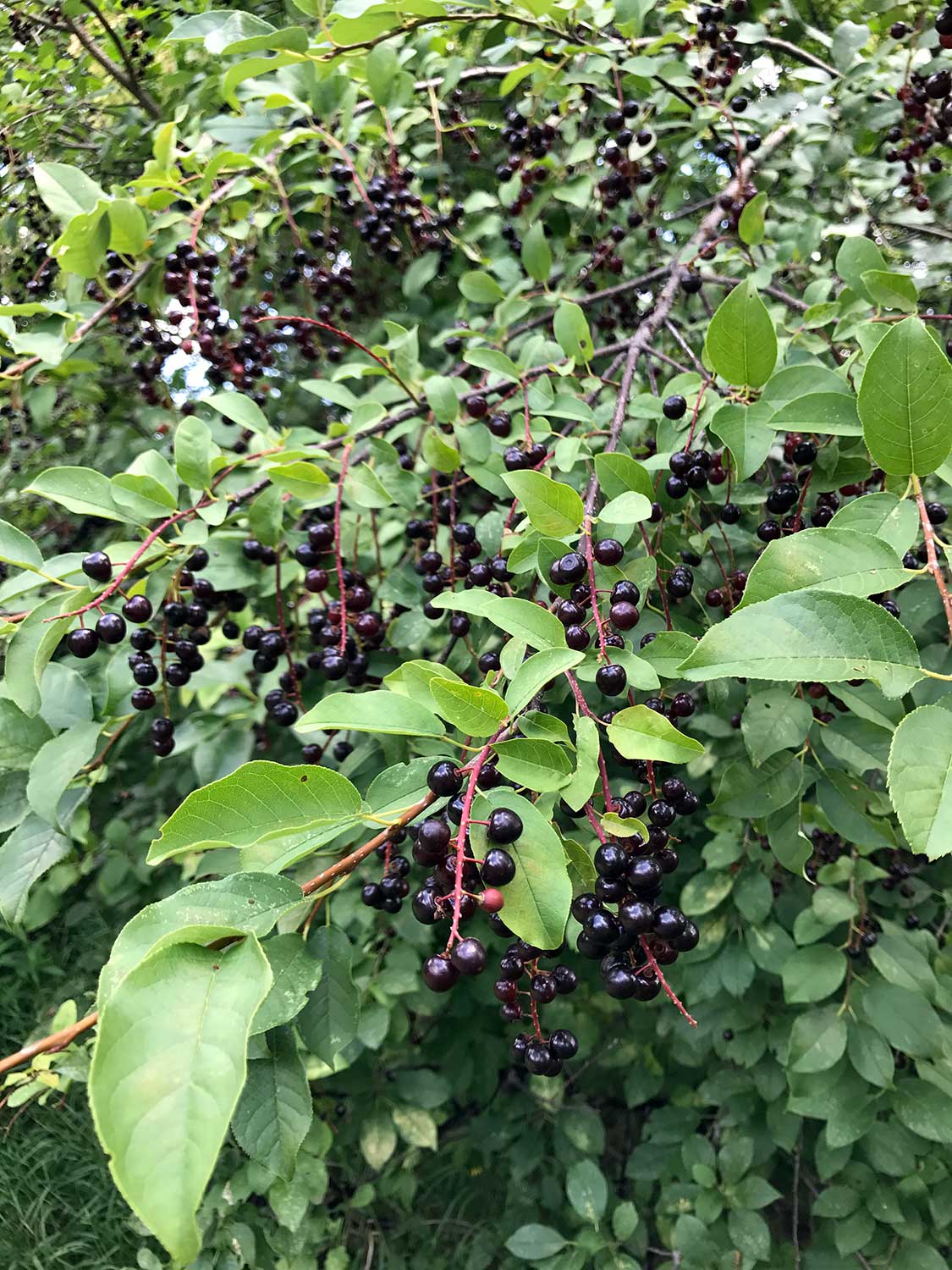
Fruit: It produces small, dark purple to black cherries that are edible but tart.

Bark: The bark is dark, rough, and develops distinctive horizontal lines.

Habitat: It is commonly found in woodlands and along roadsides.

Distribution: Black cherry is native to North America.

Occurrence
One of the more widespread of the large trees.

Common Chokecherry – Prunus virginiana

Native To State: YES
Naturally Occurring: YES

Description

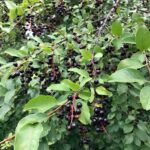
Appearance: Prunus virginiana is a deciduous shrub or small tree known for its simple leaves and clusters of small, red to black fruit.

Leaves: The leaves are simple, serrated, and lance-shaped.

Fruit: It produces clusters of small, red to black cherries that are often bitter.

Bark: The bark is grayish-brown and develops furrows with age.

Flowers: It produces clusters of fragrant, white flowers.

Habitat: It is commonly found in various habitats, including woodlands and open areas.

Distribution: Chokecherry is native to North America.

Occurance
Widespread throughout woods -especially along fence lines.

Jack Pine – Pinus banksiana

Native To State: YES
Naturally Occurring: YES*

Description

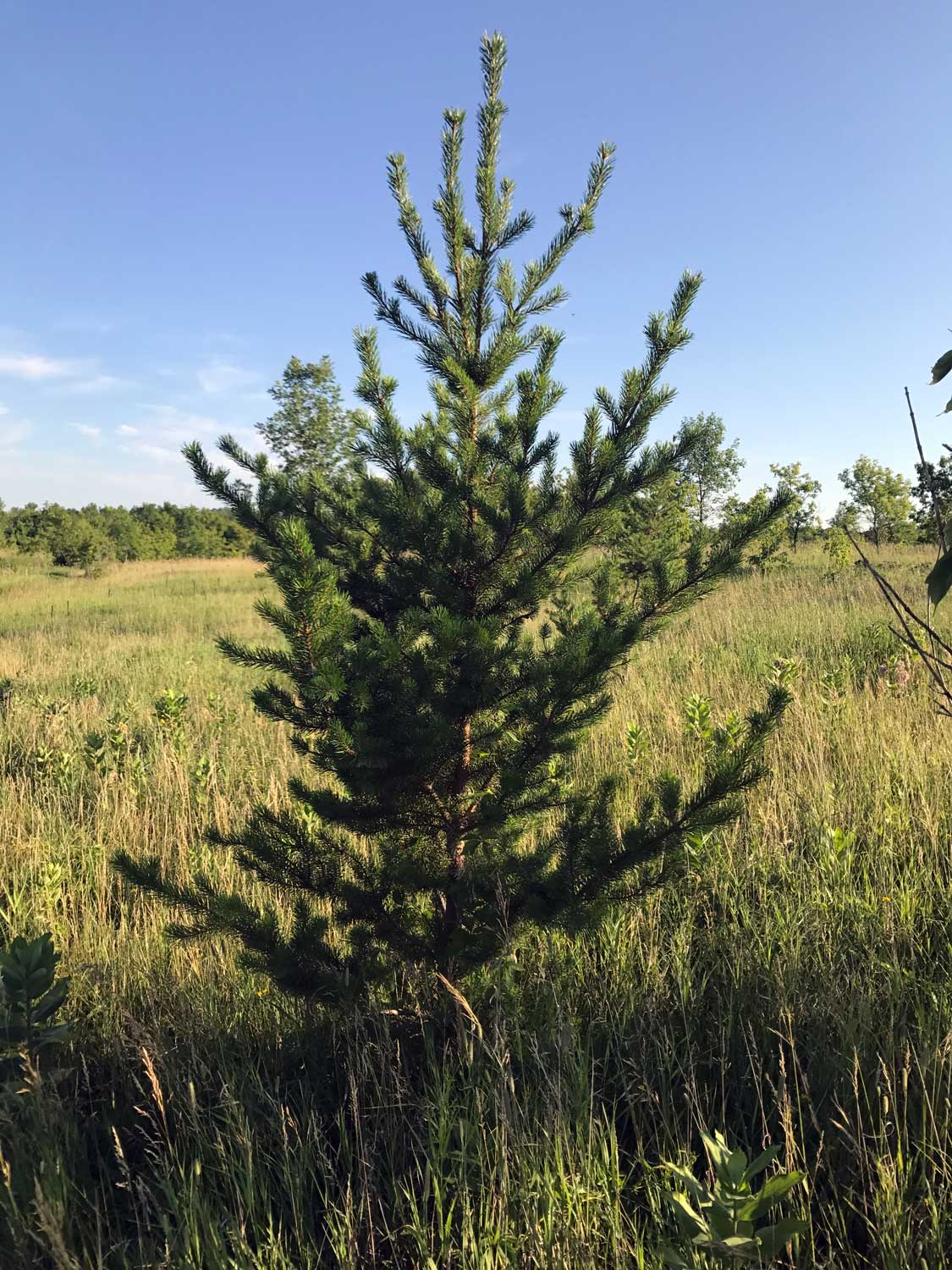
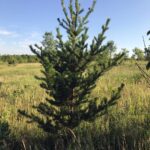
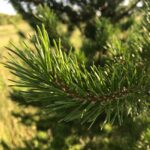
Appearance: Pinus banksiana is a coniferous tree known for its small, resinous cones and twisted, light green needles.

Leaves: The needles are twisted, in pairs, and are relatively short.

Cones: It produces small, serotinous cones that are often clustered near the branch tips.

Bark: The bark is grayish-brown and scaly.

Habitat: It is commonly found in sandy or rocky soils, especially in boreal forests.

Distribution: Jack pine is native to North America.

Occurance
Many specimens were planted throughout the north field area in 2013. *One volunteer came up in the back 40 field in approximately 2007 and is currently the largest specimen at around 20′ tall.