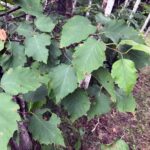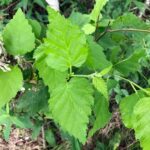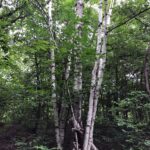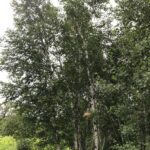
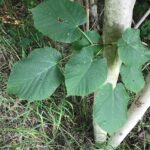
American Basswood – Tilia americana

Native To State: YES
Naturally Occurring: YES

Description

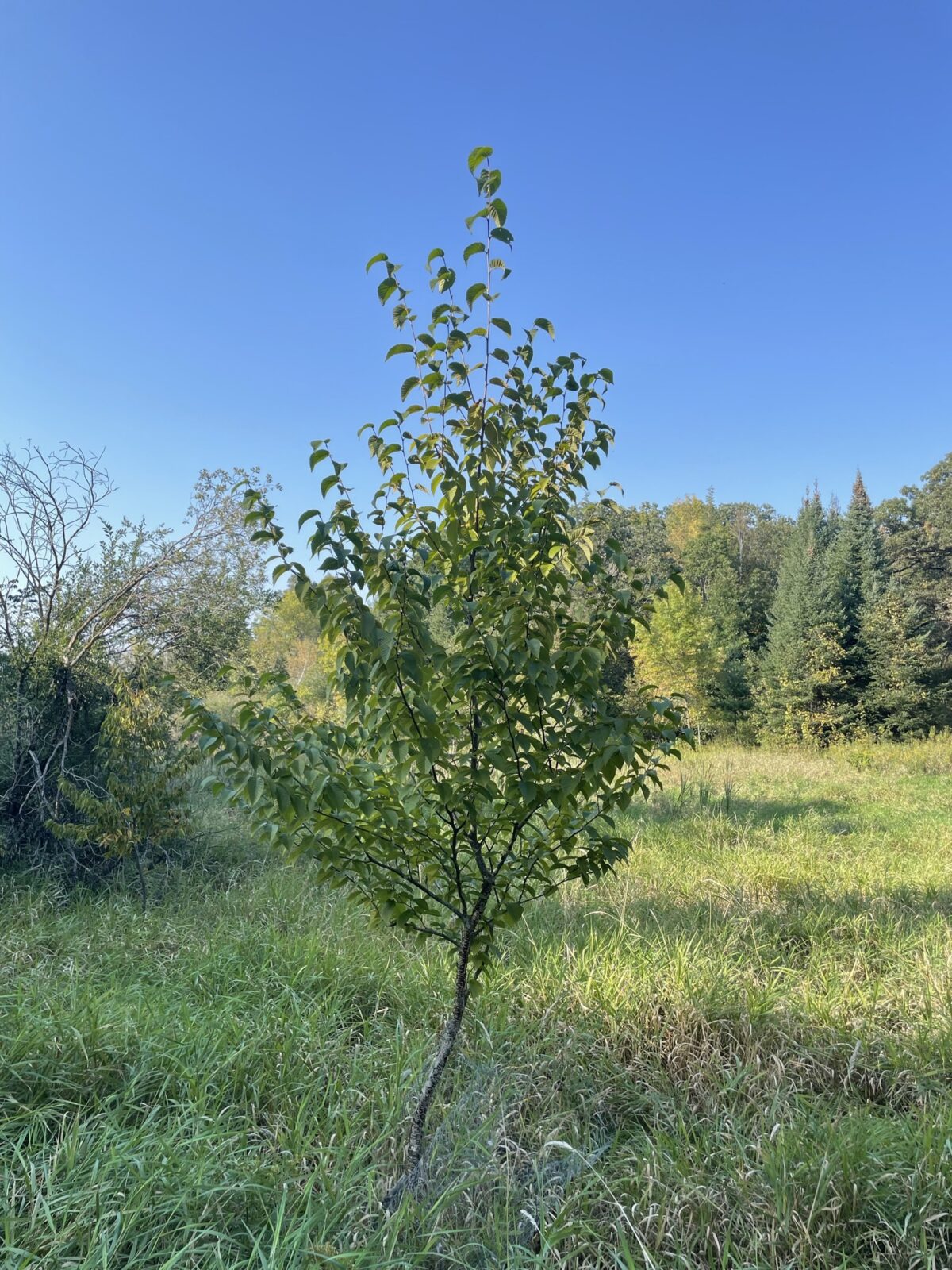
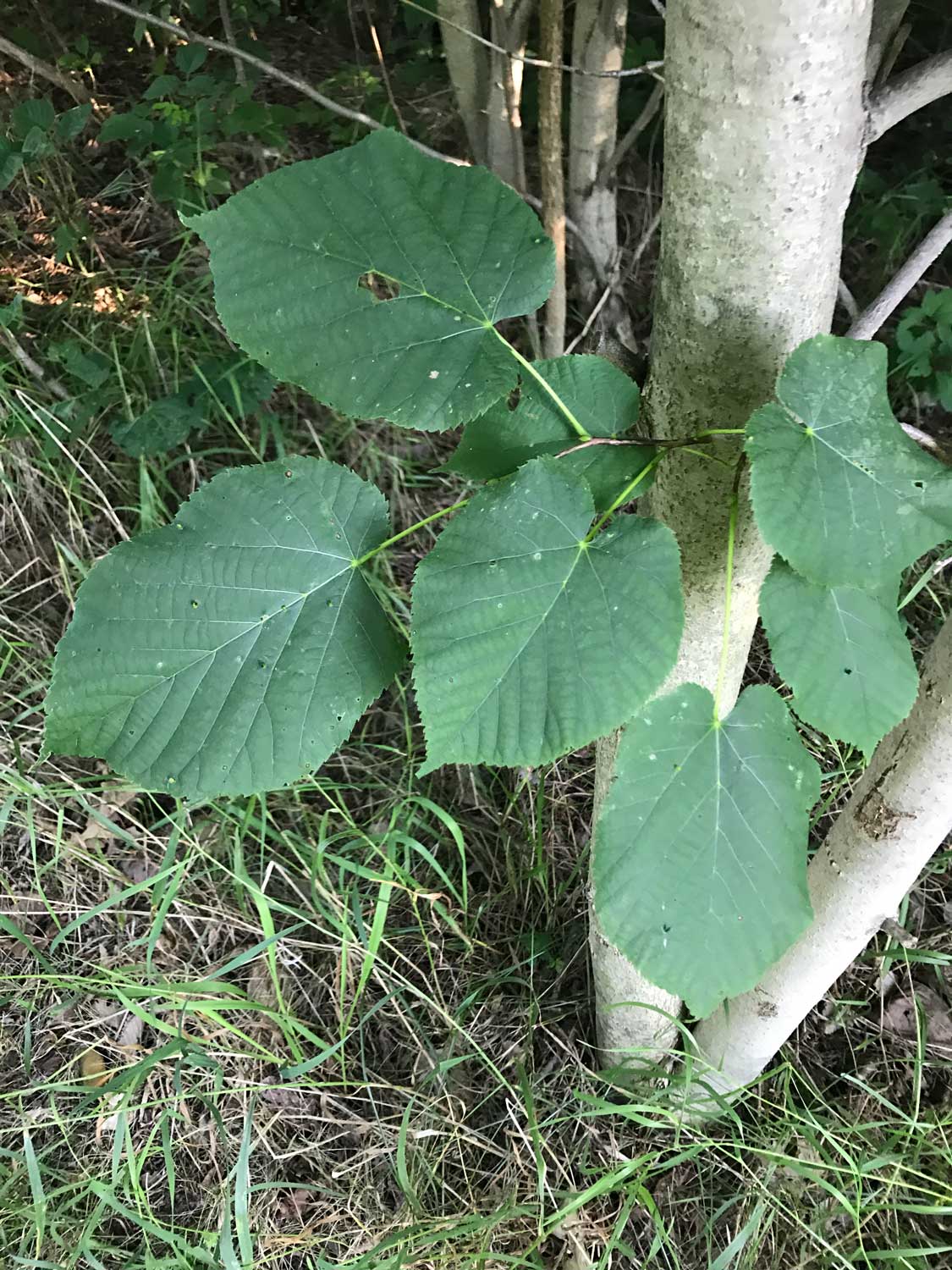
Appearance: Tilia americana is a deciduous tree known for its large, heart-shaped leaves and fragrant, pale yellow flowers.

Leaves: The leaves are large, heart-shaped, and have serrated margins.

Flowers: It produces fragrant, pale yellow flowers that hang in clusters.

Fruit: The tree produces small, nut-like fruits with a papery wing.

Bark: The bark is grayish-brown and develops shallow furrows.

Habitat: It is commonly found in woodlands and along streams.

Distribution: American basswood is native to North America.

Occurance
Widespread throughout the woods and spreading into grassy areas. Several large specimens exist. In 2018 both of the 3-way trees lost one of their three stems.
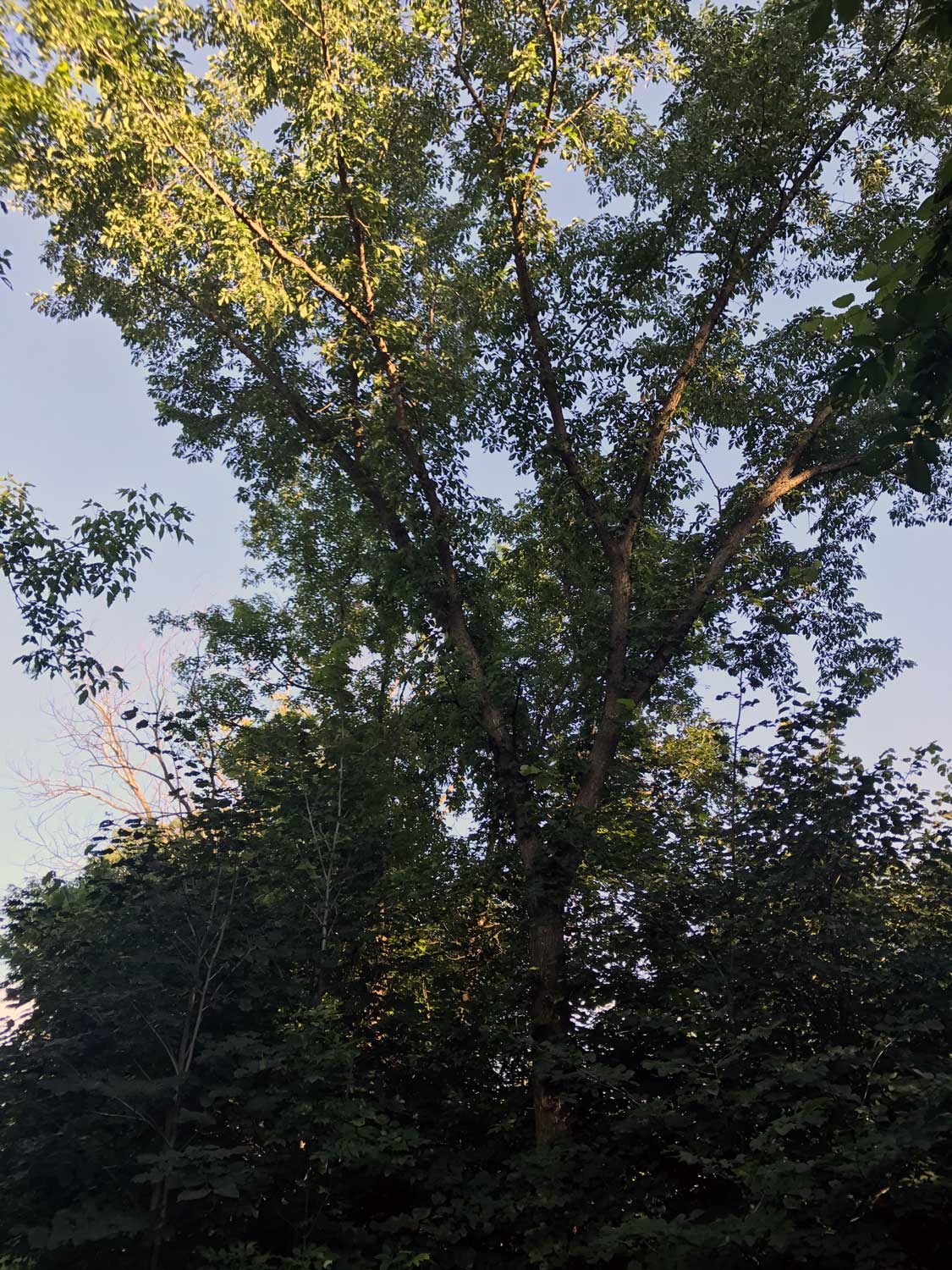
American Elm – Ulmus americana

Native To State: YES
Naturally Occurring: YES

Description

Appearance: Ulmus americana is a deciduous tree known for its serrated leaves and distinctive vase-like shape.

Leaves: The leaves are simple, serrated, and asymmetrical at the base.

Bark: The bark is grayish-brown and develops deep furrows.

Fruit: It produces small, flattened samara fruits.

Habitat: It is commonly found in various habitats, including urban areas.

Distribution: American elm is native to North America.

Occurance
Seedlings and small trees are abundant. A small handful of large trees continue to survive, but nearly all have been killed by the dreaded Dutch Elm Disease.

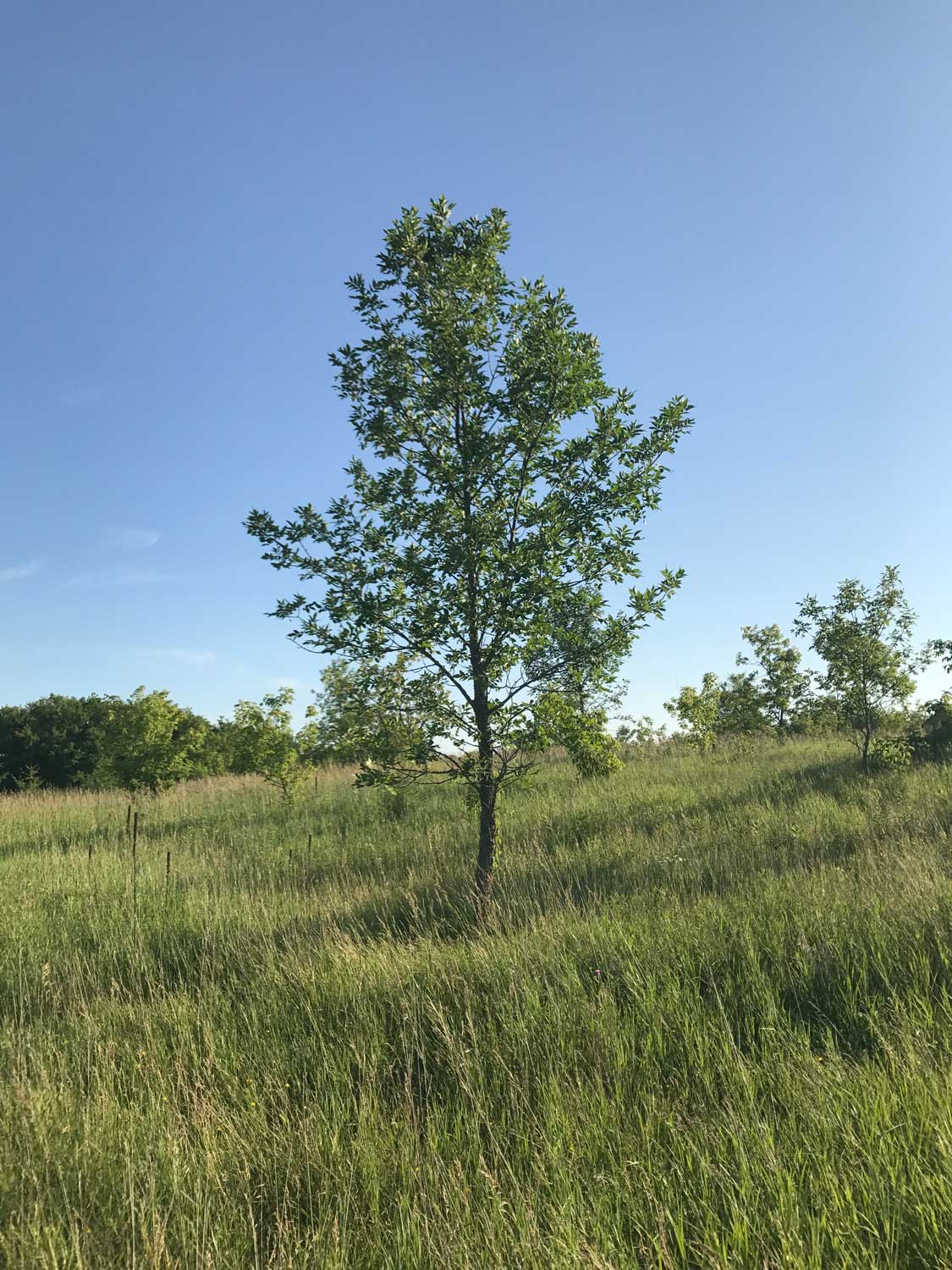
Green Ash – Fraxinus pennsylvanica

Native To State: YES
Naturally Occurring: YES

Description

Appearance: Fraxinus pennsylvanica is a deciduous tree known for its pinnately compound leaves and distinctive bark.

Leaves: The leaves are pinnately compound with several leaflets.

Bark: The bark is grayish-brown and develops diamond-shaped patterns as it matures.

Fruit: It produces clusters of winged seeds.

Habitat: It is commonly found in a variety of habitats, including floodplains.

Distribution: Green ash is native to North America.

Occurance
Perhaps the most widespread tree on the property. Larger specimens occur throughout the former pasture, back 40 woods, and countless seedlings are coming up in the former fields.

Yellow Birch – Betula alleghaniensis

Native To State: YES
Naturally Occurring: NO

Description

Appearance: Betula alleghaniensis is a deciduous tree known for its peeling, golden-brown bark and triangular leaves.

Leaves: The leaves are simple, serrated, and triangular in shape.

Bark: The bark is golden-brown and peels into thin, curly strips.

Fruit: It produces small, winged nutlets.

Habitat: It is commonly found in moist woodlands and along streams.

Distribution: Yellow birch is native to North America.

Occurance
Two specimens were planted in large pasture marsh in 2016

River Birch – Betula nigra

Native To State: YES
Naturally Occurring: NO

Description

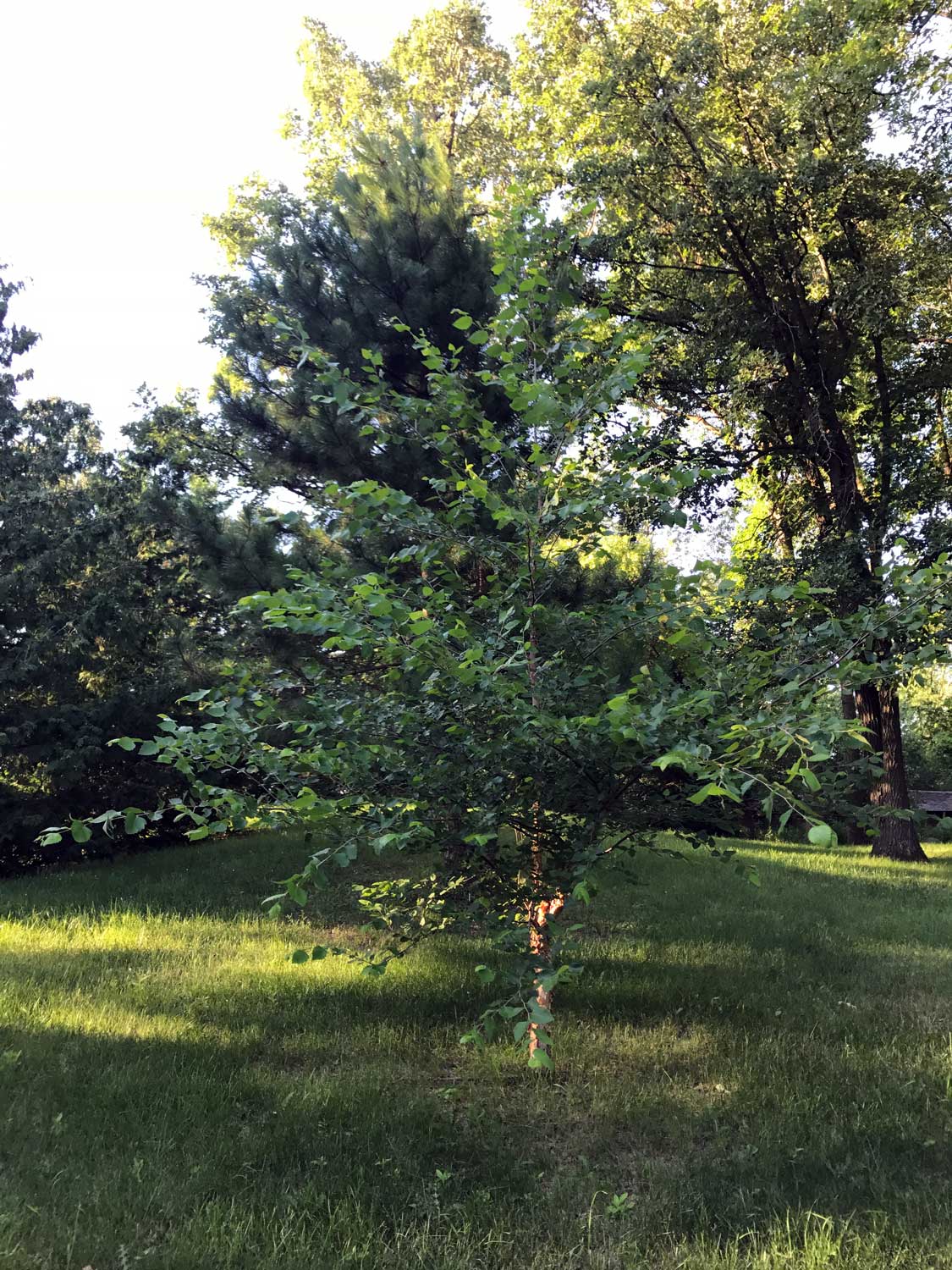
Appearance: Betula nigra is a deciduous tree known for its distinctive, exfoliating bark and serrated leaves.

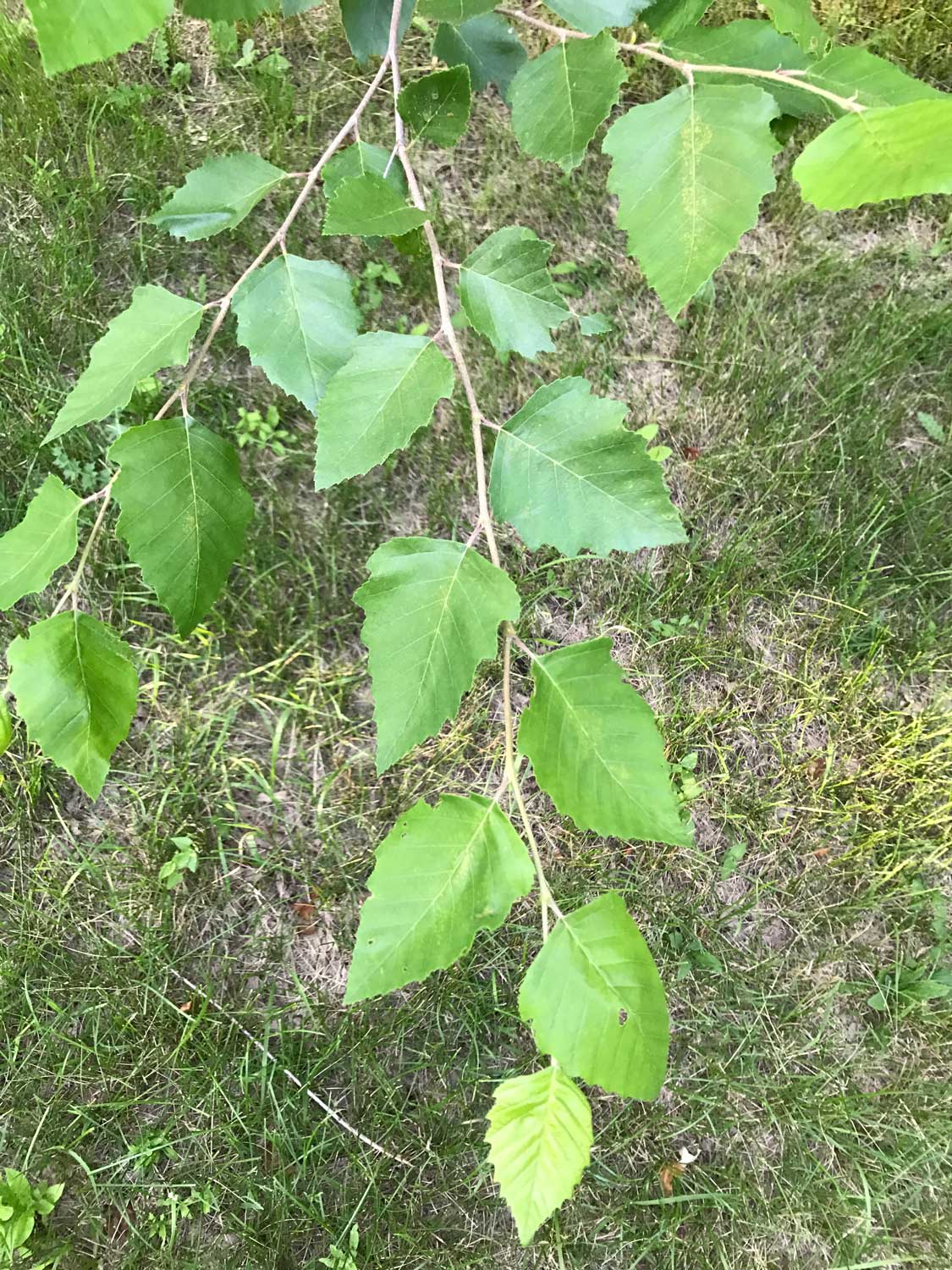
Leaves: The leaves are simple, serrated, and diamond-shaped.

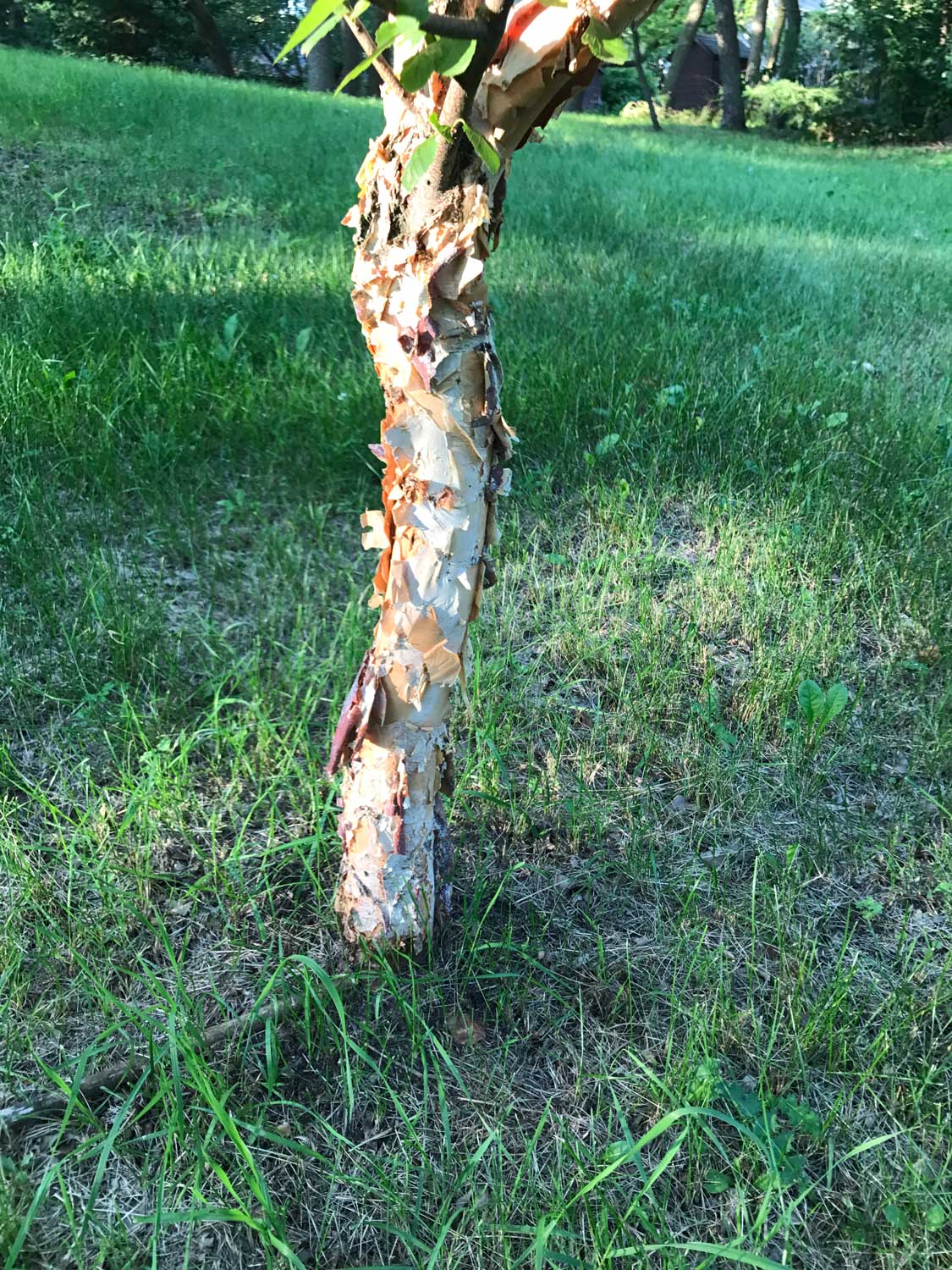
Bark: The bark is reddish-brown to gray and peels in papery curls.

Fruit: It produces small, winged nutlets.

Habitat: It is commonly found in wetlands and along riverbanks.

Distribution: River birch is native to eastern North America.

Occurance
Scattered specimens planted in 2016

Paper Birch – Betula papyrifera

Native To State: YES
Naturally Occurring: YES

Description

Appearance: Betula papyrifera is a deciduous tree known for its white bark and triangular leaves.

Leaves: The leaves are simple, serrated, and triangular.

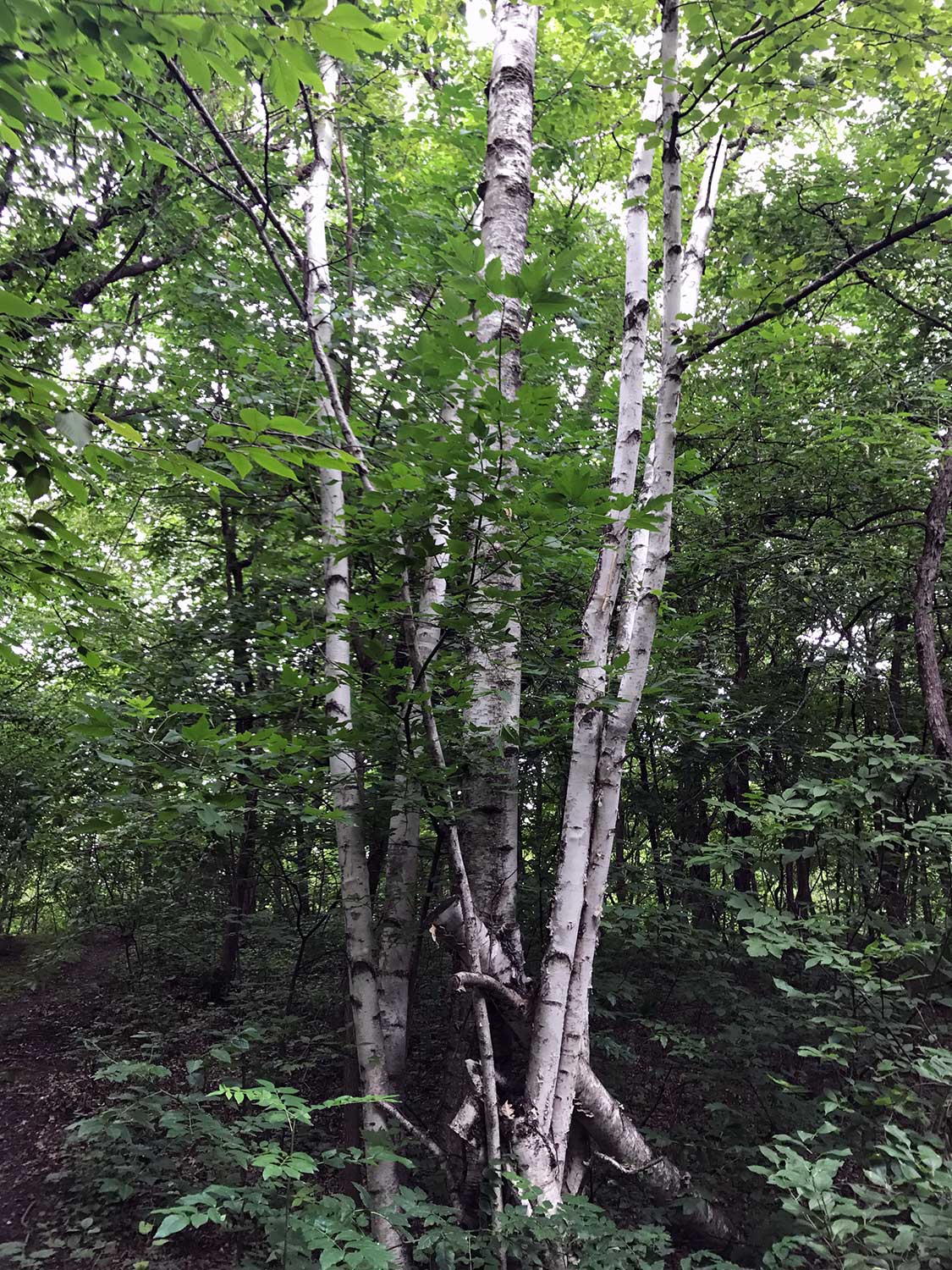
Bark: The bark is chalky white, peeling in paper-like sheets.

Fruit: It produces small, winged nutlets.

Habitat: It is commonly found in various habitats, including woodlands.

Distribution: Paper birch is native to North America.

Occurance
Large trees are found throughout the former pasture. Many dense stands have come up since the mid 90’s when cattle were removed.

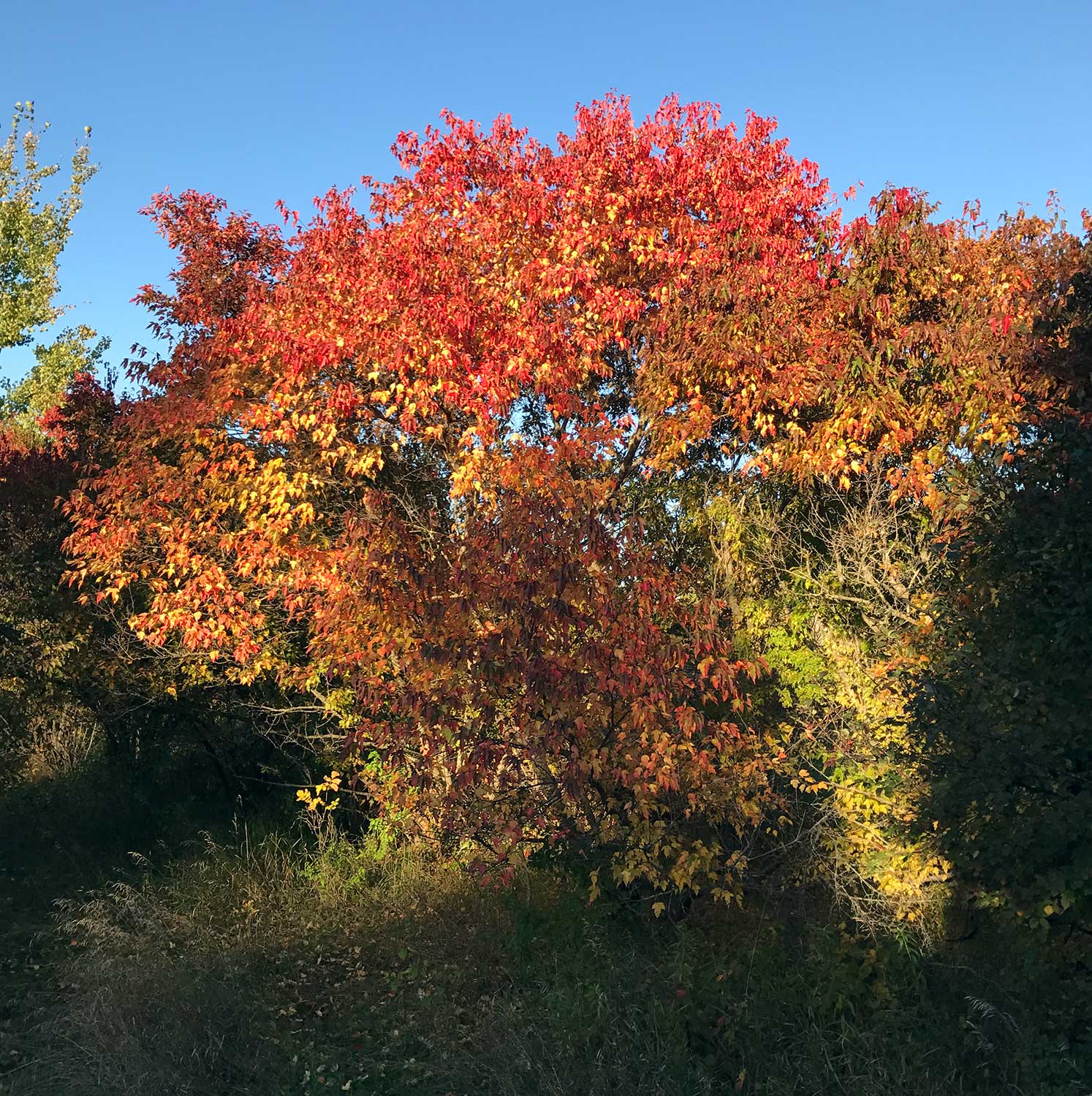
Ginnala Maple – Acer ginnala

Native To State: NO
Naturally Occurring: NO

Description

Appearance: Acer ginnala is a deciduous shrub or small tree known for its small, deeply lobed leaves and red winged seeds.

Leaves: The leaves are palmately lobed with serrated edges.

Bark: The bark is grayish-brown and develops furrows as it matures.

Fruit: It produces winged seeds that turn red in the fall.

Habitat: It is commonly found in various habitats, including urban areas.

Distribution: Amur maple is native to East Asia but is cultivated in North America.

.

Occurance
Predominantly found along the main pine grove where seedlings were planted in 1987.

Boxelder – Acer negundo

Native To State: YES
Naturally Occurring: YES

Description

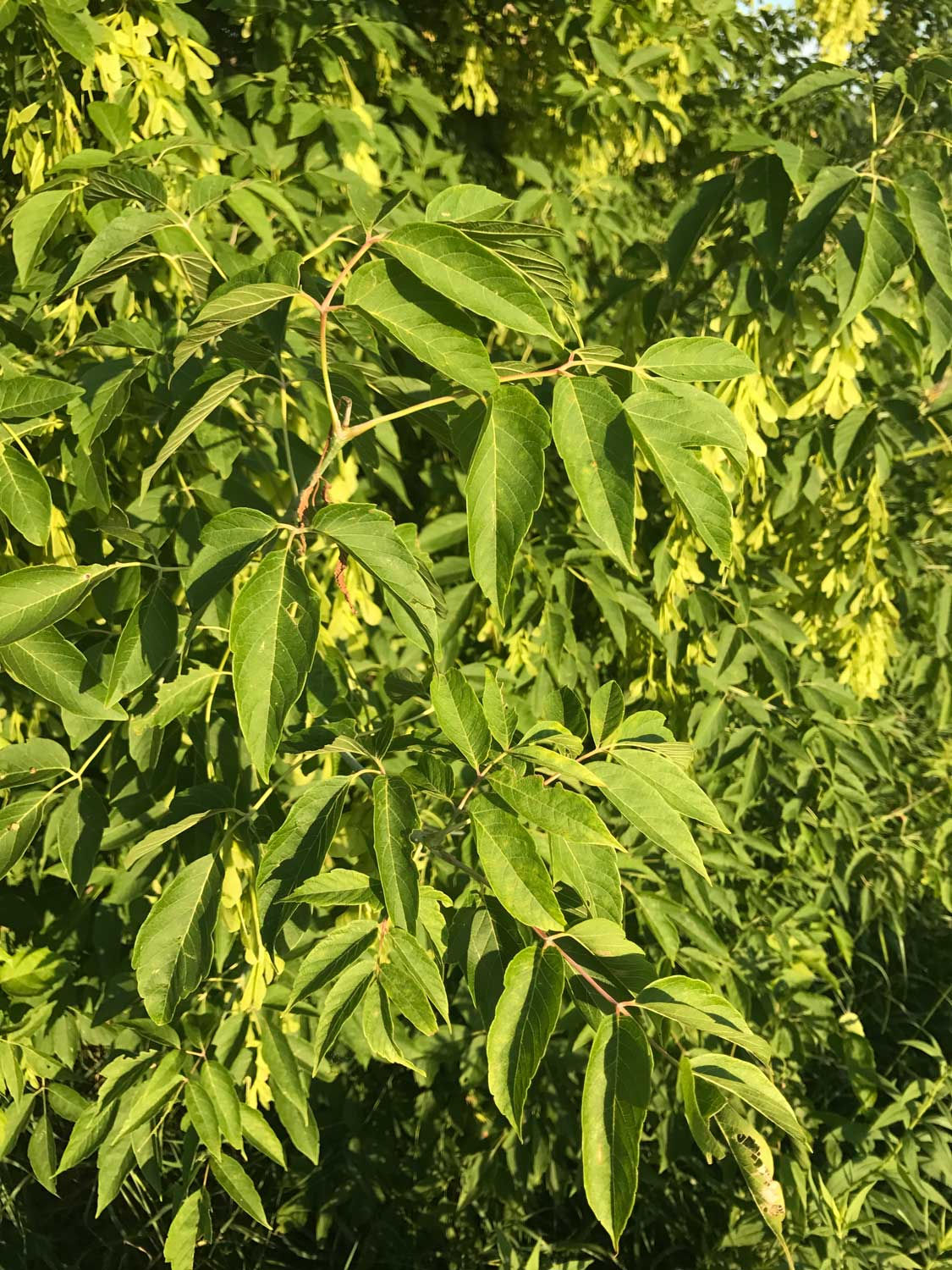
Appearance: Acer negundo is a deciduous tree known for its compound leaves and samara seeds.

Leaves: The leaves are pinnately compound with three to seven leaflets.

Bark: The bark is grayish-brown and develops furrows.

Fruit: It produces paired samara seeds.

Habitat: It is commonly found in various habitats, including riverbanks.

Distribution: Boxelder is native to North America.

Occurance
Widespread in all locations – coming up from seed in many formerly grass-dominated areas and as an understory plant.

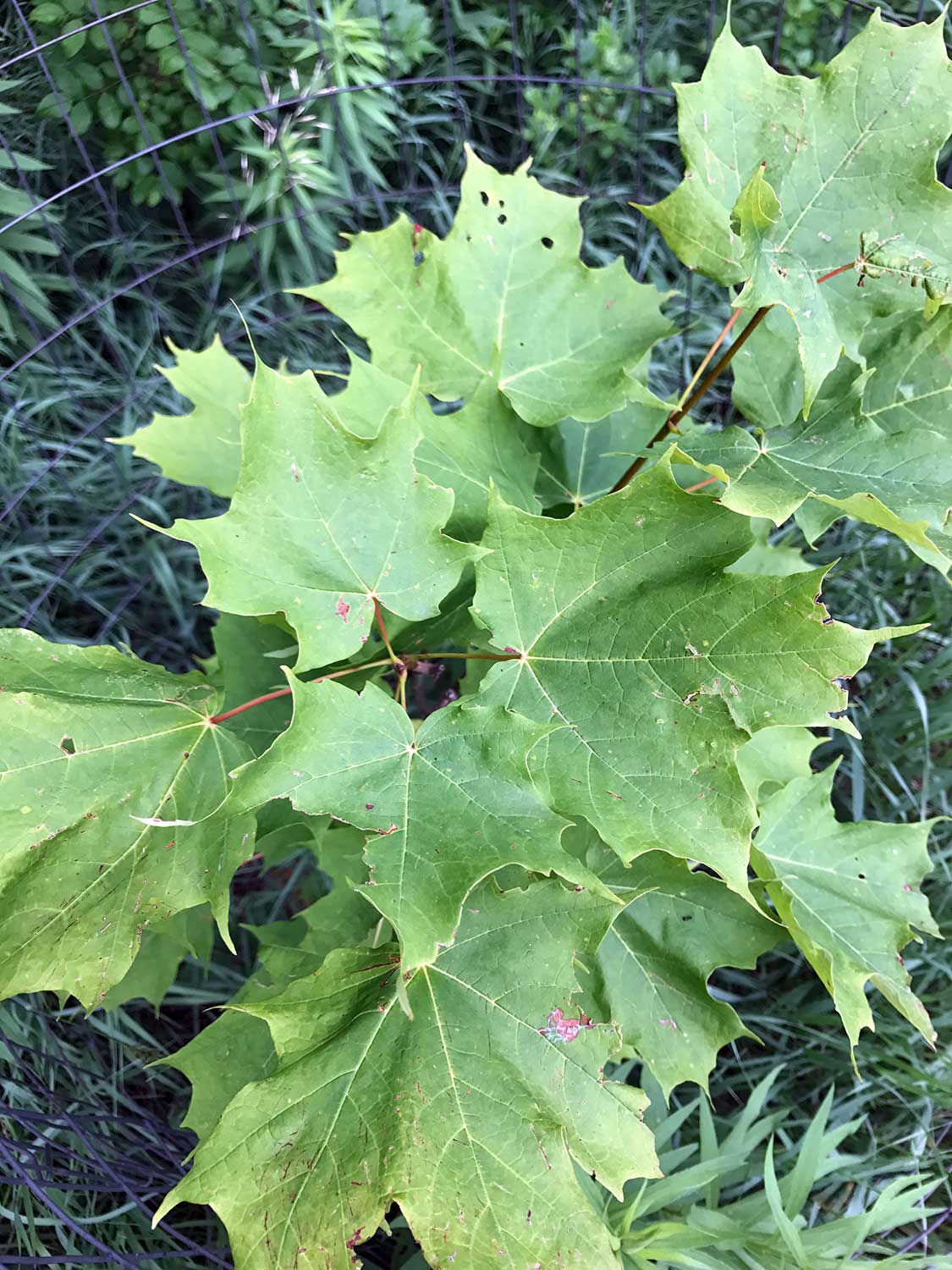
Sugar Maple – Acer saccharum

Native To State: YES
Naturally Occurring: NO

Description

Appearance: Acer saccharum is a deciduous tree known for its lobed leaves and sweet sap, used to make maple syrup.

Leaves: The leaves are palmately lobed with smooth edges.

Bark: The bark is grayish-brown and develops deep furrows with age.

Fruit: It produces paired winged seeds.

Habitat: It is commonly found in woodlands and deciduous forests.

Distribution: Sugar maple is native to North America.

Occurance
Specimens first planted in 2013 as seedlings in select areas scattered in the former pasture as well as along the winding path.

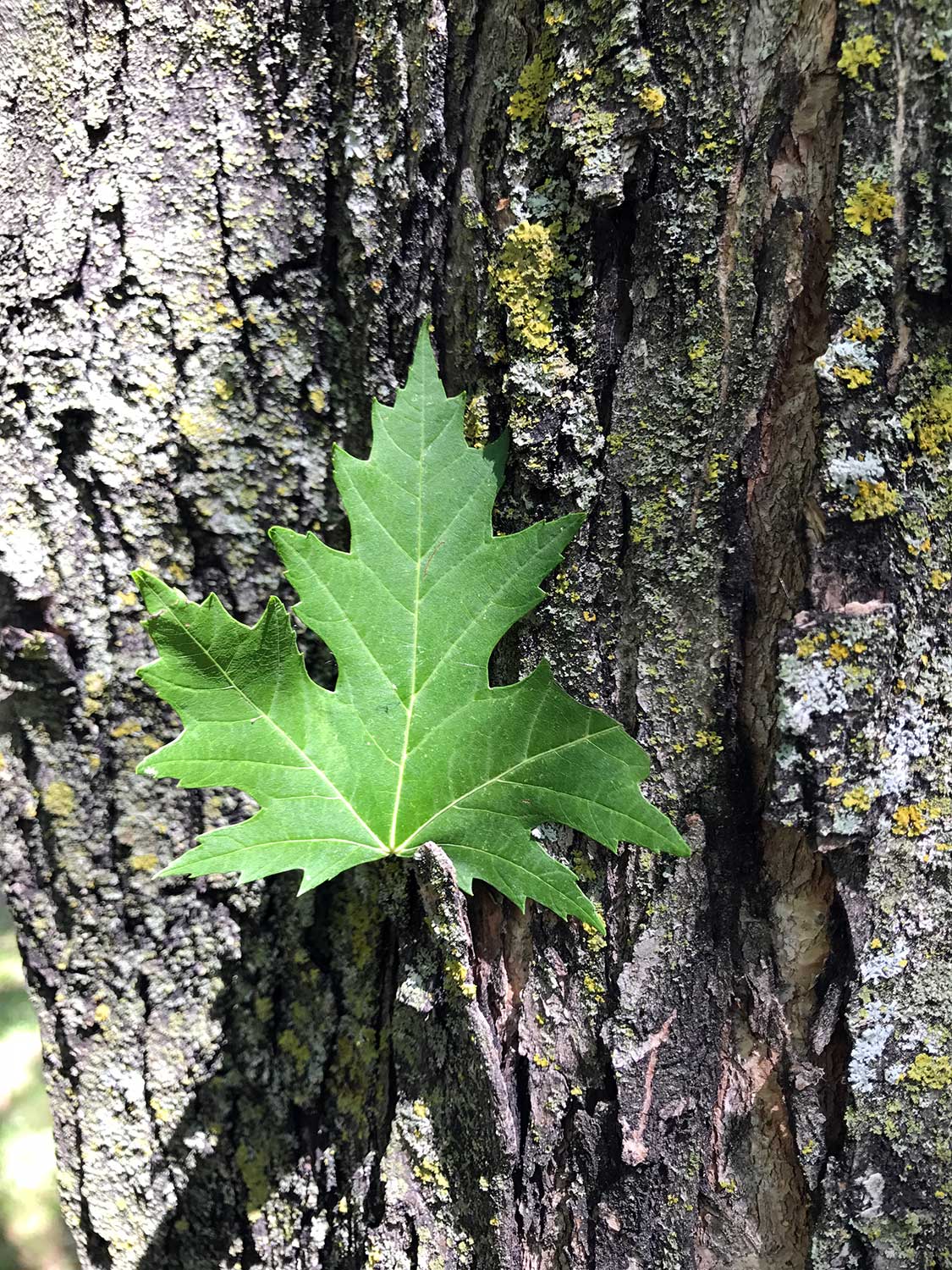
Silver Maple – Acer saccharinum

Native To State: YES
Naturally Occurring: NO

Description

Appearance: Acer saccharinum is a deciduous tree known for its deeply lobed leaves and silvery undersides.

Leaves: The leaves are palmately lobed with serrated edges and silver undersides.

Bark: The bark is grayish-brown and develops furrows.

Fruit: It produces paired winged seeds.

Habitat: It is commonly found near water bodies, such as rivers and streams.

Distribution: Silver maple is native to North America.

Occurance
One specimen planted in yard with 1′ plus diameter trunk. Seedlings planted in 2022.