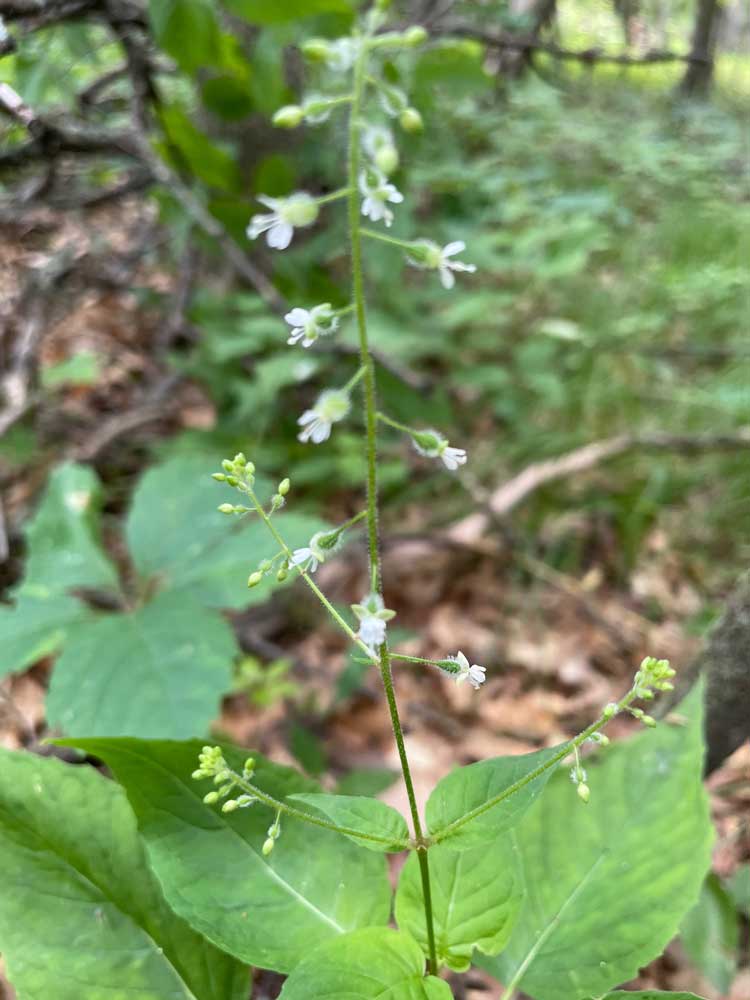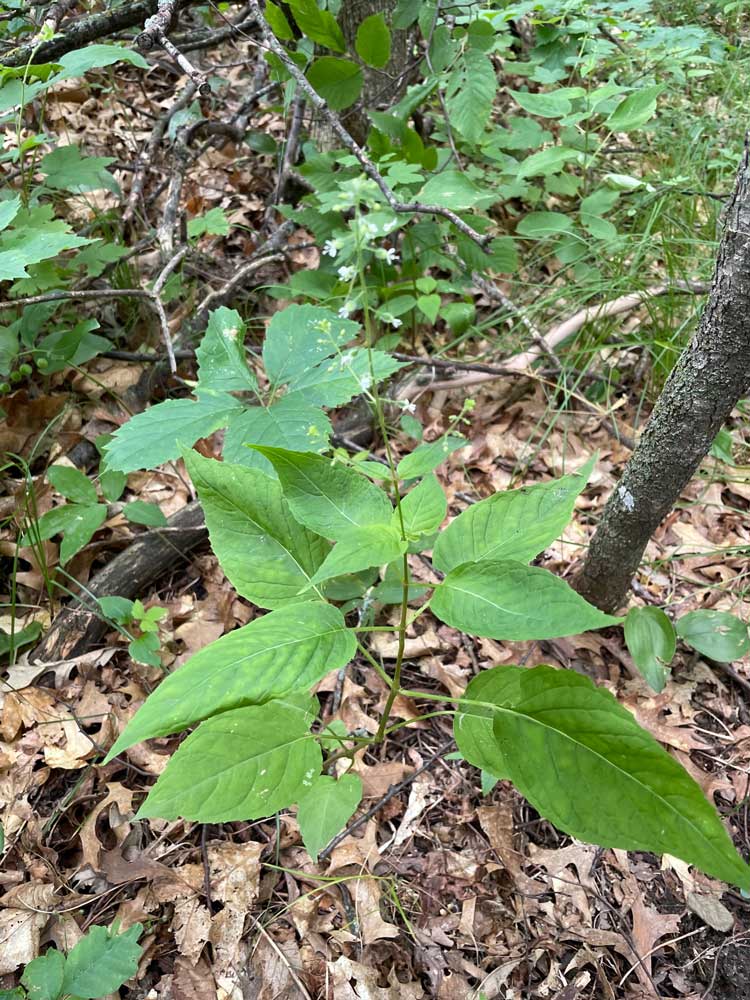
Enchanter’s Nightshade – Circaea lutetiana

Native To State: YES
Naturally Occurring: YES

Description

Appearance: Circaea lutetiana is a herbaceous perennial known for its delicate, opposite leaves and small, white to pale pink flowers. Tiny white flowers give rise in the fall to sticky burrs which will attach to passers-by.

Leaves: The leaves are opposite, heart-shaped, and often have serrated margins.

Flowers: The plant produces small, white to pale pink, two-petaled flowers in loose clusters.

Habitat: It is commonly found in woodlands, shady areas, and along stream banks.

Distribution: Enchanter’s nightshade is native to North America.

Occurrence
Found throughout the wooded areas.

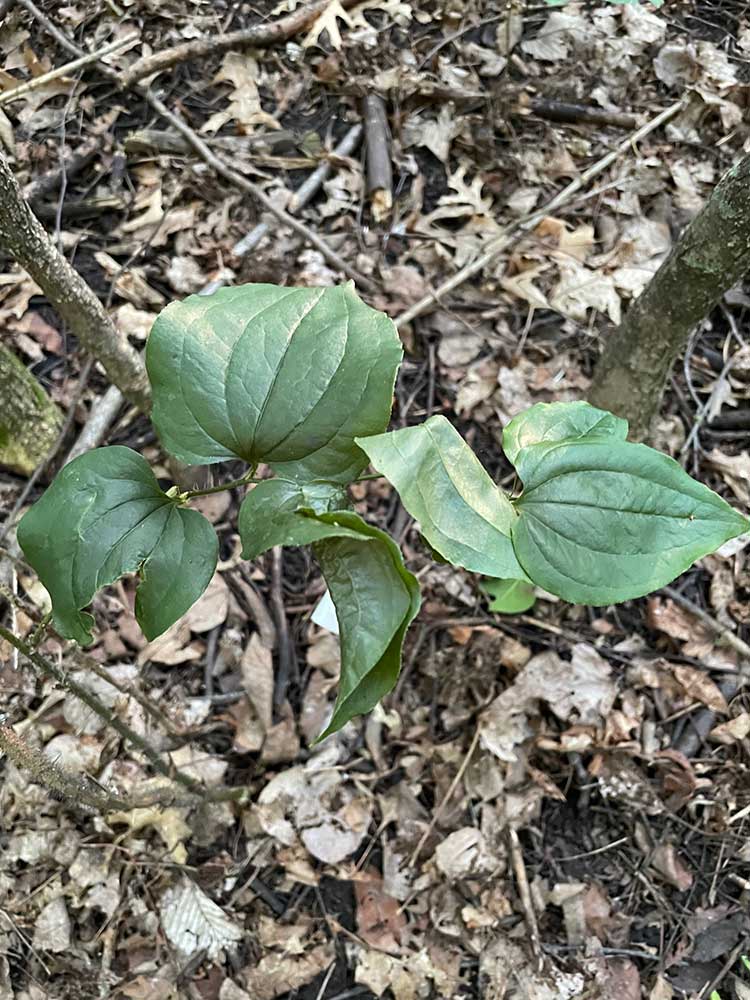
Bristly Greenbrier – Smilax tamnoides

Native To State: YES
Naturally Occurring: NO

Description

Appearance: Smilax tamnoides is a woody vine known for its thorny, climbing stems and clusters of greenish-white flowers.

Leaves: The leaves are alternate, oval to heart-shaped, and often have thorny stipules.

Flowers: The plant produces small, greenish-white flowers in clusters.

Habitat: It is commonly found in woodlands, thickets, and along forest edges.

Distribution: Bristly greenbrier is native to North America.

Occurrence
At least one plant in fern area, another in large brush island.

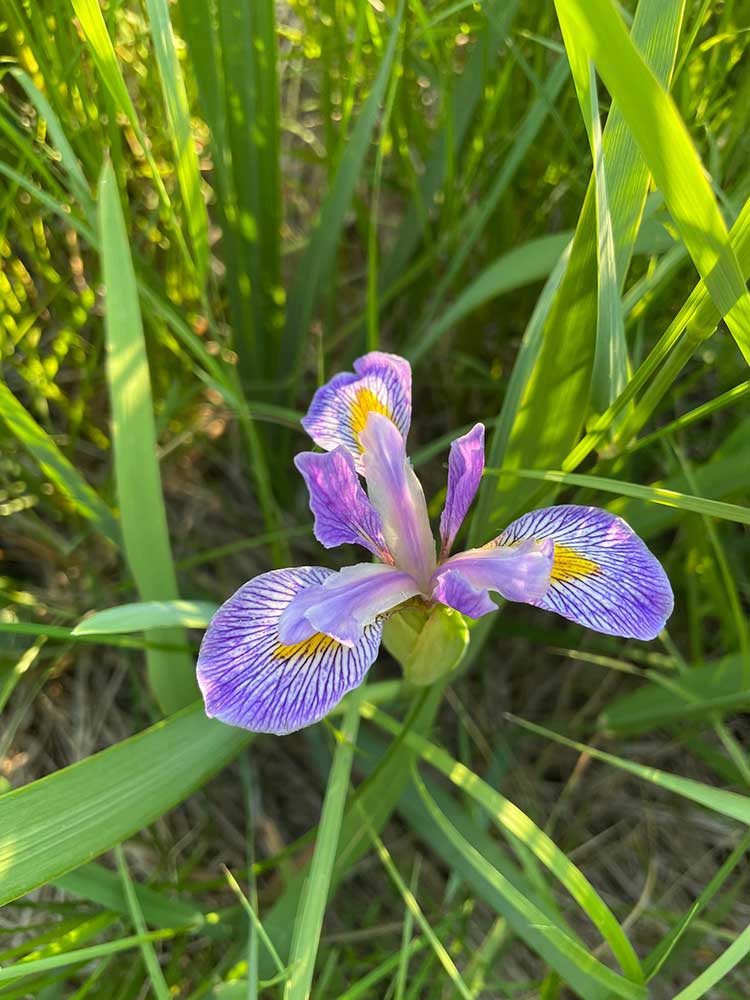
Blue Flag Iris – Iris versicolor

Native To State: YES
Naturally Occurring: YES

Description

Appearance: Iris versicolor is a herbaceous perennial known for its sword-shaped leaves and showy, violet-blue to purple flowers.

Leaves: The leaves are long, narrow, and sword-shaped, emerging from the base of the plant.

Flowers: The plant produces large, showy, violet-blue to purple flowers with three petal-like sepals and three smaller petals.

Habitat: It is commonly found in wetlands, along the edges of ponds and streams.

Distribution: Blue flag iris is native to North America.

Occurrence
Found in the low marshy areas sporadically.

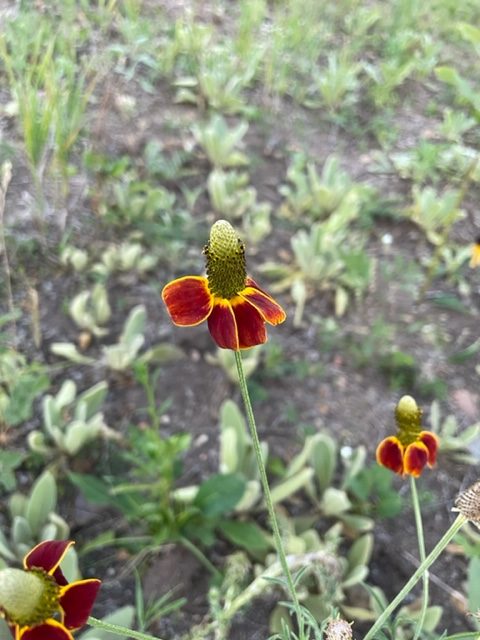
Mexican Hat – Ratibida columnifera

Native To State: YES
Naturally Occurring: NO

Description

Appearance: Ratibida columnifera is a herbaceous perennial known for its tall, slender stems and distinctive, drooping, red to brown flower heads.

Leaves: The leaves are alternate and deeply divided, giving them a fern-like appearance.

Flowers: The plant produces cone-shaped flower heads with drooping, red to brown petals and a central, upright disc.

Habitat: It is commonly found in prairies, meadows, and open fields.

Distribution: Mexican hat is native to North America.

Occurrence
Seeded in the forbes bed in the south field.

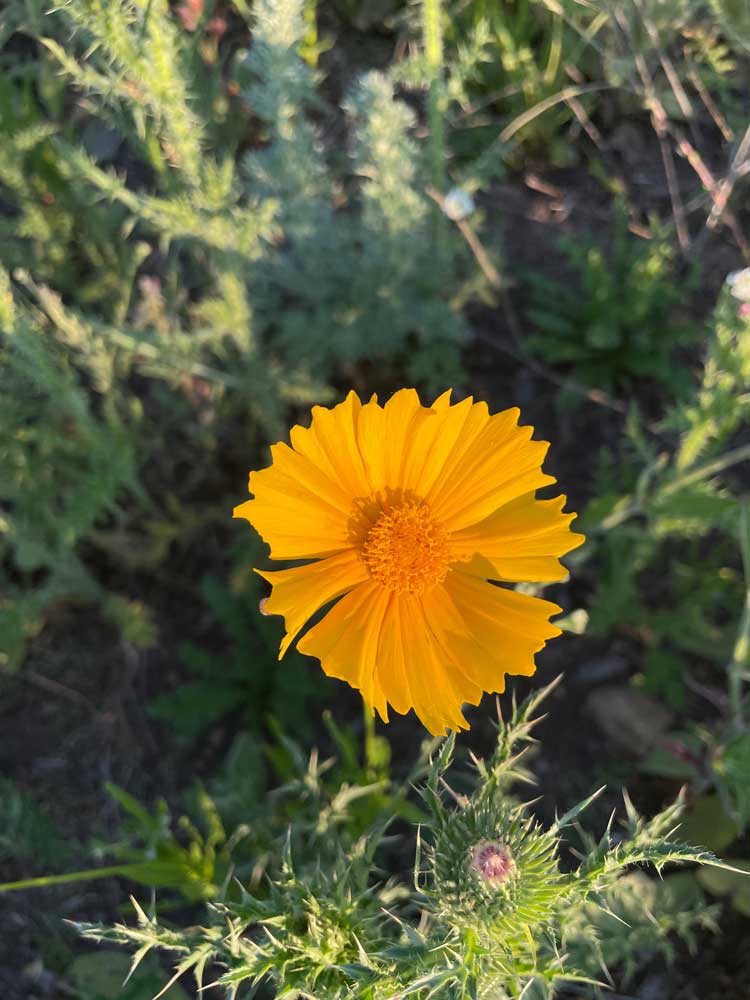
Lanceleaf Coreopsis – Coreopsis lanceolata

Native To State: YES
Naturally Occurring: NO

Description

Appearance: Coreopsis lanceolata is a herbaceous perennial known for its upright stems and bright yellow, daisy-like flowers.

Leaves: The leaves are lance-shaped, opposite, and often have serrated margins.

Flowers: The plant produces bright yellow, daisy-like flowers with a darker center disk.

Habitat: It is commonly found in open areas, including roadsides and meadows.

Distribution: Lanceleaf coreopsis is native to North America.

Occurrence
Seeded and growing in the forbes bed in south field.

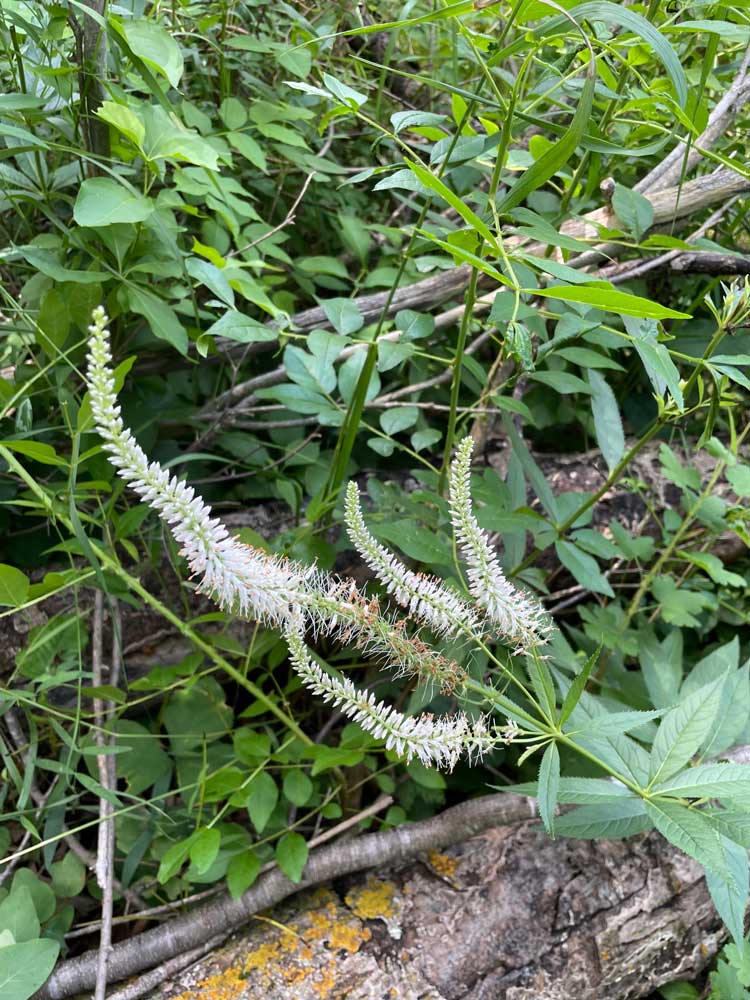
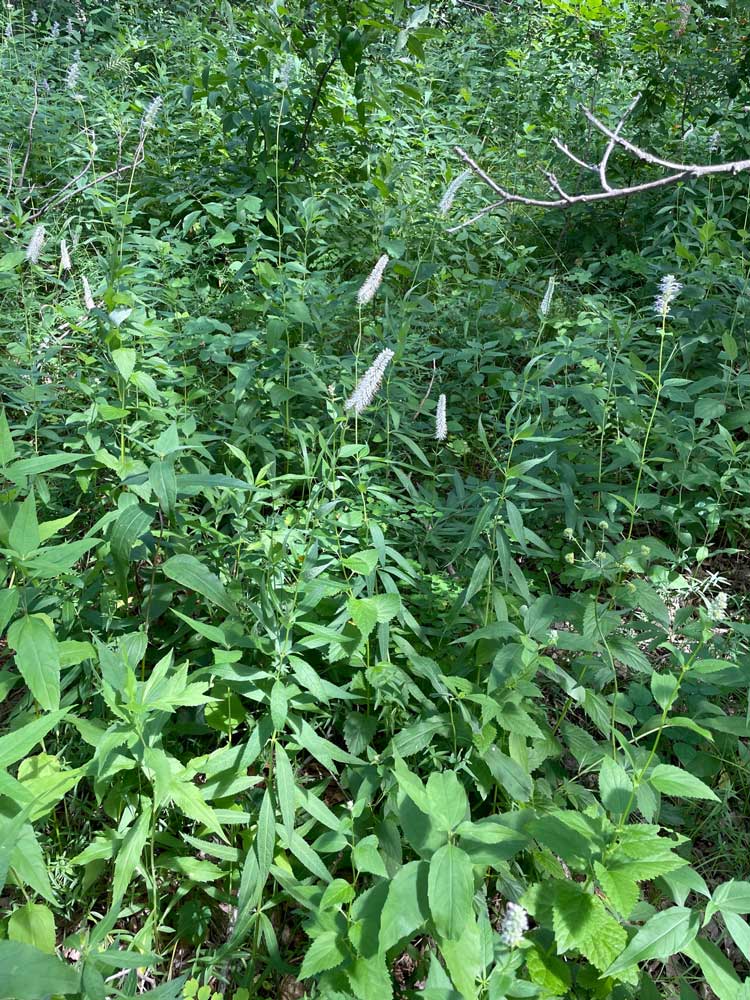
Culver’s Root – Veronicastrum virginicum

Native To State: YES
Naturally Occurring: YES

Description

Appearance: Veronicastrum virginicum is a herbaceous perennial known for its tall, slender spikes of white to pale lavender flowers.

Leaves: The leaves are opposite, lance-shaped, and arranged in whorls around the stem.

Flowers: The plant produces tall spikes of small, white to pale lavender, tubular flowers.

Habitat: It is commonly found in wet meadows, prairies, and along stream banks.

Distribution: Culver’s root is native to North America.

Now, here are scientific descriptions for the second set of plants:

Occurrence
Found sporadically throughout the property

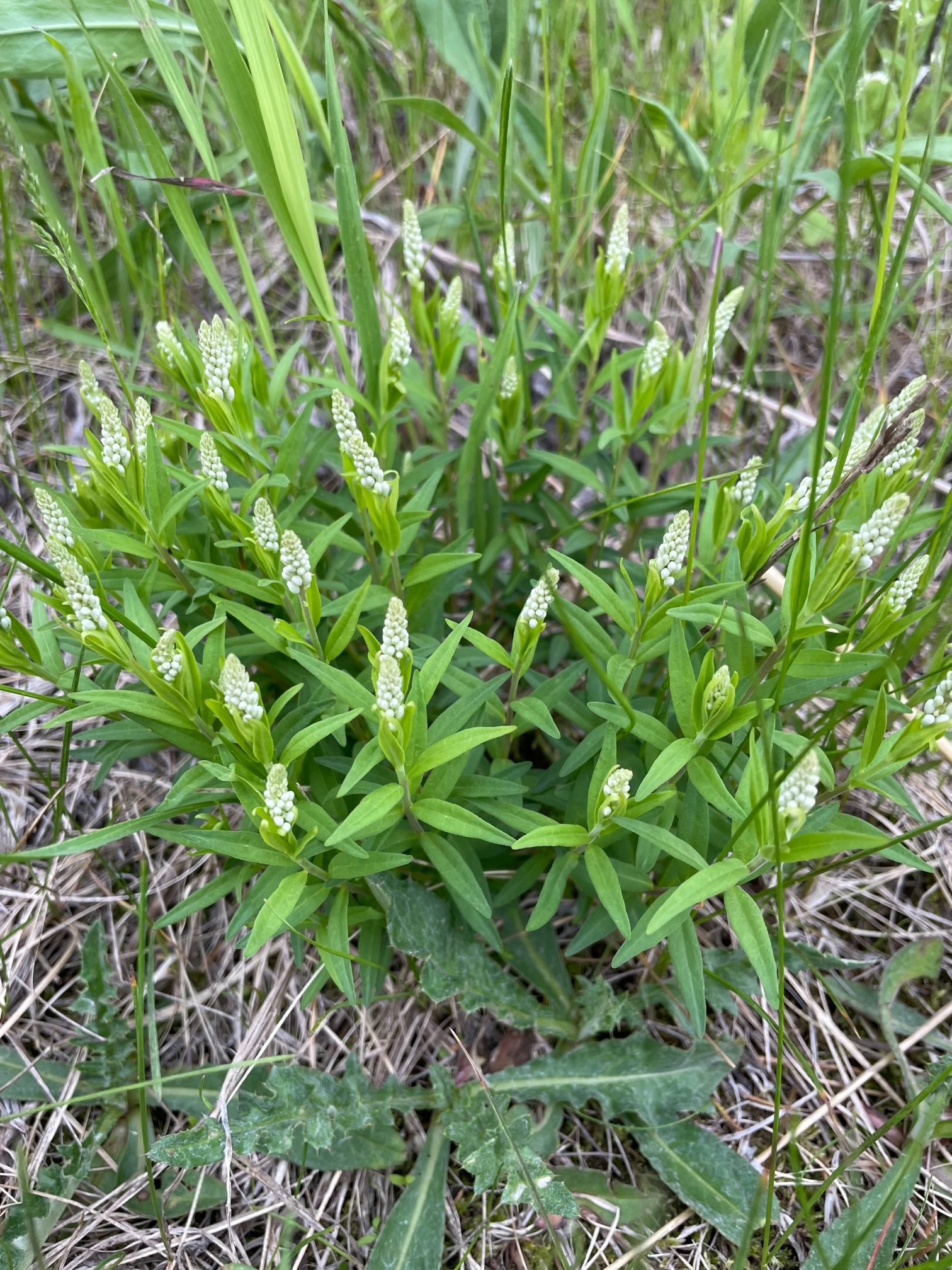
Seneca Snakeroot – Polygala senega

Native To State: YES
Naturally Occurring: YES

Description

Appearance: Polygala senega is a herbaceous perennial known for its slender stems and spikes of small, white to greenish-white flowers.

Leaves: The leaves are alternate, narrow, and often have a single, wing-like appendage.

Flowers: The plant produces spikes of small, white to greenish-white, pea-like flowers.

Habitat: It is commonly found in open woods, meadows, and along roadsides.

Distribution: Seneca snakeroot is native to North America.

Occurrence
Found in prairie section

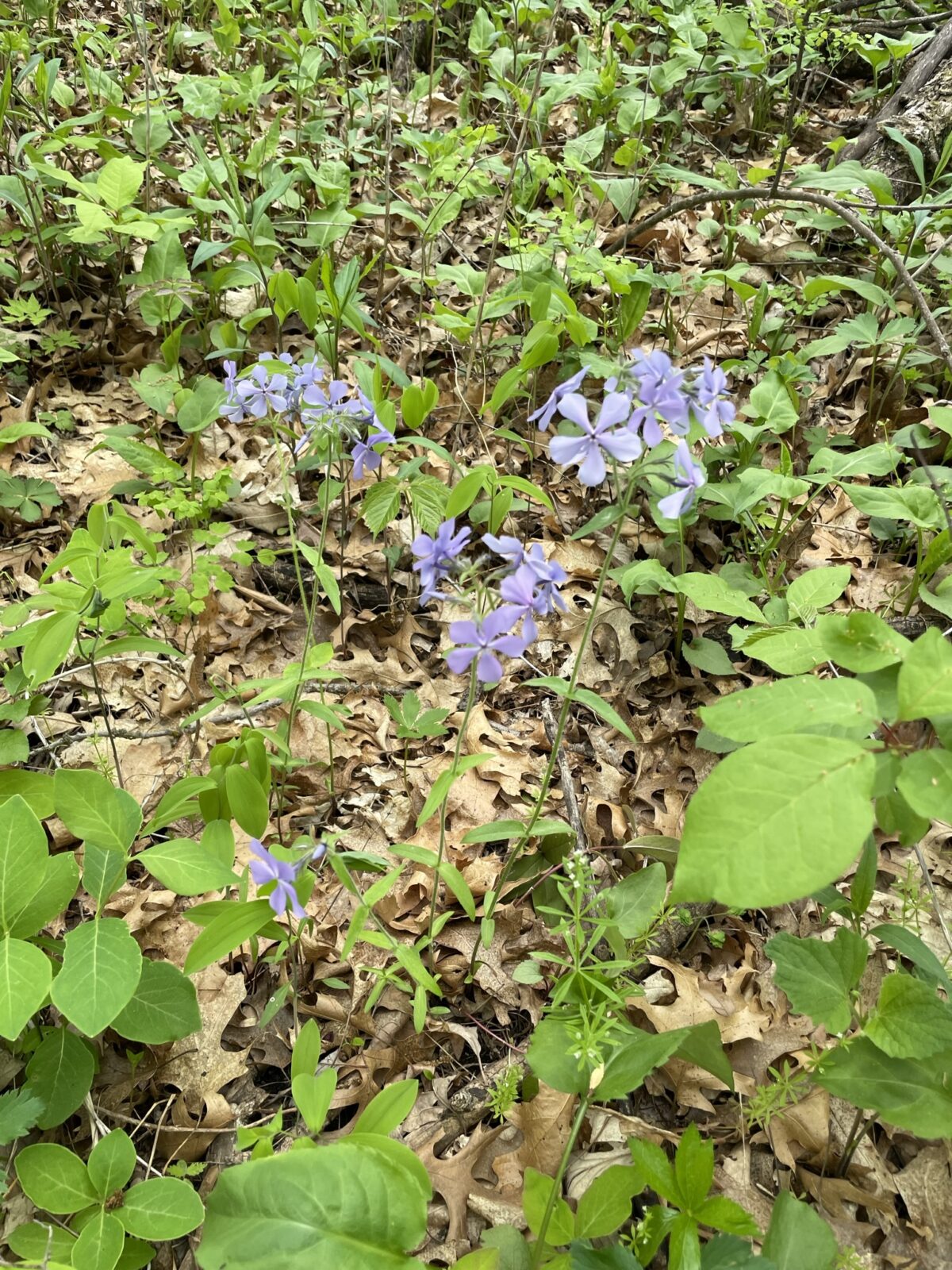
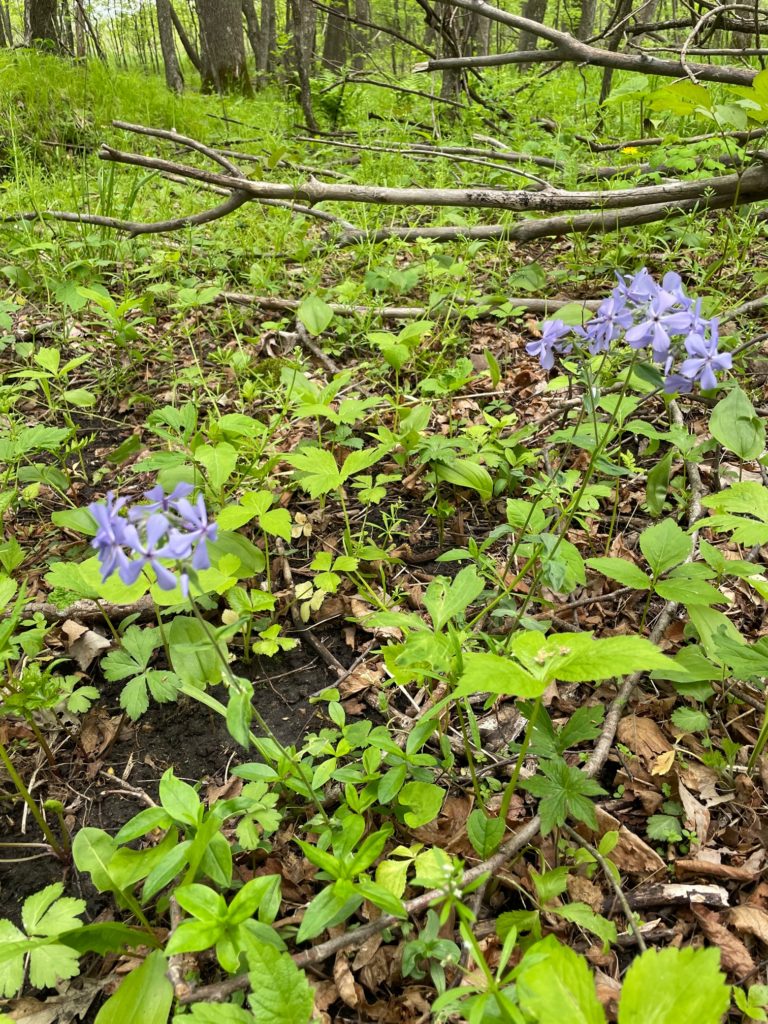
Wild Blue Phlox – Phlox divaricata

Native To State: YES
Naturally Occurring: NO

Description

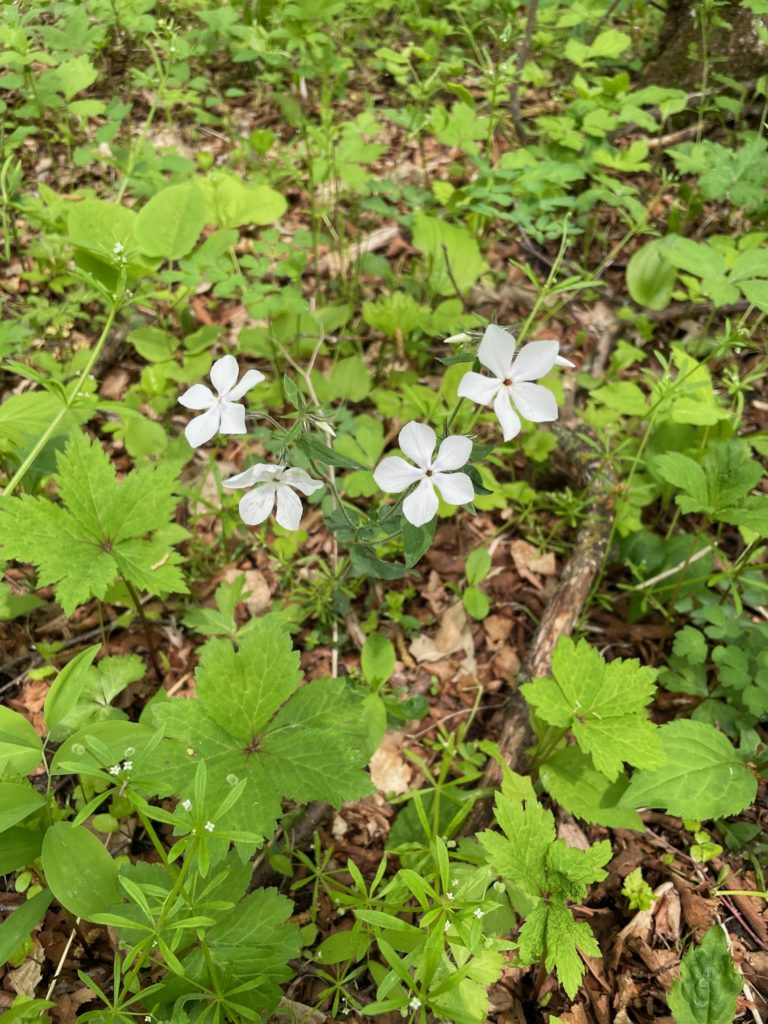
Appearance: Phlox divaricata is a herbaceous perennial known for its trailing stems and clusters of fragrant, blue to lavender flowers.

Leaves: The leaves are opposite, lance-shaped, and often have a glossy appearance.

Flowers: The plant produces clusters of fragrant, blue to lavender, five-petaled flowers.

Habitat: It is commonly found in woodlands, especially in moist, shaded areas.

Distribution: Wild blue phlox is native to eastern North America.

Occurrence
Planted in back 40 woods, fern area, and brush island

Virginia Bluebells – Mertensia virginica

Native To State: YES
Naturally Occurring: NO

Description

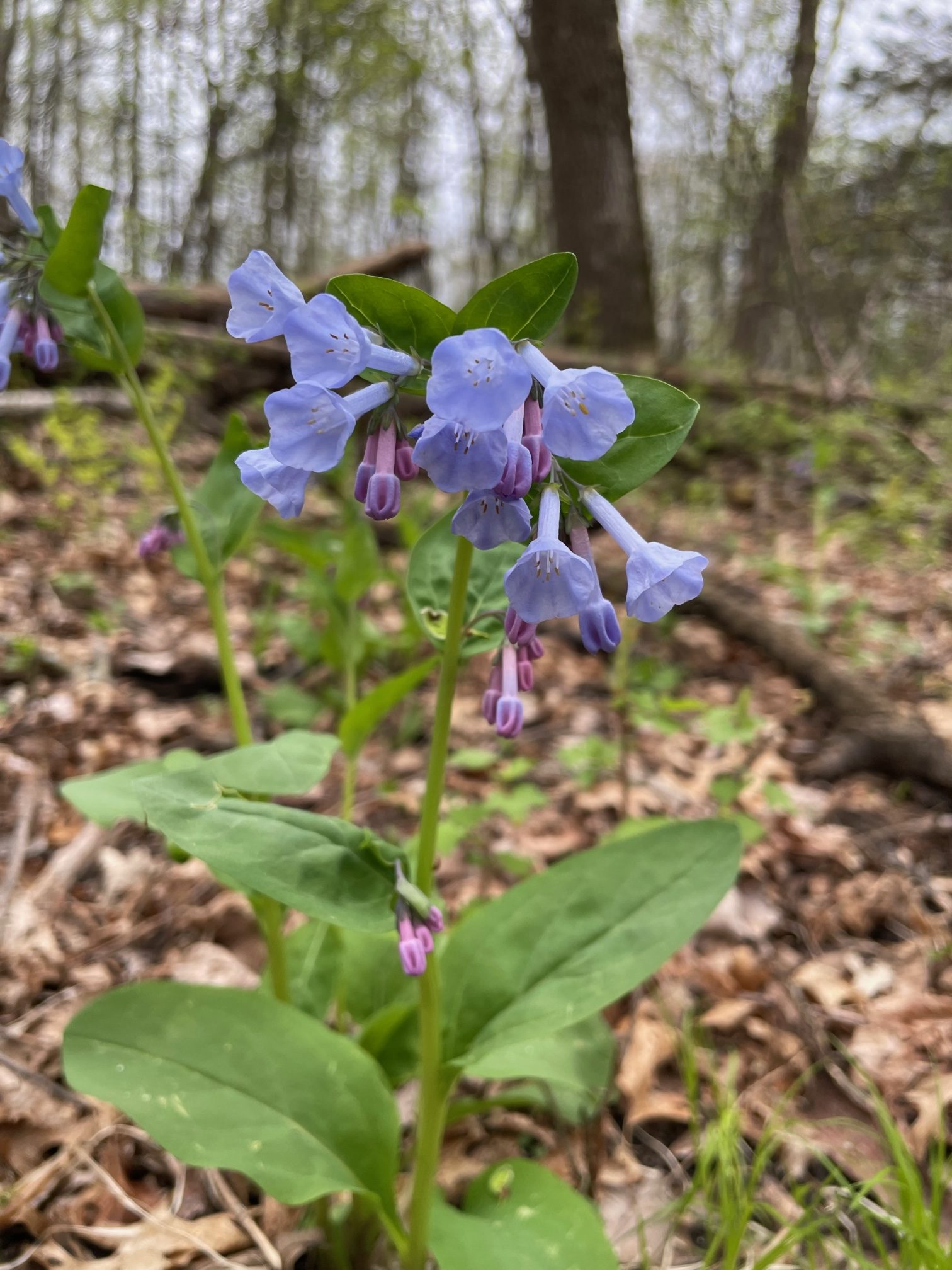
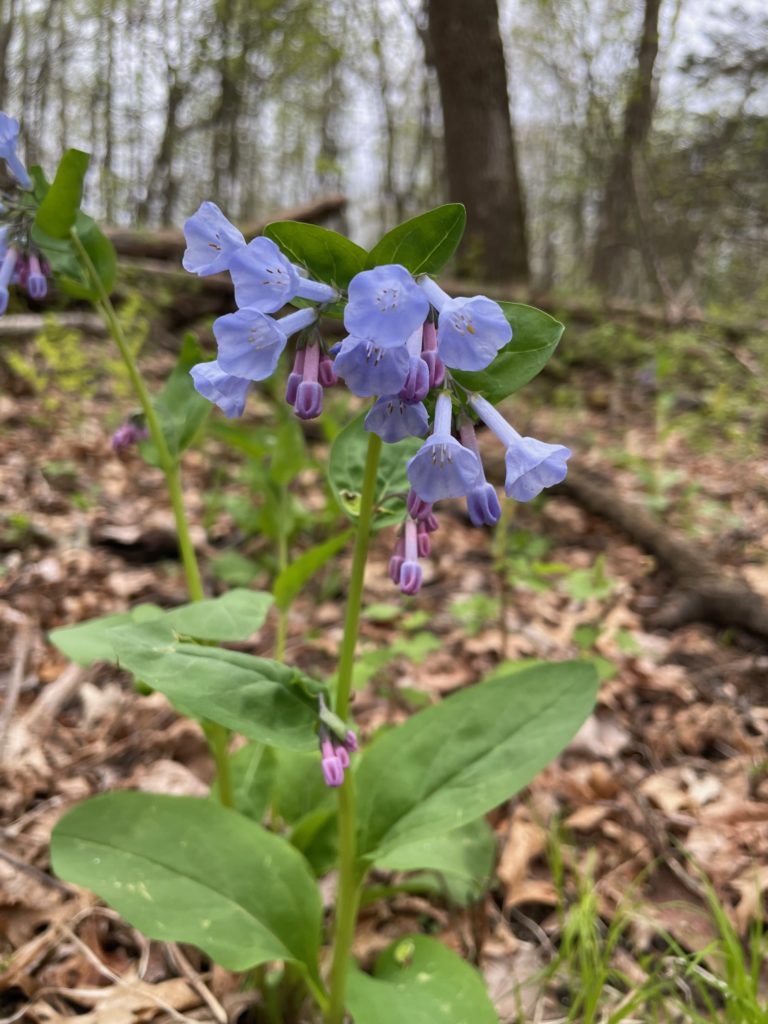
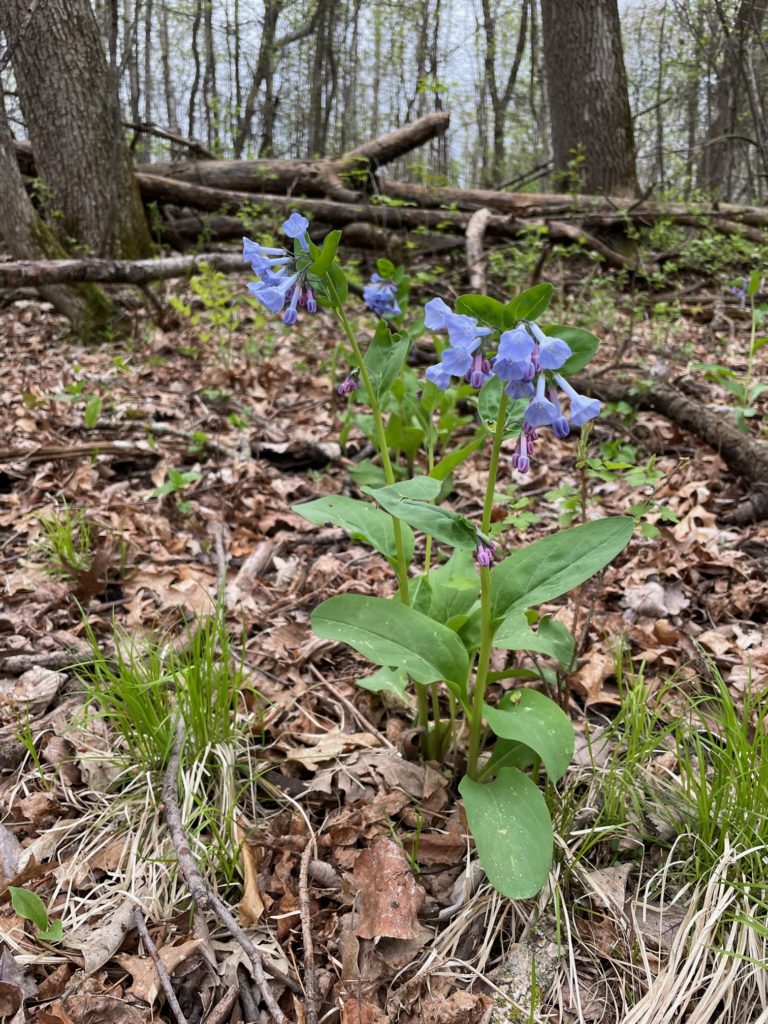
Appearance: Mertensia virginica is a herbaceous perennial known for its bell-shaped, sky-blue flowers and smooth, gray-green leaves.

Leaves: The leaves are alternate, lance-shaped, and have a smooth texture.

Flowers: The plant produces clusters of pendulous, trumpet-shaped, sky-blue flowers that emerge from pinkish buds.

Habitat: It is commonly found in woodlands and along stream banks.

Distribution: Virginia bluebells are native to eastern North America.

Occurrence
Planted in fern area

Snow Trillium – Trillium nivale

Native To State: YES
Naturally Occurring: NO

Description

Appearance: Trillium nivale is a herbaceous perennial known for its three-petaled, white flowers and whorl of three leaves.

Leaves: The leaves are whorled in groups of three and are typically ovate in shape.

Flowers: The plant produces solitary, white, three-petaled flowers that appear above the leaves.

Habitat: It is commonly found in deciduous woodlands.

Distribution: Snow trillium is native to eastern North America.

Occurrence
Planted in fern area, back 40 and brush island