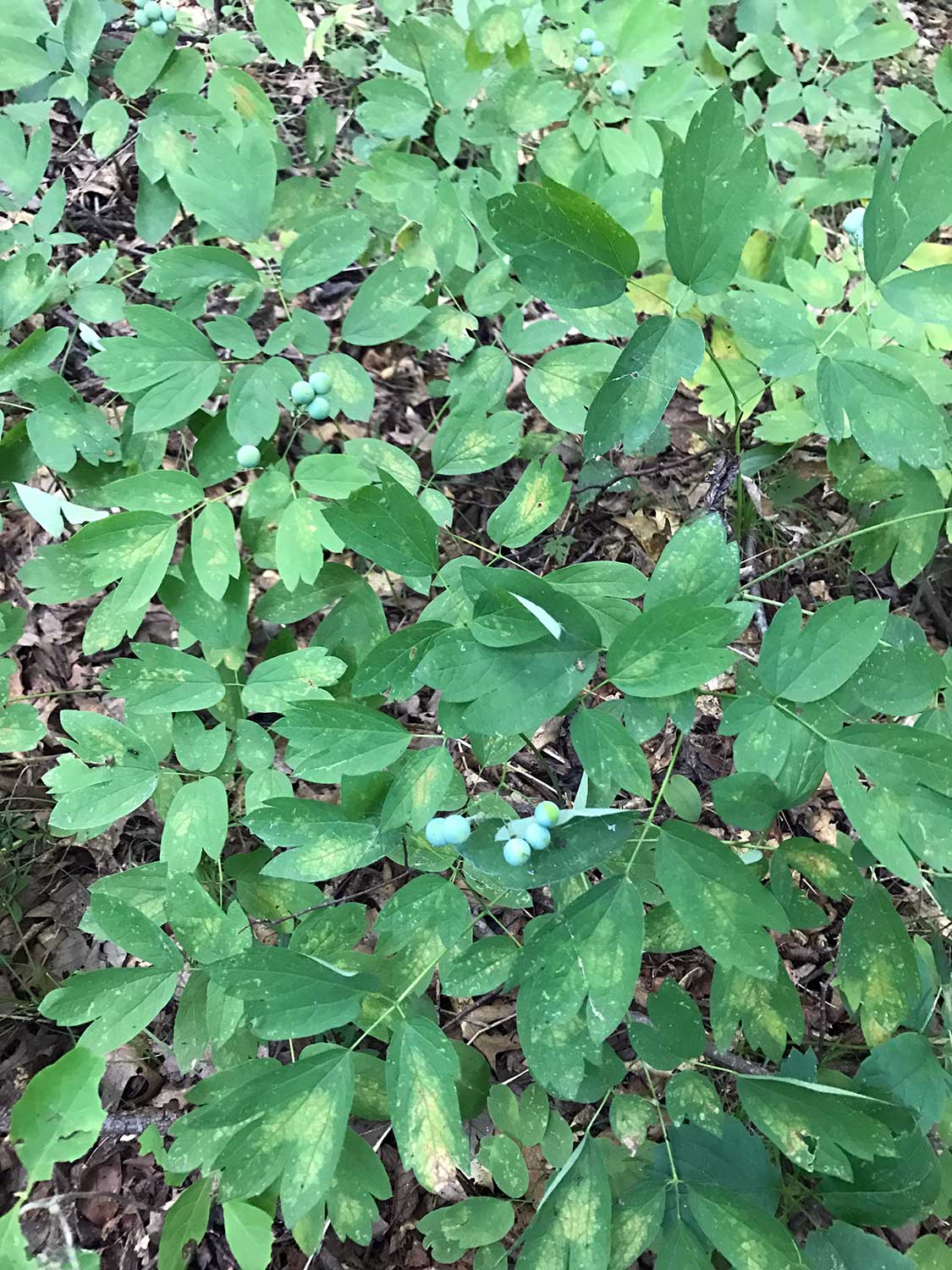
Blue Cohosh – Caulophyllum thalictroides

Native To State: YES
Naturally Occurring: YES

D

Appearance: Caulophyllum thalictroides is a herbaceous perennial known for its blue-green compound leaves and small, yellowish-green flowers.

Leaves: The leaves are compound and resemble those of the related plant Thalictrum, hence the species name “thalictroides.”

Flowers: The plant produces small, yellowish-green flowers in drooping clusters.

Fruit: It bears blue, berry-like fruits.

Habitat: It is commonly found in woodlands and shaded areas, often in rich, moist soils.

Distribution: Blue cohosh is native to eastern North America.

Occurrence
Found in wooded areas of the property
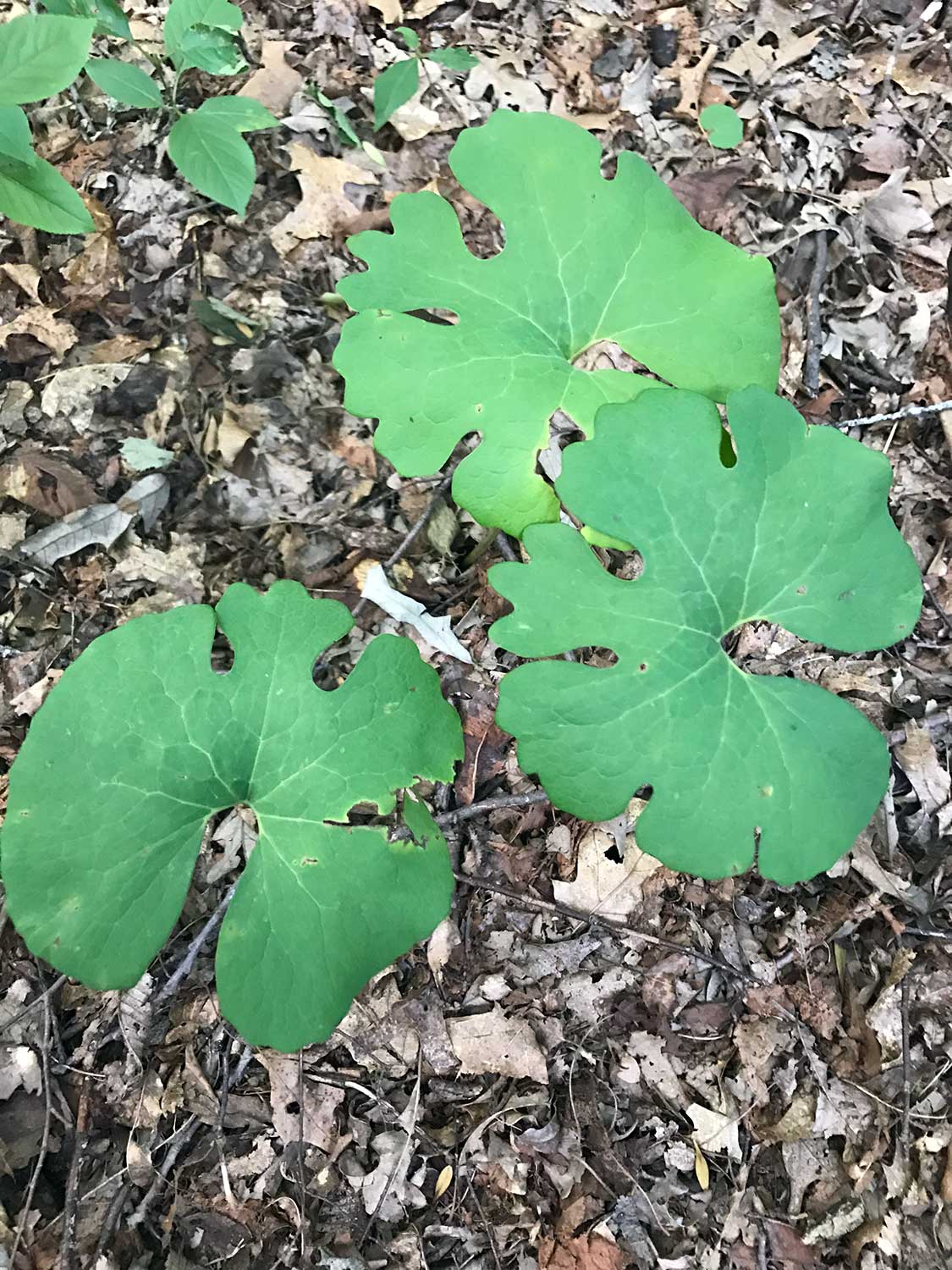
Bloodroot – Sanguinaria canadensis

Native To State: YES
Naturally Occurring: YES

Description

Appearance: Sanguinaria canadensis is a herbaceous perennial known for its solitary white flowers and distinctive lobed leaves.

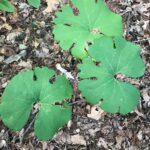
Leaves: The leaves are lobed and palmately veined, emerging after the flowers.

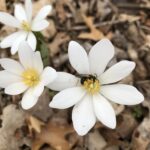
Flowers: The plant produces solitary, white flowers with yellow centers.

Rhizome: The rhizome of this plant contains a reddish-orange sap, giving it the name “bloodroot.”

Habitat: It is commonly found in woodlands and shaded areas, often in rich, moist soils.

Distribution: Bloodroot is native to eastern North America.

Occurrence
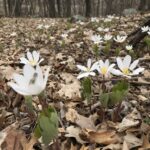
Found in all the wooded areas of the property
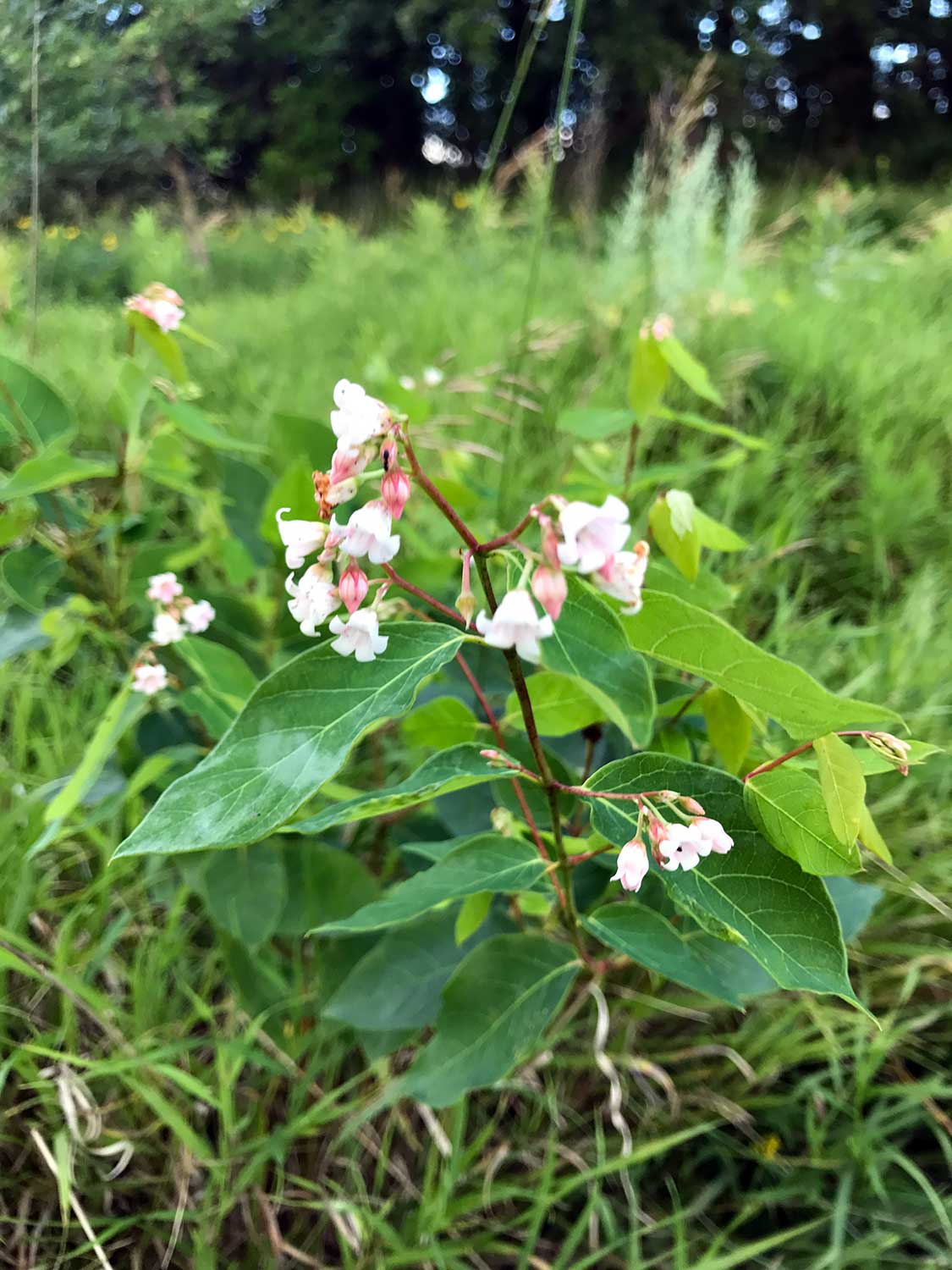
White Baneberry – Actaea pachypoda

Native To State: YES
Naturally Occurring: YES

Description

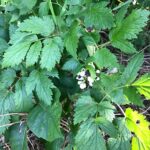
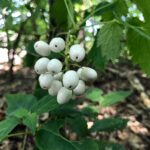
Appearance: Actaea pachypoda is a woodland perennial known for its distinctive white berries and compound leaves.

Leaves: The leaves are compound, with toothed leaflets.

Flowers: The plant produces small, white flowers in dense, elongated clusters.

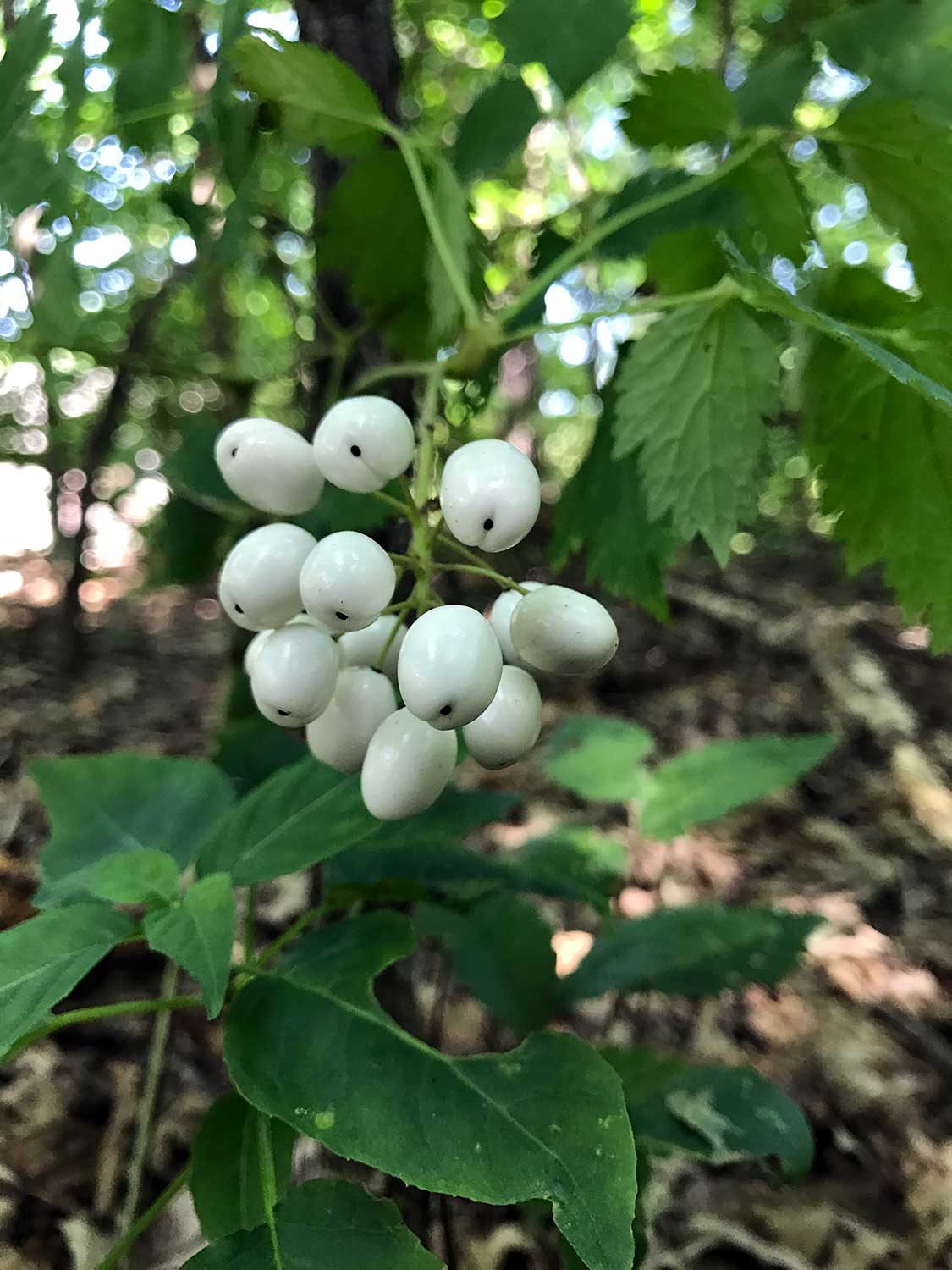
Fruit: The fruit is a cluster of small, white berries with a distinctive black “eye” at the base.

Habitat: It is commonly found in woodlands and shaded areas.

Distribution: White baneberry is native to eastern North America.

Also known as “dolls eyes” because of the white berries that have a black dot in the middle.

Occurrence
Found in various places on the property
Spotted Joe-Pye Weed – Eutrochium maculatum

Native To State: YES
Naturally Occurring: YES

Description

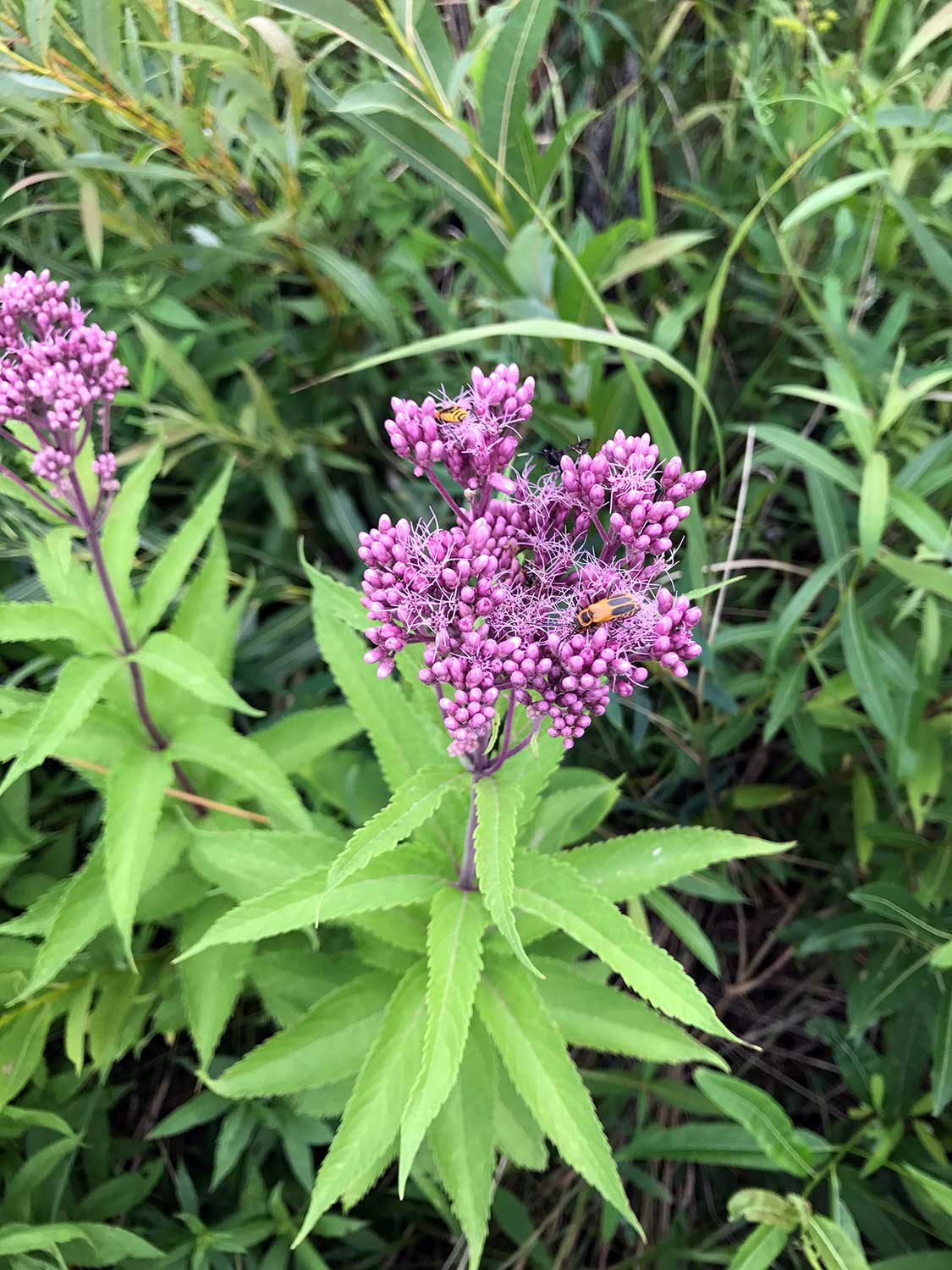
Appearance: Eutrochium maculatum is a tall herbaceous perennial known for its whorled leaves and pink to purplish flowers.

Leaves: The leaves are whorled, lance-shaped, and often have purple spots on the stems.

Flowers: The plant produces clusters of pink to purplish, fluffy flower heads.

Habitat: It is commonly found in wetlands, including wet meadows and along stream banks.

Distribution: Spotted Joe-Pye weed is native to eastern and central North America.

Occurrence
Found in low marshy areas

Spreading Dogbane – Apocynum androsaemifolium

Native To State: YES
Naturally Occurring: YES

Description

Appearance: Apocynum androsaemifolium is a herbaceous perennial known for its opposite leaves and clusters of small, pinkish-white flowers.

Leaves: The leaves are opposite, lance-shaped, and often have a milky latex sap.

Flowers: The plant produces small, pinkish-white flowers in clusters.

Fruit: It bears slender, elongated seed pods.

Habitat: It is commonly found in a variety of habitats, including meadows, fields, and roadsides.

Occurrence
Found in various places in grassy areas

Woodland Sunflower – Helianthus strumosus

Native To State: YES
Naturally Occurring: YES

Description

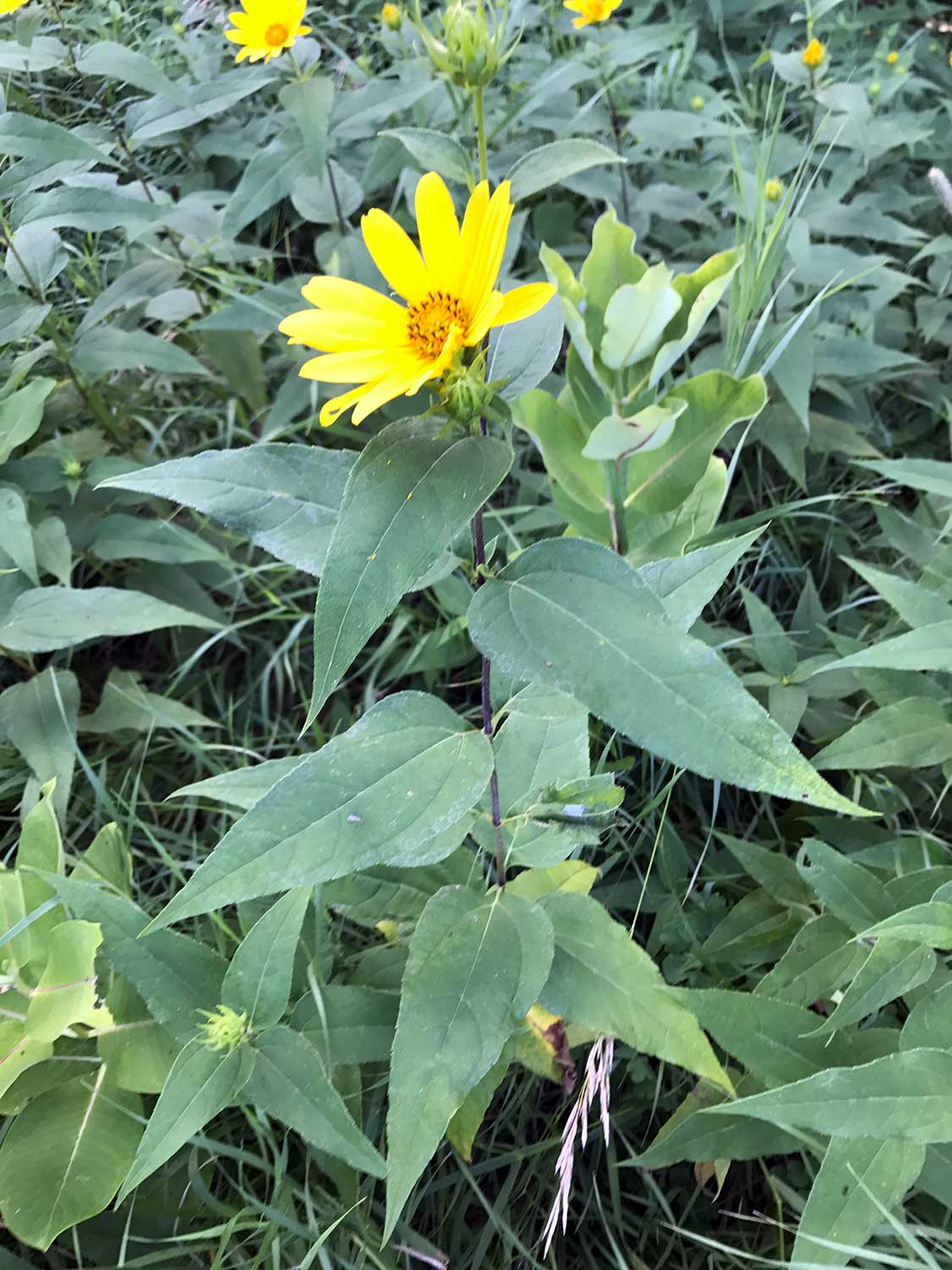
Appearance: Helianthus strumosus is a herbaceous perennial known for its opposite leaves and yellow, daisy-like flowers.

Leaves: The leaves are opposite, lance-shaped, and often have a rough texture.

Flowers: The plant produces bright yellow, daisy-like flowers with a dark center.

Habitat: It is commonly found in woodlands, especially in open or partially shaded areas.

Distribution: Pale-leaf woodland sunflower is native to eastern and central North America.

Occurrence
Found on wood edges – especially around the brush islands

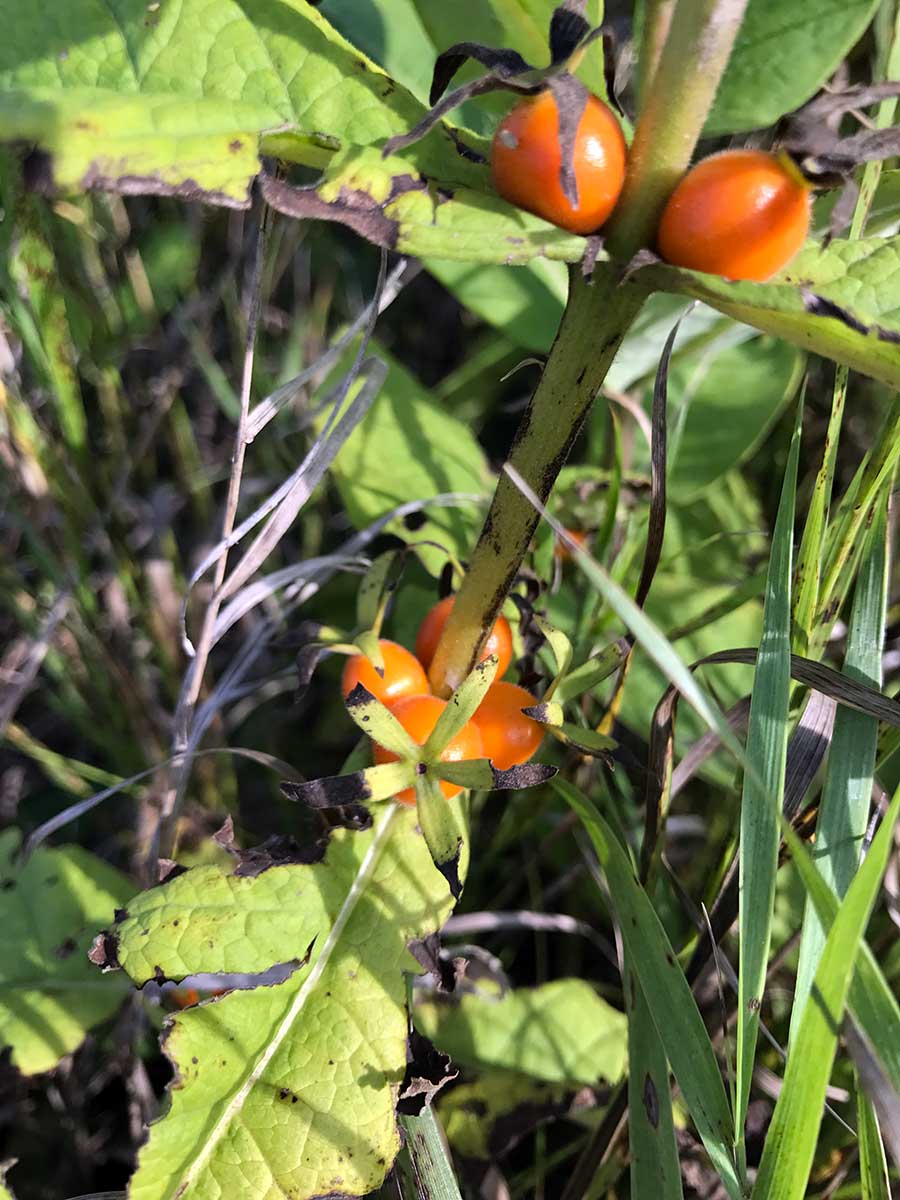
Late Horse Gentian – Triosteum perfoliatum

Native To State: YES
Naturally Occurring: YES

Description

Appearance: Triosteum perfoliatum is a native herbaceous perennial known for its whorled leaves and clusters of small, tubular flowers.

Leaves: The leaves are whorled around the stem and have a coarse texture.

Flowers: The plant produces clusters of small, tubular, yellowish-orange to reddish-brown flowers.

Fruit: It bears bright red, berry-like fruit.

Habitat: It is commonly found in woodlands and shaded areas.

Distribution: Wild coffee is native to eastern and central North America.

Occurrence
Found sporadically in grassy areas on the property

Common Evening Primrose – Oenothera biennis

Native To State: YES
Naturally Occurring: YES

Description

Appearance: Oenothera biennis is a biennial plant known for its tall, erect stems and yellow, four-petaled flowers.

Leaves: The leaves are lance-shaped and alternate along the stem.

Flowers: The plant produces bright yellow, four-petaled flowers that open in the evening.

Habitat: It is commonly found in open areas, roadsides, and disturbed habitats.

Distribution: Common evening primrose is native to North America.

Occurrence
Found spread through grassy areas on the property
False Gromwell – Onosmodium molle

Native To State: YES
Naturally Occurring: YES

Description

Appearance: Onosmodium molle is an herbaceous perennial known for its rough, bristly leaves and small, tubular flowers.

Leaves: The leaves are lance-shaped, covered in bristly hairs, and arranged alternately along the stem.

Flowers: The plant produces small, tubular, greenish-white flowers.

Fruits: It produces small, prickly fruits.

Habitat: It is commonly found in open woodlands and meadows.

Distribution: False gromwell is native to eastern North America.

Occurrence
Few specimens found in Prairie section – may be naturally occurring or may have been seeded unknowingly.

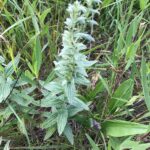
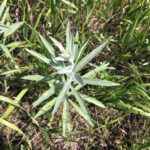
White Sage – Artemisia ludoviciana

Native To State: YES
Naturally Occurring: YES

Description

Appearance: Artemisia ludoviciana is a herbaceous perennial known for its silvery-gray leaves and small, yellow flowers.

Leaves: The leaves are silvery-gray, lance-shaped, and deeply lobed.

Flowers: The plant produces small, yellow flowers in clusters.

Habitat: It is commonly found in dry, open areas and prairies.

Distribution: White sagebrush is native to North America.

Occurrence
Found in the north west corner