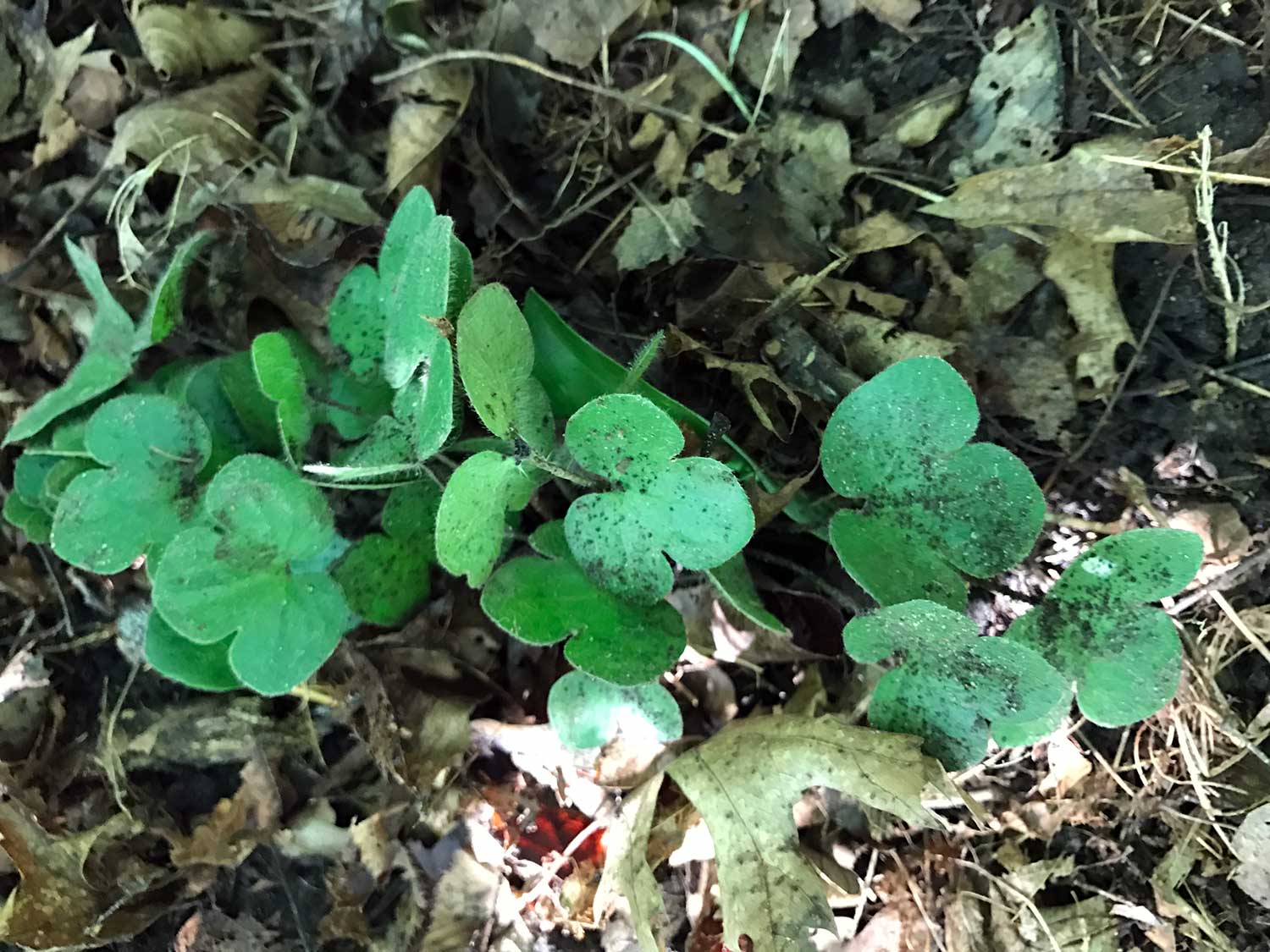
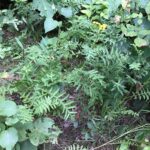
Round-Lobed Hepatica – Anemone americana

Native To State: YES
Naturally Occurring: NO

Description

Appearance: Anemone americana is a low-growing perennial herb known for its distinctive, three-lobed leaves and delicate flowers.

Leaves: The leaves are typically three-lobed and appear in a basal rosette.

Flowers: The flowers are solitary, nodding, and typically blue, lavender, or white.

Habitat: It is commonly found in woodlands, often in moist or rocky areas.

Distribution: Round-lobed hepatica is native to eastern and central North America.

Occurrence
Planted along the fern trail

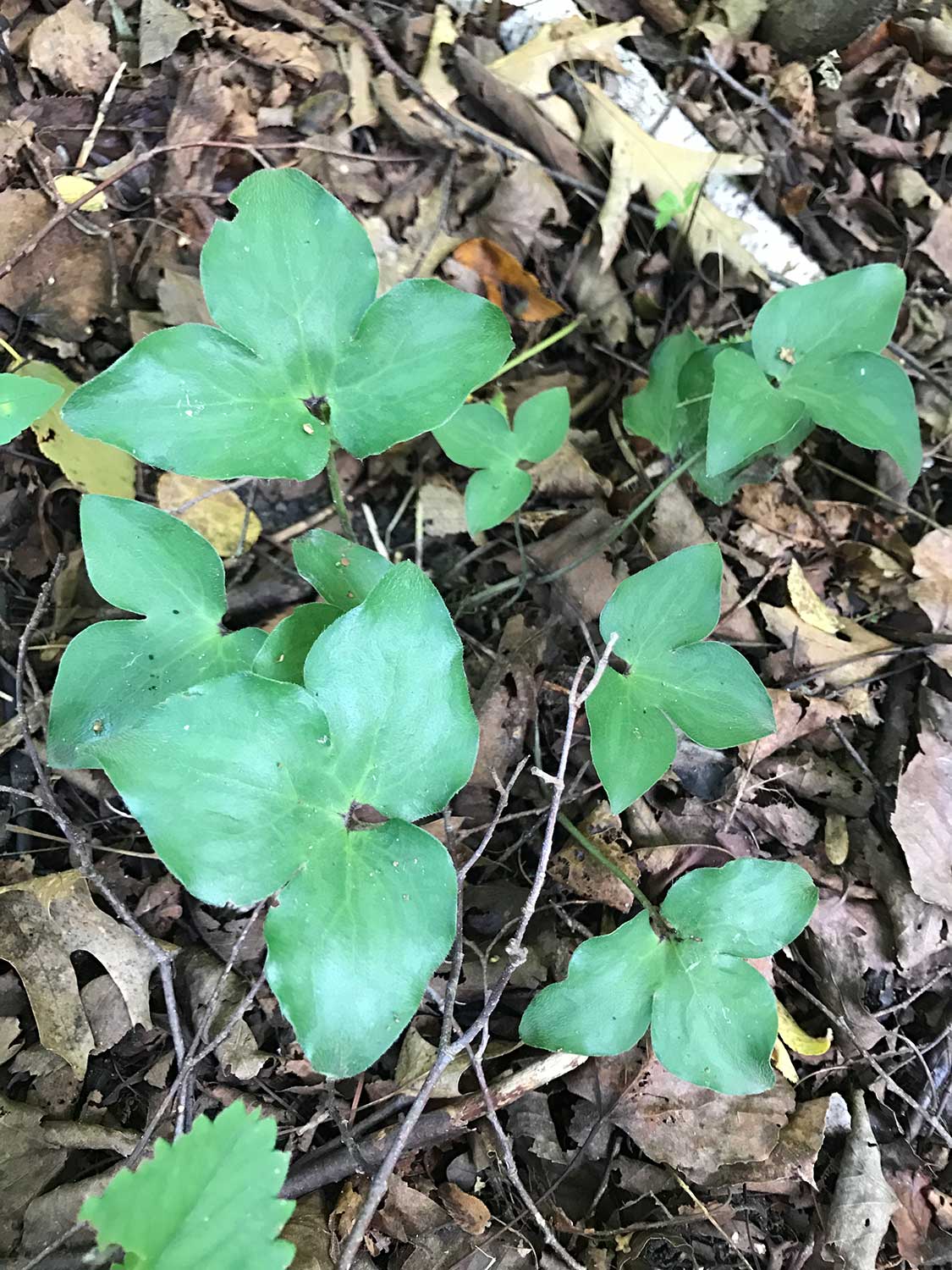
Sharp-Lobed Hepatica – Anemone acutiloba

Native To State: YES
Naturally Occurring: NO

Description

Appearance: Anemone acutiloba is a low-growing perennial herb closely related to Anemone americana and is known for its sharply lobed leaves and delicate flowers.

Leaves: The leaves are typically three-lobed, with sharply pointed lobes.

Flowers: The flowers are solitary, nodding, and typically blue, lavender, or white.

Habitat: It is commonly found in woodlands, often in moist or rocky areas, similar to Anemone americana.

Distribution: Sharp-lobed hepatica is native to eastern and central North America.

Occurrence
Planted along the fern trail

Blue Ridge Carrion Flower – Smilax lasioneura

Native To State: YES
Naturally Occurring: YES

Description

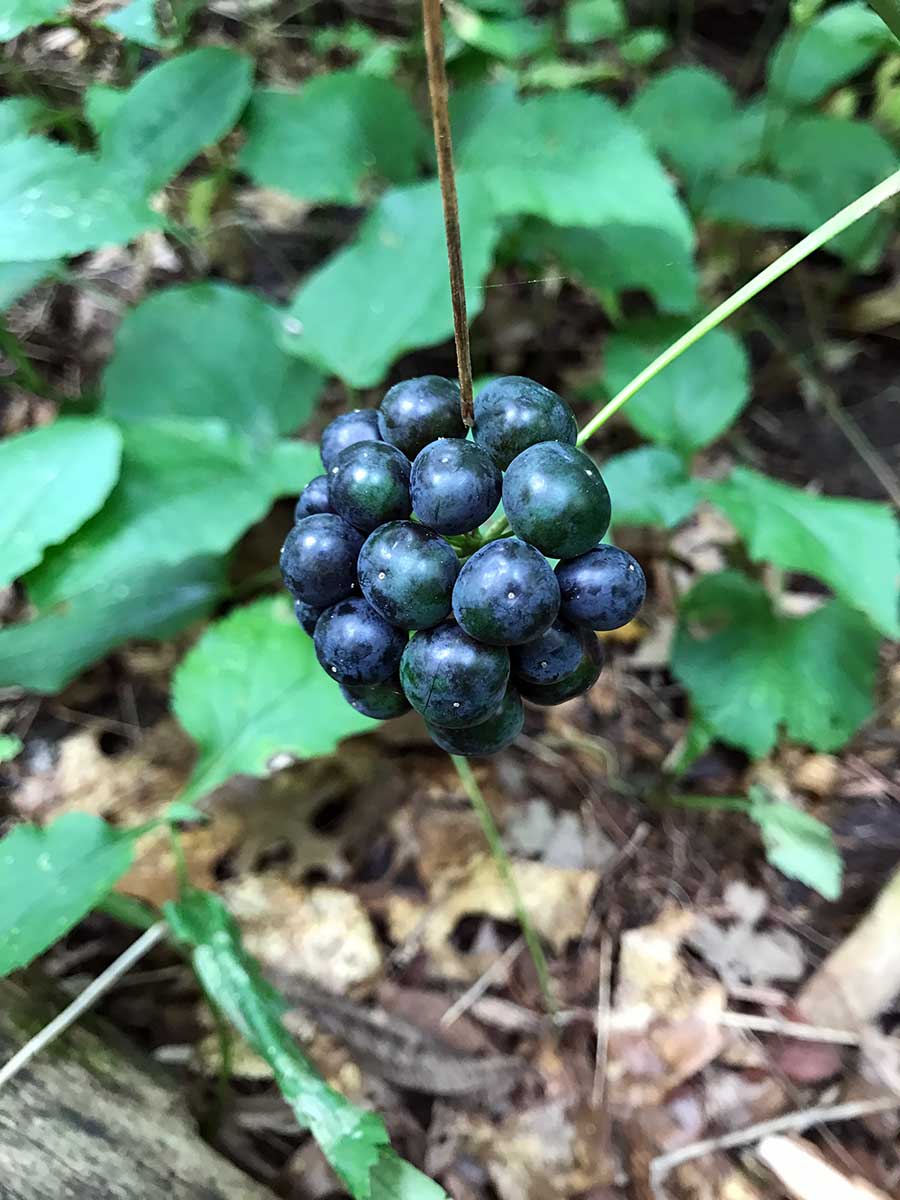
Appearance: Smilax lasioneura is a climbing vine known for its tendrils, thorny stems, and greenish flowers.

Leaves: The leaves are alternate, simple, and often have prominent veins.

Flowers: The plant produces small, greenish flowers in clusters.

Habitat: It is commonly found in woodlands and along the edges of forests, often climbing over other vegetation.

Distribution: Blue Ridge greenbrier is native to eastern North America.

Occurrence
Found in back 40 woods and perhaps other areas.

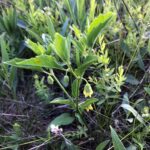
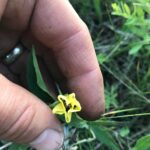
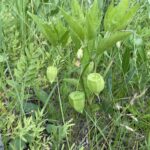
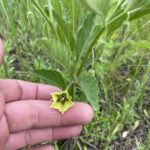
Virginia Ground Cherry – Physalis virginiana

Native To State: YES
Naturally Occurring: YES

Description

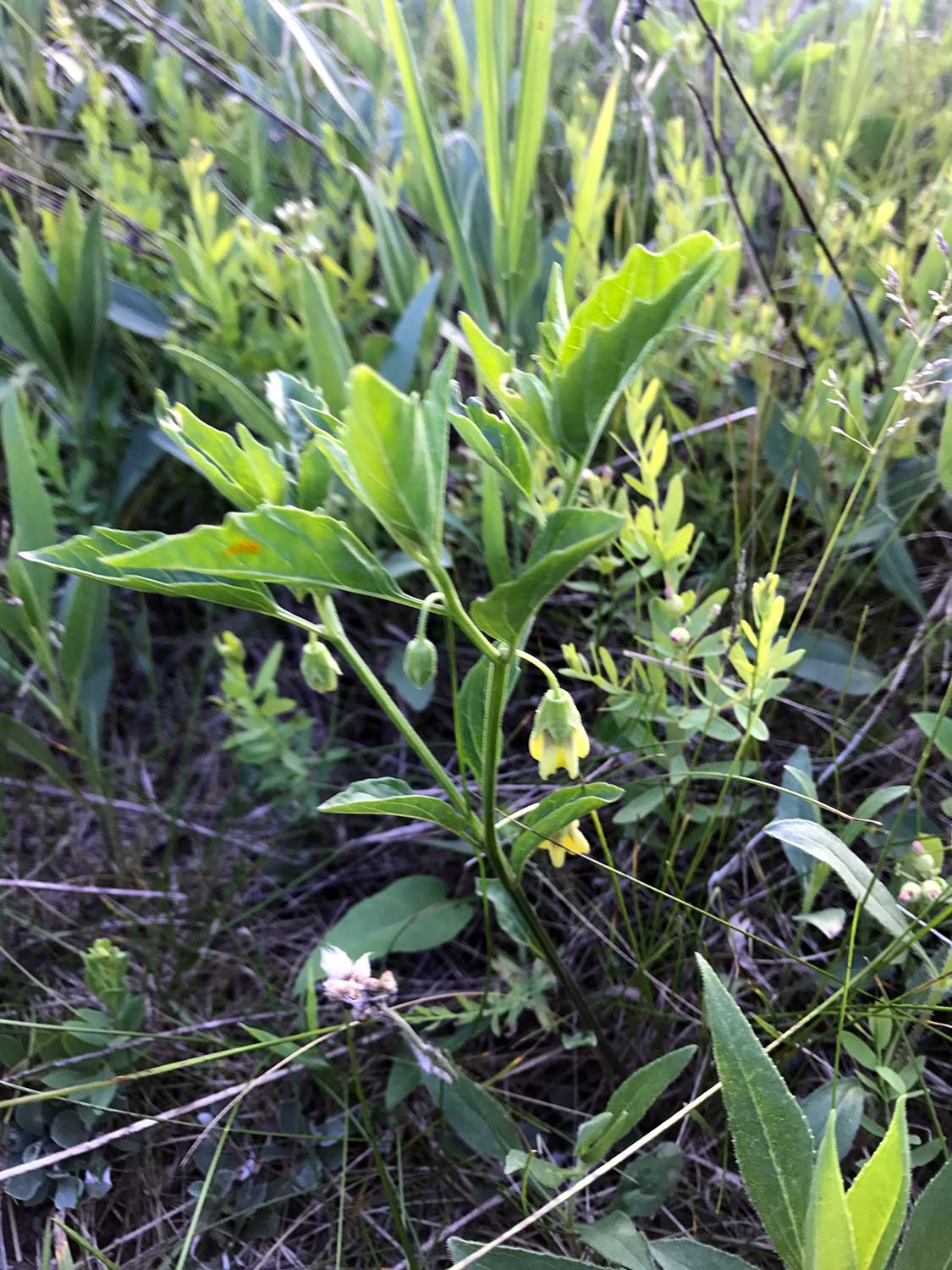
Appearance: Physalis virginiana is an annual or perennial herb known for its lantern-like fruit and lobed leaves.

Leaves: The leaves are alternate, lobed, and often have toothed margins.

Fruit: The fruit is a papery, lantern-like husk that encloses a small, edible berry.

Habitat: It is commonly found in open woodlands, fields, and disturbed areas.

Distribution: Virginia ground cherry is native to eastern and central North America.

Occurrence
Found in prairie section

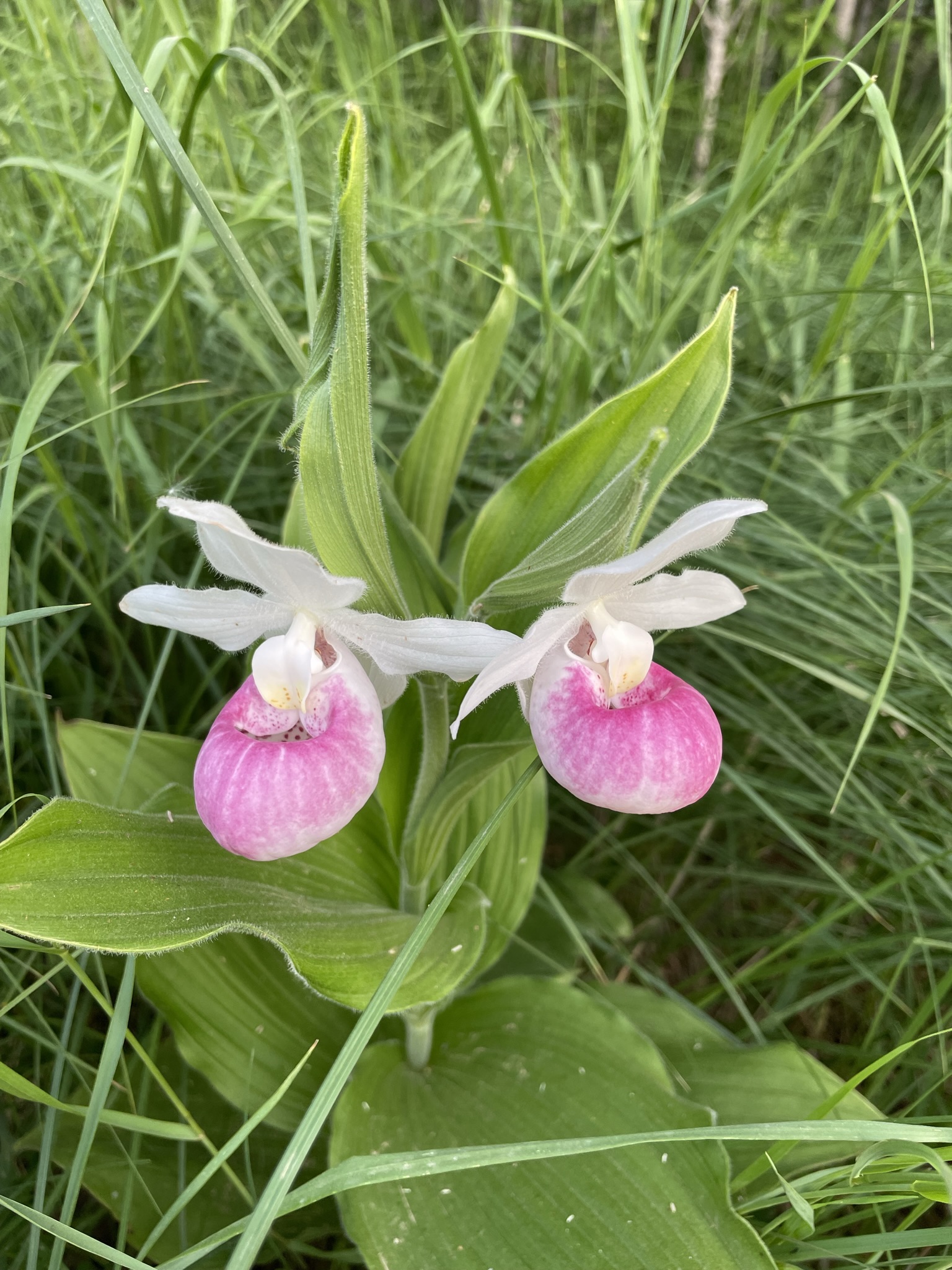
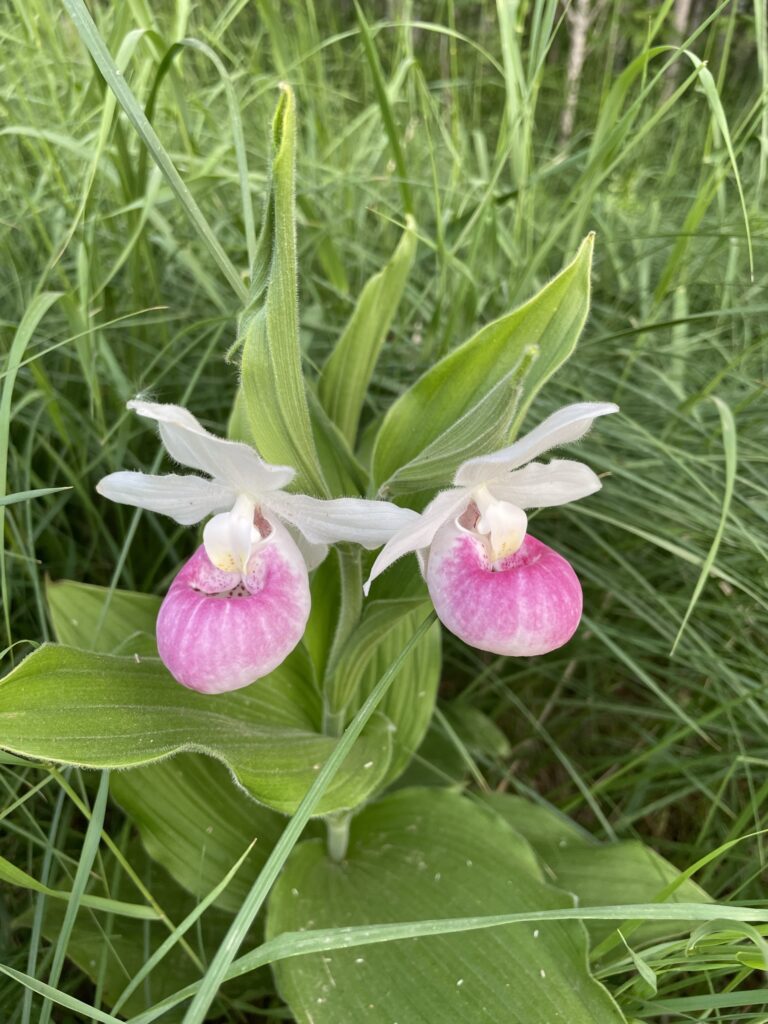
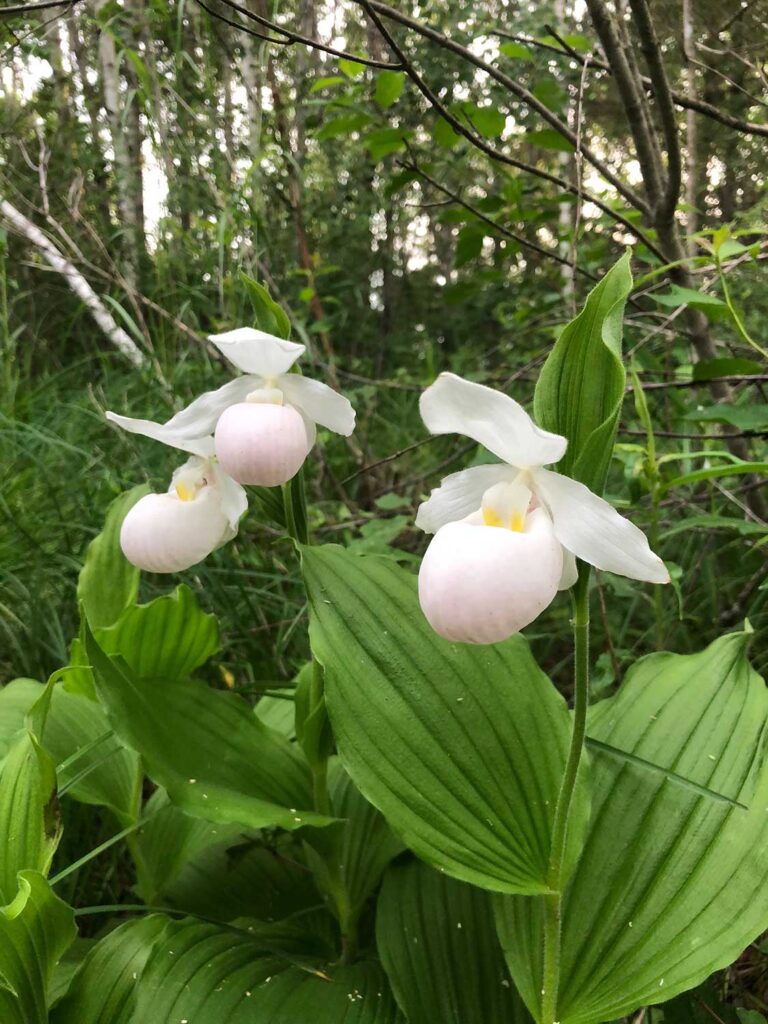
Showy Lady’s Slipper – Cypripedium reginae

Native To State: YES
Naturally Occurring: YES

Description

Appearance: Cypripedium reginae is a terrestrial orchid known for its striking, showy flowers and distinctive slipper-shaped lip.

Leaves: The plant has several basal leaves that are elliptical and prominently veined.

Flowers: The flowers are large and showy, typically pink to white, with a distinctive pouch-like lip that resembles a lady’s slipper.

Habitat: It is commonly found in moist woodlands and shaded areas.

Distribution: Showy lady’s slipper is native to eastern and central North America.

Occurrence
Found mostly along the crick on the north end of the property

Wild Sarsaparilla – Aralia nudicaulis

Native To State: YES
Naturally Occurring: YES

Description

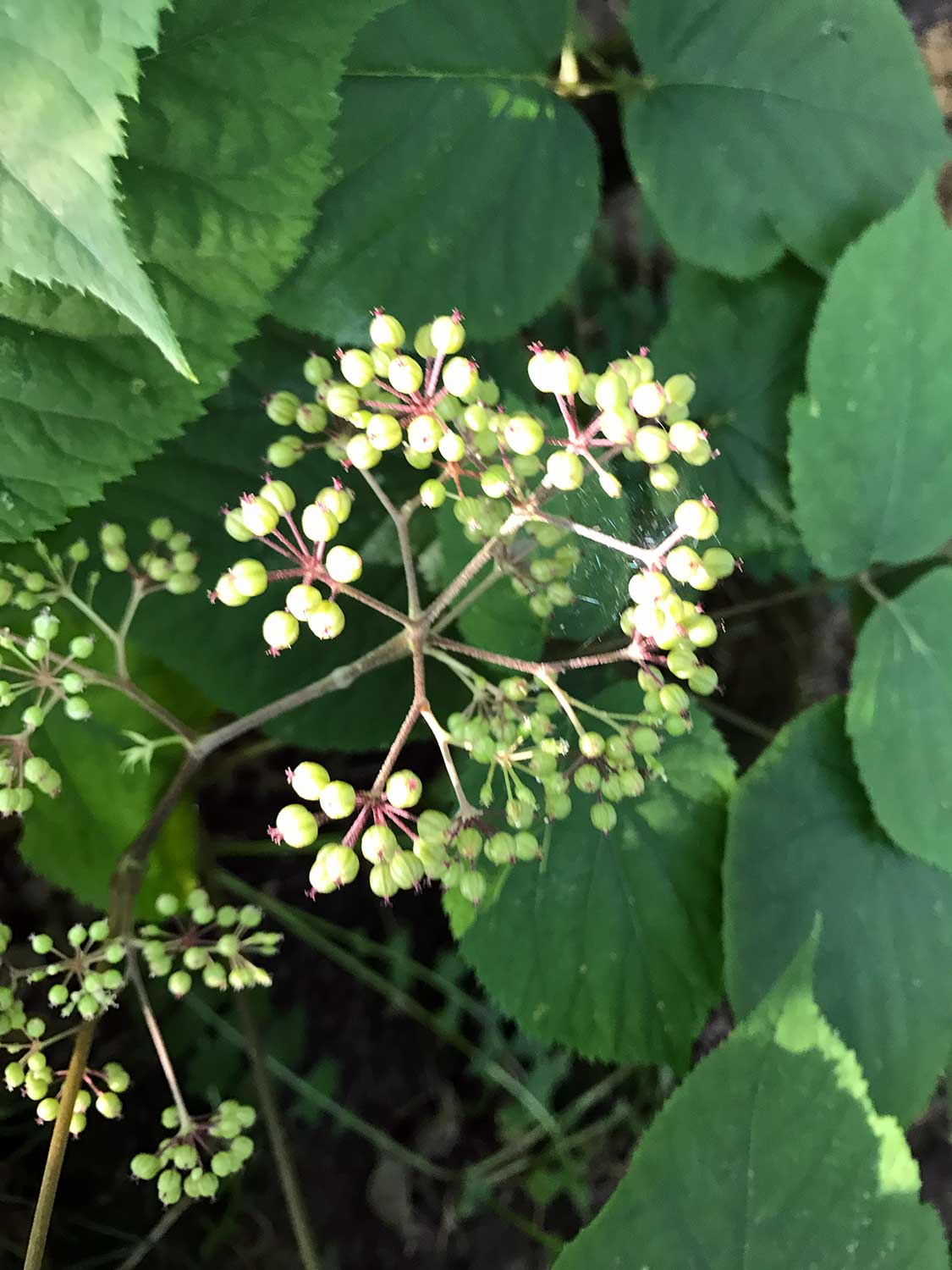
Appearance: Aralia nudicaulis is a woodland herbaceous perennial known for its compound leaves and small, globular clusters of flowers.

Leaves: The leaves are compound and divided into three leaflets.

Flowers: The plant produces small, greenish-white flowers arranged in globular clusters.

Fruit: It bears small, black berries.

Habitat: It is commonly found in moist woodlands and shaded areas.

Distribution: Wild sarsaparilla is native to eastern and central North America.

Occurrence
Found in former pasture woods

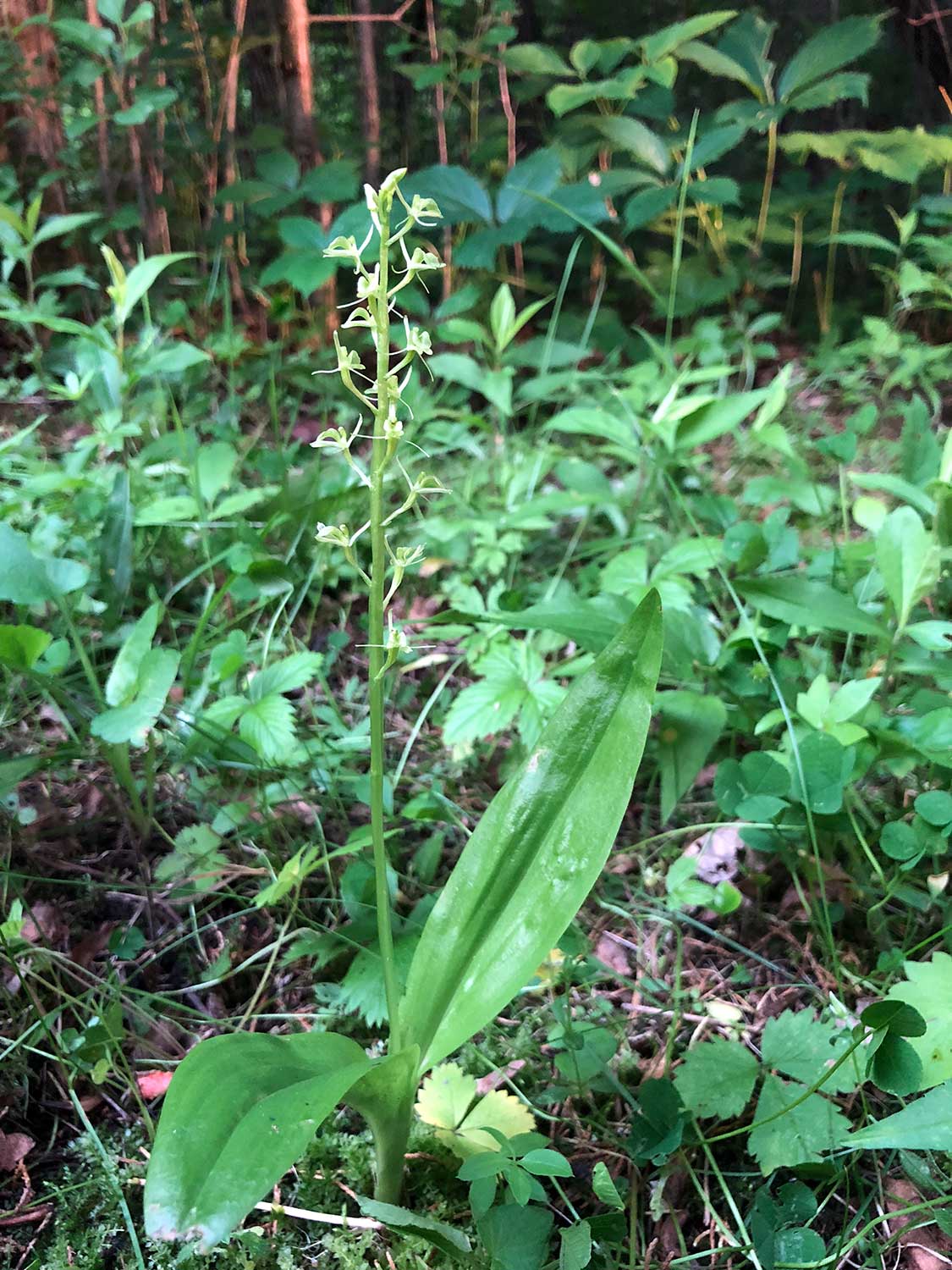
Loesel’s Twayblade – Liparis loeselii

Native To State: YES
Naturally Occurring: YES

Description

Appearance: Liparis loeselii is a terrestrial orchid known for its small, greenish-yellow flowers and basal rosette of leaves.

Leaves: The plant typically has a basal rosette of lance-shaped leaves.

Flowers: The flowers are small, greenish-yellow, and arranged in a loose spike.

Habitat: It is commonly found in wetlands, including fens, bogs, and moist meadows.

Distribution: Fen orchid is native to North America and is often associated with wetland habitats.

Occurrence
Found near the crick in the woods.

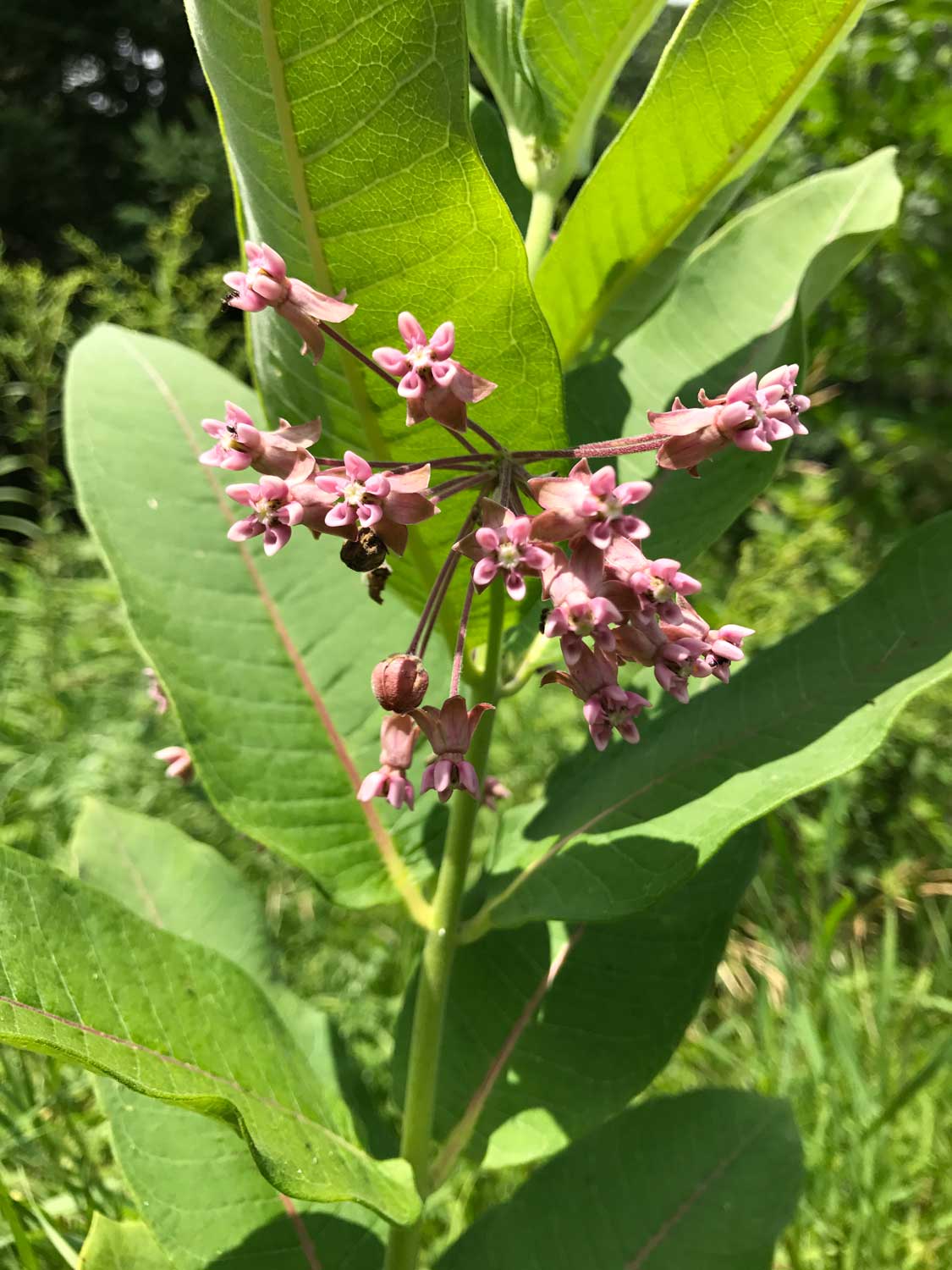
Common Milkweed – Asclepias syriaca

Native To State: YES
Naturally Occurring: YES

Description

Appearance: Asclepias syriaca is a herbaceous perennial known for its clusters of pink to purple flowers and distinctive seed pods.

Leaves: The leaves are opposite, broad, and lance-shaped.

Flowers: The plant produces clusters of pink to purple, five-petaled flowers with a unique structure that attracts pollinators.

Fruit: The seed pods are large and contain seeds with silky hairs.

Habitat: It is commonly found in fields, meadows, and disturbed areas.

Distribution: Common milkweed is native to North America.

Occurrence
Found throughout the property

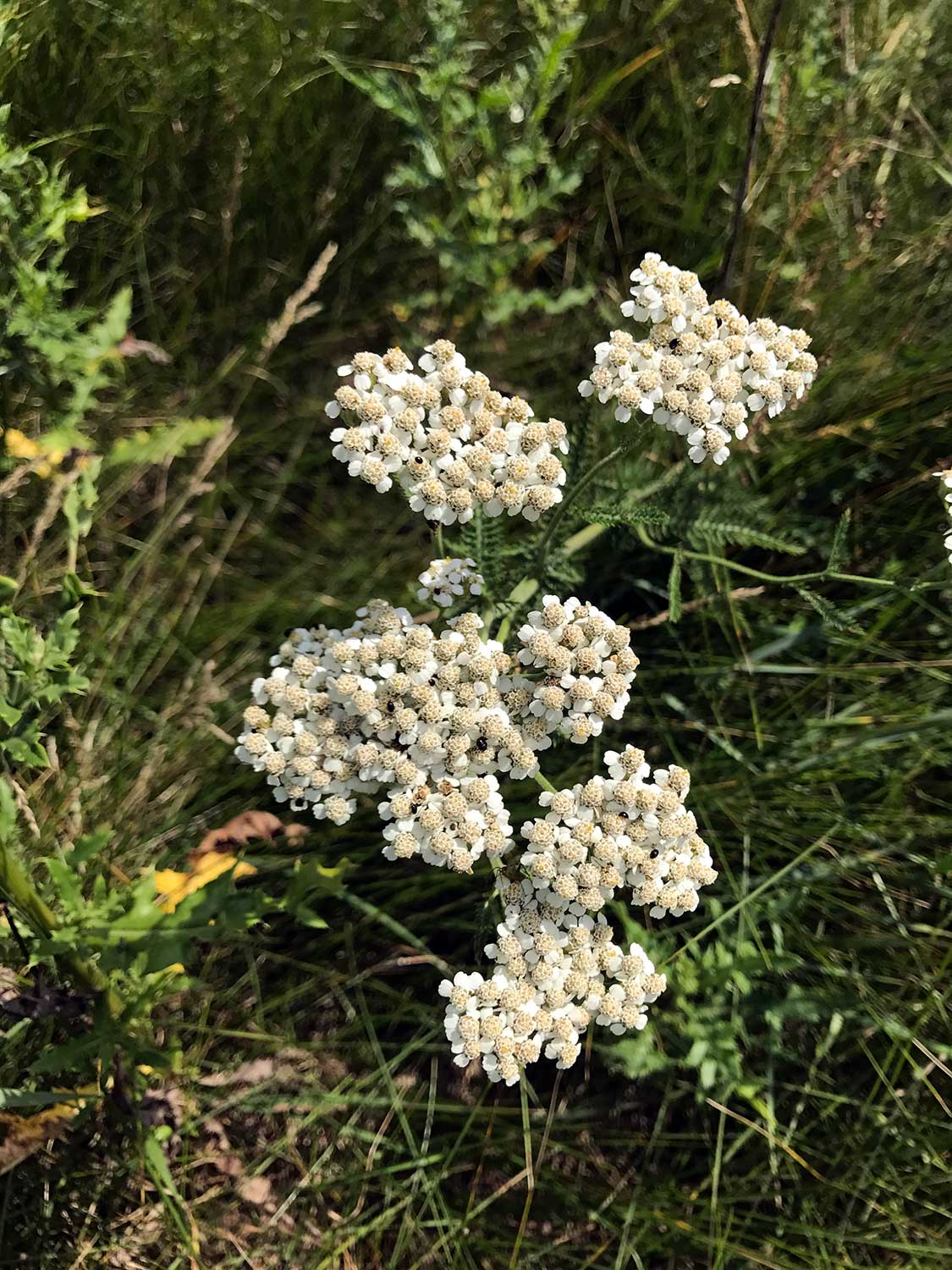
Yarrow – Achillea millefolium

Native To State: YES
Naturally Occurring: YES

Description

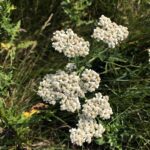
Appearance: Achillea millefolium is a herbaceous perennial known for its feathery, finely divided leaves and flat-topped clusters of small flowers.

Leaves: The leaves are finely divided into numerous segments, giving them a feathery appearance.

Flowers: The plant produces flat-topped clusters of small, white to pinkish flowers.

Habitat: It is commonly found in a variety of habitats, including meadows, roadsides, and disturbed areas.

Distribution: Common yarrow is native to Eurasia but has become naturalized in North America.

Occurrence
Found throughout the property

Blue Cohosh – Caulophyllum thalictroides

Native To State: YES
Naturally Occurring: YES

D

Appearance: Caulophyllum thalictroides is a herbaceous perennial known for its blue-green compound leaves and small, yellowish-green flowers.

Leaves: The leaves are compound and resemble those of the related plant Thalictrum, hence the species name “thalictroides.”

Flowers: The plant produces small, yellowish-green flowers in drooping clusters.

Fruit: It bears blue, berry-like fruits.

Habitat: It is commonly found in woodlands and shaded areas, often in rich, moist soils.

Distribution: Blue cohosh is native to eastern North America.

Occurrence
Found in wooded areas of the property